
Il dipinto del Lunedì dell’Angelo: le Pie donne al Sepolcro accolte dall’angelo di Bourgerau
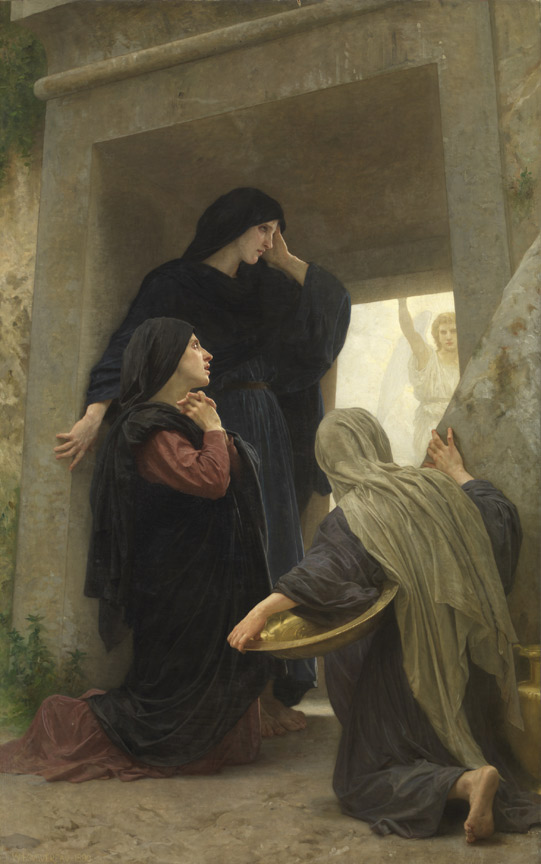
Il dipinto del Lunedì dell’Angelo che voglio proporvi è quello in cui sono raffigurate le Pie donne al Sepolcro di William Adolphe Bourgerau.
Si tratta di un olio su tela realizzato da William Adolphe Bourgerau nel 1876, oggi custodito presso il Museo Reale di Belle Arti ad Anversa, in Belgio.
E, per lo spavento che ebbero di lui, le guardie tremarono e rimasero come morte; 5 ma l’angelo, rivolgendosi alle donne, disse loro: «Non temete, perché io so che cercate Gesù, che è stato crocifisso. Egli non è qui, perché è risorto, come aveva detto; venite, vedete il luogo dove giaceva il Signore
Maria di Magdala, Maria madre di Giacomo il minore e Salome che avevano assistito alla crocifissione, si recarono al sepolcro dove trovarono il masso che lo chiudeva rotolato via. Entrando non trovarono più il corpo di Cristo ma due angeli che annunciarono loro la resurrezione, citando parole relative alla sua crocifissione.
Le donne vanno a riferire ciò che è accaduto agli apostoli e non vengono credute.
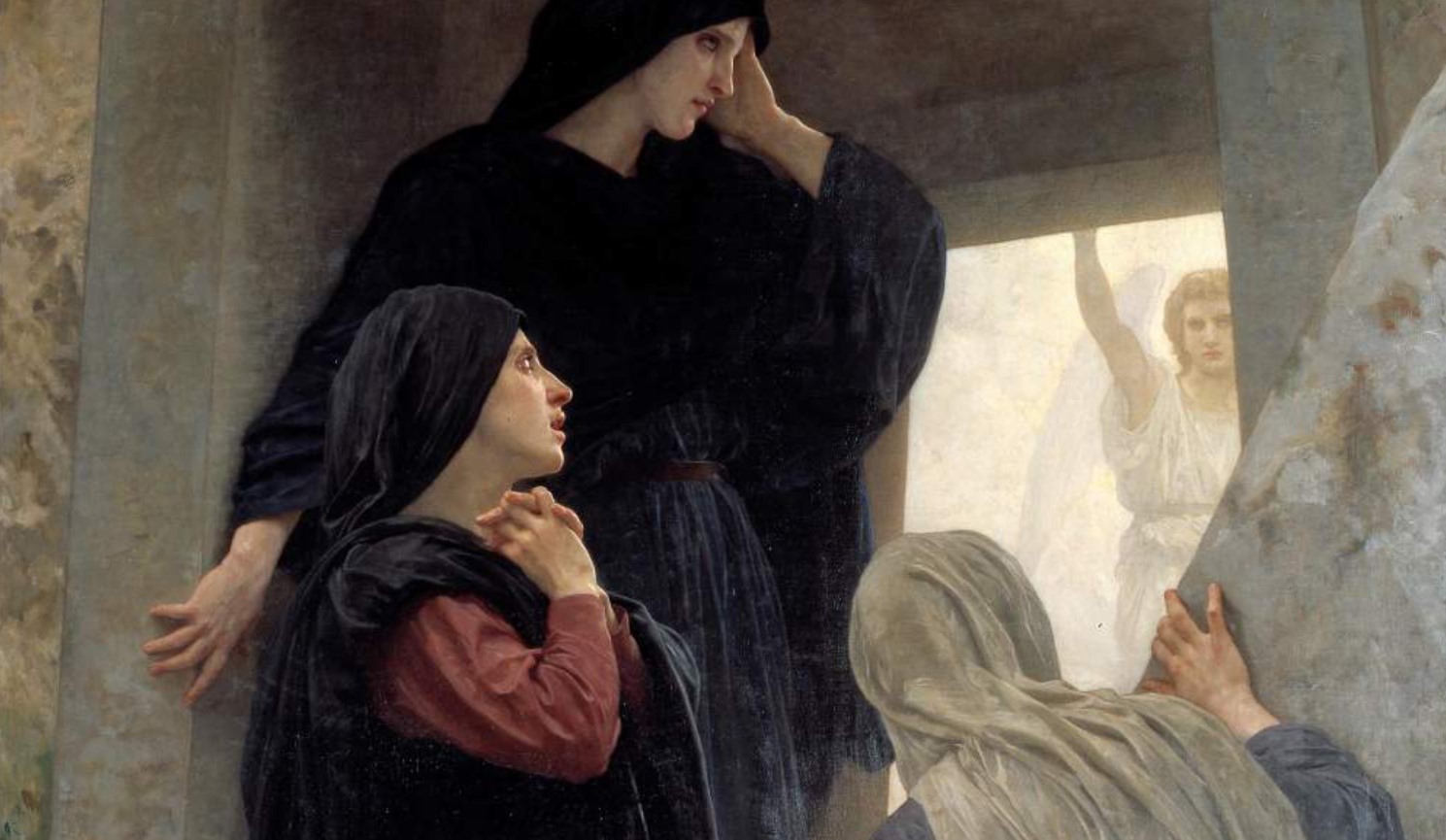
Il pittore francese William Adolphe Bourgerau, noto per la sua tecnica straordinaria e con il suo stile definito accademico, volle dipingere su tela l’episodio delle pie donne che non trovano più il corpo del Salvatore bensì un angelo ad annunciare loro la resurrezione.
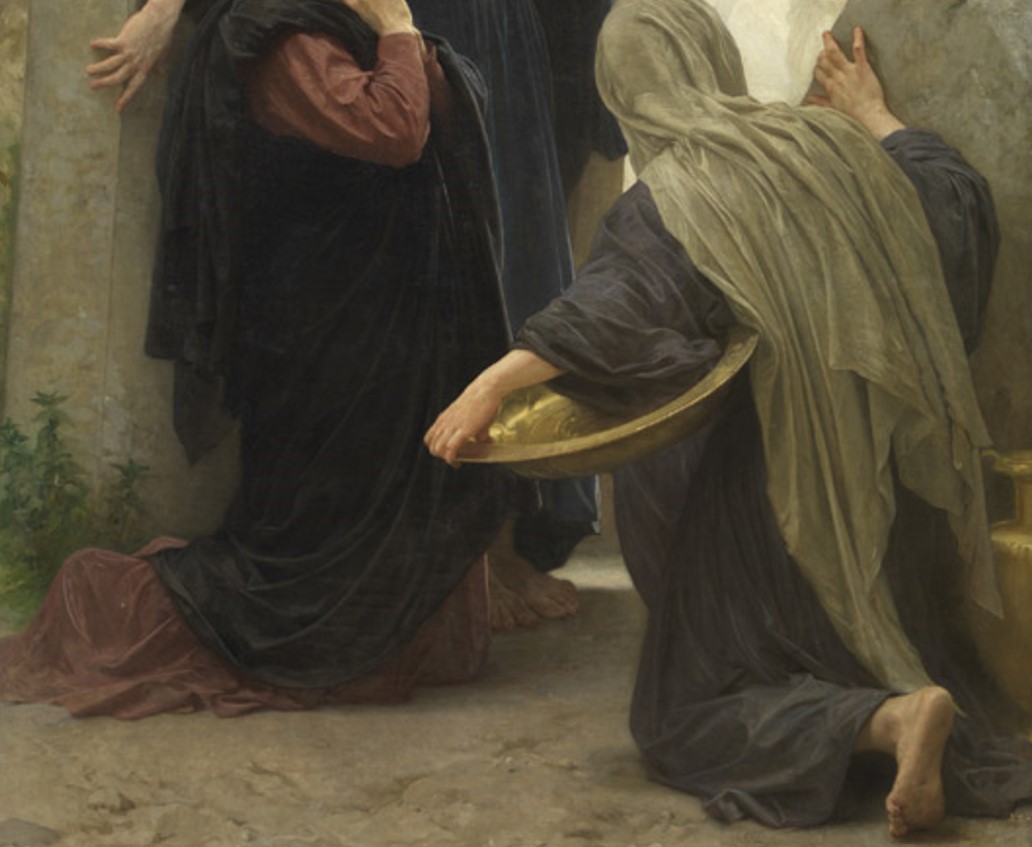
Il loro atteggiamento fa pensare sia all’incredulità che allo spavento. Osservate per esempio la donna in piedi che con la mano destra sembra reggersi alla roccia che ha alle spalle per non cadere a causa dello spavento.
Al suo fianco compare una delle tre donne inginocchiate e a mani giunte che mostra un’espressione stupefatta.
A lungo Bourgerau fu snobbato. Dopo la sua morte fu ferocemente attaccato da una critica feroce fino a quando, in epoca moderna, Dalì tornò a rivalutarlo, apprezzandone in particolare la tecnica raffinata. Finalmente alla fine del Novecento rientrò di diritto fra i grandi artisti della figurazione.
Per il momento i sempre vostro Michelangelo Buonarroti vi saluta dandovi appuntamento ai prossimi post e sui social.

The painting of Easter Monday: the Pious women at the Tomb of Bourgerau
The Easter Monday painting that I want to propose to you is the one in which the Pious Women at the Sepulcher by William Adolphe Bourgerau are depicted.
It is an oil on canvas created by William Adolphe Bourgerau in 1876, now kept in the Royal Museum of Fine Arts in Antwerp, Belgium.
And, because of the fear they had of him, the guards trembled and remained as if dead; 5 but the angel, turning to the women, said to them: «Do not be afraid, because I know that you are looking for Jesus, who was crucified. He is not here, because he is resurrected, as he said; come, see the place where the Lord lay
Mary of Magdala, Mary mother of James the Less and Salome who had witnessed the crucifixion, went to the tomb where they found the boulder that closed it rolled away. Upon entering they no longer found the body of Christ but two angels who announced the resurrection to them, quoting words relating to his crucifixion.
The women go to report what happened to the apostles and are not believed.
The French painter William Adolphe Bourgerau, known for his extraordinary technique and his style defined as academic, wanted to paint on canvas the episode of the pious women who no longer find the body of the Savior but rather an angel to announce the resurrection to them.
Their attitude suggests both disbelief and fear. For example, observe the standing woman who seems to be holding on to the rock behind her with her right hand so as not to fall due to fear. Next to her appears one of the three women kneeling with clasped hands and showing a stunned expression.
For a long time Bourgerau was snubbed. After his death he was fiercely attacked by fierce criticism until, in the modern era, Dalì returned to reevaluate him, appreciating in particular his refined technique. Finally, at the end of the twentieth century he rightfully returned among the great figurative artists.
For the moment, yours ever Michelangelo Buonarroti greets you and will meet you in the next posts and on social media.

Sostienici – Support Us
Se questo blog ti piace e ti appassiona, puoi aiutarci a farlo crescere sempre più sostenendoci in modo concreto condividendo i post, seguendo le pagine social e con un contributo che ci aiuta ad andare avanti con il nostro lavoro di divulgazione. . ENGLISH: If you like and are passionate about this blog, you can help us make it grow more and more by supporting us in a concrete way by sharing posts, following social pages and with a contribution that helps us to move forward with our dissemination work.
8,00 €
-
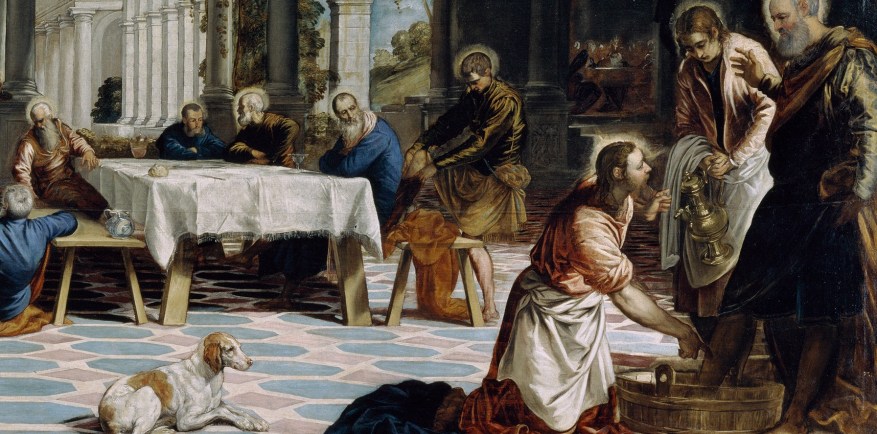
La Lavanda dei Piedi di Tintoretto: Il Capolavoro Veneziano al Prado
🇮🇹Tra i capolavori più affascinanti del Rinascimento veneziano, “La Lavanda dei Piedi” di Jacopo Tintoretto rappresenta un perfetto equilibrio tra spiritualità, innovazione compositiva e straordinaria forza narrativa… 🇬🇧Among the most fascinating masterpieces of the Venetian Renaissance, Jacopo Tintoretto’s “The Washing of the Feet” represents a perfect balance between spirituality, compositional innovation, and extraordinary narrative force…
-
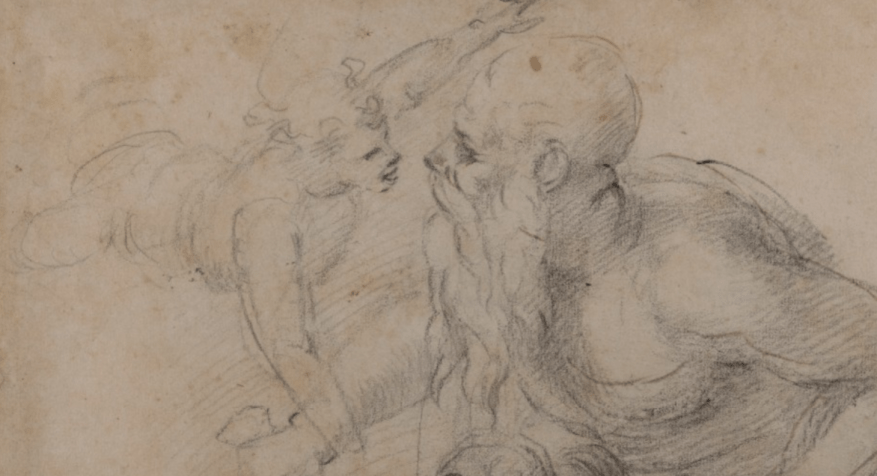
Il Sacrificio di Isacco e quel momento tra la vita e la morte
🇮🇹Oggi voglio raccontarvi alcuni dettagli sul mio disegno del Sacrificio di Isacco, conservato oggi a Casa Buonarroti. Su quel foglio volli tracciare il momento preciso in cui la paura fa spazio al miracolo… 🇬🇧Today I want to tell you some details about my drawing of the Sacrifice of Isaac, now preserved at Casa Buonarroti. On…
-
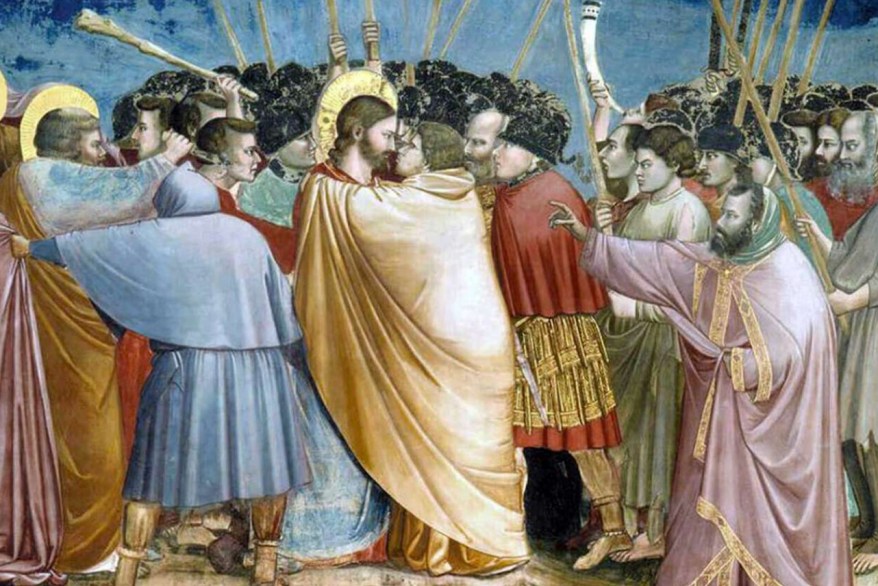
Mercoledì Santo: il giorno del tradimento di Giuda affrescato da Giotto
🇮🇹Il Mercoledì Santo è il giorno del silenzio, della riflessione e del tradimento. È il momento in cui Giuda sceglie di vendere Gesù per trenta denari, segnando uno dei passaggi più dolorosi della Settimana Santa…. 🇬🇧Holy Wednesday is a day of silence, reflection, and betrayal. ✝It is the moment when Judas chooses to sell Jesus…
Condividi:


Questo sono io





sostienici

Sostienici - Support Us
Se questo blog ti piace e ti appassiona, puoi aiutarci a farlo crescere sempre più sostenendoci in modo concreto condividendo i post, seguendo le pagine social e con un contributo che ci aiuta ad andare avanti con il nostro lavoro di divulgazione. . ENGLISH: If you like and are passionate about this blog, you can help us make it grow more and more by supporting us in a concrete way by sharing posts, following social pages and with a contribution that helps us to move forward with our dissemination work.
€10,00


