

Il Dipinto del giorno: il Compianto su Cristo Morto del preraffaellita William Dyce
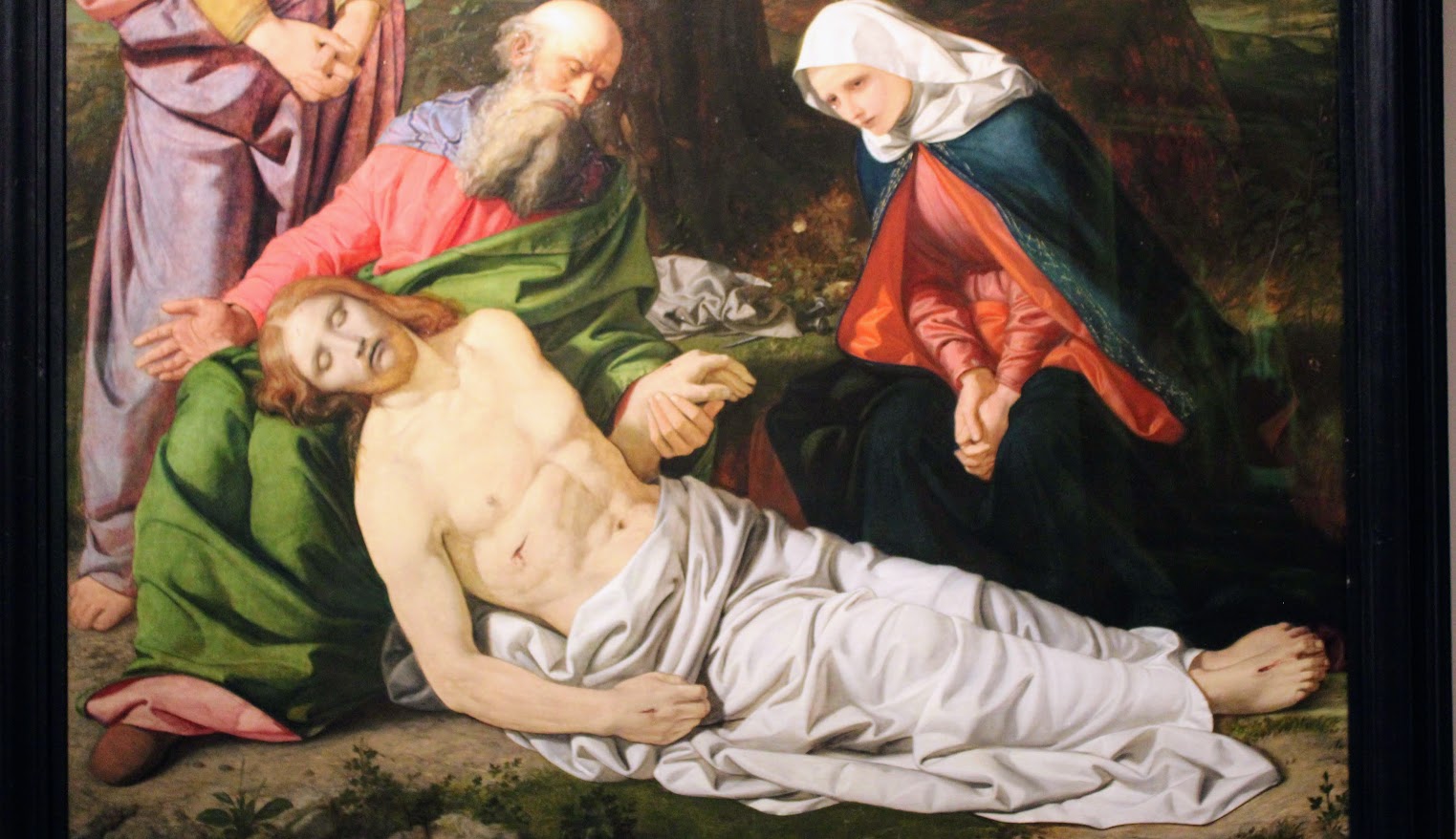
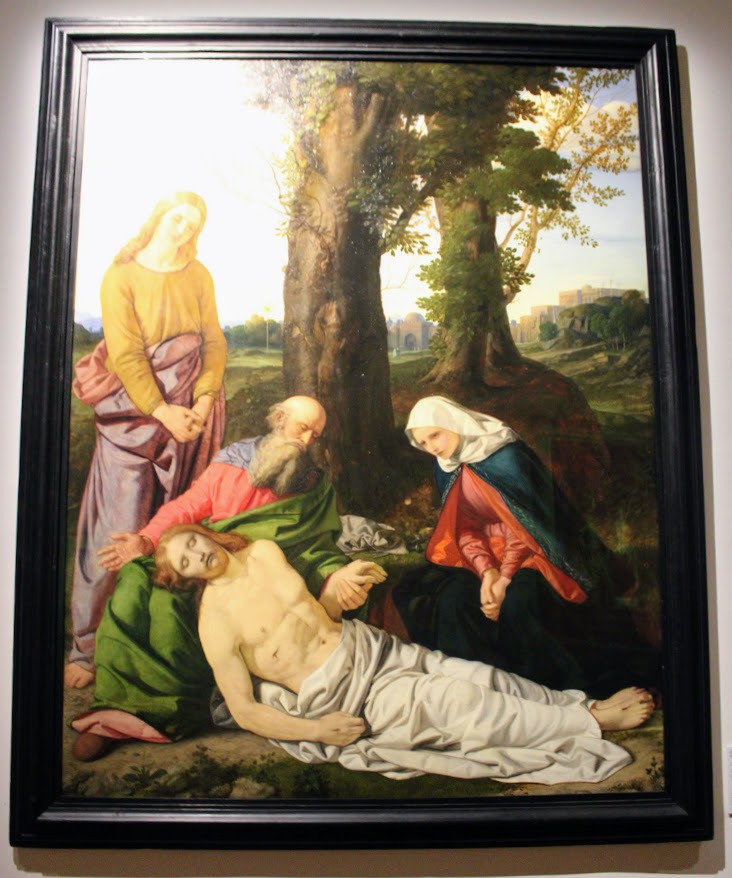
Il dipinto del giorno che vi propongo oggi è il Compianto su Cristo Morto dell’artista preraffaellita William Dyce, un olio su tela realizzato nel 1835 e appartenente alla Aberdeen Gallery e Museums.
Il pittore scozzese Dyce era un eccellente conoscitore dell’arte antica italiana e divenne una figura fondamentale sia per l’arte vittoriana ma fu anche un precursore dei preraffaelliti.
Da giovane aveva cominciato gli studi religiosi per divenire sacerdote ma poi abbandonò quel percorso per dedicarsi alla pittura, entrando nella Royal Academy Schools nel 1825.
Rimase però fortemente deluso dagli insegnamenti ricevuti tanto che solo un anno dopo partì alla volta dell’Italia per conoscere di persona i grandi artisti del passato.
Iniziò a copiare disegni e dipinti di Tiziano e Poussin, studiando al contempo la scultura classica.
Iniziando a dipingere i suoi primi lavori, William Dyce mostrò il proprio virtuosismo che molto si avvicinava allo stile della sensuale arte veneta del Cinquecento.
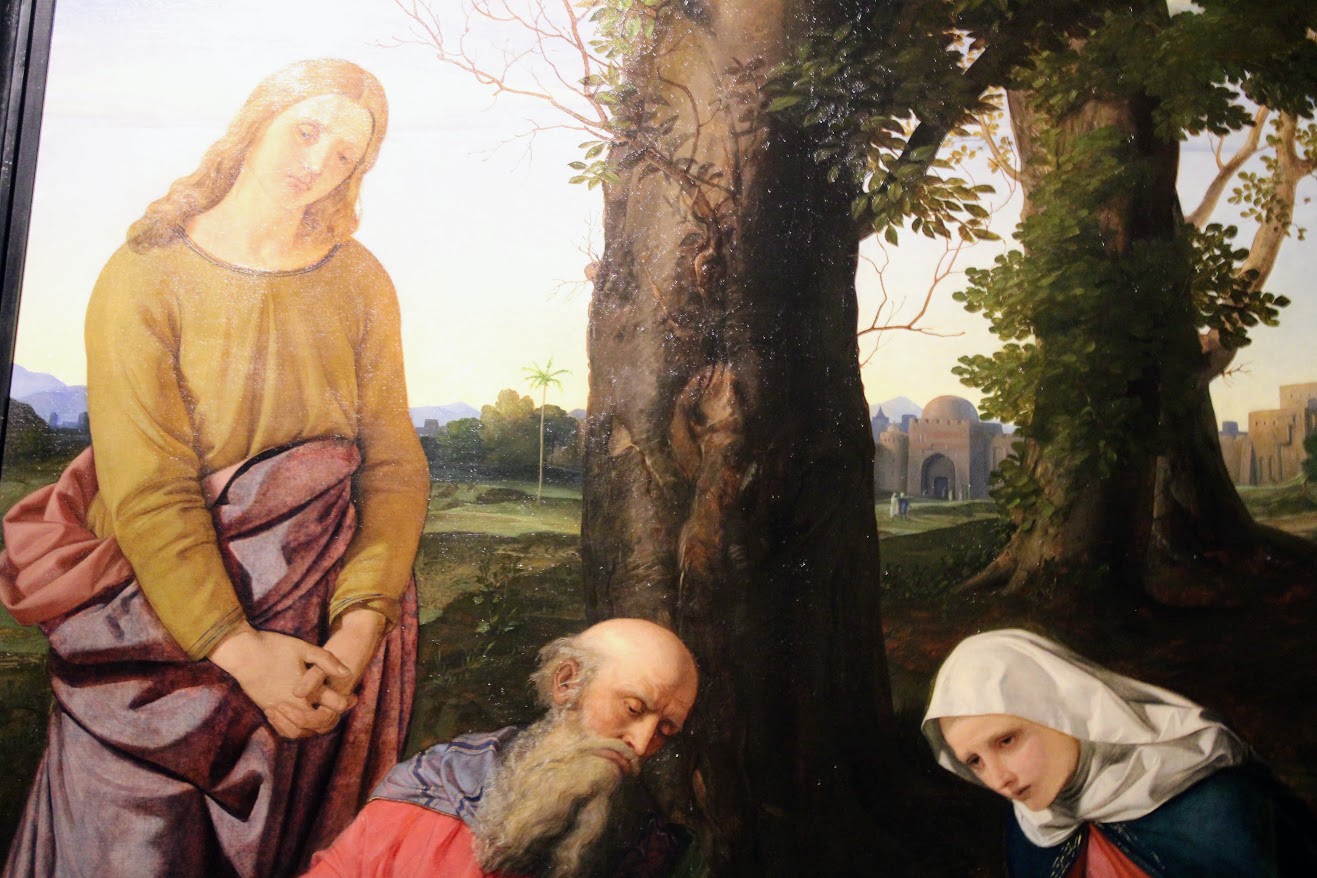
Osservando il dipinto del Compianto su Cristo Morto dell’artista, si nota un impianto tipicamente rinascimentale. Cristo oramai privo d vita giace semi disteso a terra, con la schiena sostenuta dalle gambe coperte da un panneggio verde di Nicodemo.
Sulla destra la Madre delle madri protende il busto in avanti guardando il Figlio. Ha volto segnato da un dolore profondo ma composto e le mani giunte.
Dalla parte opposta, in piedi, si vede l’evangelista San Giovanni addolorato. Alle spalle della composizione principale, sullo sfondo, si nota la presenza della città di Gerusalemme.
Il dipinto in questione al momento è esposto alla grande mostra dedicata ai Prerafaelliti in corso ai Musei di San Domenico Forlì.
Per il momento il sempre vostro michelangelo Buonarroti vi saluta dandovi appuntamento ai prossimi post e sui social.

Painting of the day: The Lamentation over the Dead Christ by Pre-Raphaelite William Dyce
The painting of the day that I propose to you today is the Lamentation over the Dead Christ by the Pre-Raphaelite artist William Dyce, an oil on canvas created in 1835 and belonging to the Aberdeen Gallery and Museums.
The Scottish painter Dyce was an excellent connoisseur of ancient Italian art and became a fundamental figure both for Victorian art but was also a precursor of the Pre-Raphaelites.
As a young man he began religious studies to become a priest but then abandoned that path to dedicate himself to painting, entering the Royal Academy Schools in 1825. However, he was so greatly disappointed by the teachings he received that only a year later he left for Italy to learn about person the great artists of the past.
He began copying drawings and paintings by Titian and Poussin while studying classical sculpture.
Starting to paint his first works, William Dyce showed his virtuosity which was very close to the style of the sensual Venetian art of the sixteenth century.
Observing the artist’s painting of the Lamentation over the Dead Christ, one notices a typically Renaissance structure. Christ now lifeless lies semi-reclining on the ground, with his back supported by his legs covered by Nicodemus’ green drapery.
On the right, the Mother of mothers leans her bust forward looking at her Son. Her face is marked by a deep but composed pain and her hands are clasped.
On the opposite side, standing, we see the evangelist St. John grieving. Behind the main composition, in the background, we can see the presence of the city of Jerusalem.
The painting in question is currently on display in the large exhibition dedicated to the Pre-Raphaelites underway at the Museums of San Domenico Forlì.
For the moment, your always Michelangelo Buonarroti greets you and will meet you in the next posts and on social media.

Sostienici – Support Us
Se questo blog ti piace e ti appassiona, puoi aiutarci a farlo crescere sempre più sostenendoci in modo concreto condividendo i post, seguendo le pagine social e con un contributo che ci aiuta ad andare avanti con il nostro lavoro di divulgazione. . ENGLISH: If you like and are passionate about this blog, you can help us make it grow more and more by supporting us in a concrete way by sharing posts, following social pages and with a contribution that helps us to move forward with our dissemination work.
10,00 €
-
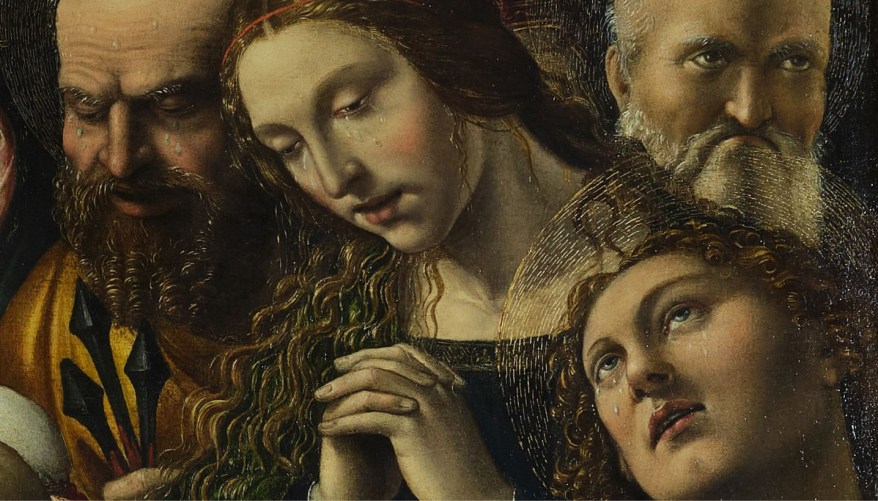
Sodoma in mostra a Torino: il Rinascimento al Museo Accorsi-Ometto
🇮🇹Al Museo di Arti Decorative Accorsi-Ometto arriva una mostra dedicata al Sodoma: oltre 50 opere, alcune mai viste prima, raccontano la formazione dell’artista e il suo dialogo con maestri come Pinturicchio… 🇬🇧An exhibition dedicated to Sodoma arrives at the Accorsi-Ometto Museum of Decorative Arts: over 50 works, some never before seen, recount the artist’s development…
-
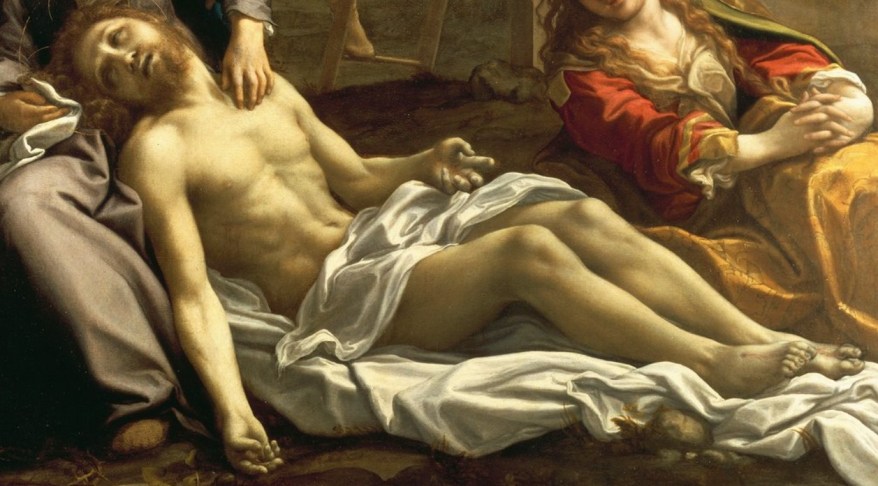
Il Compianto sul Cristo morto di Correggio: pathos e devozione
🇮🇹Con l’inizio della Settimana Santa, vi propongo il Compianto sul Cristo morto di Antonio Allegri, più noto come il Correggio: uno dei vertici assoluti della pittura emiliana del Cinquecento… 🇬🇧With the beginning of Holy Week, I propose the Lamentation over the Dead Christ by Antonio Allegri, better known as Correggio: one of the absolute peaks…
-
Furto milionario alla Magnani Rocca: rubati Renoir, Cézanne e Matisse
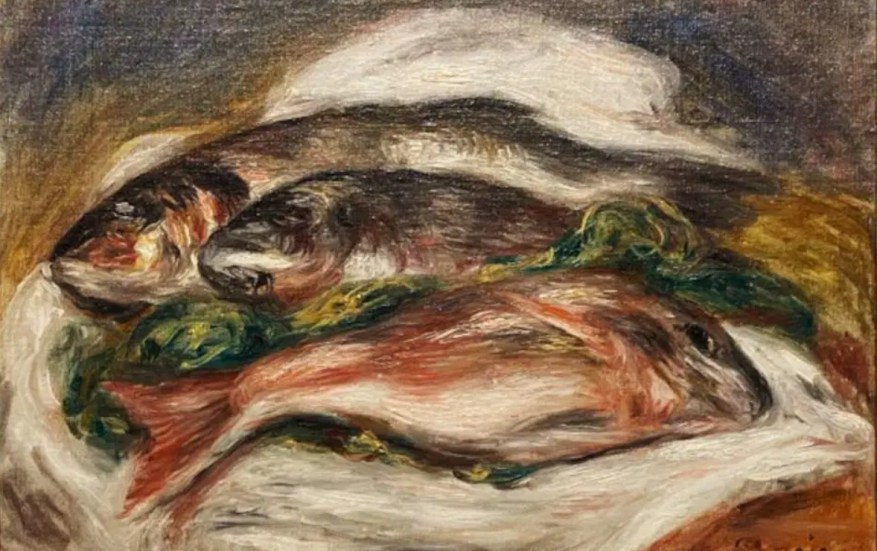
🇮🇹‼Tre capolavori storici spariti in meno di tre minuti: Les Poissons di Renoir, Tasse et plat de cerises di Cézanne e Odalisque sur la terrasse di Matisse sono stati rubati nella dalla Fondazione Magnani Rocca a Mamiano di Traversetolo, nel Parmense… 🇬🇧‼Three historic masterpieces disappeared in less than three minutes: Renoir’s Les Poissons, Cézanne’s Tasse…
Condividi:


Questo sono io





sostienici

Sostienici - Support Us
Se questo blog ti piace e ti appassiona, puoi aiutarci a farlo crescere sempre più sostenendoci in modo concreto condividendo i post, seguendo le pagine social e con un contributo che ci aiuta ad andare avanti con il nostro lavoro di divulgazione. . ENGLISH: If you like and are passionate about this blog, you can help us make it grow more and more by supporting us in a concrete way by sharing posts, following social pages and with a contribution that helps us to move forward with our dissemination work.
€10,00


