
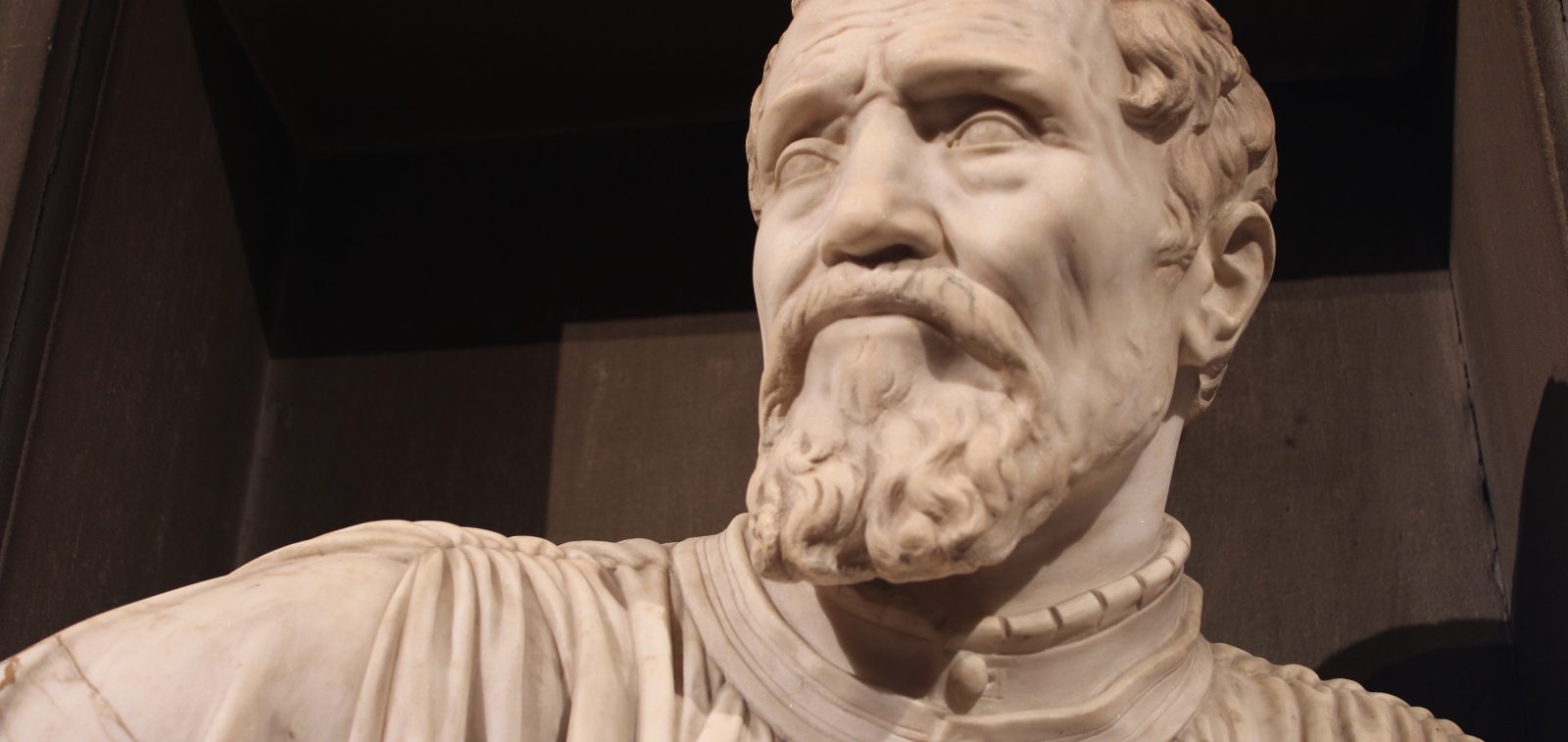
La Scultura del giorno: il Perseo preraffaellita di Pomeroy
La scultura del giorno che vi propongo oggi è il Perseo in bronzo realizzato dall’artista preraffaellita Frederick William Pomeroy, nel 1898.
L’opera, appartenente al Museo Nazionale del Galles, al momento accoglie i visitatori nella prima sala della mostra “Preraffaelliti, Rinascimento moderno” ai Musei Civici di San Domenico, Forlì e lascia intravedere alle sue spalle la Pallade e il Centauro del Botticelli.

Più spavaldo del Perseo del Cellini, quello di Pomeroy guarda gli spettatori posizionati più in basso di lui che hanno appena assistito alla decapitazione di Medusa, mostrando il frutto del suo successo: la testa della gorgone.
Compiere quell’impresa non fu una passeggiata per Perseo ma fu aiutato da Emes ed Atena che riuscirono a convincere le Naiadi a regalare all’eroe i calzari alati che Pomery fa indossare alla scultura, un elmo capace di renderlo invisibile e una borsa in pelle nella quale avrebbe dovuto mettere il capo di Medusa.

Lo scultore Pomeroy era nato a Lambeth, nei pressi di Londra. Fu suo padre scultore ad avvicinarlo al mondo dell’arte ma quando venne a mancare, nel 1869, Pomeroy aveva solo 14 anni e dovette occuparsi di mantenere la famiglia.
Ad avere una forte influenza naturalistica sul modo di scolpire e modellare di Pomery fu il suo insegnante Joule Dalou.

Nel 1880, l’artista riuscì a iscriversi alla Royal Academy Schools dove ebbe modo di approfondire gli studi e di conquistare numerosi premi comprese due medaglie d’argento nel 1882 e nel 1883 più una medaglia d’oro nel 1885 che gli consentì di iniziare un viaggio studio che lo portò da Londra a Parigi e poi in Italia.
Come accennato prima, quest’opera si trova al momento presso la mostra Preraffaelliti, Rinascimento moderno. Se volete leggere la recensione completa, la trovate QUA, con tanto di foto.
Per il momento il vostro Michelangelo Buonarroti vi saluta dandovi appuntamento ai prossimi post e sui social.
Sculpture of the day: Pomeroy’s Pre-Raphaelite Perseus
The sculpture of the day that I propose to you today is the bronze Perseus created by the Pre-Raphaelite artist Frederick Williamo Pomeroy in 1898.
The work, belonging to the National Museum of Wales, currently welcomes visitors in the first room of the exhibition “Pre-Raphaelites, Modern Renaissance” at the Civic Museums of San Domenico, Forlì and allows a glimpse of Botticelli’s Pallas and the Centaur behind it.
More bold than Cellini’s Perseus, Pomeroy’s looks at the spectators positioned lower than him who have just witnessed the decapitation of Medusa, showing the fruit of her success: the gorgon’s head.
Accomplishing that feat was no walk in the park for Perseus but he was helped by Emes and Athena who managed to convince the Naiads to give the hero the winged shoes that Pomery makes the sculpture wear, a helmet capable of making him invisible and a leather bag in the which should have placed the head of Medusa.
The sculptor Pomeroy was born in Lambeth, near London. It was his sculptor father who introduced him to the world of art but when he passed away in 1869, Pomeroy was only 14 years old and had to take care of supporting the family.
Having a strong naturalistic influence on Pomery’s way of sculpting and modeling was his teacher Joule Dalou.
In 1880, the artist managed to enroll at the Royal Academy Schools where he was able to further his studies and win numerous prizes including two silver medals in 1882 and 1883 plus a gold medal in 1885 which allowed him to start a study trip that took him from London to Paris and then to Italy.
As mentioned before, this work is currently located in the exhibition Pre-Raphaelites, Modern Renaissance. If you want to read the full review, you can find it HERE, complete with photos.
For the moment, your Michelangelo Buonarroti greets you and will meet you in future posts and on social media.

Sostienici – Support Us
Se questo blog ti piace e ti appassiona, puoi aiutarci a farlo crescere sempre più sostenendoci in modo concreto condividendo i post, seguendo le pagine social e con un contributo che ci aiuta ad andare avanti con il nostro lavoro di divulgazione. . ENGLISH: If you like and are passionate about this blog, you can help us make it grow more and more by supporting us in a concrete way by sharing posts, following social pages and with a contribution that helps us to move forward with our dissemination work.
8,00 €
-
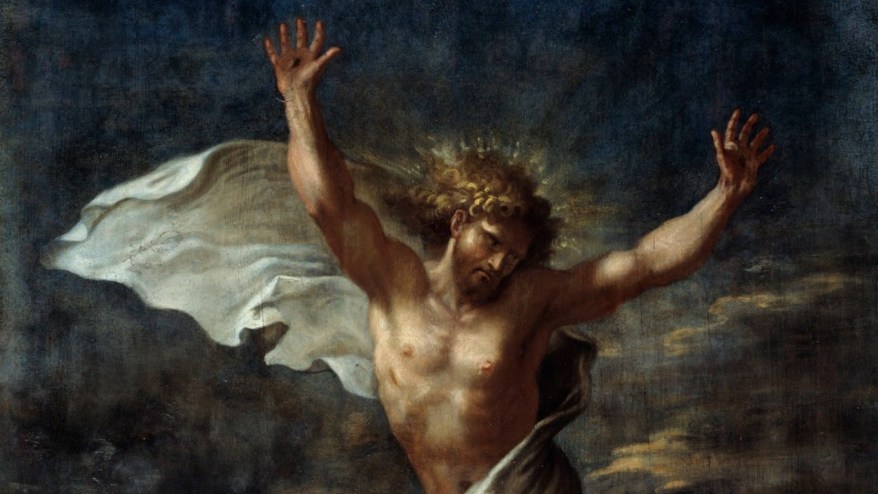
Il Cristo Risorto di Salvator Rosa: il capolavoro pasquale del Musée Condé
🇮🇹 Il Cristo Risorto di Salvator Rosa, conservato al Musée Condé di Chantilly, è un’opera intensa, drammatica, lontana dalle immagini tradizionali della resurrezione. Potente, umano, quasi inquieto, Cristo emerge dalle tenebre… 🇬🇧 Salvator Rosa’s Risen Christ, housed at the Musée Condé in Chantilly, is an intense, dramatic work, far removed from traditional images of the…
-
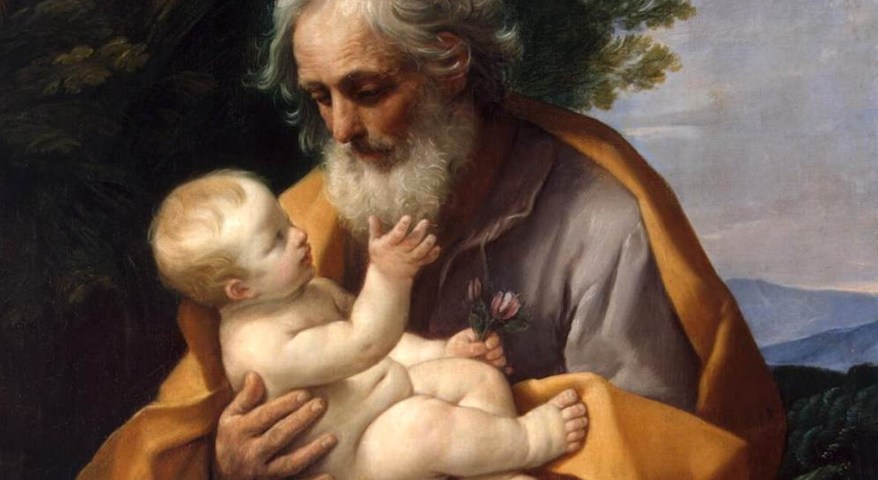
19 marzo, San Giuseppe: il dipinto di Guido Reni
🇮🇹 19 marzo: San Giuseppe. C’è un’immagine che, più di tante parole, racconta la paternità fatta di silenzio, cura e amore. È San Giuseppe col Bambino di Guido Reni, uno dei capolavori più intensi del Seicento… 🇬🇧 March 19: Saint Joseph. There is an image that, more than many words, tells of a fatherhood made…
-
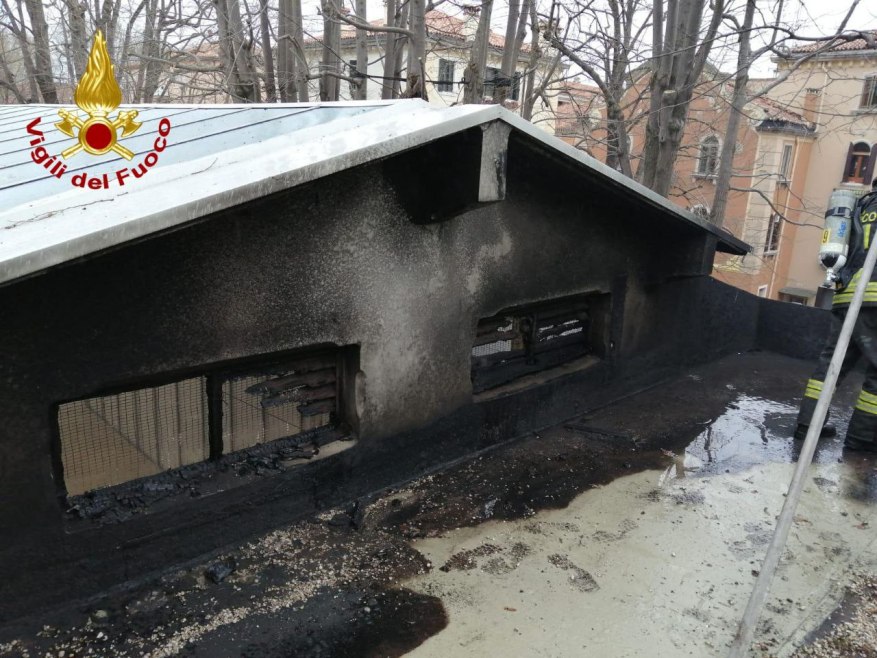
Incendio alla copertura di un padiglione della Biennale di Venezia: fiamme domate dai vigili del fuoco
🇮🇹Paura nella mattinata a Venezia: intervento tempestivo dei vigili del fuoco evita conseguenze più gravi. In corso la messa in sicurezza dell’area… 🇬🇧 Fear in the morning in Venice: timely intervention by firefighters averted more serious consequences. The area is being secured…
Condividi:


Questo sono io





sostienici

Sostienici – Support Us
Se questo blog ti piace e ti appassiona, puoi aiutarci a farlo crescere sempre più sostenendoci in modo concreto condividendo i post, seguendo le pagine social e con un contributo che ci aiuta ad andare avanti con il nostro lavoro di divulgazione. . ENGLISH: If you like and are passionate about this blog, you can help us make it grow more and more by supporting us in a concrete way by sharing posts, following social pages and with a contribution that helps us to move forward with our dissemination work.
€10,00


bellissimo, una postura impressionante che mostra una fierezza viva, quella cicatrice (almeno così sembra) sul fianco lo fa sembrare più umano nonostante i suoi natali
"Mi piace"Piace a 1 persona
molto bella si
"Mi piace"Piace a 1 persona