
Rubens a Palazzo Te: Pittura, Trasformazione e Libertà
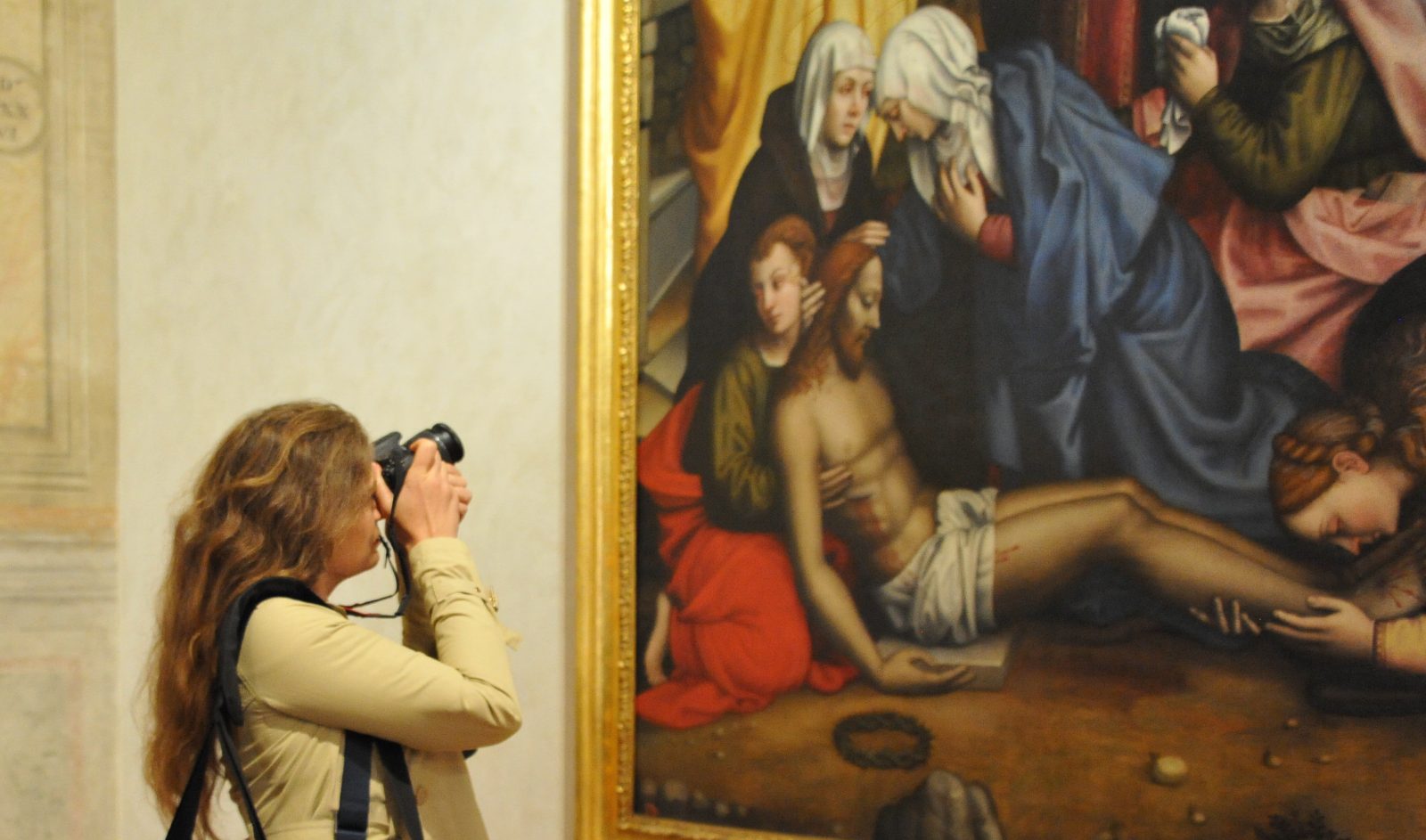
La Fondazione Palazzo Te presenta la mostra “Rubens a Palazzo Te: Pittura, Trasformazione e Libertà”, che ha aperto i battenti al pubblico il 7 ottobre e proseguirà fino al 7 gennaio 2024 nella suggestiva villa giuliesca a Mantova.
Curata da Raffaella Morselli con la collaborazione di Cecilia Paolini, l’esposizione offre una straordinaria opportunità di esplorare il percorso artistico del maestro fiammingo.
L’esposizione si concentra sulle suggestioni intellettuali rinascimentali elaborate durante gli anni trascorsi da Rubens a Mantova e in Italia, e su come queste abbiano influenzato la pittura della sua maturità. Il risultato è un’innovativa fusione tra le influenze italiane e fiamminghe, che ha permesso a Rubens di creare un linguaggio artistico universale capace di comunicare con tutte le corti d’Europa.
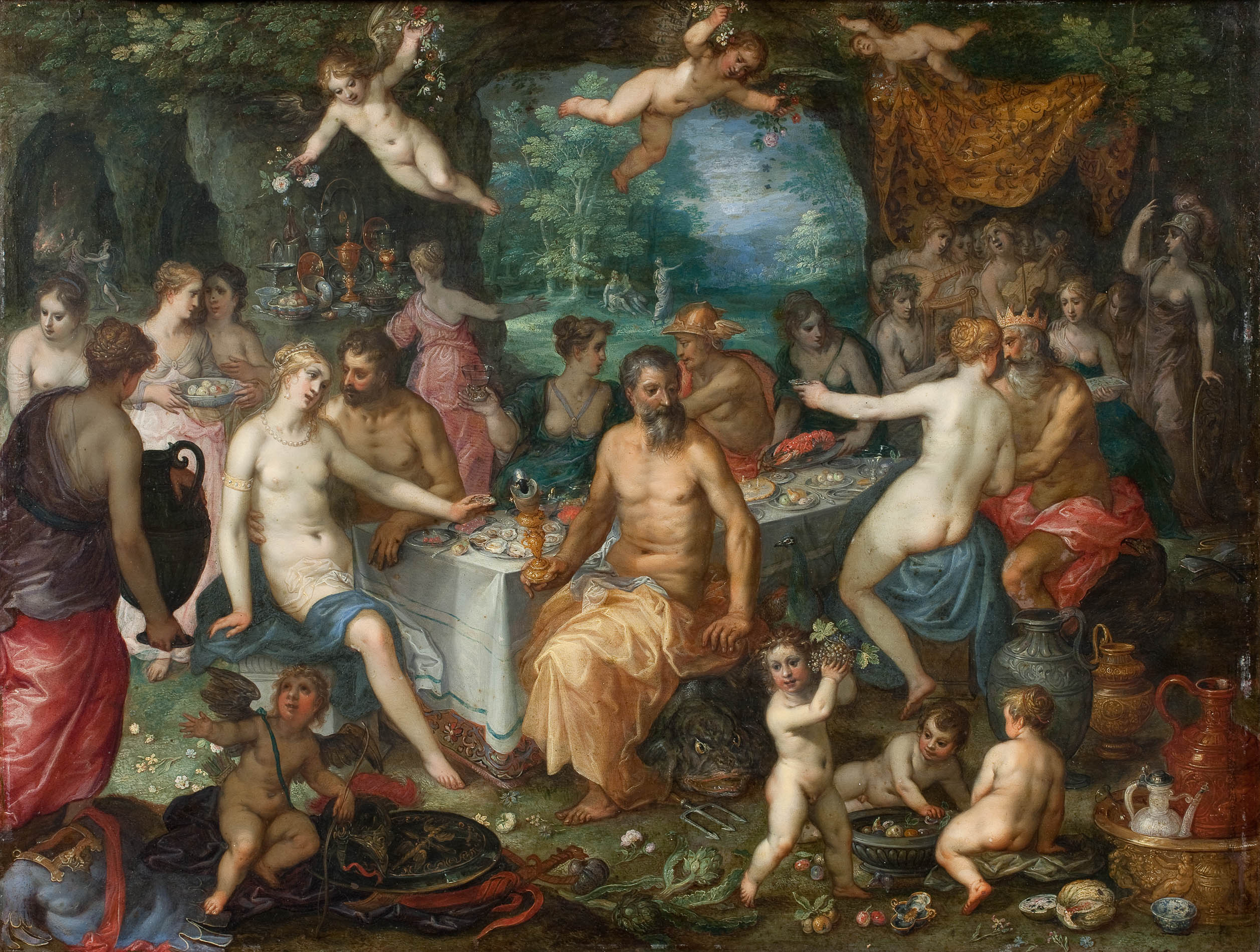
Le opere in mostra a Palazzo Te mettono in evidenza il dialogo tra Rubens e i miti, nonché l’interpretazione di Giulio Romano, artista rinascimentale italiano di grande rilievo. La sinergia tra Rubens e il Rinascimento, insieme alla presenza costante dei temi mitologici, ha fornito al maestro fiammingo una fonte inesauribile di ispirazione per la sua arte.
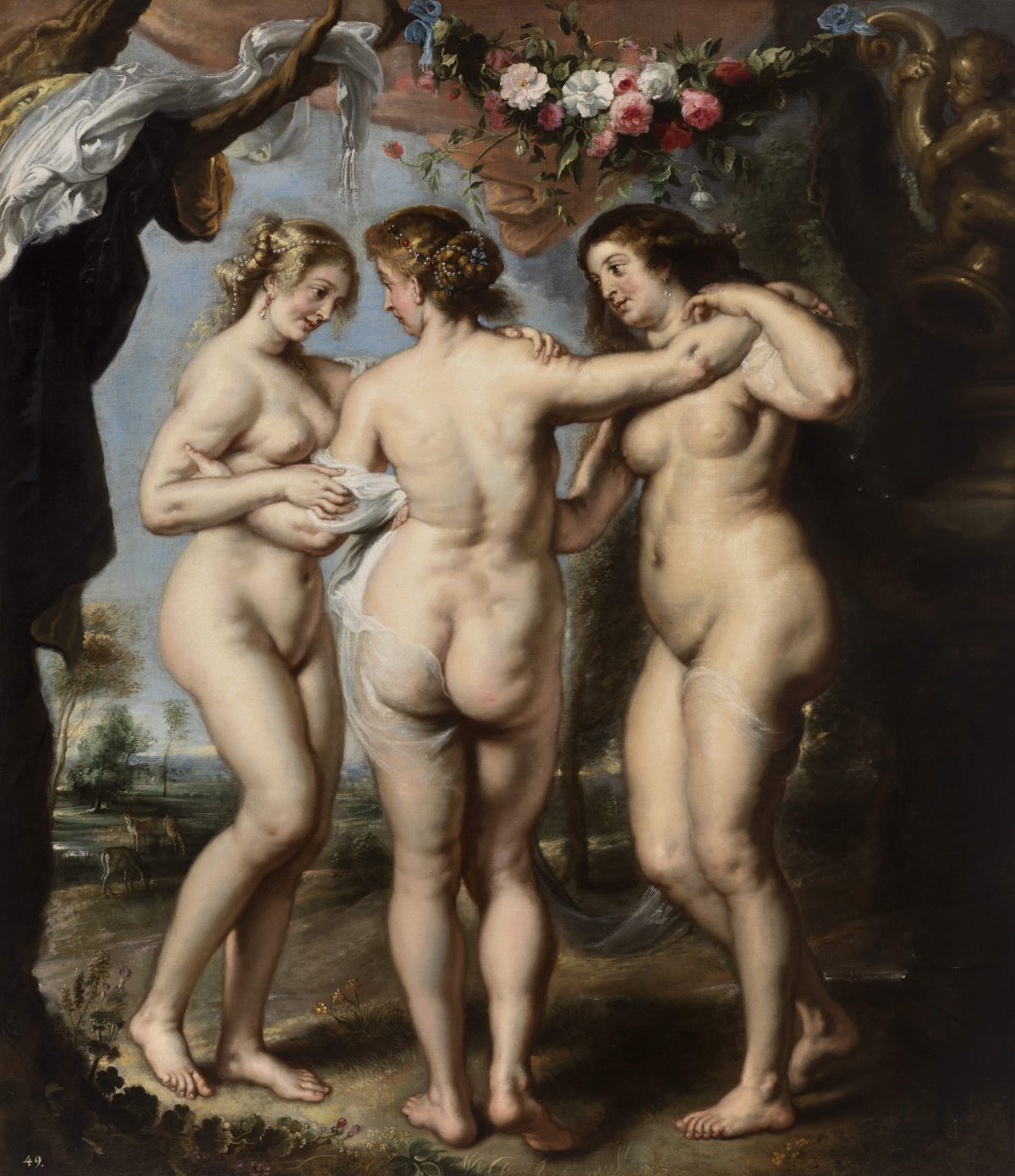
Rubens è riuscito a trasformare il suo mondo in un linguaggio visivo che potesse parlare a tutte le corti europee, creando così una lingua figurativa europea, la prima nella storia dell’arte.
La mostra si sviluppa in dodici sezioni che seguono l’itinerario del museo, approfondendo le tematiche più affascinanti e prolifiche del pensiero rubensiano. Dall’epica mitologia all’idillio della natura, dalla rappresentazione del potere alla storia romana e alla filosofia che genera civiltà, ogni sezione offre una prospettiva unica sulla mente e l’opera di Rubens.
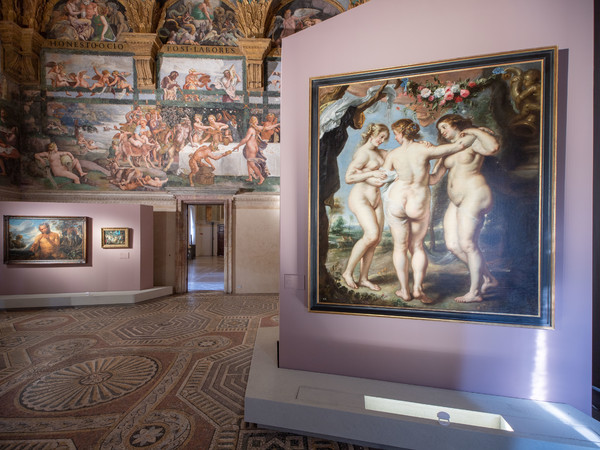
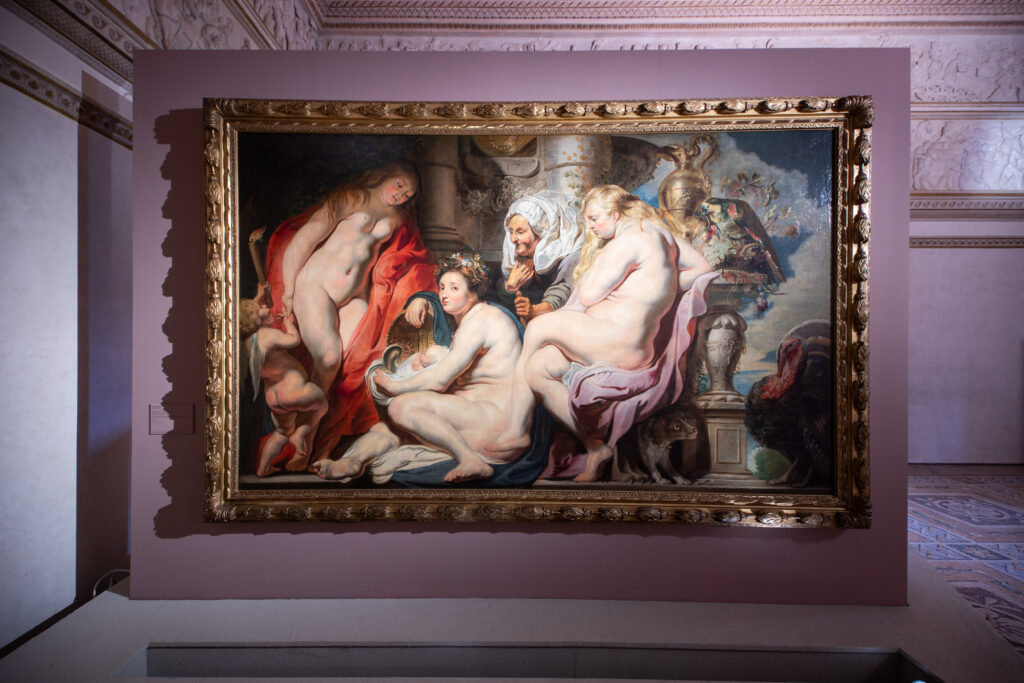
Più di cinquanta opere, provenienti dai più prestigiosi musei italiani e internazionali tra cui il Musée du Louvre, il Museo Nacional del Prado, la National Gallery of Denmark e il Royal Museum of Fine Arts di Anversa, saranno esposte durante l’evento. Accanto a quindici importanti opere di Rubens, tra cui capolavori come “Achille scoperto da Ulisse tra le figlie di Licomede” del Prado, “Cristo sulla croce” del KMSKA e “Romolo e Remo allattati dalla lupa” dei Musei Capitolini, saranno presenti una collezione di incisioni provenienti dall’Istituto della Grafica di Roma, disegni di Giulio Romano dal Louvre e la serie completa della decorazione del salone principale della casa di Jacob Jordaens.
Non mancheranno tele di altri grandi artisti legati a Rubens come Jan Brueghel il Vecchio, Theodor van Thulden, Sebastian Vrancx e David Teniers il Giovane, che offriranno uno sguardo approfondito alla rete di collaborazioni che hanno caratterizzato il mondo artistico di quell’epoca.
La mostra “Rubens a Palazzo Te: Pittura, Trasformazione e Libertà” rappresenta un evento imperdibile per gli amanti dell’arte e un’occasione unica per immergersi nell’universo creativo di uno dei più grandi artisti. Lasciatevi affascinare dalla maestria e dalla libertà espressiva di Rubens mentre scoprite il suo straordinario percorso artistico presso Palazzo Te.
Per il momento il vostro Michelangelo Buonarroti vi saluta dandovi appuntamento ai prossimi post e sui social.
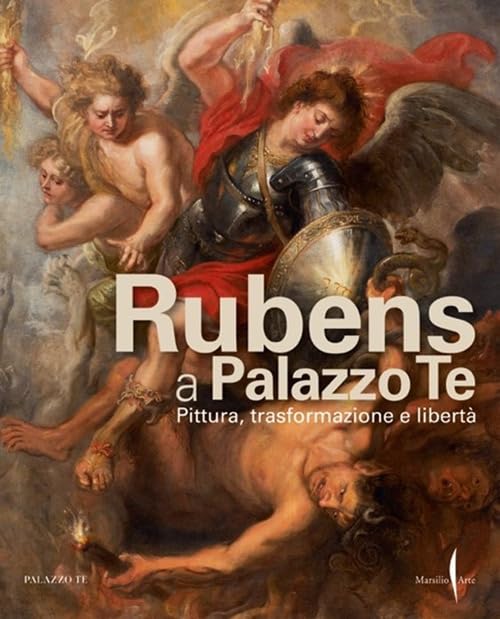
Rubens at Palazzo Te: Painting, Transformation and Freedom
The Palazzo Te Foundation presents the exhibition “Rubens at Palazzo Te: Painting, Transformation and Freedom”, which opened its doors to the public on 7 October and will continue until 7 January 2024 in the evocative Giuliesca villa in Mantua.
Curated by Raffaella Morselli with the collaboration of Cecilia Paolini, the exhibition offers an extraordinary opportunity to explore the artistic path of the Flemish master.
The exhibition focuses on the Renaissance intellectual suggestions developed during the years Rubens spent in Mantua and Italy, and on how these influenced the painting of his maturity. The result is an innovative fusion between Italian and Flemish influences, which allowed Rubens to create a universal artistic language capable of communicating with all the courts of Europe.
The works on display at Palazzo Te highlight the dialogue between Rubens and the myths, as well as the interpretation of Giulio Romano, a very important Italian Renaissance artist. The synergy between Rubens and the Renaissance, together with the constant presence of mythological themes, provided the Flemish master with an inexhaustible source of inspiration for his art.
Rubens managed to transform his world into a visual language that he could speak to all the European courts, thus creating a European figurative language, the first in the history of art.
The exhibition is divided into twelve sections that follow the itinerary of the museum, delving into the most fascinating and prolific themes of Rubensin’s thought. From epic mythology to the idyll of nature, from the representation of power to Roman history and the philosophy that generates civilization, each section offers a unique perspective on the mind and work of Rubens.
More than fifty works, coming from the most prestigious Italian and international museums including the Musée du Louvre, the Museo Nacional del Prado, the National Gallery of Denmark and the Royal Museum of Fine Arts in Antwerp, will be exhibited during the event. Alongside fifteen important works by Rubens, including masterpieces such as “Achilles discovered by Ulysses among the daughters of Lycomedes” from the Prado, “Christ on the Cross” from the KMSKA and “Romulus and Remus suckled by the she-wolf” from the Capitoline Museums, there will be a collection of engravings from the Graphics Institute of Rome, drawings by Giulio Romano from the Louvre and the complete series of the decoration of the main hall of Jacob Jordaens’ house.
There will be no shortage of canvases by other great artists linked to Rubens such as Jan Brueghel the Elder, Theodor van Thulden, Sebastian Vrancx and David Teniers the Younger, who will offer an in-depth look at the network of collaborations that characterized the artistic world of that era.
The exhibition “Rubens at Palazzo Te: Painting, Transformation and Freedom” represents an unmissable event for art lovers and a unique opportunity to immerse yourself in the creative universe of one of the greatest masters of Baroque art. Let yourself be fascinated by Rubens’ mastery and freedom of expression as you discover his extraordinary artistic journey at Palazzo Te.
For the moment, your Michelangelo Buonarroti greets you and will meet you in future posts and on social media.

Sostienici – Support Us
Se questo blog ti piace e ti appassiona, puoi aiutarci a farlo crescere sempre più sostenendoci in modo concreto condividendo i post, seguendo le pagine social e con un contributo che ci aiuta ad andare avanti con il nostro lavoro di divulgazione. . ENGLISH: If you like and are passionate about this blog, you can help us make it grow more and more by supporting us in a concrete way by sharing posts, following social pages and with a contribution that helps us to move forward with our dissemination work.
8,00 €
-
Frammento dell’Iliade in una mummia in Egitto: scoperta straordinaria a Oxyrhynchus
🇮🇹Ritrovato a Oxyrhynchus un papiro con il “Catalogo delle navi” di Omero inserito intenzionalmente in un rituale di mummificazione: un caso unico nel mondo antico… 🇬🇧A papyrus containing Homer’s “Catalogue of Ships” intentionally inserted into a mummification ritual was found in Oxyrhynchus: a unique case in the ancient world…
-
Firenze shock: si arrampica sul Biancone e danneggia la fontana del Nettuno
🇮🇹Firenze, turista si arrampica sul Biancone dell’Ammannati: danneggiamenti alle zampe dei cavalli della fontana e a un fregio… 🇬🇧Florence, a tourist climbs Ammannati’s Biancone fountain: damage to the fountain’s horses’ hooves and a frieze…
-
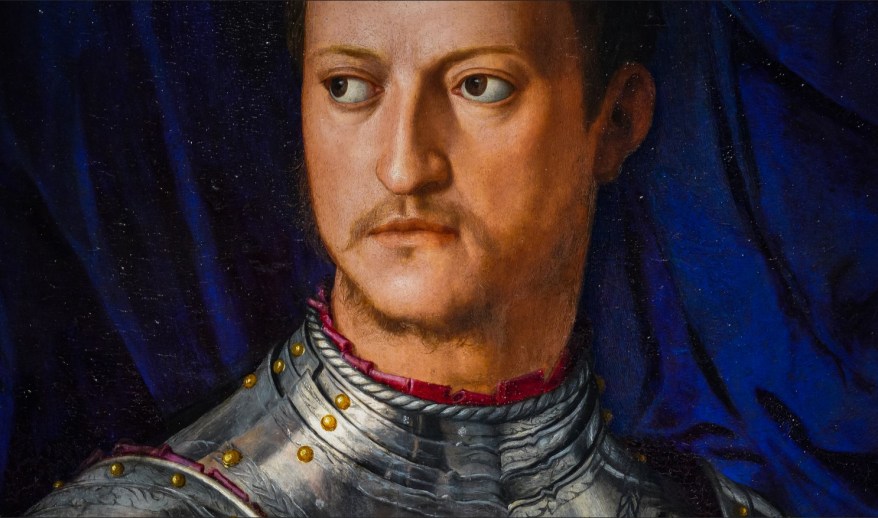
21 aprile 1574: muore Cosimo I de’ Medici, l’uomo che trasformò Firenze in una potenza europea
🇮🇹Il 21 aprile 1574, nella Villa di Castello, moriva a 54 anni Cosimo I de’ Medici, il primo granduca di Toscana, capace di cambiare per sempre il destino politico e culturale di Firenze… 🇬🇧On April 21, 1574, at the Villa di Castello, Cosimo I de’ Medici, the first Grand Duke of Tuscany, died at the…
Condividi:


Questo sono io





sostienici

Sostienici – Support Us
Se questo blog ti piace e ti appassiona, puoi aiutarci a farlo crescere sempre più sostenendoci in modo concreto condividendo i post, seguendo le pagine social e con un contributo che ci aiuta ad andare avanti con il nostro lavoro di divulgazione. . ENGLISH: If you like and are passionate about this blog, you can help us make it grow more and more by supporting us in a concrete way by sharing posts, following social pages and with a contribution that helps us to move forward with our dissemination work.
€10,00


avevo visitato Palazzo Te un paio di anni fa, straordinaria questa location, immagino ora con la nuova mostra 👏👏👏👏😊👍👍👍👍
"Mi piace"Piace a 1 persona
eh si un luogo straordinario e una mostra assai interessante :-*
"Mi piace"Piace a 1 persona