
Ritrovati manufatti in vetro integri di 2mila anni fa al largo della Capraia
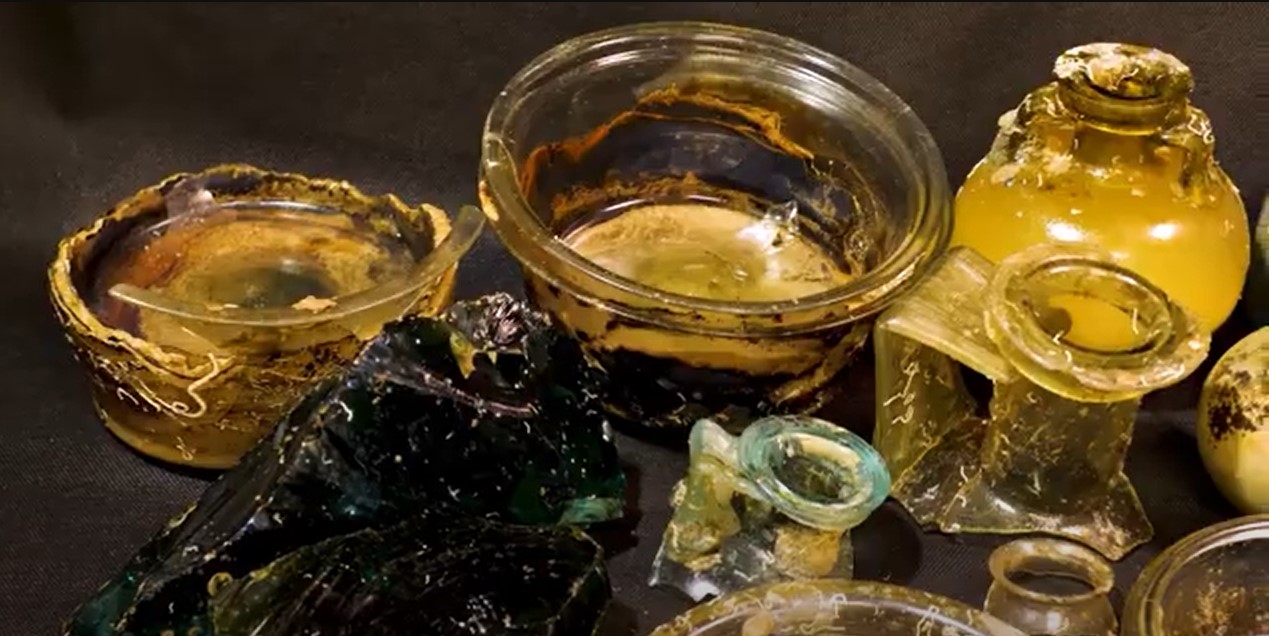
Nel Mar Mediterraneo, a oltre 350 metri di profondità, è stato rinvenuto in importante tesoro di vetro soffiato comprensivo di bottiglie, coppe ma anche unguentari e vasi risalenti a 2mila anni fa, perfettamente conservati.
Grazie a una missione italo-francese condotta da archeologhe subacquee, sono stati ritrovati al largo, fra l’isola della Capraia e la zona di Capo Corso della Corsica, manufatti in vetro.

Colato a picco con la nave romana che lo trasportava fra la fine del Primo e l’inizio del Secondo secolo dopo Cristo, il carico di vetro è composto sia da manufatti soffiati che da blocchi grezzi
Si pensa che la nave provenisse da un porto del Medio Oriente, della Siria o del Libano, e si stesse dirigendo verso la costa francese della Provenza.
La nave affondata era stata già individuata qualche anno fa ma solo recentemente è stato possibile recuperarne il preziosissimo carico, mediante l’utilizzo di due robot archeo-subacquei di ultima generazione, specializzati nella documentazione e nel recupero di oggetti in acque profonde.
Il recupero è il frutto della stretta collaborazione del Département des Recherches Archéologiques subaquatiques et sous-marine diretto dall’archeologa Franca Cibecchini e Inrap, con l’archeologa Souen Fontaine, specialista di vetri antichi.

Per il momento il vostro Michelangelo Buonarroti vi saluta dandovi appuntamento ai prossimi post e sui social.
Intact glass artifacts from 2,000 years ago have been found off the coast of Capraia
In the Mediterranean Sea, at a depth of over 350 metres, it was found in an important treasure of formed glass including bottles, cups but also ointments and vases dating back to 2 thousand years ago, perfectly preserved.
Thanks to an Italian-French mission conducted by underwater archaeologists, glass artefacts were found off the coast between the island of Capraia and the Corsican Cape area.
Sank with the Roman ship that transported them between the end of the first and the beginning of the second century after Christ, the cargo of glass is made up of both blown artefacts and rough blocks
The ship is thought to have come from a port in the Middle East, Syria or Lebanon, and was heading for the French coast of Provence.
The sunken ship had already been identified a few years ago but only recently has it been possible to recover its precious cargo, through the use of two latest generation archaeo-underwater robots, specialized in the documentation and recovery of objects in deep waters.
The recovery is the result of the close collaboration of the Département des Recherches Archéologiques subaquatiques et sous-marine directed by the archaeologist Franca Cibecchini and Inrap, with the archaeologist Souen Fontaine, a specialist in ancient glass.
For the moment, your Michelangelo Buonarroti greets you by making an appointment for the next posts and on social media.

Sostienici – Support Us
Se questo blog ti piace e ti appassiona, puoi aiutarci a farlo crescere sempre più sostenendoci in modo concreto condividendo i post, seguendo le pagine social e con un contributo che ci aiuta ad andare avanti con il nostro lavoro di divulgazione. . ENGLISH: If you like and are passionate about this blog, you can help us make it grow more and more by supporting us in a concrete way by sharing posts, following social pages and with a contribution that helps us to move forward with our dissemination work.
8,00 €
-
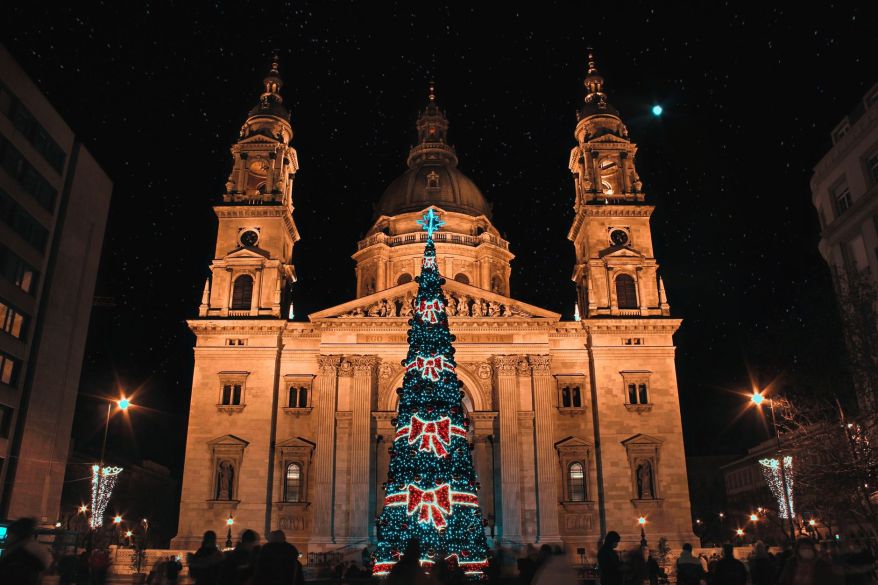
Le 10 città d’arte europee più belle da visitare a Natale: musei e luoghi da non perdere
🇮🇹Quali città d’arte europee visitare a Natale? Da Vienna a Parigi, da Praga a Bruges, 10 mete tra mercatini, musei, capolavori e atmosfere da fiaba… 🇬🇧Which European cities of art should you visit at Christmas? From Vienna to Paris, from Prague to Bruges—10 destinations featuring Christmas markets, museums, masterpieces, and a fairytale atmosphere…
-
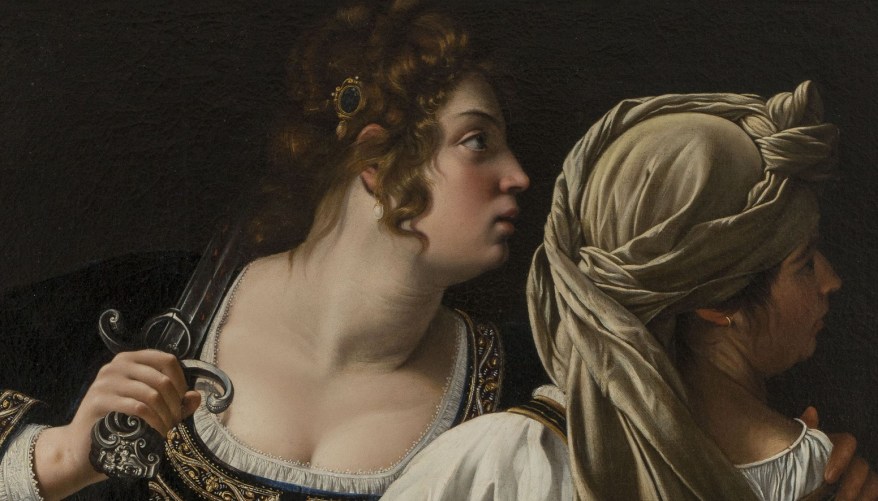
Artemisia Gentileschi a Firenze: la storia, le opere e la mostra agli Innocenti fino al 2027
🇮🇹Artemisia Gentileschi a Firenze: dalle commissioni dei Medici all’Allegoria dell’Inclinazione di Casa Buonarroti. La storia e la mostra agli Innocenti… 🇬🇧Artemisia Gentileschi in Florence: from commissions by the Medici to the *Allegory of Inclination* at Casa Buonarroti. The story and the exhibition at the Ospedale degli Innocenti…
-
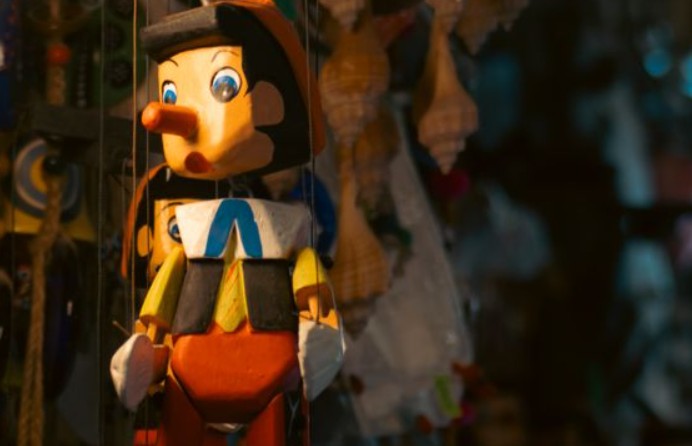
26 ottobre 1890: muore Carlo Collodi, lo scrittore toscano che inventò Pinocchio
Il 26 ottobre 1890 moriva a Firenze Carlo Collodi, autore di Pinocchio. Dalla prima pubblicazione nel 1881 al successo mondiale del burattino…
Condividi:


Questo sono io




sostienici

Sostienici – Support Us
Se questo blog ti piace e ti appassiona, puoi aiutarci a farlo crescere sempre più sostenendoci in modo concreto condividendo i post, seguendo le pagine social e con un contributo che ci aiuta ad andare avanti con il nostro lavoro di divulgazione. . ENGLISH: If you like and are passionate about this blog, you can help us make it grow more and more by supporting us in a concrete way by sharing posts, following social pages and with a contribution that helps us to move forward with our dissemination work.
€10,00


