
La Scultura del giorno: la figlia di Jephtha di Bradley Ives
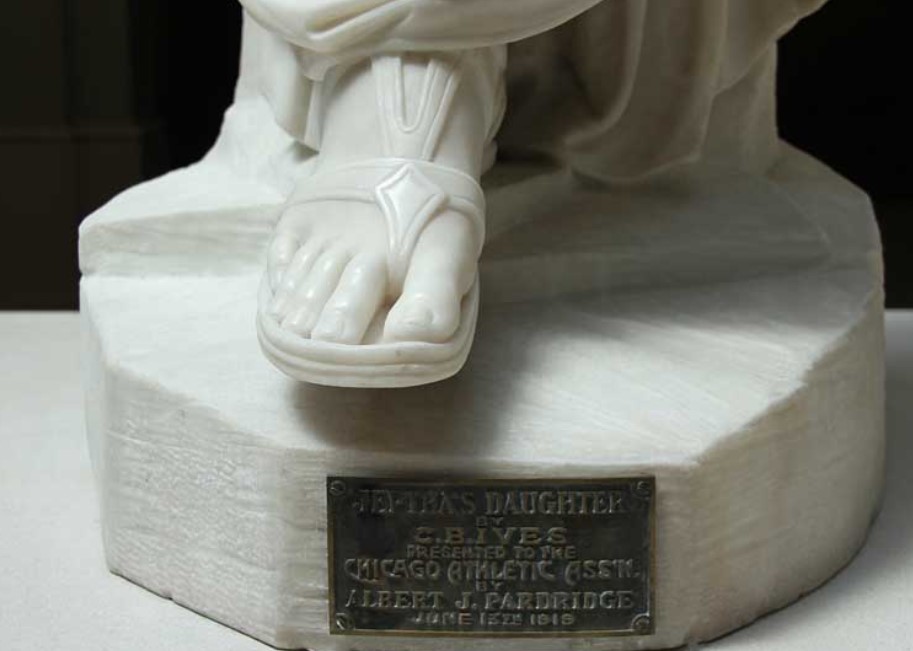
La scultura del giorno che vi propongo oggi è la Figlia di Jephtha, realizzata nel 1867 da Chauncey Bradley Ives.
Questa raffinata opera rappresenta uno dei personaggi del libro dei Giudici dell’Antico testamento.
Iefte, l’israelita impegnato nella guerra contro gli Ammoniti, promise a Dio che se il suo esercito fosse stato vittorioso, avrebbe sacrificato chiunque lo avesse incontrato al suo ritorno dalla battaglia.
Una promessa fatta a discapito del sangue altrui. Alla fine di quella sanguinosa battaglia, l’esercito capitanato da Iefte vinse ma quando fece ritorno a casa non incontrò nessuno sul suo cammino.
Arrivato nella propria dimora ad accoglierlo fu la sua unica figlia ad accoglierlo: Seila, figlia non ancora sposata.
Lo scultore statunitense Chauncey Bradley Ives ritrae la giovane donna già consapevole del fatto che di lì a poco sarà uccisa per mano del padre che aveva promesso il suo sacrificio a Dio in caso di vittoria.
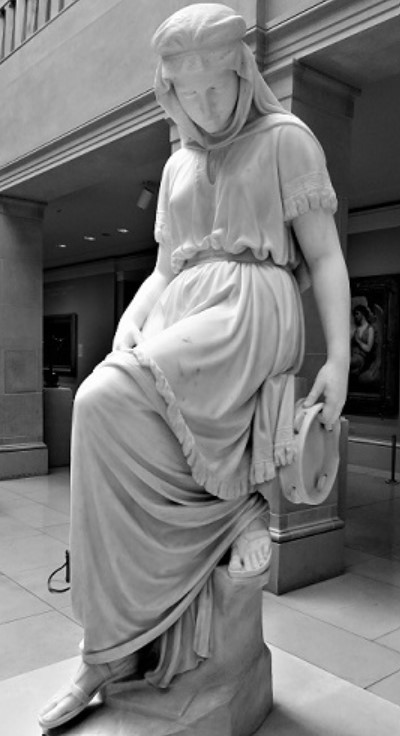
Il tamburello che tiene fra le mani oramai non suonerà più e le spalle abbassate denotano tutto il peso che la giovane deve portare.
Per il pubblico ottocentesco, la rappresentazione di questa figura era la celebrazione di un’eroina che manifestava tutto il suo coraggio tragico. Casta e pura, obbediva al suo destino. Insomma, la celebrazione di una vittima totalmente innocente.
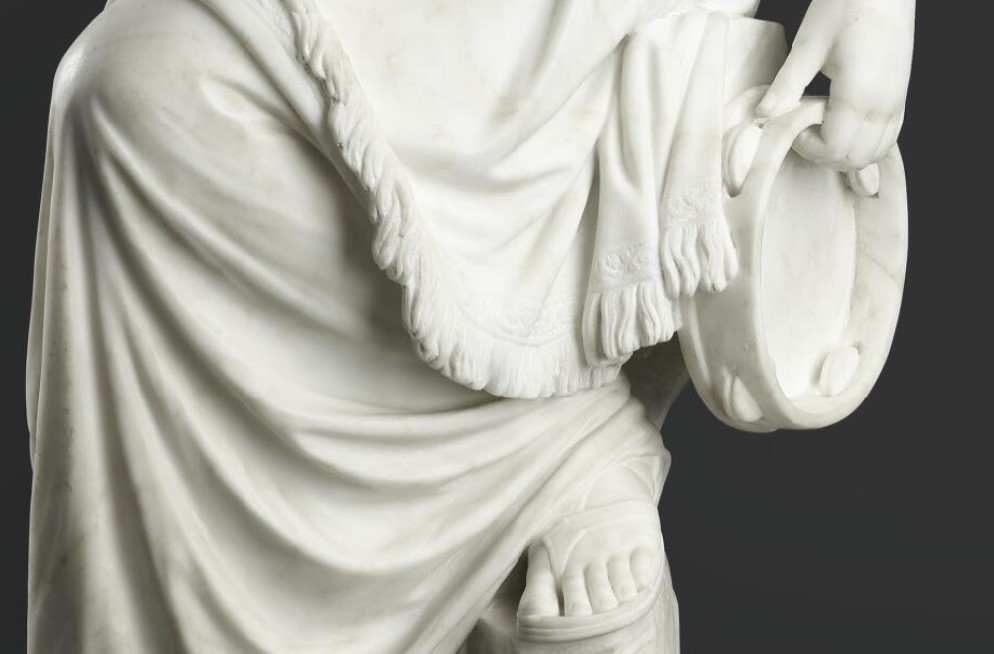
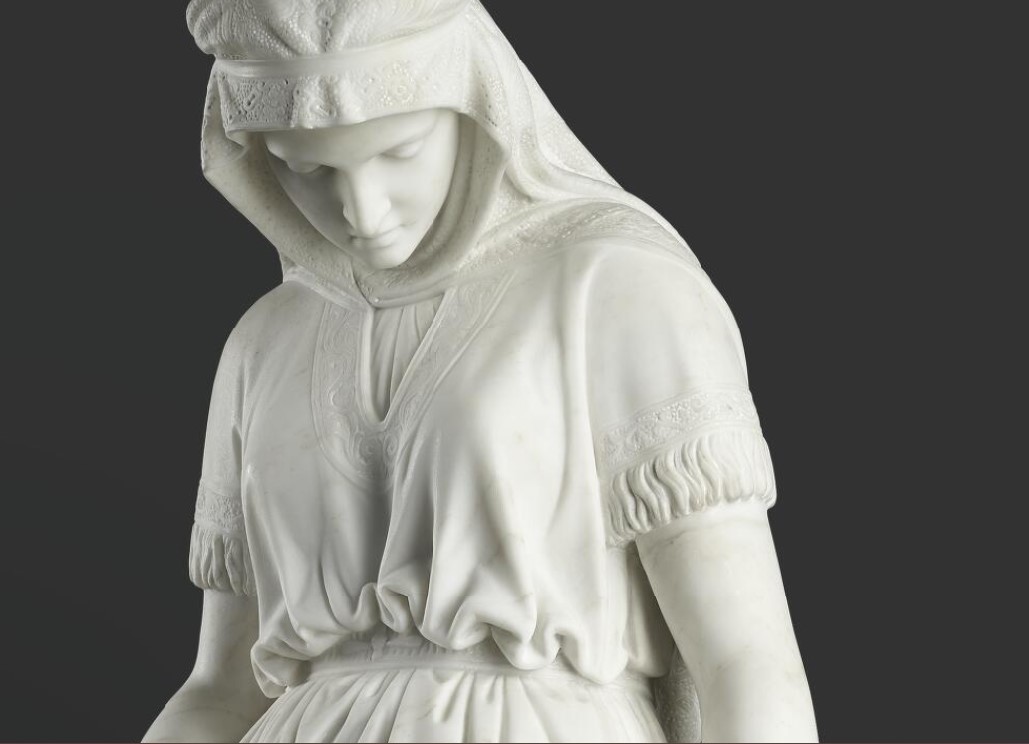
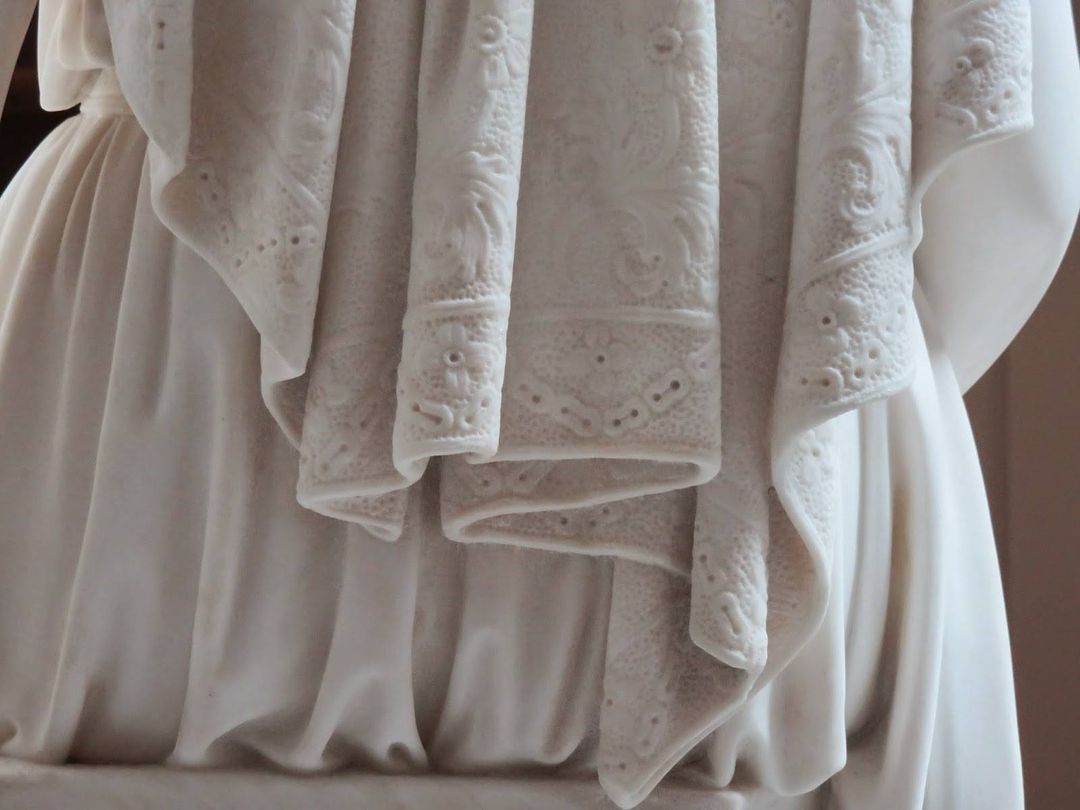
Questa scultura appartiene all’Art Institute of Chicago e stupisce per l’accuratezza che ebbe l’artista nel riprodurre i ricami sulla veste e la lavorazione del velo finemente decorato.
Le frange che bordano le maniche e parte dell’abito sembrano essere in movimento e seguono l’andamento del corpo della giovane.
Per il momento il vostro Michelangelo Buonarroti vi saluta dandovi appuntamento ai prossimi post e sui social.
Sculpture of the day: Daughter of Jephtha by Bradley Ives
The sculpture of the day that I propose to you today is the Daughter of Jephtha, created in 1867 by Chauncey Bradley Ives.
This refined work represents one of the characters of the Old Testament book of Judges.
Jephthah, the Israelite engaged in the war against the Ammonites, promised God that if his army were victorious, he would sacrifice anyone who met him when he returned from battle.
A promise made at the expense of other people’s blood. At the end of that bloody battle, the army led by Jephthah won but when he returned home he met no one in his path.
Arrived at his home to welcome him was his only daughter to welcome him: Seila, daughter not yet married.
The American sculptor Chauncey Bradley Ives portrays the young woman already aware of the fact that soon she will be killed by the hand of her father who had promised her sacrifice to God in case of victory.
Arrived at his home to welcome him was his only daughter to welcome him: Seila, daughter not yet married.
The American sculptor Chauncey Bradley Ives portrays the young woman already aware of the fact that soon she will be killed by the hand of her father who had promised her sacrifice to God in case of victory.
This sculpture belongs to the Art Institute of Chicago and amazes for the accuracy that the artist had in reproducing the embroidery on the dress and the workmanship of the finely decorated veil.
The fringes that border the sleeves and part of her dress seem to be in motion and follow the trend of the young woman’s body.
For the moment, your Michelangelo Buonarroti greets you by making an appointment for the next posts and on social media.

Sostienici – Support Us
Se questo blog ti piace e ti appassiona, puoi aiutarci a farlo crescere sempre più sostenendoci in modo concreto condividendo i post, seguendo le pagine social e con un contributo che ci aiuta ad andare avanti con il nostro lavoro di divulgazione. . ENGLISH: If you like and are passionate about this blog, you can help us make it grow more and more by supporting us in a concrete way by sharing posts, following social pages and with a contribution that helps us to move forward with our dissemination work.
8,00 €
-
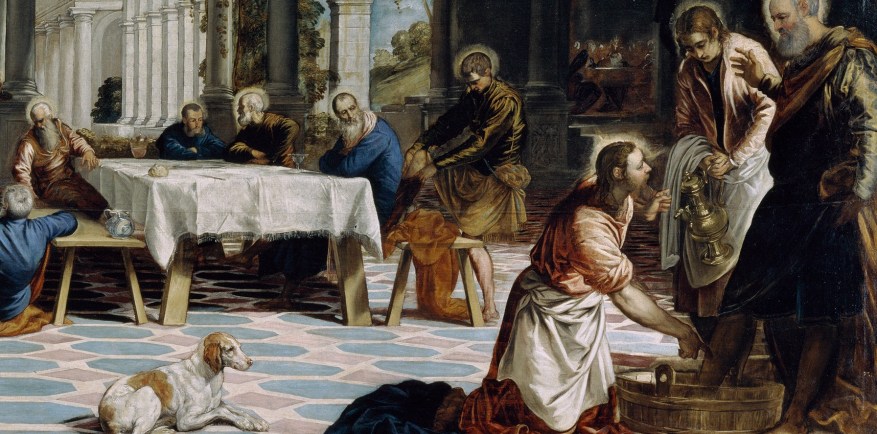
La Lavanda dei Piedi di Tintoretto: Il Capolavoro Veneziano al Prado
🇮🇹Tra i capolavori più affascinanti del Rinascimento veneziano, “La Lavanda dei Piedi” di Jacopo Tintoretto rappresenta un perfetto equilibrio tra spiritualità, innovazione compositiva e straordinaria forza narrativa… 🇬🇧Among the most fascinating masterpieces of the Venetian Renaissance, Jacopo Tintoretto’s “The Washing of the Feet” represents a perfect balance between spirituality, compositional innovation, and extraordinary narrative force…
-
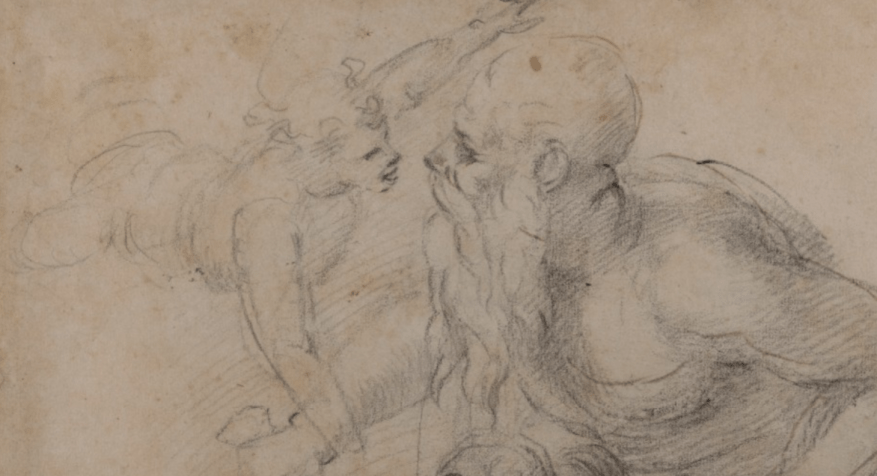
Il Sacrificio di Isacco e quel momento tra la vita e la morte
🇮🇹Oggi voglio raccontarvi alcuni dettagli sul mio disegno del Sacrificio di Isacco, conservato oggi a Casa Buonarroti. Su quel foglio volli tracciare il momento preciso in cui la paura fa spazio al miracolo… 🇬🇧Today I want to tell you some details about my drawing of the Sacrifice of Isaac, now preserved at Casa Buonarroti. On…
-
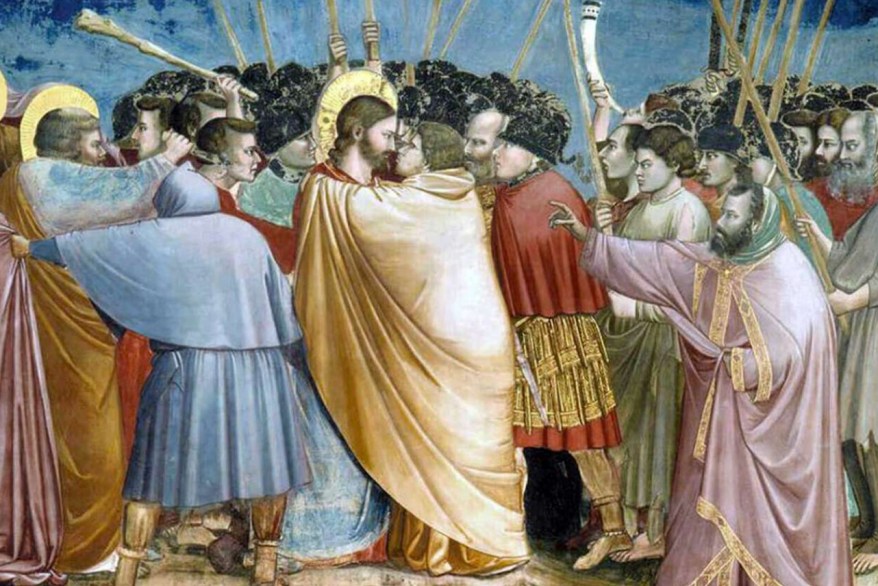
Mercoledì Santo: il giorno del tradimento di Giuda affrescato da Giotto
🇮🇹Il Mercoledì Santo è il giorno del silenzio, della riflessione e del tradimento. È il momento in cui Giuda sceglie di vendere Gesù per trenta denari, segnando uno dei passaggi più dolorosi della Settimana Santa…. 🇬🇧Holy Wednesday is a day of silence, reflection, and betrayal. ✝It is the moment when Judas chooses to sell Jesus…
Condividi:


Questo sono io





sostienici

Sostienici – Support Us
Se questo blog ti piace e ti appassiona, puoi aiutarci a farlo crescere sempre più sostenendoci in modo concreto condividendo i post, seguendo le pagine social e con un contributo che ci aiuta ad andare avanti con il nostro lavoro di divulgazione. . ENGLISH: If you like and are passionate about this blog, you can help us make it grow more and more by supporting us in a concrete way by sharing posts, following social pages and with a contribution that helps us to move forward with our dissemination work.
€10,00


