

La Scultura del giorno: il Vento dell’Ovest di Thomas Ridgeway Gould
La scultura del giorno che vi propongo oggi è l’opera ottocentesca di Tomas Ridgeway Gould: il Vento dell’Ovest o detta all’americana, The West Wind.
Ridgeway Gould era nato a Boston il 5 novembre del 1818 e a differenza di altri artisti, da ragazzino il suo talento non era così preponderante ed evidente. Lavorò assieme a suo fratello nel settore del commercio e intanto, già adulto, iniziò a studiare scultura.

Dopo la guerra civile americana perse quanto aveva guadagnato fino ad allora col fratello e nel 1868, assieme a tutta la famiglia, si trasferì a Firenze dove continuò a lavorare e studiare.
L’opera Il Vento dell’Ovest fu ultimata dall’artista nel 1870, solo due anni dopo del suo arrivo a Firenze ed è la sua scultura più celebre. La scultura fu esposta al Centennial Exhibition di Filadelphia nel 1876 e riscosse un enorme successo popolare tanto che ne realizzò sette repliche con dimensioni differenti.

Grazie a questa scultura, l’artista ritrovò una buona stabilità economica. Gould visse per il resto della sua vita a Firenze riuscendo a tornare a Boston, sua città natale, solo due volte prima di morire nel 1881.
Ma qual è il significato del Vento dell’Ovest?
Gould per scolpire la sua leggiadra allegoria del vento dell’Ovest si ispirò all’apertura della ferrovia transcontinentale nel 1869 che per la prima volta collegava le linee ferroviarie del Far West con quelle esistenti, ubicate a est del fiume Mississippi.

Guardate la cintura piena di stelle che porta la ragazza: è l’esplicita allegoria degli Stati Uniti.
Probabilmente quell’evento non fu l’unico a ispirare Gould. Anche il poema di Percy Bysshe Shelly dal titolo Ode al Vento dell’Ovest potrebbe essere stato di forte ispirazione per l’artista. Fra quei versi infatti si ritrova l’allegoria della rivoluzione e del cambiamento.

La scultura del Vento dell’Ovest di Gould è conservata presso la Memorial Art Gallery di New York.
Per il momento il vostro Michelangelo Buonarroti vi saluta dandovi appuntamento ai prossimi post e sui social.
Sculpture of the day: The West Wind by Thomas Ridgeway Gould
The sculpture of the day that I am proposing to you today is the nineteenth-century work by Tomas Ridgeway Gould: the West Wind, or called in the American style The West Wind, in English The West Wind.
Ridgeway Gould was born in Boston on November 5, 1818 and unlike other artists, as a boy his talent was not so preponderant and evident. He worked together with his brother in the commerce sector and meanwhile, already an adult, began to study sculpture.
After the American Civil War he lost what he had earned up to then with his brother and in 1868, together with the whole family, he moved to Florence where he continued to work and study.
The work The West Wind was completed by the artist in 1870, only two years after his arrival in Florence and is his most famous sculpture. The sculpture was exhibited at the Centennial Exhibition in Philadelphia in 1876 and met with enormous popular success, so much so that he made seven replicas of it with different dimensions.
Thanks to this sculpture, the artist regained good economic stability. Gould lived for the rest of his life in Florence and managed to return to Boston, his hometown, only twice before he died in 1881.
But what is the meaning of the West Wind?
Gould to sculpt his graceful allegory of the West wind was inspired by the opening of the transcontinental railway in 1869 which for the first time connected the railway lines of the Far West with the existing ones, located east of the Mississippi River.
Look at the belt full of stars that the girl wears: it is the explicit allegory of the United States.
Probably that event was not the only one to inspire Gould. Percy Bysshe Shelly’s poem Ode to the West Wind may also have been a strong inspiration for the artist. In fact, among those verses we find the allegory of revolution and change.
Gould’s West Wind sculpture is held at the Memorial Art Gallery in New York
For the moment, your Michelangelo Buonarroti greets you by making an appointment for the next posts and on social media.

Sostienici – Support Us
Se questo blog ti piace e ti appassiona, puoi aiutarci a farlo crescere sempre più sostenendoci in modo concreto condividendo i post, seguendo le pagine social e con un contributo che ci aiuta ad andare avanti con il nostro lavoro di divulgazione. . ENGLISH: If you like and are passionate about this blog, you can help us make it grow more and more by supporting us in a concrete way by sharing posts, following social pages and with a contribution that helps us to move forward with our dissemination work.
5,00 €
-
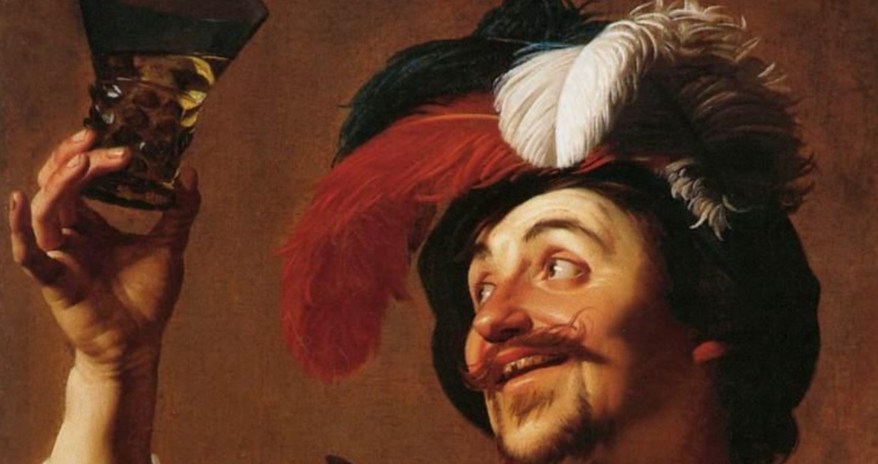
Quel sorriso del violinista felice di Gerrit van Honthorst
🇮🇹Un brindisi, un sorriso, una luce che taglia il buio. Conoscete il dipinto del violinista felice con un bicchiere di vino (1624) di Gerrit van Honthorst?… 🇬🇧A toast, a smile, a light that cuts through the darkness. Are you familiar with the painting of the Happy Violinist with a Glass of Wine (1624) by Gerrit…
-
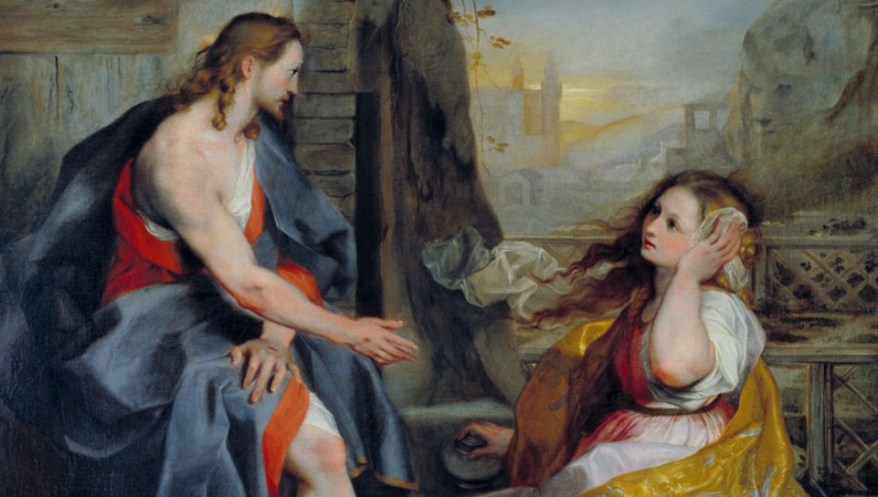
Noli me tangere di Federico Barocci: il capolavoro agli Uffizi che racconta l’incontro più emozionante dopo la Resurrezione
🇮🇹Nel Noli me tangere di Federico Barocci Maria Maddalena riconosce Cristo risorto e prova a toccarlo. Ma lui la ferma… 🇬🇧In Federico Barocci’s Noli Me Tangere, Mary Magdalene recognizes the risen Christ and tries to touch him. But he stops her…
-
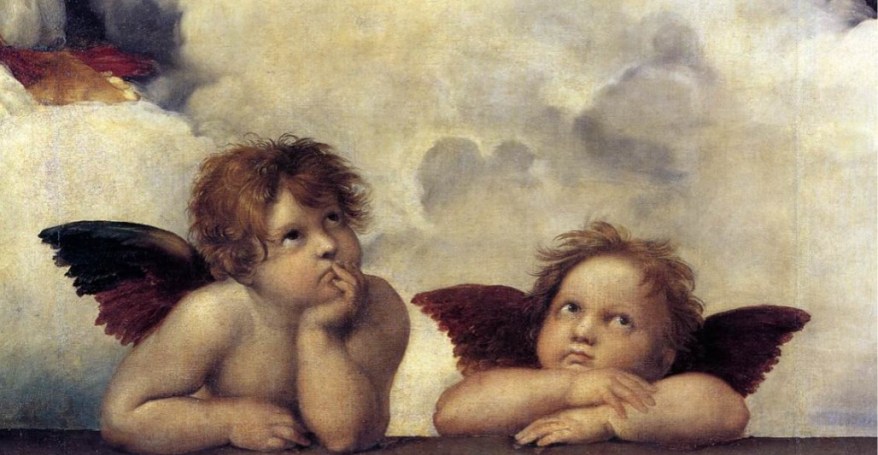
6 aprile 1520: la morte di Raffaello Sanzio e la nascita di un mito immortale
🇮🇹“Qui giace Raffaello: da lui, quando visse, la natura temette d’essere vinta, ora che egli è morto, teme di morire”. Il 6 aprile 1520 Raffaello morì a soli 37 anni… 🇬🇧“Here lies Raphael: when he lived, nature feared to be conquered by him, now that he is dead, she fears to die.” On April 6,…
Condividi:


Questo sono io





sostienici

Sostienici – Support Us
Se questo blog ti piace e ti appassiona, puoi aiutarci a farlo crescere sempre più sostenendoci in modo concreto condividendo i post, seguendo le pagine social e con un contributo che ci aiuta ad andare avanti con il nostro lavoro di divulgazione. . ENGLISH: If you like and are passionate about this blog, you can help us make it grow more and more by supporting us in a concrete way by sharing posts, following social pages and with a contribution that helps us to move forward with our dissemination work.
€10,00


