
Le Opere del Natale: l’Adorazione del Bambino del Correggio
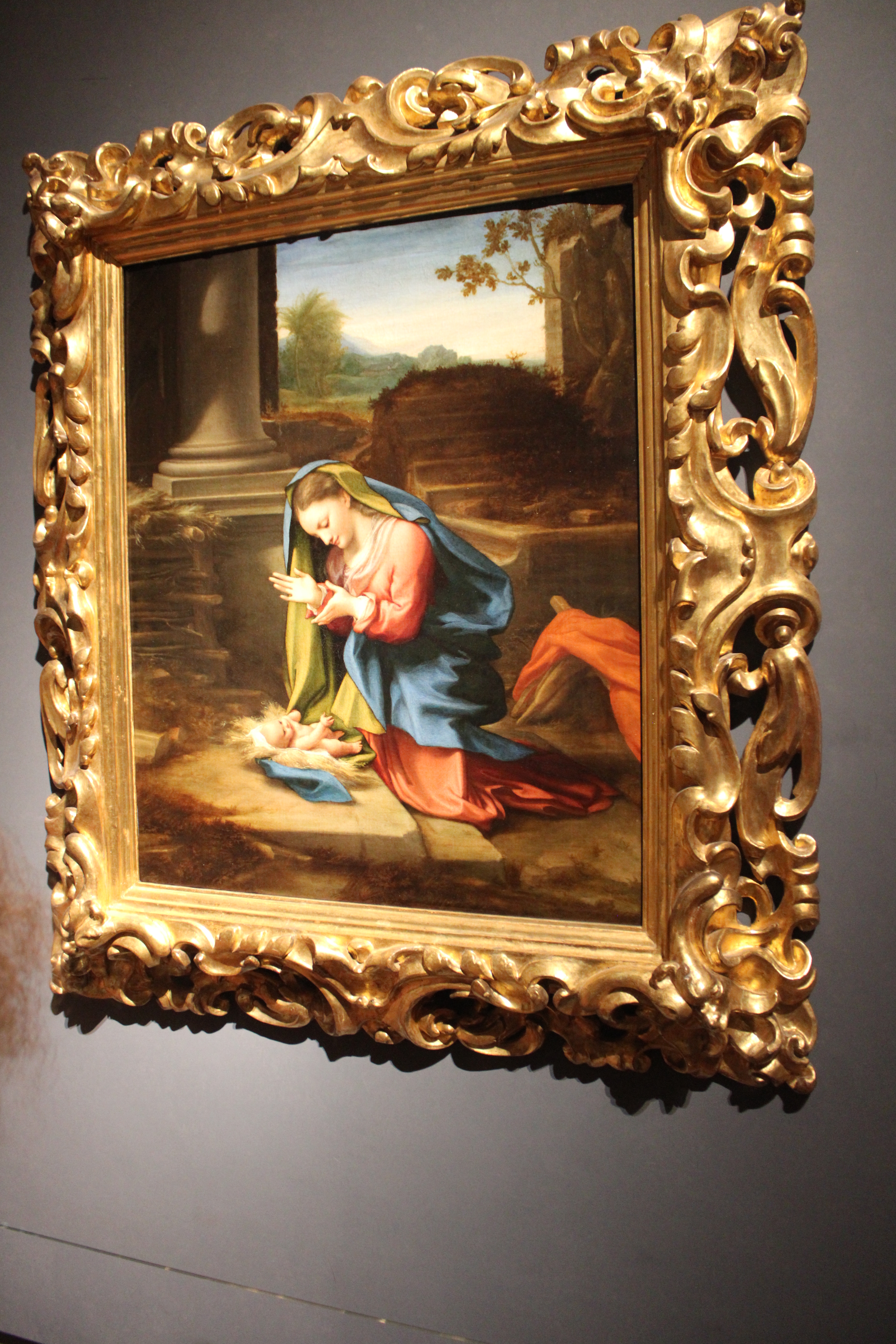
L’Opera del Natale di oggi è l’Adorazione del Bambino, un dipinto a olio su tela del Correggio, databile attorno al 1526, oggi appartenente alla Galleria degli Uffizi.
Non è dato sapere chi commissionò questo dipinto all’artista ma è assai palese fosse destinato alla devozione privata dato le su dimensioni modeste.
Correggio dipinge la Vergine mentre guarda il Figlio, deposto su un’umile mangiatoia dalla quale fuoriescono ciuffi di paglia. Al di sotto della paglia si vede il lembo del mantello della Madre che ha adoperato per rendere più confortevole quello scomodo giaciglio.
Proprio l’espressione dolcissima di Maria, totalmente assorta nel guardare il Bambino che le tende una manina mentre si porta l’altra alla bocca, rende quest’opera commovente.

Sullo sfondo si vede una pianta di fico che cresce fra le rovine, dipinto dal Correggio probabilmente per ricordare a chi guarda l’opera come il sacrificio di Cristo abbia redento l’uomo dalla prima disobbedienza di Adamo.
Le rovine antiche fagocitate dall’erba e da altre piante simboleggiano invece la fine del paganesimo.

Di questo capolavoro sappiamo che fu donato a Cosimo II de’ Medici nel 1617 dal Duca di Mantova Francesco I Gonzaga. Tanto piacque a Cosimo II che volle esporla nella Tribuna degli Uffizi il 6 novembre del medesimo anno, il cuore della Galleria Granducale.
Per il momento il vostro Michelangelo Buonarroti vi saluta dandovi appuntamento ai prossimi post e sui social.
The Works of Christmas: the Adoration of the Child by Correggio
Today’s Christmas work is the Adoration of the Child, an oil painting on canvas by Correggio, dating back to around 1526, now belonging to the Uffizi Gallery.
It is not known who commissioned this painting from the artist but it is very clear that it was intended for private devotion given its modest size.
Correggio paints the Virgin while he looks at the Son, placed on a humble manger from which tufts of straw emerge. Below the straw you can see the edge of the Mother’s cloak that she used to make that uncomfortable bed more comfortable.
Just the very sweet expression of Mary, totally absorbed in looking at the Child who holds out a little hand to her while she brings the other to her mouth, makes this work moving.
In the background we see a fig tree growing among the ruins, painted by Correggio probably to remind the viewer of the work how Christ’s sacrifice redeemed man from the first disobedience of Adam.
The ancient ruins engulfed by grass and other plants instead symbolize the end of paganism.
We know of this masterpiece that it was donated to Cosimo II de’ Medici in 1617 by the Duke of Mantua Francesco I Gonzaga. Cosimo II liked it so much that he wanted to exhibit it in the Tribuna of the Uffizi on 6 November of the same year, that is in what was considered the heart of the Granducale Gallery.
For the moment, your Michelangelo Buonarroti greets you by making an appointment for the next posts and on social media.

Sostienici – Support Us
Se questo blog ti piace e ti appassiona, puoi aiutarci a farlo crescere sempre più sostenendoci in modo concreto condividendo i post, seguendo le pagine social e con un contributo che ci aiuta ad andare avanti con il nostro lavoro di divulgazione. . ENGLISH: If you like and are passionate about this blog, you can help us make it grow more and more by supporting us in a concrete way by sharing posts, following social pages and with a contribution that helps us to move forward with our dissemination work.
10,00 €
-
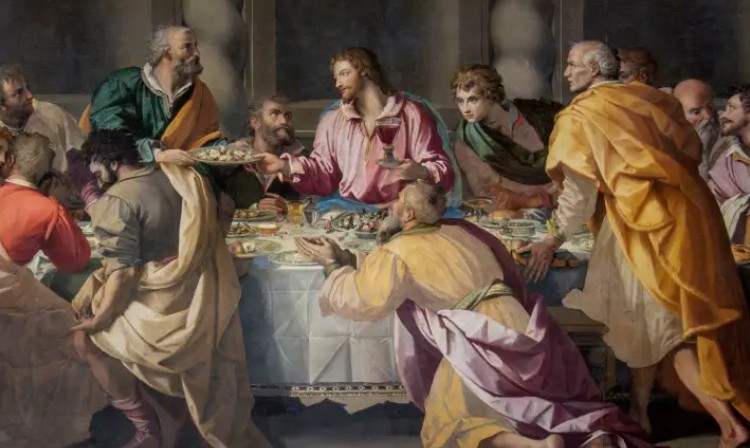
Giovedì Santo: l’Ultima Cena di Allori che pochi conoscono a Firenze
🇮🇹Nel cuore di Museo di Santa Maria Novella, a Firenze, si conserva una delle interpretazioni più affascinanti e meno note dell’Ultima Cena: quella realizzata da Alessandro Allori nel 1584… 🇬🇧In the heart of the Santa Maria Novella Museum in Florence, one of the most fascinating and least-known interpretations of the Last Supper is preserved: the…
-
Cenacolo di Leonardo: i dettagli che raccontano il tradimento
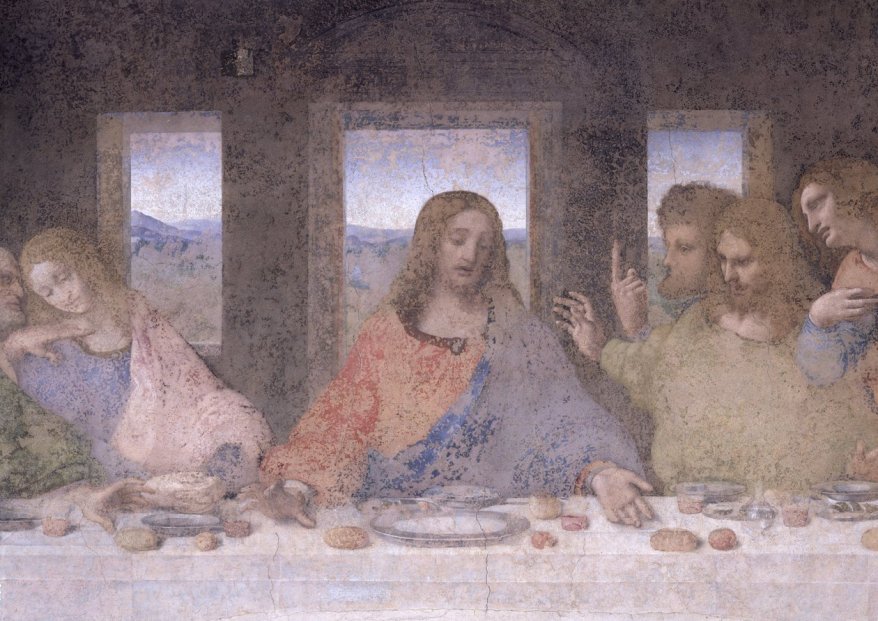
🇮🇹Nel Cenacolo di Leonardo da Vinci, custodito a Santa Maria delle Grazie, Cristo annuncia il tradimento e il tempo si ferma… 🇬🇧In Leonardo da Vinci’s Last Supper, housed in Santa Maria delle Grazie, Christ announces the betrayal and time stands still…
-
La Lavanda dei Piedi di Tintoretto: Il Capolavoro Veneziano al Prado
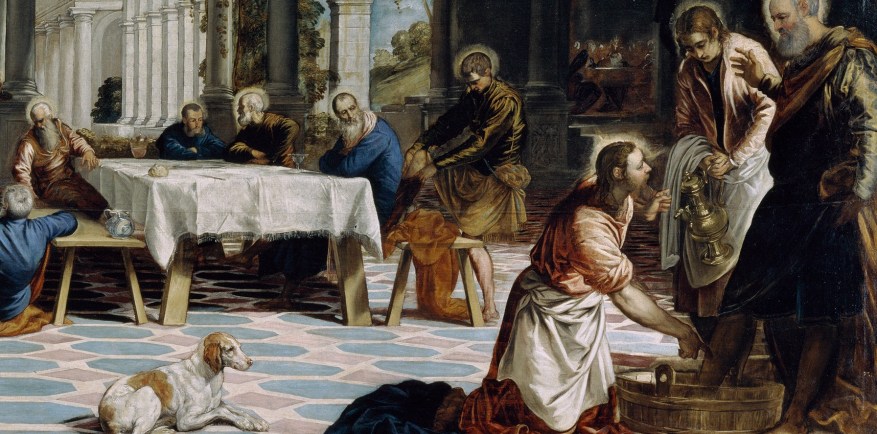
🇮🇹Tra i capolavori più affascinanti del Rinascimento veneziano, “La Lavanda dei Piedi” di Jacopo Tintoretto rappresenta un perfetto equilibrio tra spiritualità, innovazione compositiva e straordinaria forza narrativa… 🇬🇧Among the most fascinating masterpieces of the Venetian Renaissance, Jacopo Tintoretto’s “The Washing of the Feet” represents a perfect balance between spirituality, compositional innovation, and extraordinary narrative force…
Condividi:


Questo sono io





sostienici

Sostienici – Support Us
Se questo blog ti piace e ti appassiona, puoi aiutarci a farlo crescere sempre più sostenendoci in modo concreto condividendo i post, seguendo le pagine social e con un contributo che ci aiuta ad andare avanti con il nostro lavoro di divulgazione. . ENGLISH: If you like and are passionate about this blog, you can help us make it grow more and more by supporting us in a concrete way by sharing posts, following social pages and with a contribution that helps us to move forward with our dissemination work.
€10,00


1 commento »