
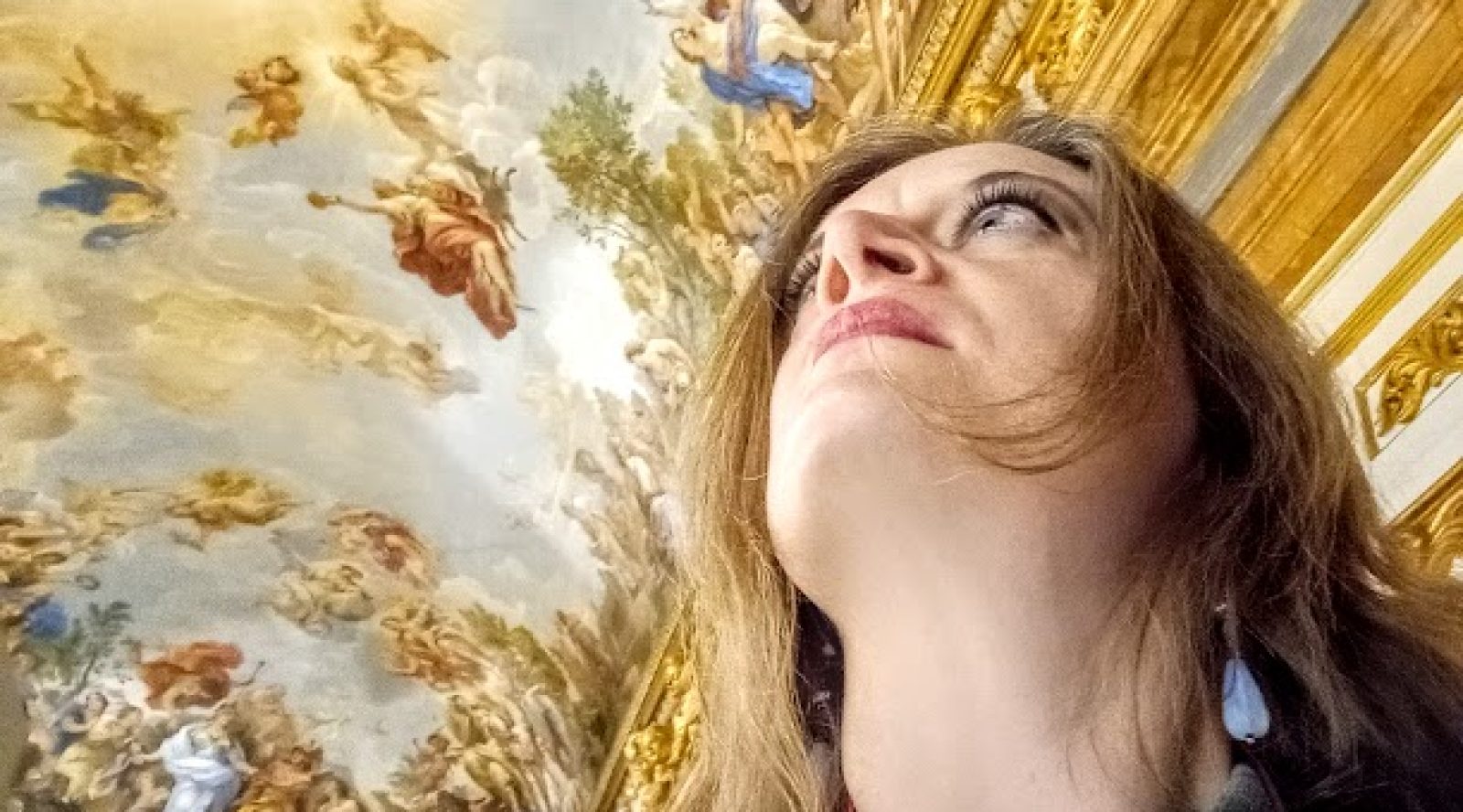
Lo studio di un braccio per la volta della Sistina
Questo che vi propongo oggi è uno studio che realizzai fa il 1509 e il 1510 per un braccio destro da affrescare nella volta della Sistina.
L’utilizzo del chiaroscuro che definisce in maniera inequivocabile la muscolatura e rende l’idea del cambio dei volumi è la tecnica che Luciano Berti definiva come il disegnar scolpendo.
L’avambraccio teso in questo modo ricorre nelle mie sculture così come negli affreschi. Basta pensare al braccio sempre destro del David che stringe il ciottolo di fiume, a quello proteso in avanti di Dio che sta per sfiorare le dita di Adamo o a quello sinistro di Noè nel riquadro dell’ubriachezza nella volta della Sistina.

Gli esperti hanno dibattuto a lungo a quale braccio e mano corrisponde questo studio appartenente a Casa Buonarroti.
C’è che come il Frey lo ha ricondotto a Dio nella Creazione di Adamo, chi come il Thode ha datato successivamente, riferendolo a uno studio per il Giudizio Universale e chi, come il Wilde e Tolnay ha pensato potesse essere la mano di Noè nel riquadro della sua ubriachezza.

Secondo me non ci sono molti dubbi a riguardo o meglio, è abbastanza inequivocabile a quale figura sia riconducibile lo studio. Guardate con attenzione la mano sinistra di Noè che ho cerchiato nella foto: identica posizione e stessa raffigurazione dell’avambraccio leggermente piegato rispetto al braccio.
L’immagine dipinta è speculare rispetto a quella disegnata ma se per esempio la paragonate a quella del braccio di Dio è un po’ diversa. Il medio, l’indice e il mignolo sono piegati rispetto al palmo della mano e si vedono mentre nel disegno hanno una posa molto diversa.

Per il momento il vostro Michelangelo Buonarroti vi saluta dandovi appuntamento ai prossimi post e sui social.

The study of an arm for the vault of the Sistine Chapel
What I am proposing to you today is a study that I made in 1509 and 1510 for a right arm to be frescoed in the vault of the Sistine Chapel.
The use of chiaroscuro that unequivocally defines the muscles and conveys the idea of changing volumes is the technique that Luciano Berti defined as drawing by sculpting.
The forearm stretched in this way recurs in my sculptures as well as in the frescoes. Just think of David’s right arm clutching the river pebble, God’s leaning forward arm that is about to touch Adam’s fingers or Noah’s left arm in the frame of his drunkenness in the vault of the Sistine Chapel.
Experts have long debated which arm and hand this study belonging to Casa Buonarroti corresponds to. There is that how Frey traced it back to God in Adam’s Creation, who like Thode later dated it, referring it to a study for the Last Judgment and who, like Wilde and Tolnay thought it could be Noah’s hand in box of his drunkenness.
In my opinion there are not many doubts about it or rather, it is quite unequivocal to which figure the study is attributable. Look carefully at Noah’s left hand that I circled in the photo: identical position and same representation of the forearm slightly bent with respect to his arm.
The painted image is a mirror image of the one drawn, but if you compare it to that of God’s arm, for example, it is a little different. The middle, index and little fingers are bent with respect to the palm of the hand and can be seen while in the drawing they have a very different pose.
For the moment, your Michelangelo Buonarroti greets you by giving you an appointment at the next posts and on social networks.

Sostienici – Support Us
Se questo blog ti piace e ti appassiona, puoi aiutarci a farlo crescere sempre più sostenendoci in modo concreto condividendo i post, seguendo le pagine social e con un contributo che ci aiuta ad andare avanti con il nostro lavoro di divulgazione. . ENGLISH: If you like and are passionate about this blog, you can help us make it grow more and more by supporting us in a concrete way by sharing posts, following social pages and with a contribution that helps us to move forward with our dissemination work.
5,00 €
-
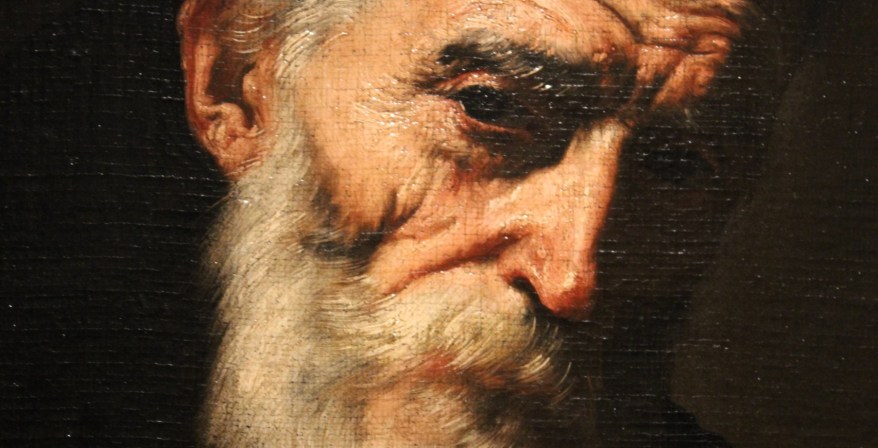
Il realismo che trafigge l’anima: il Sant’Antonio abate di Jusepe de Ribera
🇮🇹Il Sant’Antonio abate di Ribera non si guarda, si sente sottopelle. Rughe, luce, verità. E quegli occhi che raccontano… 🇬🇧You can’t look at Ribera’s Saint Anthony the Abbot, you can feel it under your skin. Wrinkles, light, truth. And those eyes that tell a story…
-
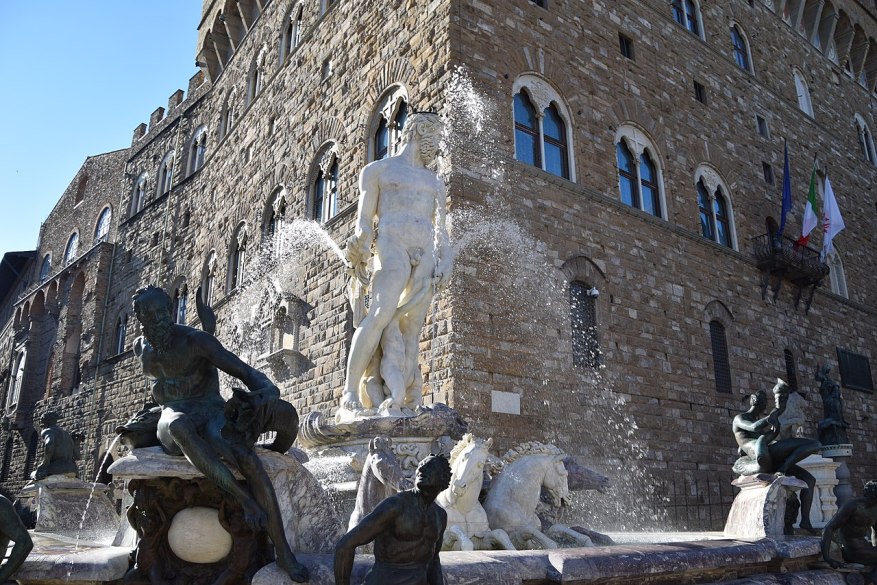
13 aprile 1592: muore Ammannati, il genio del “Biancone” tra capolavori e feroci critiche
🇮🇹Il 13 aprile 1592 si spegneva a Firenze Bartolomeo Ammannati, uno dei protagonisti più complessi e discussi del Rinascimento italiano. Morì nella sua casa di Via della Stufa… 🇬🇧On April 13, 1592, Bartolomeo Ammannati, one of the most complex and controversial figures of the Italian Renaissance, passed away in Florence. He died in his home…
-
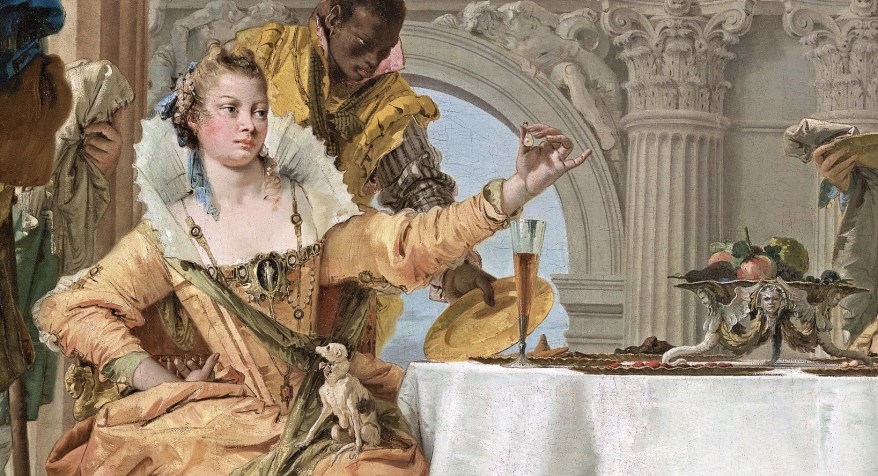
Quando Cleopatra umiliò Roma: il significato nascosto del celebre dipinto di Tiepolo
🇮🇹 Il dipinto che vi propongo è pura teatralità, lusso e strategia. Cleopatra scommette con Marco Antonio di poter offrire il banchetto più sontuoso della storia e per vincere compie un gesto folle… 🇬🇧 The painting I propose is pure theatricality, luxury, and strategy. Cleopatra bets Mark Antony that she can offer the most sumptuous…
Condividi:


Questo sono io





sostienici

Sostienici – Support Us
Se questo blog ti piace e ti appassiona, puoi aiutarci a farlo crescere sempre più sostenendoci in modo concreto condividendo i post, seguendo le pagine social e con un contributo che ci aiuta ad andare avanti con il nostro lavoro di divulgazione. . ENGLISH: If you like and are passionate about this blog, you can help us make it grow more and more by supporting us in a concrete way by sharing posts, following social pages and with a contribution that helps us to move forward with our dissemination work.
€10,00


