

Ritrovato un autoritratto di Van Gogh sotto un suo dipinto
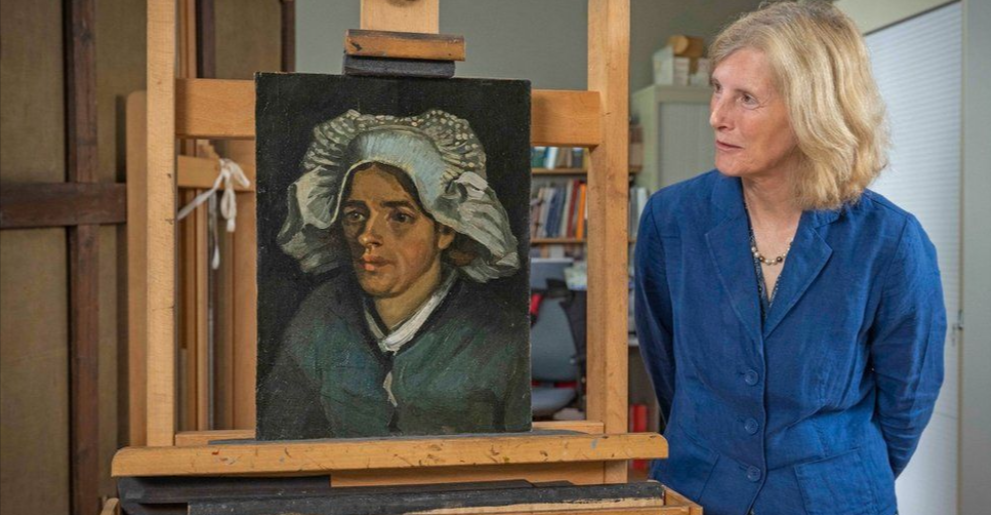
Alla National Gallery of Scotland di Edimburgo è successo qualcosa di inaspettato e sorprendente. Al di sotto della tela dipinta da Van Gogh della Testa di Contadina del 1885, è stato ritrovato nascosto un autoritratto dell’artista.
La scoperta è stata fatta grazie a una radiografia eseguita sull’opera, fatta prima di esporre la tela in una mostra. La restauratrice del museo Lesley Stevenson ha strabuzzato gli occhi quando ha visto comparire un autoritratto di Van Gogh che ancora non era stato notato da nessuno.
“Quando abbiamo visto la radiografia per la prima volta, ovviamente eravamo molto emozionati. È una scoperta importante perché si aggiunge a quanto già sappiamo sulla vita di Van Gogh”.
Lesley Stevenson

Come è noto, spesso Van Gogh adoperava più volte le tele, dipingendo su entrambi i lati. Quello che è venuto alla luce è un autoritratto fino al momento sconosciuto, coperto da strati di cartone e colla
Al momento sono in corso studi per comprendere come essere sia possibile rendere visibile l’autoritratto nascosto mediante un processo di rimozione della colla e del cartone senza danneggiare né l’autoritratto di Van Gogh né la tela con la Testa di Contadina.
Per il momento il vostro Michelangelo Buonarroti vi saluta dandovi appuntamento ai prossimi post e sui social.

A self-portrait of Van Gogh was found under one of his paintings
Something unexpected and surprising happened at the National Gallery of Scotland in Edinburgh. Under the canvas painted by Van Gogh of the Peasant’s Head from 1885, a self-portrait of the artist was found hidden.
The discovery was made thanks to an X-ray taken on the work, made before exhibiting the canvas in an exhibition. Museum restorer Lesley Stevenson blinked at her when she saw a Van Gogh self-portrait appear that hadn’t been noticed by anyone yet.
“When we first saw the X-ray, we were obviously very excited. It is an important discovery because it adds to what we already know about Van Gogh’s life ”.
Lesley Stevenson
As is well known, Van Gogh often used the canvases several times, painting on both sides. What has come to light is a hitherto unknown self-portrait, covered in layers of cardboard and glue
Studies are currently underway to understand how it is possible to make the hidden self-portrait visible through a process of removing the glue and cardboard without damaging either Van Gogh’s self-portrait or the canvas with the Peasant’s Head.
For the moment, your Michelangelo Buonarroti greets you by giving you an appointment at the next posts and on social networks.

Sostienici – Support Us
Se questo blog ti piace e ti appassiona, puoi aiutarci a farlo crescere sempre più sostenendoci in modo concreto condividendo i post, seguendo le pagine social e con un contributo che ci aiuta ad andare avanti con il nostro lavoro di divulgazione. . ENGLISH: If you like and are passionate about this blog, you can help us make it grow more and more by supporting us in a concrete way by sharing posts, following social pages and with a contribution that helps us to move forward with our dissemination work.
5,00 €
-
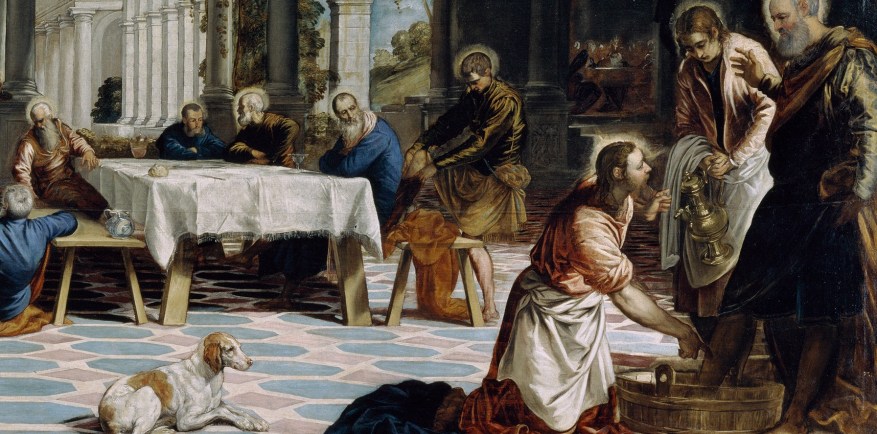
La Lavanda dei Piedi di Tintoretto: Il Capolavoro Veneziano al Prado
🇮🇹Tra i capolavori più affascinanti del Rinascimento veneziano, “La Lavanda dei Piedi” di Jacopo Tintoretto rappresenta un perfetto equilibrio tra spiritualità, innovazione compositiva e straordinaria forza narrativa… 🇬🇧Among the most fascinating masterpieces of the Venetian Renaissance, Jacopo Tintoretto’s “The Washing of the Feet” represents a perfect balance between spirituality, compositional innovation, and extraordinary narrative force…
-
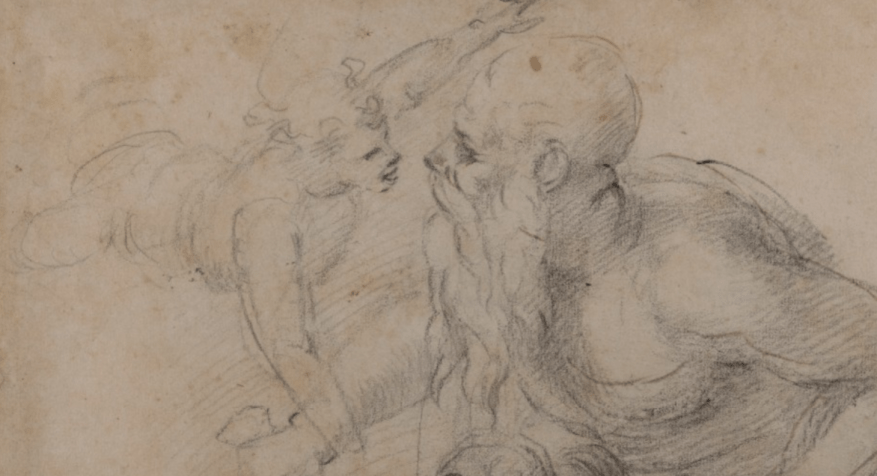
Il Sacrificio di Isacco e quel momento tra la vita e la morte
🇮🇹Oggi voglio raccontarvi alcuni dettagli sul mio disegno del Sacrificio di Isacco, conservato oggi a Casa Buonarroti. Su quel foglio volli tracciare il momento preciso in cui la paura fa spazio al miracolo… 🇬🇧Today I want to tell you some details about my drawing of the Sacrifice of Isaac, now preserved at Casa Buonarroti. On…
-
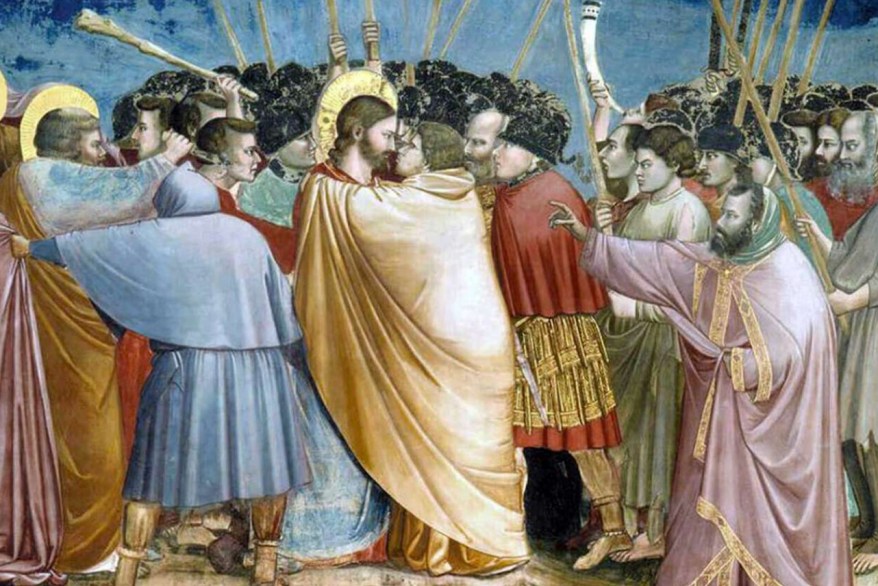
Mercoledì Santo: il giorno del tradimento di Giuda affrescato da Giotto
🇮🇹Il Mercoledì Santo è il giorno del silenzio, della riflessione e del tradimento. È il momento in cui Giuda sceglie di vendere Gesù per trenta denari, segnando uno dei passaggi più dolorosi della Settimana Santa…. 🇬🇧Holy Wednesday is a day of silence, reflection, and betrayal. ✝It is the moment when Judas chooses to sell Jesus…
Condividi:


Questo sono io





sostienici

Sostienici – Support Us
Se questo blog ti piace e ti appassiona, puoi aiutarci a farlo crescere sempre più sostenendoci in modo concreto condividendo i post, seguendo le pagine social e con un contributo che ci aiuta ad andare avanti con il nostro lavoro di divulgazione. . ENGLISH: If you like and are passionate about this blog, you can help us make it grow more and more by supporting us in a concrete way by sharing posts, following social pages and with a contribution that helps us to move forward with our dissemination work.
€10,00


