
21 maggio 1972: l’album fotografico a 50 anni dall’attentato alla Pietà Vaticana
Sono ormai trascorsi esattamente cinquant’anni da quando il trentaquattrenne australiano Lazlo Toth inveì con una mazzetta sopra la Pietà Vaticana.
Era il 21 maggio del 1972, domenica di Pentecoste. Mentre il pontefice papa Paolo VI si stava preparando per celebrare la messa di mezzogiorno e la basilica poco a poco si stava riempiendo di fedeli, al grido di “Sono Gesù Cristo, risorto dalla morte” Lazlo sferrò dodici martellate sull’opera staccandone 50 frammenti fra grandi e piccoli.
In questo giorno fatto di ricordi dolorosi e incredibili voglio proporvi alcune delle foto che ben raccontano sia l’attentato che il restauro successivo eseguito dal laboratorio di restauro dei Musei Vaticani che vi ho raccontato nel dettaglio QUA.
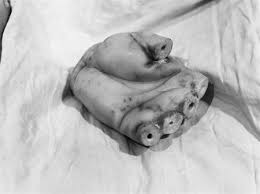
🇬🇧The left hand of the Virgin with the pivot holes

🇬🇧The Nazarene biochemist Gabrielli working in the restoration laboratory of the Vatican Museums observing with the stereomicroscope the blue stain that the hammer had left on the disintegrated eyelid.
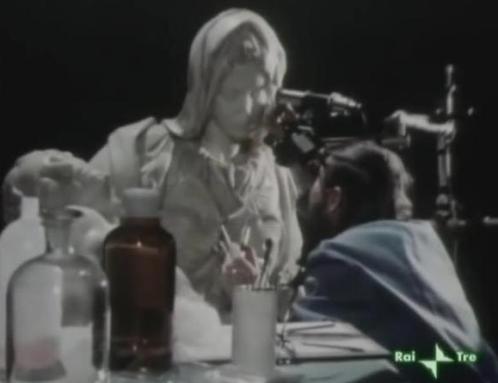
🇬🇧The restoration team at work
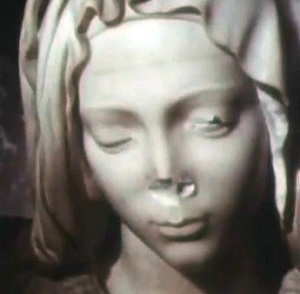
🇬🇧The face of the Virgin after the attack
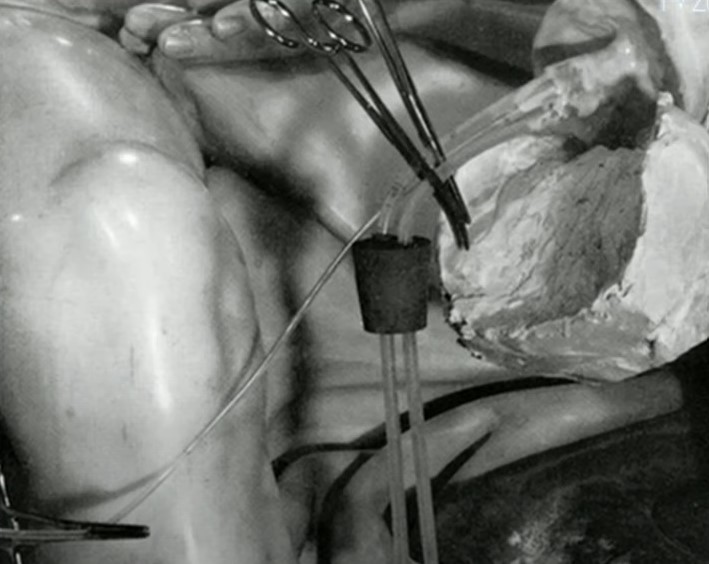
🇬🇧The very complicated pivoting of the Virgin’s left arm by means of the angled pin and the injection of glue
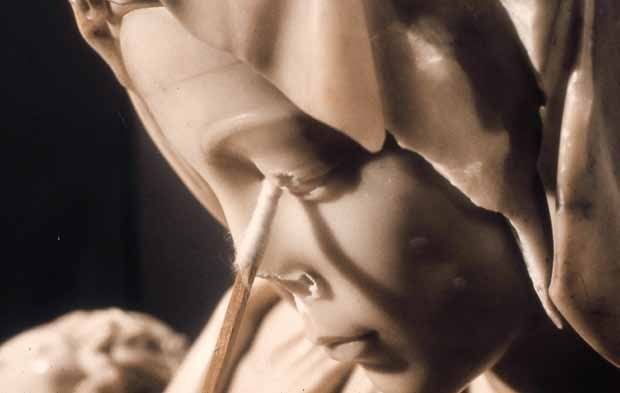
🇬🇧The face of the Virgin after the attack
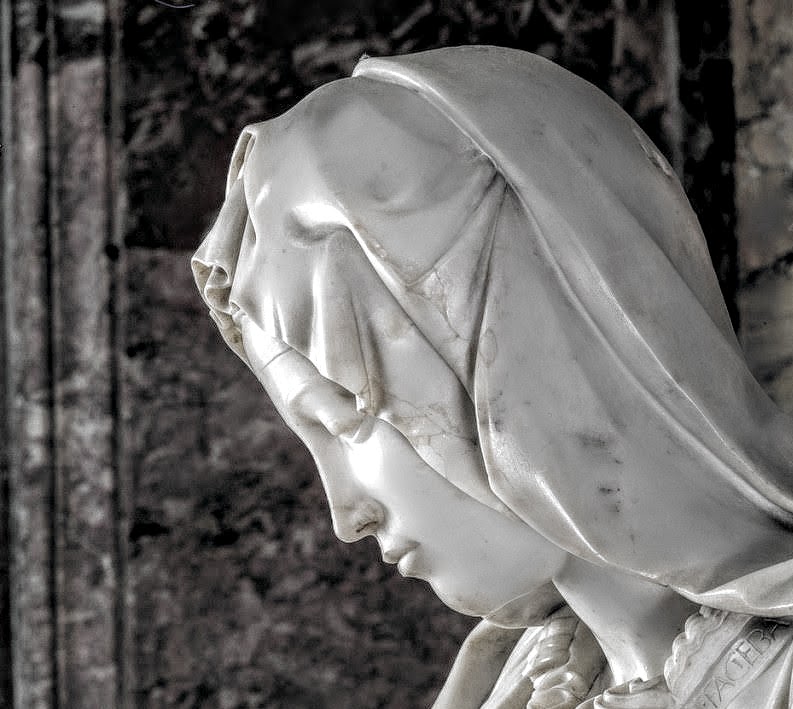
🇬🇧Here is how you can see the fractures on the veil, eyelid and tip of the nose today
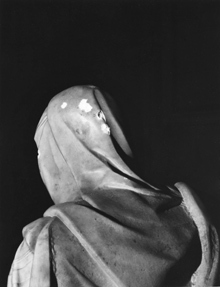
🇬🇧Damage reported on the back of the veil
Per il momento il vostro Michelangelo Buonarroti vi saluta dandovi appuntamento ai prossimi post e sui social
May 21, 1972: the photo album 50 years after the attack on the Vatican Pietà
It was May 21, 1972, Pentecost Sunday. While the pontiff Pope Paolo VI was preparing to celebrate the midday mass and the basilica was gradually filling up with faithful, shouting “I am Jesus Christ, risen from the dead” Lazlo struck twelve hammer blows on the work, detaching 50 fragments between big and small.
On this day made of painful and incredible memories, I want to offer you some of the photos that well tell both the attack and the subsequent restoration carried out by the restoration laboratory of the Vatican Museums that I have told you in detail HERE.
For the moment your Michelangelo Buonarroti greets you by giving you an appointment at the post prosisms and on social networks

Sostienici – Support Us
Se questo blog ti piace e ti appassiona, puoi aiutarci a farlo crescere sempre più sostenendoci in modo concreto condividendo i post, seguendo le pagine social e con un contributo che ci aiuta ad andare avanti con il nostro lavoro di divulgazione. . ENGLISH: If you like and are passionate about this blog, you can help us make it grow more and more by supporting us in a concrete way by sharing posts, following social pages and with a contribution that helps us to move forward with our dissemination work.
8,00 €
-
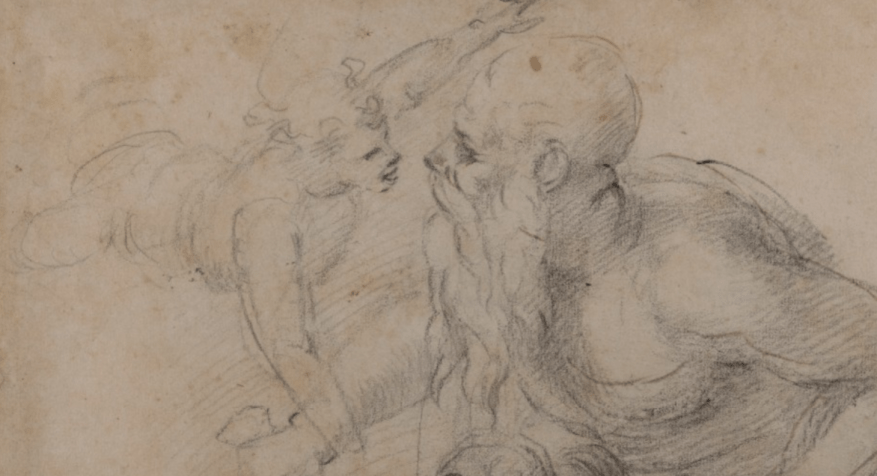
Il Sacrificio di Isacco e quel momento tra la vita e la morte
🇮🇹Oggi voglio raccontarvi alcuni dettagli sul mio disegno del Sacrificio di Isacco, conservato oggi a Casa Buonarroti. Su quel foglio volli tracciare il momento preciso in cui la paura fa spazio al miracolo… 🇬🇧Today I want to tell you some details about my drawing of the Sacrifice of Isaac, now preserved at Casa Buonarroti. On…
-
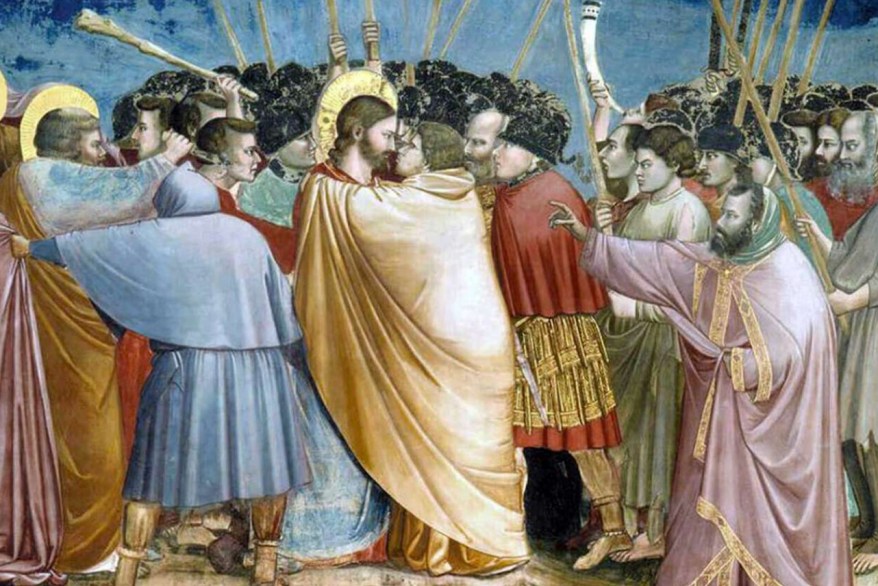
Mercoledì Santo: il giorno del tradimento di Giuda affrescato da Giotto
🇮🇹Il Mercoledì Santo è il giorno del silenzio, della riflessione e del tradimento. È il momento in cui Giuda sceglie di vendere Gesù per trenta denari, segnando uno dei passaggi più dolorosi della Settimana Santa…. 🇬🇧Holy Wednesday is a day of silence, reflection, and betrayal. ✝It is the moment when Judas chooses to sell Jesus…
-
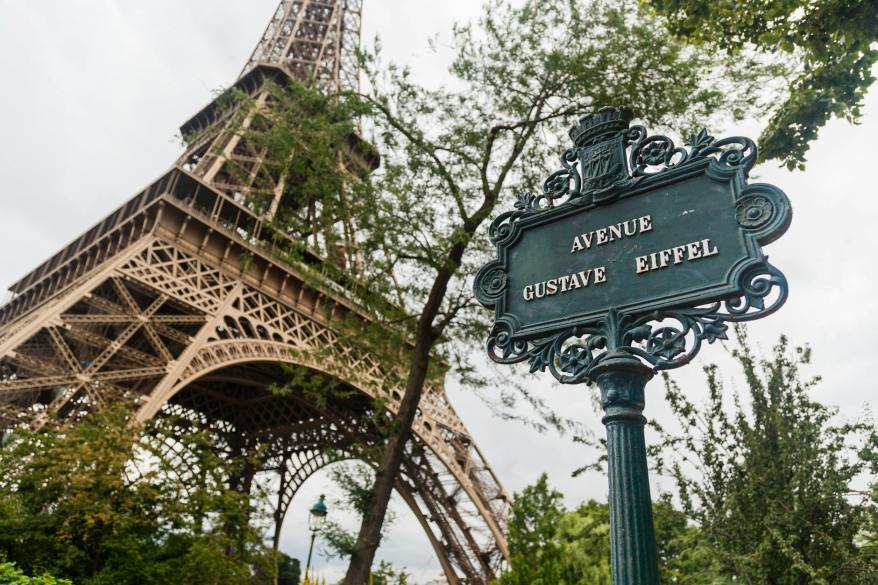
31 marzo 1889: inaugurata la Torre Eiffel tra critiche feroci e un destino inaspettato
🇮🇹Il 31 marzo 1889 segna una data destinata a cambiare per sempre il volto di Parigi e dell’immaginario collettivo globale: viene inaugurata la Torre Eiffel, l’opera più audace e discussa del suo tempo… 🇬🇧March 31, 1889 marks a date destined to change the face of Paris and the global collective imagination forever: the Eiffel Tower,…
Condividi:


Questo sono io





sostienici

Sostienici – Support Us
Se questo blog ti piace e ti appassiona, puoi aiutarci a farlo crescere sempre più sostenendoci in modo concreto condividendo i post, seguendo le pagine social e con un contributo che ci aiuta ad andare avanti con il nostro lavoro di divulgazione. . ENGLISH: If you like and are passionate about this blog, you can help us make it grow more and more by supporting us in a concrete way by sharing posts, following social pages and with a contribution that helps us to move forward with our dissemination work.
€10,00


1 commento »