
La Cappella Sistina nel 1582
Vi siete mai chiesti come fosse la Cappella Sistina nei secoli scorsi? Per quanto rimase così come l’avevo dipinta io? C’erano elementi strutturali differenti al suo interno?
Per chiarire qualche dubbio di troppo vi propongo un’incisione realizzata nel 1582 da Giovanni Ambrogio Brambilla che vi mostra come fosse l’interno della Sistina.
Avevo concluso gli affreschi del Giudizio Universale da 41 anni e Daniele da Volterra, seguendo gli imperativi papali, già aveva provveduto ad apporre le braghe ad alcune figure (il lavoro verrà ultimato nei decenni a seguire da altri artisti) e a scalpellar via parte del San Biagio e della Santa Caterina.

Non solo però. Nella zona più bassa e centrale dell’opera, era stato apposto un brutto baldacchino, in corrispondenza della caverna infernale.
Nella veduta di Brambilla che propone lo svolgimento del concistoro all’interno della Cappella Magna, si nota anche che la transenna marmorea in quel frangente già era stata spostata e oramai non divideva più la Sistina a metà.

Per il momento il vostro Michelangelo Buonarroti vi saluta dandovi appuntamento ai prossimi post e sui social.
The Sistine Chapel in 1582
Have you ever wondered what the Sistine Chapel was like in past centuries? How long did it stay as I had painted it? Were there different structural elements inside?
To clarify some too many doubts, I propose an engraving made in 1582 by Giovanni Ambrogio Brambilla that shows you what the interior of the Sistine Chapel was like. I had finished the frescoes of the Last Judgment for 41 years and Daniele da Volterra, following the papal imperatives, had already taken steps to affix the breeches to some figures (the work will be completed in the following decades by other artists) and to chisel away part of the San Biagio and of Santa Caterina.
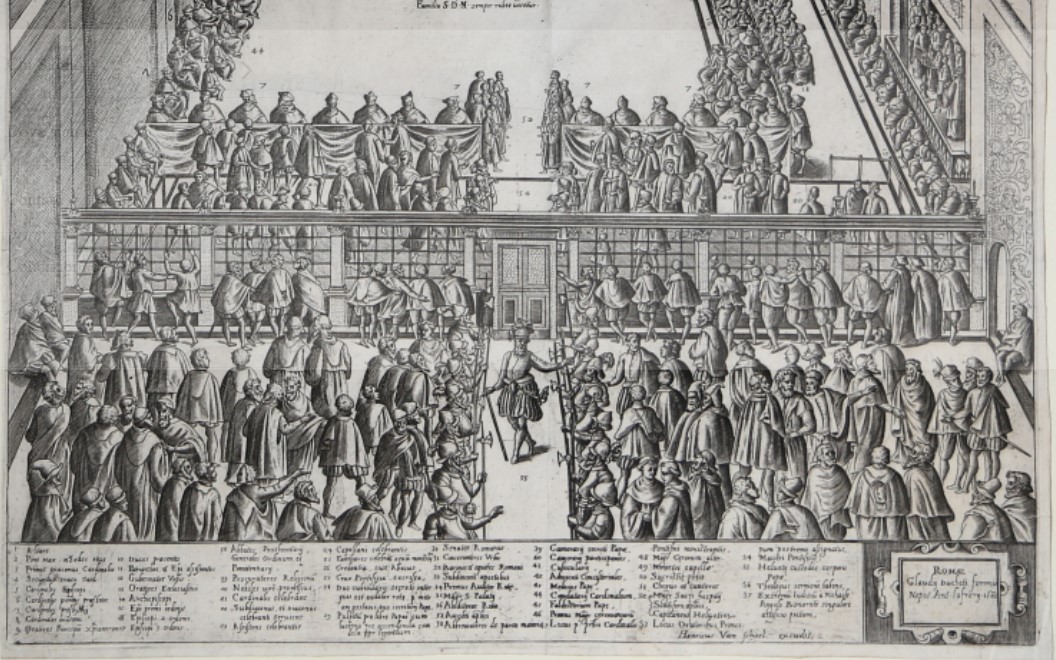
Not only that though. In the lowest and most central area of the work, an ugly canopy had been affixed to the infernal cave.
In the view by Brambilla that proposes the holding of the consistory inside the Magna Chapel, it is also noted that the marble barrier at that juncture had already been moved and no longer divided the Sistine Chapel in half.
For the moment, your Michelangelo Buonarroti greets you by giving you an appointment at the next posts and on social networks.

Sostienici – Support Us
Se questo blog ti piace e ti appassiona, puoi aiutarci a farlo crescere sempre più sostenendoci in modo concreto condividendo i post, seguendo le pagine social e con un contributo che ci aiuta ad andare avanti con il nostro lavoro di divulgazione. . ENGLISH: If you like and are passionate about this blog, you can help us make it grow more and more by supporting us in a concrete way by sharing posts, following social pages and with a contribution that helps us to move forward with our dissemination work.
5,00 €
-
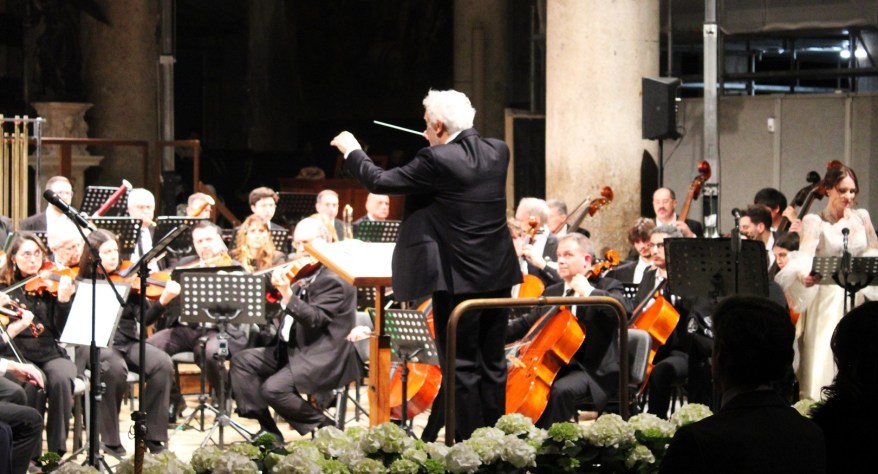
Duomo di Pisa: Piovani ferma il tempo sotto la cupola e commuove 600 spettatori
🇮🇹Sotto la cupola del Duomo di Pisa, 600 persone in silenzio hanno vissuto un’emozione rara. Il concerto di Nicola Piovani è stato molto più di musica: un viaggio tra arte, storia e umanità… 🇬🇧 Beneath the dome of Pisa Cathedral, 600 people silently experienced a rare emotion. Nicola Piovani’s concert was much more than music:…
-
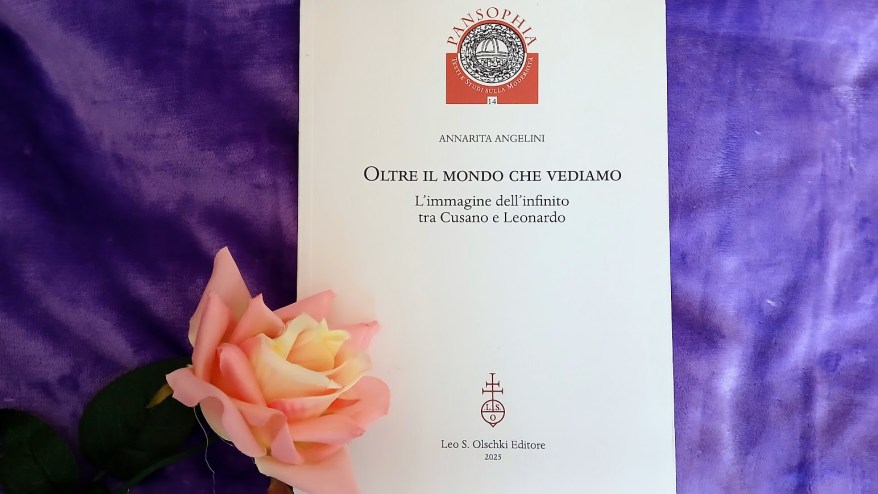
Quando la pittura diventa filosofia: il viaggio nell’infinito di Cusano e Leonardo
Il libro che voglio proporvi oggi è il saggio scritto da Annarita Angelini dal titolo ‘Oltre il mondo che vediamo. L’immagine dell’infinito tra Cusano e Leonardo’, pubblicato da Olschki Editore….
-
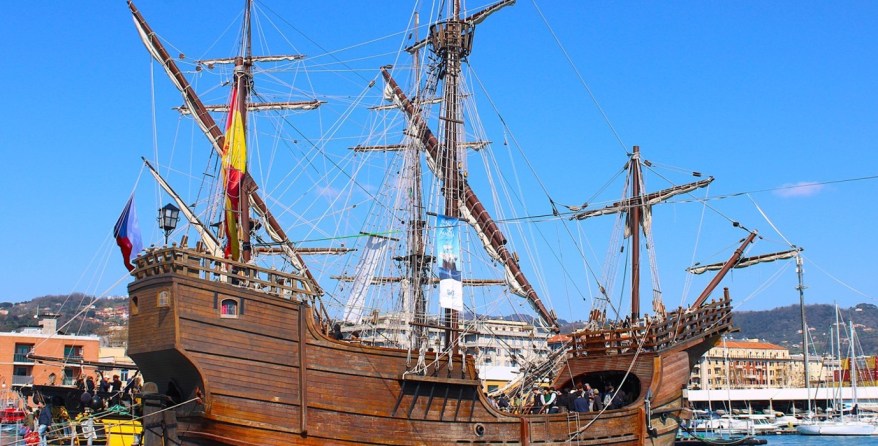
Sembra il Cinquecento ma è La Spezia: il festival Velarìa riporta al Molo Italia i grandi velieri
🇮🇹Sembra di essere finiti in un’altra epoca. A La Spezia il mare si riempie di vele storiche, caravelle e brigantini: è iniziato Velarìa – Scalo alla Spezia, il festival che riporta in vita il fascino della grande navigazione… 🇬🇧It feels like we’ve stepped into another era. In La Spezia, the sea fills with historic sails,…
Condividi:


Questo sono io





sostienici

Sostienici – Support Us
Se questo blog ti piace e ti appassiona, puoi aiutarci a farlo crescere sempre più sostenendoci in modo concreto condividendo i post, seguendo le pagine social e con un contributo che ci aiuta ad andare avanti con il nostro lavoro di divulgazione. . ENGLISH: If you like and are passionate about this blog, you can help us make it grow more and more by supporting us in a concrete way by sharing posts, following social pages and with a contribution that helps us to move forward with our dissemination work.
€10,00


