

Le teste grottesche
Questo foglio che vedete a seguire appartiene alle collezioni del British Museum. Lo adoperai per tracciarci sopra quattro teste grottesche e due figure di lottatori: Ercole e Anteo.
Secondo Charles de Tolnay, sono studi relativi alla natura animale inglobati nella fisionomia umana. Guardate ad esempio la testa più in alto che ha l’aspetto di un cane ma le orecchie di un asino. Quella sulla destra ha gli orecchi di un maiale e il volto canino ma con un’espressione totalmente differente dal viso descritto prima. Infine, la testa più un basso ricorda le fattezze di un bucraneo, ovvero i teschi di capra che tanto venivano riprodotti nel Cinquecento come decorazione, sia in pittura che in scultura.
Ogni volto propone un’emozione diversa leggibile attraverso la fisionomia: la prima testa mostra la paura, la seconda la follia e l’ultima lo scetticismo. E’ probabile che questi studi siano da ricondurre alle figure decorative che poi inserii nella Sagrestia Nuova della Basilica di San Lorenzo.

Per quanto riguarda invece Ercole e Anteo, probabilmente era uno studio per l’opera che avrei dovuto affiancare al David in Piazza della Signoria. Quella commissione però sfumò e se ne appropriò il Bandinelli. Il sempre vostro Michelangelo Buonarroti e i suoi racconti.
The grotesque heads
This sheet you see below belongs to the collections of the British Museum. I used it to trace over four grotesque heads and two figures of wrestlers: Hercules and Antaeus.
According to Charles de Tolnay, they are studies related to the animal nature incorporated in the human physiognomy. For example, look at the head higher up that looks like a dog but the ears of a donkey. The one on the right has the ears of a pig and the canine face but with a totally different expression from the face described above. Finally, the lower head recalls the features of a bucraneo, or the goat skulls that were so reproduced in the Ciqnuecento as decoration, both in painting and in sculpture.
Each face proposes a different emotion readable through the physiognomy: the first head shows the fear, the second the madness and the last the skepticism. It is likely that these studies can be traced back to the decorative figures which I then inserted into the New Sacristy of the Basilica of San Lorenzo.
As for Ercole and Anteo, it was probably a study for the work that I should have added to the David in Piazza della Signoria. That commission, however, faded and appropriated Bandinelli. Your always Michelangelo Buonarroti and his stories.

Sostienici – Support Us
Se questo blog ti piace e ti appassiona, puoi aiutarci a farlo crescere sempre più sostenendoci in modo concreto condividendo i post, seguendo le pagine social e con un contributo che ci aiuta ad andare avanti con il nostro lavoro di divulgazione. . ENGLISH: If you like and are passionate about this blog, you can help us make it grow more and more by supporting us in a concrete way by sharing posts, following social pages and with a contribution that helps us to move forward with our dissemination work.
5,00 €
ULTIMI ARTICOLI
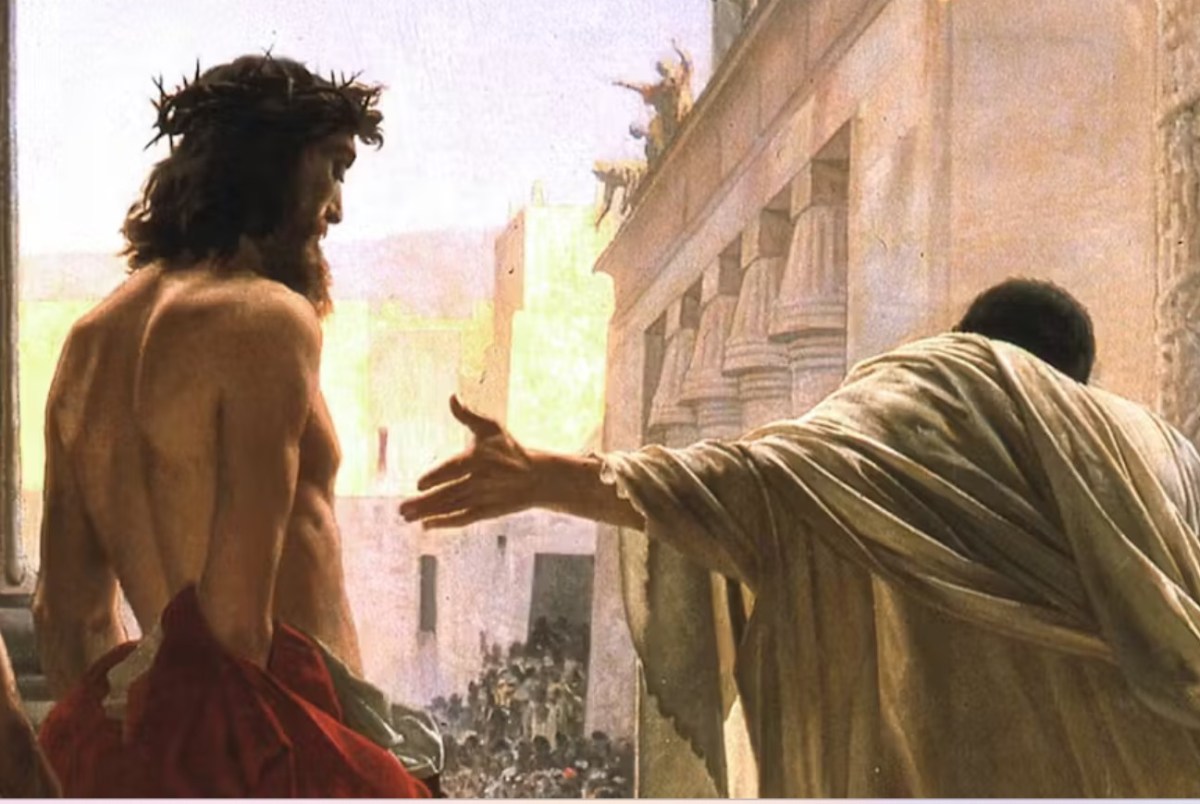
Venerdì Santo: gli “Ecce Homo” più intensi della storia dell’arte
🇮🇹Ecce Homo. Da Antonello da Messina a Tintoretto, fino al sorprendente capolavoro di Antonio Ciseri, questo soggetto ha attraversato i secoli raccontando dolore, umanità e coscienza… 🇬🇧Ecce Homo. From Antonello da Messina to Tintoretto, to Antonio Ciseri’s astonishing masterpiece, this subject has spanned the centuries, recounting pain, humanity, and conscience…
Attacco hacker agli Uffizi: rubati dati sensibili, mappe e codici di sicurezza
🇮🇹Attacco hacker alle Gallerie degli Uffizi: rubati dati sensibili, mappe e sistemi di sicurezza. A rischio opere, archivi e cybersicurezza del patrimonio artistico… 🇬🇧Hacker attack on the Uffizi Galleries: sensitive data, maps, and security systems stolen. Works of art, archives, and the cybersecurity of the artistic heritage are at risk…
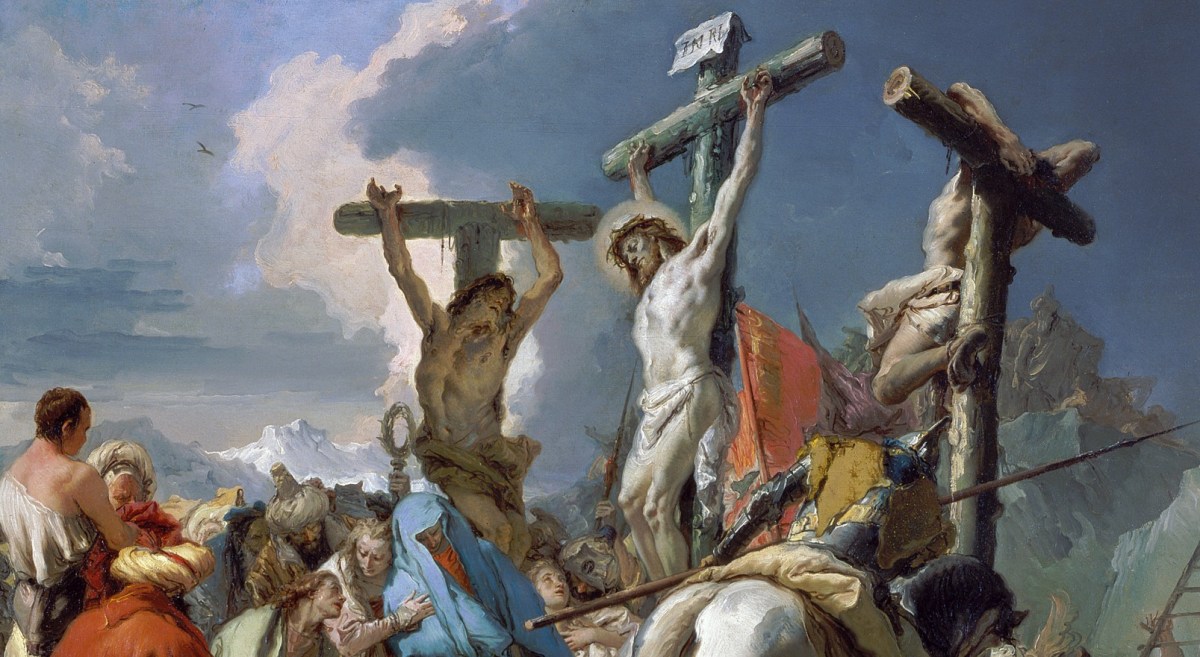
Venerdì Santo: la Crocifissione secondo Tiepolo
🇮🇹Nel giorno del Venerdì Santo, c’è un’opera che riesce ancora a scuotere lo sguardo. La Crocifissione di Giambattista Tiepolo non è come le altre: niente simmetrie perfette, niente distanza. Qui si entra dentro la scena, da un punto di vista obliquo, tra movimento, tensione e umanità… 🇬🇧On Good Friday, there’s a work that still manages…
Festival La Versiliana 2026: tra musica, teatro e grandi narrazioni
Dal 17 luglio al 23 agosto 2026, la pineta di Marina di Pietrasanta ospiterà la 47ª edizione del Festival La Versiliana. Una kermesse aperta a tutti nella quale linguaggi diversi dialogano tra loro in un equilibrio tra tradizione e contemporaneità.
Si è verificato un problema. Aggiorna la pagina e/o riprova in seguito.
Condividi:


Questo sono io





sostienici

Sostienici – Support Us
Se questo blog ti piace e ti appassiona, puoi aiutarci a farlo crescere sempre più sostenendoci in modo concreto condividendo i post, seguendo le pagine social e con un contributo che ci aiuta ad andare avanti con il nostro lavoro di divulgazione. . ENGLISH: If you like and are passionate about this blog, you can help us make it grow more and more by supporting us in a concrete way by sharing posts, following social pages and with a contribution that helps us to move forward with our dissemination work.
€10,00


1 commento »