
Il frontespizio di Palazzo Vecchio
Palazzo Vecchio, o Palazzo della Signoria come dir si voglia, era ed è ancora oggi il simbolo del potere a Firenze.
Venne edificato fra il Tredicesimo e il Quattordicesimo secolo per divenire la sede sia del Gonfaloniere di Giustizia che per accogliere i Priori delle Arti. Con il passare del tempo ha subito diverse modifiche e interventi che l’hanno reso quello che è oggi.
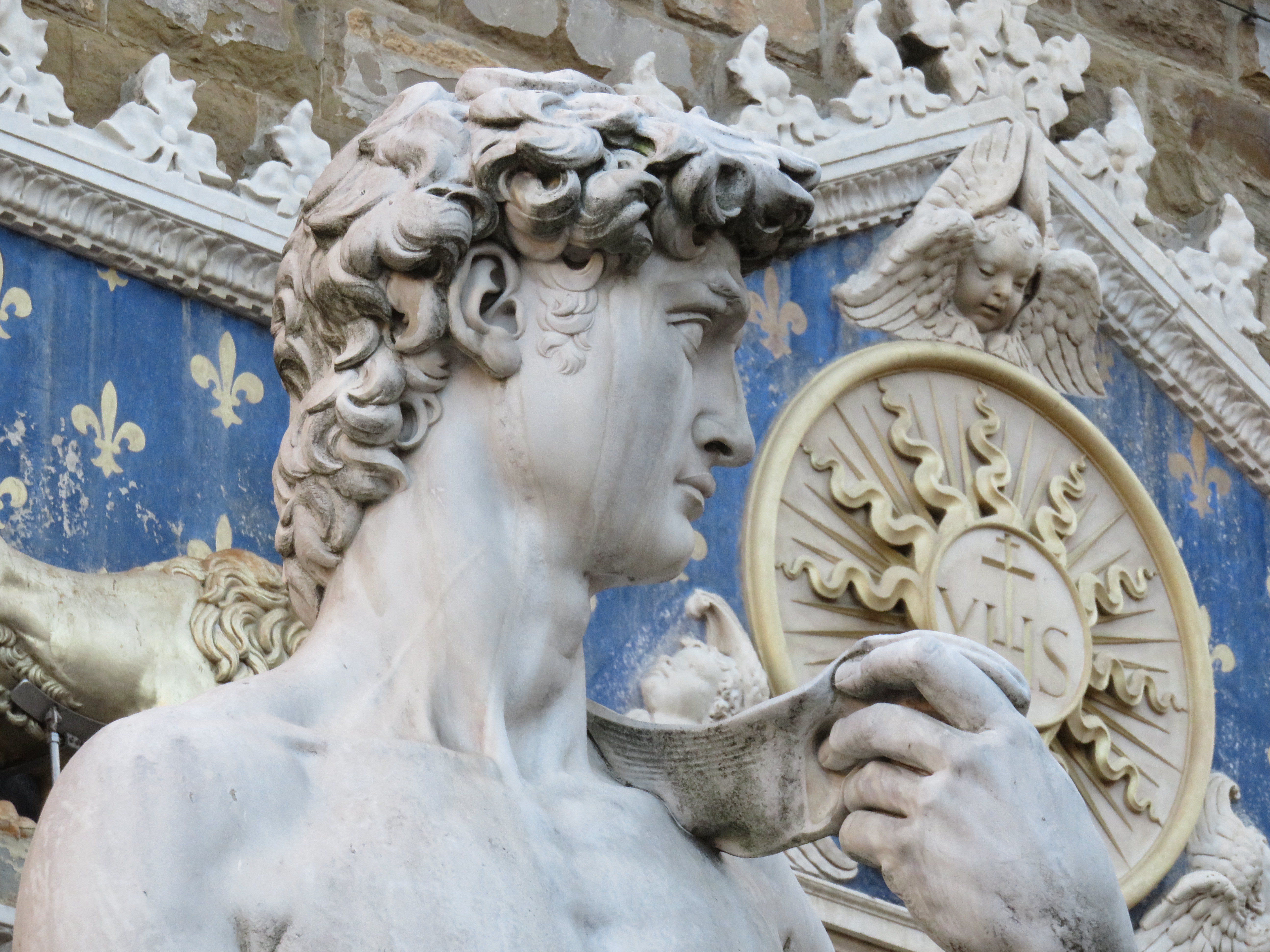
Chi si trova davanti all’entrata principale che si affaccia su Piazza della Signoria, non può fare a meno di notare il bel frontespizio che lo decora con quel suo blu intenso.
Cosa significa e perché sta lì?
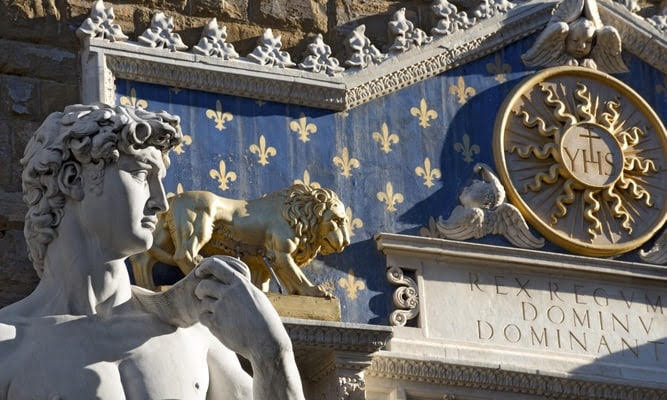
Provo a spiegarvelo senza dilungarmi troppo. Ebbene, il frontespizio in cui troneggia il monogramma raggiato di Cristo Re affiancato da due leoni dorati, venne realizzato nel 1528.
La scritta che si legge scolpita nel marmo invece è successiva.
La fece realizzare il gonfaloniere Niccolò Capponi nel 1551 per sostituire quella precedente che Savonarola aveva ispirato: Rex Regum et Dominus Dominatium ovvero Gesù Cristo, Re dei Re e Signore dei signori. Della dicitura precedente sono giunte fino ai nostri tempi versioni differenti ma il significato doveva essere qualcosa di vicino a Iesus Christus res florentini populi S:P: decretus electus.
Cosa significava questa dicitura?
Voleva semplicemente dire che Cristo era il re della città e che quindi nessuno avrebbe osato spodestarlo prendendo le redini del governo in carica.
Forse la prossima volta che vi troverete davanti all’ìentrata di Palazzo Vecchio, guarderete con altri occhi il frontespizio. Il sempre vostro Michelangelo Buonarroti e i suoi racconti
The frontispiece of Palazzo Vecchio
Palazzo Vecchio, or Palazzo della Signoria as you prefer, was and still is the symbol of power in Florence.
It was built between the thirteenth and fourteenth centuries to become the seat of both the Gonfaloniere di Giustizia and to accommodate the Priors of the Arts. Over time it has undergone several changes and interventions that have made it what it is today.
Those who find themselves in front of the main entrance overlooking Piazza della Signoria cannot help but notice the beautiful frontispiece that decorates it with its intense blue.
What does it mean and why is it there?
I try to explain it to you without going too far. Well, the frontispiece in which the radiated monogram of Christ the King stands flanked by two golden lions, was created in 1528.
The inscription that can be read carved in the marble is instead later.
The gonfalonier Niccolò Capponi had it built in 1551 to replace the previous one that Savonarola had inspired: Rex Regum et Dominus Dominatium or Jesus Christ, King of Kings and Lord of lords. Different versions of the previous wording have come down to our times but the meaning had to be something close to Iesus Christus res florentini populi S: P: decretus electus.
What did this term mean?
He simply meant that Christ was the king of the city and that therefore no one would dare to overthrow him by taking the reins of the current government.
Perhaps the next time you find yourself in front of the entrance to Palazzo Vecchio, you will look at the frontispiece with different eyes. Always yours Michelangelo Buonarroti and his stories

Sostienici – Support Us
Se questo blog ti piace e ti appassiona, puoi aiutarci a farlo crescere sempre più sostenendoci in modo concreto condividendo i post, seguendo le pagine social e con un contributo che ci aiuta ad andare avanti con il nostro lavoro di divulgazione. . ENGLISH: If you like and are passionate about this blog, you can help us make it grow more and more by supporting us in a concrete way by sharing posts, following social pages and with a contribution that helps us to move forward with our dissemination work.
5,00 €
ULTIMI ARTICOLI
Festival La Versiliana 2026: tra musica, teatro e grandi narrazioni
Dal 17 luglio al 23 agosto 2026, la pineta di Marina di Pietrasanta ospiterà la 47ª edizione del Festival La Versiliana. Una kermesse aperta a tutti nella quale linguaggi diversi dialogano tra loro in un equilibrio tra tradizione e contemporaneità.
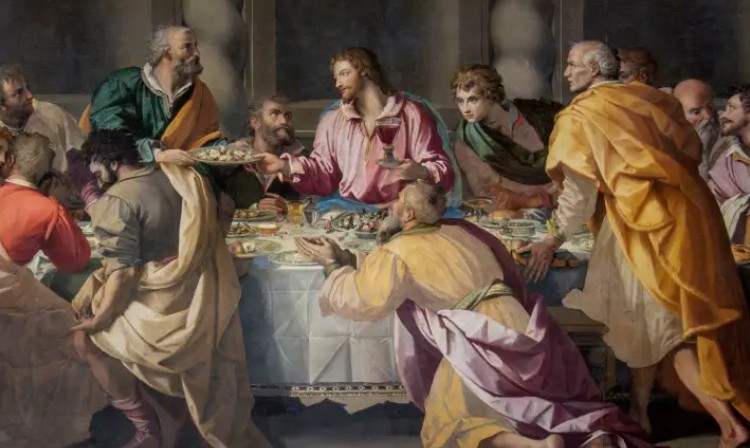
Giovedì Santo: l’Ultima Cena di Allori che pochi conoscono a Firenze
🇮🇹Nel cuore di Museo di Santa Maria Novella, a Firenze, si conserva una delle interpretazioni più affascinanti e meno note dell’Ultima Cena: quella realizzata da Alessandro Allori nel 1584… 🇬🇧In the heart of the Santa Maria Novella Museum in Florence, one of the most fascinating and least-known interpretations of the Last Supper is preserved: the…
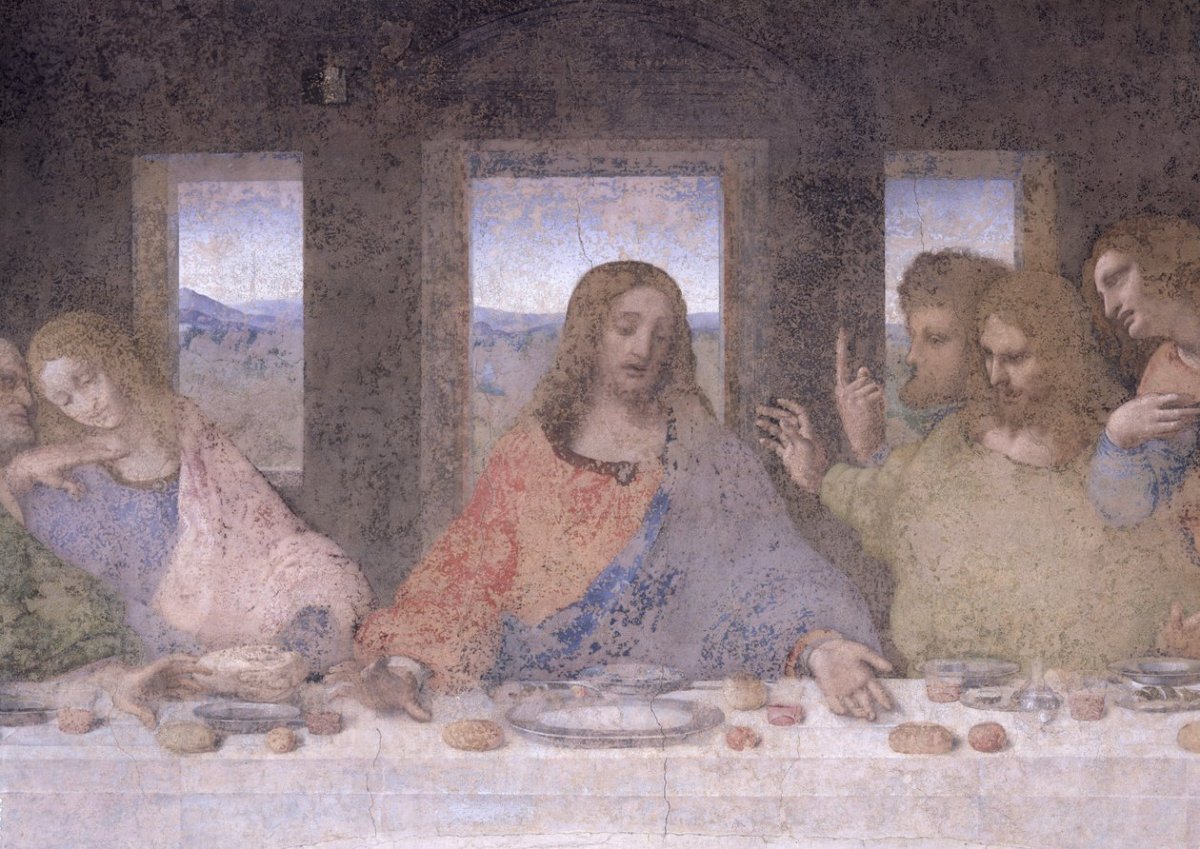
Cenacolo di Leonardo: i dettagli che raccontano il tradimento
🇮🇹Nel Cenacolo di Leonardo da Vinci, custodito a Santa Maria delle Grazie, Cristo annuncia il tradimento e il tempo si ferma… 🇬🇧In Leonardo da Vinci’s Last Supper, housed in Santa Maria delle Grazie, Christ announces the betrayal and time stands still…
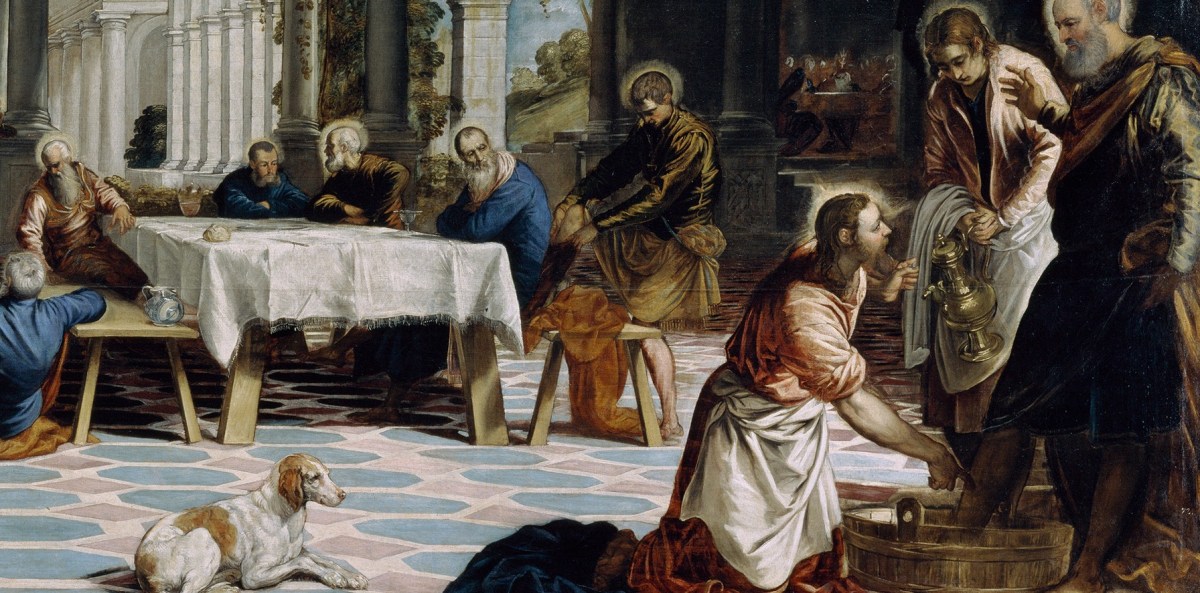
La Lavanda dei Piedi di Tintoretto: Il Capolavoro Veneziano al Prado
🇮🇹Tra i capolavori più affascinanti del Rinascimento veneziano, “La Lavanda dei Piedi” di Jacopo Tintoretto rappresenta un perfetto equilibrio tra spiritualità, innovazione compositiva e straordinaria forza narrativa… 🇬🇧Among the most fascinating masterpieces of the Venetian Renaissance, Jacopo Tintoretto’s “The Washing of the Feet” represents a perfect balance between spirituality, compositional innovation, and extraordinary narrative force…
Si è verificato un problema. Aggiorna la pagina e/o riprova in seguito.
Condividi:


Questo sono io





sostienici

Sostienici – Support Us
Se questo blog ti piace e ti appassiona, puoi aiutarci a farlo crescere sempre più sostenendoci in modo concreto condividendo i post, seguendo le pagine social e con un contributo che ci aiuta ad andare avanti con il nostro lavoro di divulgazione. . ENGLISH: If you like and are passionate about this blog, you can help us make it grow more and more by supporting us in a concrete way by sharing posts, following social pages and with a contribution that helps us to move forward with our dissemination work.
€10,00


1 commento »