
L’Urlo di Munch rubato durante le Olimpiadi: il clamoroso furto del 12 febbraio 1994
Il 12 febbraio 1994, mentre la Norvegia inaugurava le Olimpiadi invernali di Lillehammer sotto i riflettori internazionali, uno dei dipinti più celebri della storia dell’arte veniva rubato con sorprendente facilità. L’Urlo di Edvard Munch scompariva dalla National Gallery di Oslo in un’azione rapida e clamorosa destinata a diventare uno dei furti d’arte più noti del Novecento.
Il furto de L’Urlo il 12 febbraio 1994: come avvenne il colpo alla National Gallery di Oslo
Il colpo fu messo a segno nelle prime ore del mattino. I ladri approfittarono dell’attenzione mediatica concentrata sull’apertura dei Giochi Olimpici e di un sistema di sicurezza non adeguato al valore dell’opera.
Dopo aver forzato una finestra, entrarono nel museo, raggiunsero la sala dove era esposto il dipinto e lo staccarono dalla parete in pochi minuti.
Prima di fuggire, lasciarono un messaggio ironico e provocatorio: “Grazie per la scarsa sicurezza”. Una frase che amplificò l’imbarazzo delle istituzioni norvegesi e fece rapidamente il giro del mondo.
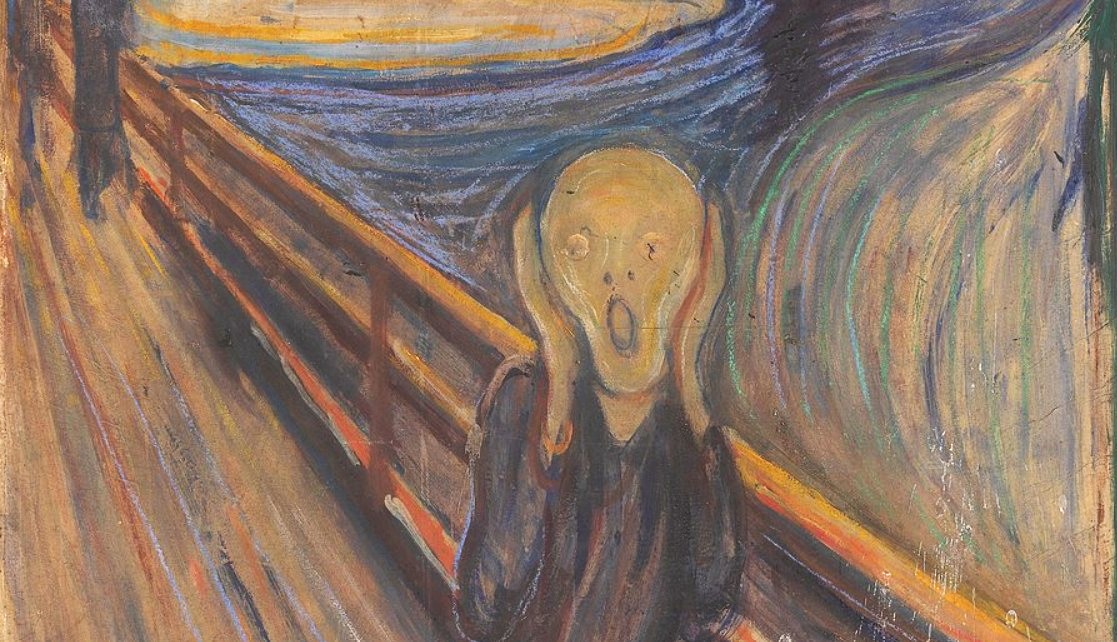
L’opera rubata era una delle versioni più importanti de L’Urlo, realizzata da Munch nel 1893. Già all’epoca considerata un’icona assoluta dell’arte moderna, rappresentava – e rappresenta tuttora – una delle immagini più riconoscibili della cultura occidentale.
Perché L’Urlo di Munch è uno dei dipinti più famosi al mondo
L’Urlo non è soltanto un capolavoro dell’Espressionismo, ma un simbolo universale dell’angoscia esistenziale. La figura centrale, deformata e disperata, si staglia su un ponte sotto un cielo rosso infuocato, in un paesaggio che sembra vibrare di tensione emotiva.
Munch realizzò diverse versioni dell’opera tra il 1893 e il 1910, utilizzando tecniche differenti. Il dipinto rubato nel 1994 apparteneva alla collezione della National Gallery di Oslo ed era considerato uno dei pezzi più preziosi del patrimonio artistico norvegese.
La sua notorietà internazionale rese il furto ancora più clamoroso: non si trattava di un’opera facilmente collocabile sul mercato nero, ma di un’immagine immediatamente riconoscibile, impossibile da vendere senza attirare l’attenzione globale.
Le indagini internazionali per ritrovare L’Urlo
Subito dopo la scoperta del furto, la polizia norvegese avviò un’indagine su vasta scala. Il caso attirò l’attenzione di investigatori di diversi Paesi e dell’FBI, consapevoli che i furti di opere d’arte di tale valore sono spesso collegati a reti criminali organizzate.
Le autorità temevano che il dipinto potesse essere danneggiato o utilizzato come merce di scambio in ambienti illegali. Le indagini si concentrarono su criminali locali già noti per furti d’arte, mentre parallelamente veniva organizzata un’operazione sotto copertura.
Alcuni investigatori si finsero intermediari di un museo straniero disposto a pagare per il recupero dell’opera. Questa strategia permise di stabilire un contatto con i responsabili del furto e di monitorarne i movimenti.
Il ritrovamento de L’Urlo il 7 maggio 1994
Dopo mesi di trattative e appostamenti, il 7 maggio 1994 la polizia fece irruzione in un albergo ad Åsgårdstrand, a sud di Oslo. Lì, nascosto in una stanza, venne ritrovato il dipinto.
Fortunatamente, L’Urlo era in buone condizioni e non aveva subito danni significativi. Il recupero fu accolto con enorme sollievo in Norvegia e nel mondo dell’arte. Il capolavoro tornò alla National Gallery, dove furono immediatamente rafforzate le misure di sicurezza.
Le conseguenze del furto e l’impatto sulla sicurezza dei musei
Il furto del 1994 mise in evidenza la vulnerabilità dei musei, anche di fronte a opere di fama mondiale. L’episodio portò a una revisione profonda dei sistemi di protezione delle collezioni pubbliche in Norvegia e contribuì a una maggiore attenzione internazionale sul tema della sicurezza museale.
La storia de L’Urlo non si concluse definitivamente con questo episodio. Nel 2004, un’altra versione del dipinto, custodita al Museo Munch di Oslo, fu rubata insieme alla Madonna dello stesso artista in una rapina a mano armata. Anche in quel caso le opere furono recuperate, ma il furto del 1994 resta uno dei più emblematici per modalità, tempistica e impatto mediatico.
Quel 12 febbraio 1994, mentre il mondo guardava agli atleti sulle piste innevate di Lillehammer, uno dei volti più celebri dell’arte moderna veniva sottratto in silenzio da una parete di museo. Il suo recupero, pochi mesi dopo, trasformò un clamoroso fallimento della sicurezza in una delle operazioni di recupero più significative della storia dell’arte contemporanea.
Per il momento il sempre vostro Michelangelo Buonarroti vi saluta dandovi appuntamento ai prossimi post e sui social.
Munch’s Scream Stolen During the Olympics: The Sensational Theft of February 12, 1994
On February 12, 1994, as Norway opened the Lillehammer Winter Olympics under the international spotlight, one of the most famous paintings in art history was stolen with astonishing ease. Edvard Munch’s Scream disappeared from the National Gallery in Oslo in a swift and sensational move that would become one of the most notorious art thefts of the twentieth century.
The Theft of The Scream on February 12, 1994: How the National Gallery Heist Happened
The theft occurred in the early hours of the morning. The thieves took advantage of the media attention focused on the opening of the Olympic Games and a security system inadequate for the value of the work. After forcing a window, they entered the museum, reached the room where the painting was displayed, and removed it from the wall in a matter of minutes.
Before fleeing, they left an ironic and provocative message: “Thank you for the poor security.” A phrase that amplified the embarrassment of Norwegian institutions and quickly spread around the world.
The stolen work was one of the most important versions of The Scream, created by Munch in 1893. Already considered an absolute icon of modern art at the time, it represented—and still represents—one of the most recognizable images of Western culture.
Why Munch’s The Scream is one of the most famous paintings in the world
The Scream is not only a masterpiece of Expressionism, but a universal symbol of existential anguish. The central figure, deformed and desperate, stands out on a bridge under a fiery red sky, in a landscape that seems to vibrate with emotional tension.
Munch created several versions of the work between 1893 and 1910, using different techniques. The painting stolen in 1994 belonged to the collection of the National Gallery in Oslo and was considered one of the most valuable pieces of Norwegian art.
Its international fame made the theft even more sensational: it was not a work easily sold on the black market, but an instantly recognizable image, impossible to sell without attracting global attention.
International Investigations to Find The Scream
Immediately after the theft was discovered, Norwegian police launched a large-scale investigation. The case attracted the attention of investigators from several countries and the FBI, aware that thefts of such valuable works of art are often linked to organized criminal networks.
Authorities feared that the painting could be damaged or used as a bargaining chip in illegal circles. The investigation focused on local criminals already known for art thefts, while a parallel undercover operation was organized.
Some investigators posed as intermediaries for a foreign museum willing to pay for the recovery of the work. This strategy made it possible to establish contact with those responsible for the theft and monitor their movements.
The Discovery of The Scream on May 7, 1994
After months of negotiations and stakeouts, on May 7, 1994, the police raided a hotel in Åsgårdstrand, south of Oslo. There, hidden in a room, the painting was found.
Fortunately, The Scream was in good condition and had not suffered significant damage. The recovery was greeted with enormous relief in Norway and the art world. The masterpiece returned to the National Gallery, where security measures were immediately strengthened.
The Consequences of the Theft and the Impact on Museum Security
The 1994 theft highlighted the vulnerability of museums, even when faced with world-famous works. The incident led to a profound review of the protection systems for public collections in Norway and contributed to greater international attention to the issue of museum security.
The story of The Scream didn’t end with this episode. In 2004, another version of the painting, housed at the Munch Museum in Oslo, was stolen along with the artist’s Madonna in an armed robbery. The works were also recovered, but the 1994 theft remains one of the most emblematic in terms of its method, timing, and media impact.
On February 12, 1994, while the world watched the athletes on the snowy slopes of Lillehammer, one of the most celebrated faces in modern art was quietly removed from a museum wall. Its recovery, a few months later, transformed a resounding security failure into one of the most significant recovery operations in the history of contemporary art.
For now, yours truly, Michelangelo Buonarroti bids you farewell and invites you to join him in future posts and on social media.

Sostienici – Support Us
Se questo blog ti piace e ti appassiona, puoi aiutarci a farlo crescere sempre più sostenendoci in modo concreto condividendo i post, seguendo le pagine social e con un contributo che ci aiuta ad andare avanti con il nostro lavoro di divulgazione. . ENGLISH: If you like and are passionate about this blog, you can help us make it grow more and more by supporting us in a concrete way by sharing posts, following social pages and with a contribution that helps us to move forward with our dissemination work.
10,00 €
Articoli
Condividi:


Questo sono io





sostienici

Sostienici – Support Us
Se questo blog ti piace e ti appassiona, puoi aiutarci a farlo crescere sempre più sostenendoci in modo concreto condividendo i post, seguendo le pagine social e con un contributo che ci aiuta ad andare avanti con il nostro lavoro di divulgazione. . ENGLISH: If you like and are passionate about this blog, you can help us make it grow more and more by supporting us in a concrete way by sharing posts, following social pages and with a contribution that helps us to move forward with our dissemination work.
€10,00


