

Chiude lo Studiolo del duca di Montefeltro: ultima settimana per vederlo
La Galleria Nazionale delle Marche sta per chiudere al pubblico il celeberrimo Studiolo del duca di Montefeltro. Da Domenica 4 novembre non sarà più possibile visitarlo per esigenze di rifunzionalizzazione degli impianti e la riapertura è prevista nel periodo pasquale.
L’ambiente “sarà interessato da interventi di rifunzionalizzazione degli impianti che rispecchiano la nostra volontà – ha detto il Direttore della Galleria Nazionale delle Marche, Luigi Gallo – di offrire un Palazzo Ducale sempre più accessibile, in grado di rispondere alle moderne esigenze della museografia e di emozionare il visitatore che arriva a Urbino“.

Lo Studiolo
Lo Studiolo si trova all’interno dell’appartamento di Federico da Montefeltro e da parte di un insieme di camere tra le più private della residenza assieme alle cappelle del Perdono e delle Muse e di Apollo al pianterreno e al bagno nel primo seminterrato.
L’ambiente poteva accogliere pochi ospiti eccellenti ed è dotato di due ingressi: dal lato pubblico dell’anticamera e da quello privato della guardaroba.
Dal suo interno si poteva accedere al secondo livello della loggia monumentale, tra le grandi torri capaci di impressionare qualsiasi visitatore che giungesse in città. Da lassù Federico dominava i suoi territori: dalle terre d’origine del vecchio Montefeltro fino a Gubbio.
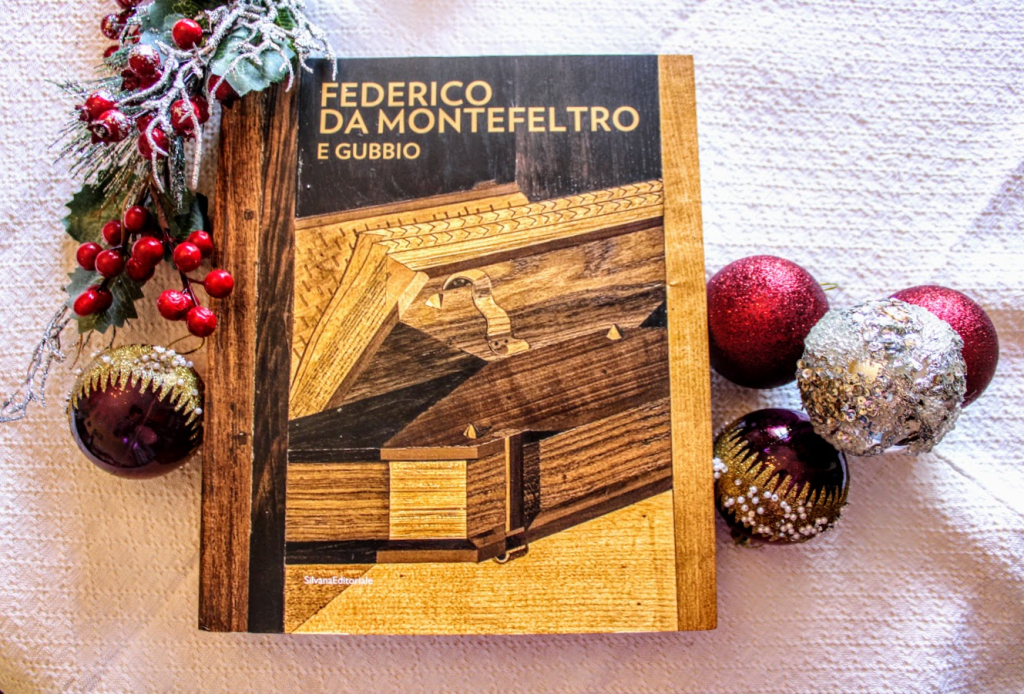
Vespasiano da Bisticci, mercante di libri fiorentino che lavorò a lungo per arricchire la biblioteca del Montefeltro, descrisse così lo Studiolo nei primi anno Ottanta del Quattrocento:
“Della pitura [Federico da Montefeltro] n’era intendentissimo, et per non trovare maestri a suo modo in Italia, che sapessino colorire in tavole ad olio, mandò infino in Fiandra per trovare uno maestro solenne, et fello venire a Urbino, dove fece fare molte piture di sua mano solennissime, et maxime in uno suo istudio, dove fece dipingere e’ filosofi et poeti e tutti e’ dottori della Chiesa, così greca come latina, fatti con uno meraviglioso artificio (…). In fra l’altre [commissioni] fece fare lavori sì degni a tutti gli usci delle camere sua, in modo che di pennello le figure che v’erano non si sarebono fatte più degne di quelle, et èvi uno istudio lavorato con tanto mirabile artificio, che sendo fatto col pennello, o d’ariento, o di rilievo, non sarebe possibile che si paregiassi a quello”.
Per il momento il sempre vostro Michelangelo Buonarroti vi saluta dandovi appuntamento ai prossimi post e sui social.
The Studiolo of the Duke of Montefeltro is closing: last week to see it
The Galleria Nazionale delle Marche is about to close the famous Studiolo of the Duke of Montefeltro to the public. From Sunday 4 November it will no longer be possible to visit it due to the need to repurpose the systems and the reopening is scheduled for the Easter period.
The environment “will be affected by interventions to repurpose the systems that reflect our desire – said the Director of the Galleria Nazionale delle Marche, Luigi Gallo – to offer an increasingly accessible Ducal Palace, able to respond to the modern needs of museography and to excite the visitor who comes to Urbino”.
The Studiolo
The Studiolo is located inside the apartment of Federico da Montefeltro and part of a group of rooms among the most private of the residence together with the chapels of Forgiveness and of the Muses and of Apollo on the ground floor and the bathroom in the first basement.
The space could accommodate a few distinguished guests and has two entrances: from the public side of the antechamber and from the private side of the wardrobe.
From inside, one could access the second level of the monumental loggia, between the large towers capable of impressing any visitor who came to the city. From up there, Federico dominated his territories: from the lands of origin of the old Montefeltro to Gubbio.
Vespasiano da Bisticci, a Florentine book merchant who worked long and hard to enrich the Montefeltro library, described the Studiolo in the early 1480s as follows:
“He [Federico da Montefeltro] was very knowledgeable about painting, and since he could not find masters of his style in Italy who knew how to color oil paintings, he sent all the way to Flanders to find a great master, and had him come to Urbino, where he had many very great paintings made by his own hand, and especially in his studio, where he had philosophers and poets and all the doctors of the Church, both Greek and Latin, painted with a marvelous skill (…). Among other [commissions] he had such worthy works done on all the doors of his rooms, so that with a brush the figures that were there could not have been made more worthy than those, and there is a study worked with such admirable artifice, that if it had been done with a brush, or in silver, or in relief, it would not have been possible for it to be equal to that one”.
For the moment, yours ever Michelangelo Buonarroti greets you, making an appointment with you in the next posts and on social media.

Sostienici – Support Us
Se questo blog ti piace e ti appassiona, puoi aiutarci a farlo crescere sempre più sostenendoci in modo concreto condividendo i post, seguendo le pagine social e con un contributo che ci aiuta ad andare avanti con il nostro lavoro di divulgazione. . ENGLISH: If you like and are passionate about this blog, you can help us make it grow more and more by supporting us in a concrete way by sharing posts, following social pages and with a contribution that helps us to move forward with our dissemination work.
10,00 €
-
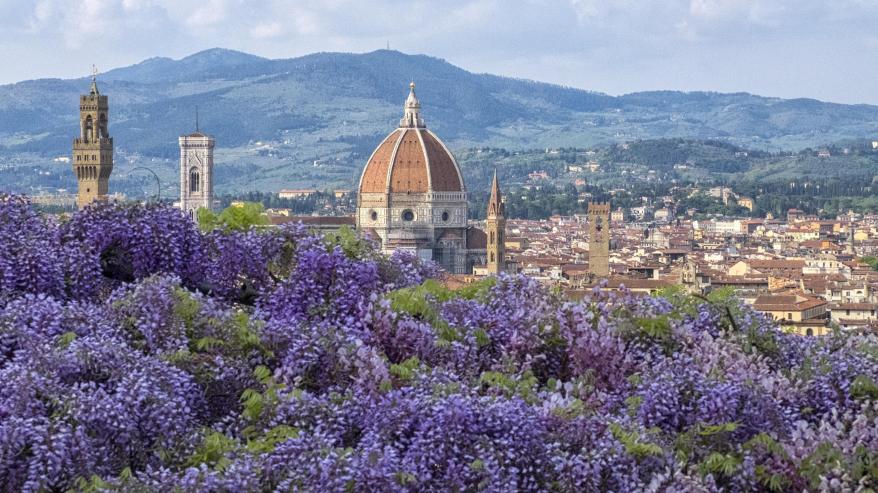
Sotto un cielo di glicine: la magia di Villa Bardini
🇮🇹Per pochi giorni all’anno, il pergolato di Villa Bardini si trasforma in un tunnel lilla lungo 70 metri, dove profumo e bellezza si intrecciano sopra una delle viste più romantiche di Firenze… 🇬🇧For a few days a year, the pergola of Villa Bardini transforms into a 70-meter-long lilac tunnel, where scent and beauty intertwine above…
-
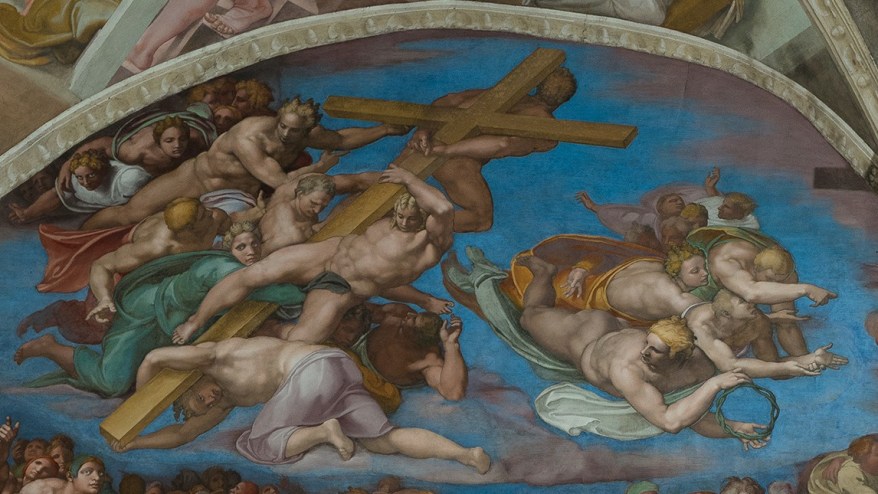
Come se la giustizia negata in vita possa compiersi altrove
🇮🇹Se davvero l’anima, una volta sciolta dal corpo, ritorna sulla terra per vivere ancora, così mi domando, quale sorte attende chi oggi appare tanto bella ai miei occhi, ma così crudele nel cuore? 🇬🇧If the soul, once freed from the body, truly returns to earth to live again, I ask myself, what fate awaits the…
-
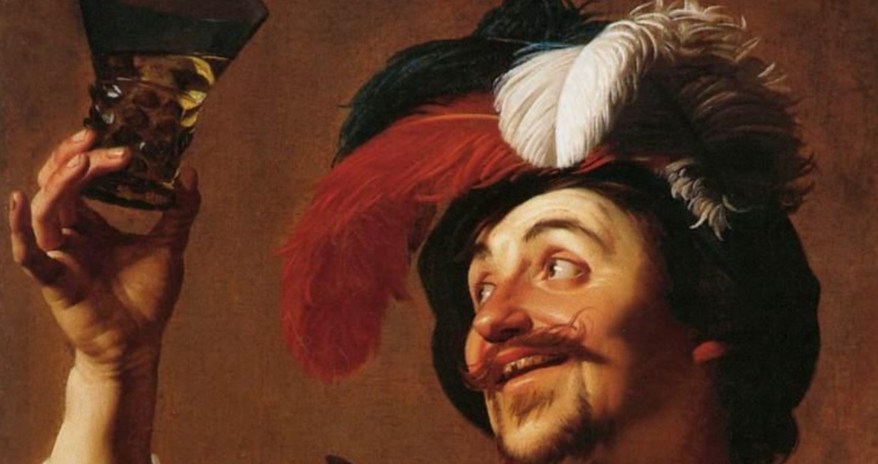
Quel sorriso del violinista felice di Gerrit van Honthorst
🇮🇹Un brindisi, un sorriso, una luce che taglia il buio. Conoscete il dipinto del violinista felice con un bicchiere di vino (1624) di Gerrit van Honthorst?… 🇬🇧A toast, a smile, a light that cuts through the darkness. Are you familiar with the painting of the Happy Violinist with a Glass of Wine (1624) by Gerrit…
Condividi:


Questo sono io





sostienici

Sostienici – Support Us
Se questo blog ti piace e ti appassiona, puoi aiutarci a farlo crescere sempre più sostenendoci in modo concreto condividendo i post, seguendo le pagine social e con un contributo che ci aiuta ad andare avanti con il nostro lavoro di divulgazione. . ENGLISH: If you like and are passionate about this blog, you can help us make it grow more and more by supporting us in a concrete way by sharing posts, following social pages and with a contribution that helps us to move forward with our dissemination work.
€10,00


