

Soffitto del Vasari di Palazzo Corner: storia e ricomposizione. Visibile da domani
Dopo cinquecento anni dalla sua realizzazione, finalmente domani 28 agosto verrà mostrato al pubblico il soffitto ricomposto che il mio caro amico Giorgio Vasari aveva dipinto per decorare Palazzo Corner Spinelli a Venezia.
Formato da nove pannelli, alla fine del Settecento fu smontato e le varie parti vennero disperse in collezioni italiane ed estere.
Il Ministero della Cultura, negli ultimi 40 anni è riuscito a riacquistare tutte le tavole meno quella di un putto che ancora manca all’appello.
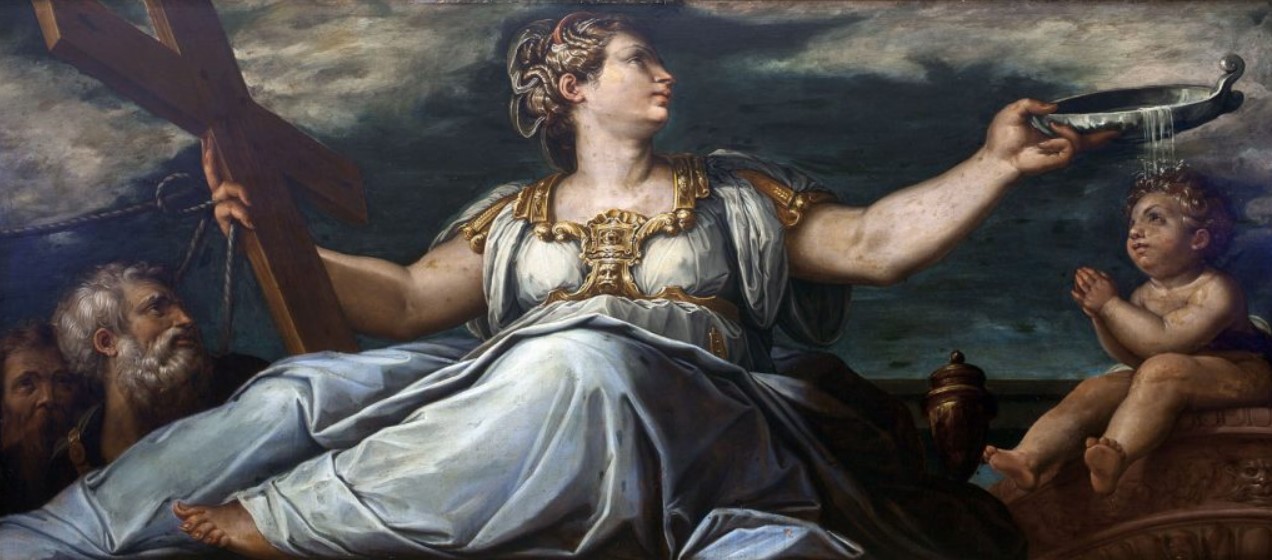
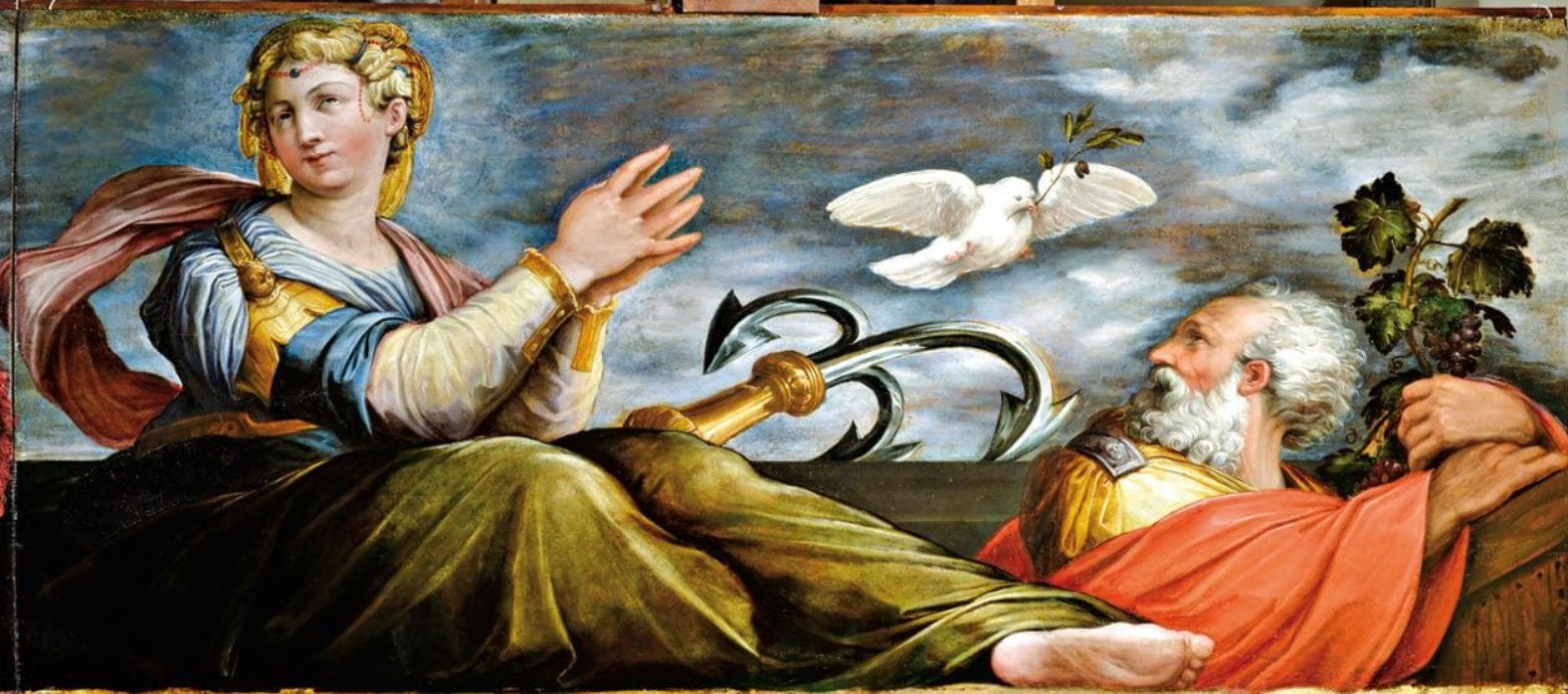
Le cinque Allegorie delle Virtù, Carità, Fede, Speranza, Giustizia e Pazienza, con i tre putti negli angoli sono state riunite alle Gallerie dell’Accademia di Venezia e per la prima volta rimontate insieme divenendo parte integrante della collezione permanente.
La ricostruzione del soffitto ha richiesto un enorme lavoro di ricerca e di foundraising ma finalmente l’opera è stata ricomposta in una sala interamente dedicata, situata lungo la loggia palladiana.
Collocata a soffitto, sarà possibile ammirarla in un ambiente immersivo mirato a riproporre le sembianze della camera di Palazzo Corner.

Fu Giovanni Corner a commissionare nel 1542 la decorazione del soffitto della ‘camera nova’ del proprio palazzo ubicato sul Canal Grande.
Vasari realizzò le nove tavole durante la sua permanenza a Venezia con l’aiuto di Cristoforo Gherardi e Battista Cungi.
Per il momento il sempre vostro Michelangelo Buonarroti vi saluta dandovi appuntamento ai prossimi post e sui social.
© Riproduzione riservata
Vasari: the painted ceiling for Palazzo Corner Spinelli in Venice has been recomposed
Five hundred years after its creation, the recomposed ceiling that my dear friend Giorgio Vasari painted to decorate Palazzo Corner Spinelli in Venice will finally be shown to the public tomorrow, August 28.
Made up of nine panels, at the end of the eighteenth century it was dismantled and the various parts were dispersed in Italian and foreign collections. Over the last 40 years, the Ministry of Culture has managed to reacquire all the panels except for the one with a putto that is still missing.
The five Allegories of the Virtues, Charity, Faith, Hope, Justice and Patience, with the three putti in the corners have been reunited at the Gallerie dell’Accademia in Venice and reassembled together for the first time, becoming an integral part of the permanent collection.
The reconstruction of the ceiling required a huge amount of research and fundraising, but the work has finally been recomposed in a room entirely dedicated to it, located along the Palladian loggia. Placed on the ceiling, it will be possible to admire it in an immersive environment aimed at reproducing the appearance of the room of Palazzo Corner.
Giovanni Corner commissioned the decoration of the ceiling of the ‘camera nova’ of his palace located on the Grand Canal in 1542.
Vasari created the nine panels during his stay in Venice with the help of Cristoforo Gherardi and Battista Cungi.
For the moment, yours truly Michelangelo Buonarroti bids you farewell, making an appointment with you in the next posts and on social media.
© All rights reserved

Sostienici – Support Us
Se questo blog ti piace e ti appassiona, puoi aiutarci a farlo crescere sempre più sostenendoci in modo concreto condividendo i post, seguendo le pagine social e con un contributo che ci aiuta ad andare avanti con il nostro lavoro di divulgazione. . ENGLISH: If you like and are passionate about this blog, you can help us make it grow more and more by supporting us in a concrete way by sharing posts, following social pages and with a contribution that helps us to move forward with our dissemination work.
10,00 €
-
Il mio primo soggiorno a Bologna e l’incontro con Giovan Francesco Aldrovandi
🇮🇹Fuggii da Firenze a soli 19 anni. Senza certezze, senza protezioni. Solo con il mio talento. A Bologna trovai rifugio nella casa di Giovan Francesco Aldrovandi… 🇬🇧I fled Florence at just 19. Without certainties, without protection. Only with my talent. In Bologna, I found refuge in the home of Giovan Francesco Aldrovandi…
-
11 aprile 1514: muore Donato Bramante, il genio della scala elicoidale
🇮🇹Era l’11 aprile 1514 quando Donato Bramante morì a Roma. La sua scomparsa non cancellò però le tensioni, le rivalità e i giudizi contrastanti che avevano accompagnato tutta la sua carriera… 🇬🇧It was April 11, 1514, when Donato Bramante died in Rome. His passing, however, did not erase the tensions, rivalries, and conflicting opinions that…
-
Dentro l’hangar 12 del Carnevale di Viareggio: dove la cartapesta prende vita con Marzia Etna
🇮🇹Ho incontrato Marzia Etna, maestra carrista da 40 anni: mentre racconta, le brillano gli occhi. E capisci subito una cosa: questo non è solo un lavoro, è vita tra carta a calco, ferro e sogni… 🇬🇧I met Marzia Etna, a master float builder for 40 years: her eyes sparkle as she talks. And you immediately…
Condividi:


Questo sono io





sostienici

Sostienici – Support Us
Se questo blog ti piace e ti appassiona, puoi aiutarci a farlo crescere sempre più sostenendoci in modo concreto condividendo i post, seguendo le pagine social e con un contributo che ci aiuta ad andare avanti con il nostro lavoro di divulgazione. . ENGLISH: If you like and are passionate about this blog, you can help us make it grow more and more by supporting us in a concrete way by sharing posts, following social pages and with a contribution that helps us to move forward with our dissemination work.
€10,00


