
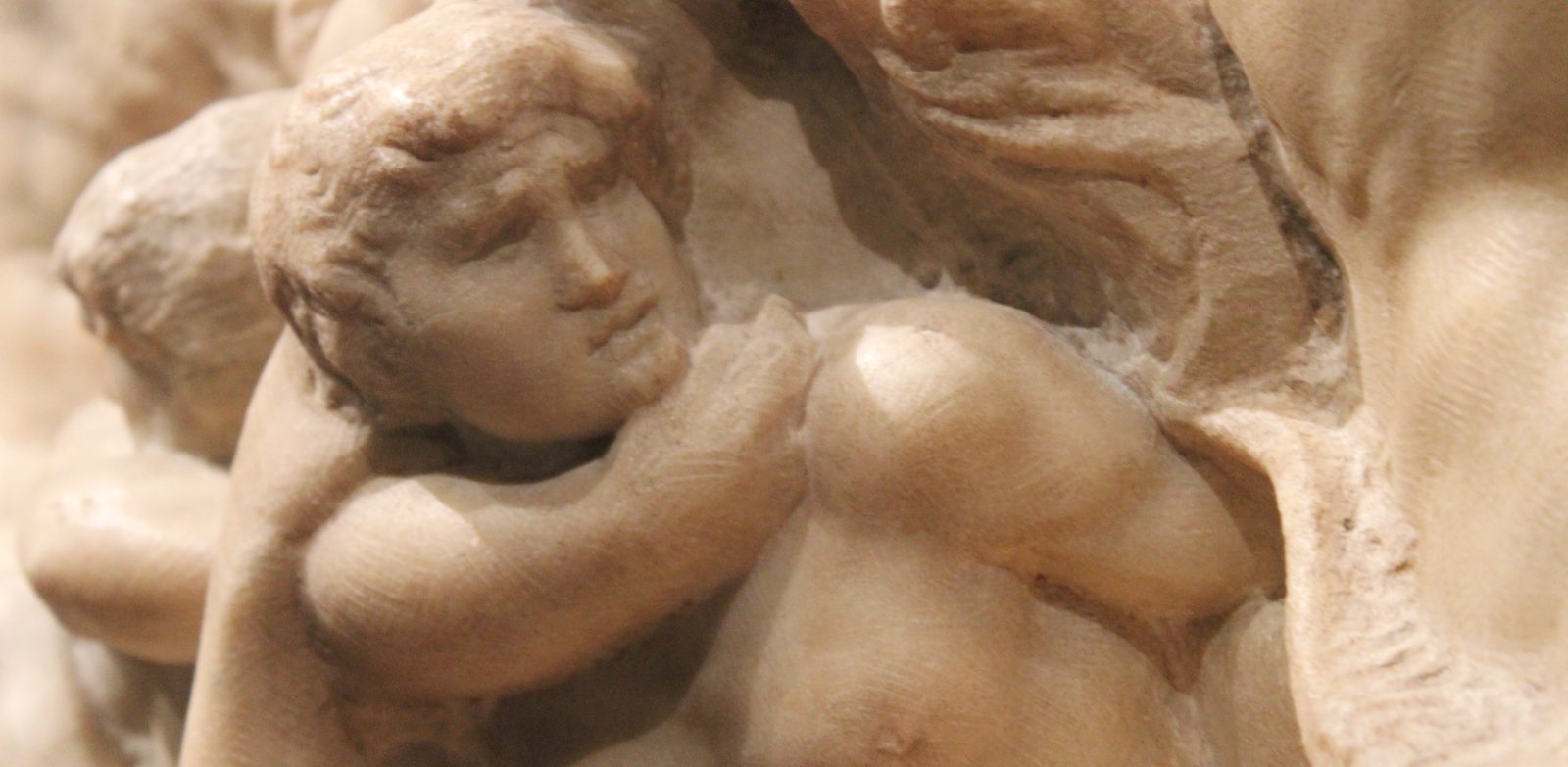
Le Tre età di Klimt a Perugia
Avete tempo fino al 15 settembre per ammirare Le Tre Età di Klimt alla Galleria Nazionale dell’Umbria. La celeberrima opera dipinta a olio su tela da Gustav Klimt nel 1905, è frutto della maturità dell’artista.
Abitualmente è custodita presso la Galleria Nazionale d’Arte Moderna e Contemporanea di Roma ma al momento è esposta a Perugia. L’opera è stata affiancata da una selezione di dipinti di altri artisti a lui contemporanei per raccontare l’epoca della sua creazione, il contesto storico culturale e i temi affrontati.
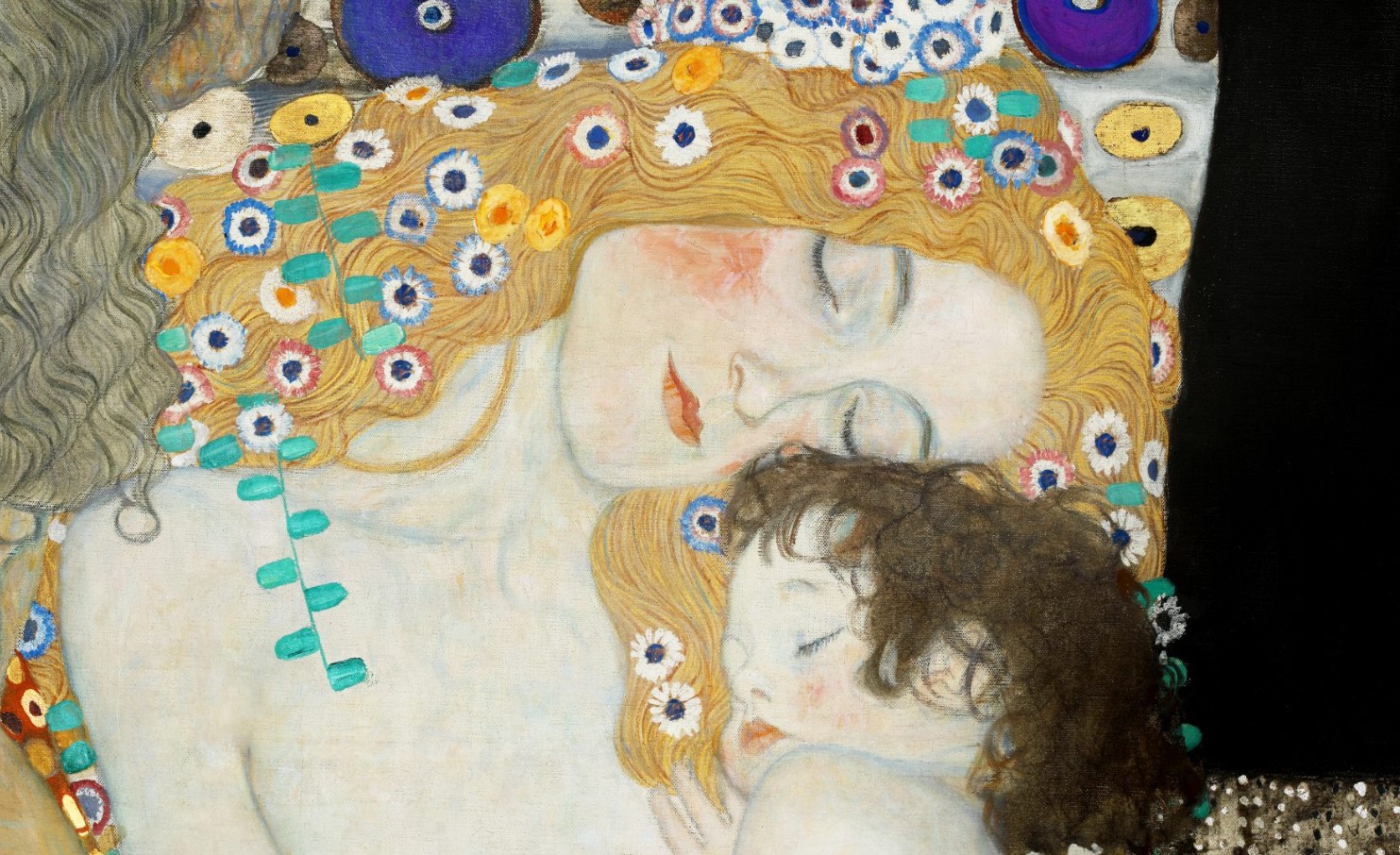
Ad introdurre il capolavoro di Klimt sono proposti disegni, dipinti e ceramiche ispirate al maestro viennese, realizzate da Galileo Chini.
All’inizio della mostra è possibile entrare in una sala virtuale dove sono illustrati i maggiori dipinti dell’artista e viene descritto nei minimi particolari il capolavoro Le tre età, prima di poterlo osservare dal vero.
Il tema delle tre età è ricorrente nella storia dell’arte ma spesso è dedicato agli uomini e non alle donne come in questo caso. Basti pensare a Giorgione, Tiziano, Van Dyck, Friedrich per citare solo alcuni dei pittori maestri che si cimentano con questo soggetto.
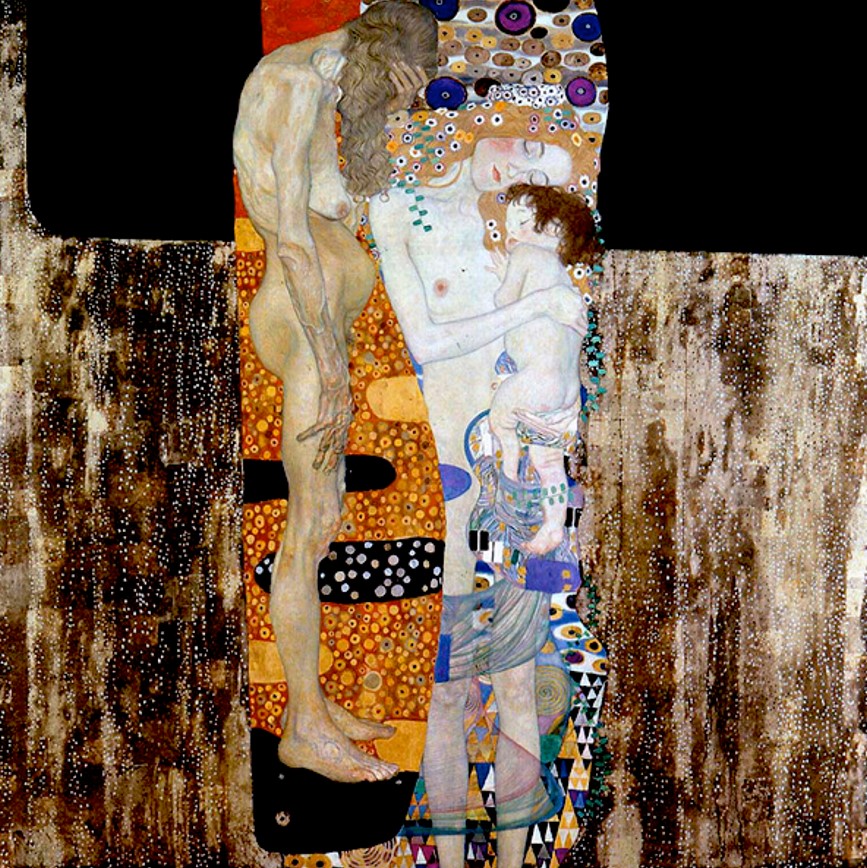
Tre corpi femminili di Klimt, stretti tra due ali di pioggia che cade da una superficie nera compatta, è uno dei brani di pittura più celebri dell’artista.
La donna più anziana possiede un corpo dal volume deciso, che si impone con le sue ombre portate all’altezza del ventre, della schiena e del collo, mentre esplora lo spazio con i piedi dipinti in perfetta prospettiva. La giovane madre ha un corpo quasi a due dimensioni, bianco, diafano, alleggerito dall’assenza dei piedi, ma Klimt concentra la nostra attenzione piuttosto sul suo viso, immerso in una chioma bionda arricchita di fiori.
La giovane dorme beata con la figlia in braccio chiudendo il cerchio della vita.
L’accesso alla mostra è incluso nel biglietto di ingresso della Galleria, che permette la visita anche a Fulvio Roiter. Umbria, una storia d’amore.
Per il momento il sempre vostro Michelangelo Buonarroti vi saluta dandovi appuntamento ai prossimi post e sui social.
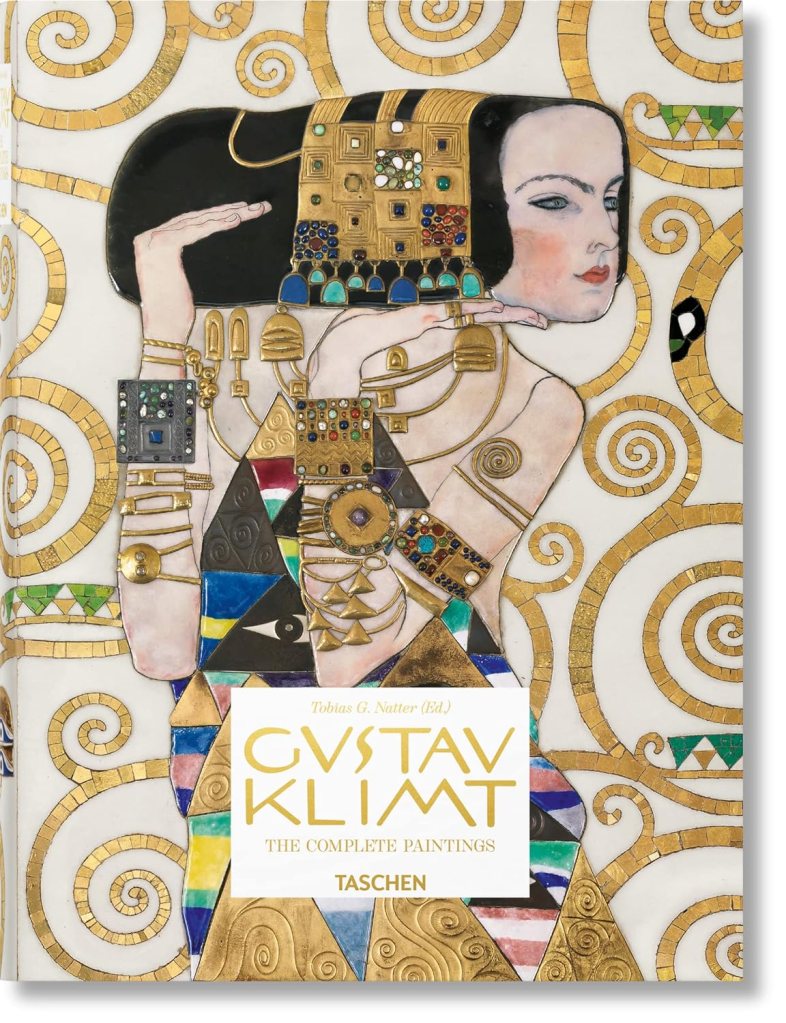
Klimt’s Three Ages in Perugia
You have until September 15th to admire Klimt’s Three Ages at the National Gallery of Umbria.
The work was created in oil on canvas by Gustav Klimt in 1905
It is usually kept at the National Gallery of Modern and Contemporary Art in Rome but is currently on display in Perugia. The work was accompanied by a selection of paintings by other contemporary artists to tell the story of the era of its creation, the historical cultural context and the themes addressed.
To introduce Klimt’s masterpiece, drawings, paintings and ceramics inspired by the Viennese master, created by Galileo Chini, are proposed.
At the beginning of the exhibition it is possible to enter a virtual room – created with the contribution of the Perugia Foundation – where the artist’s major paintings are illustrated and The Three Ages is described in detail, before being able to observe it in real life.
The theme of the three ages is recurring in the history of art but is often dedicated to men and not to women as in this case. Just think of Giorgione, Titian, Van Dyck, Friedrich to name just some of the master painters who experimented with this subject.
Three female bodies by Klimt, squeezed between two wings of rain falling from a compact black surface is one of the artist’s most famous pieces of painting. The older woman has a body with a strong volume, which imposes itself with her shadows brought to the height of her belly, back and neck, while she explores the space with her feet painted in perfect perspective. The young mother has an almost two-dimensional body, white, diaphanous, lightened by the absence of feet, but Klimt focuses our attention rather on her face, immersed in blonde hair enriched with flowers.
The young woman sleeps blissfully with her daughter in her arms, closing the circle of her life.
Access to the exhibition is included in the entrance ticket to the Gallery, which also allows Fulvio Roiter to visit. Umbria, a love story.
For the moment, your always Michelangelo Buonarroti greets you and will meet you in the next posts and on social media.

Sostienici – Support Us
Se questo blog ti piace e ti appassiona, puoi aiutarci a farlo crescere sempre più sostenendoci in modo concreto condividendo i post, seguendo le pagine social e con un contributo che ci aiuta ad andare avanti con il nostro lavoro di divulgazione. . ENGLISH: If you like and are passionate about this blog, you can help us make it grow more and more by supporting us in a concrete way by sharing posts, following social pages and with a contribution that helps us to move forward with our dissemination work.
10,00 €
-
Festival La Versiliana 2026: tra musica, teatro e grandi narrazioni
Dal 17 luglio al 23 agosto 2026, la pineta di Marina di Pietrasanta ospiterà la 47ª edizione del Festival La Versiliana. Una kermesse aperta a tutti nella quale linguaggi diversi dialogano tra loro in un equilibrio tra tradizione e contemporaneità.
-
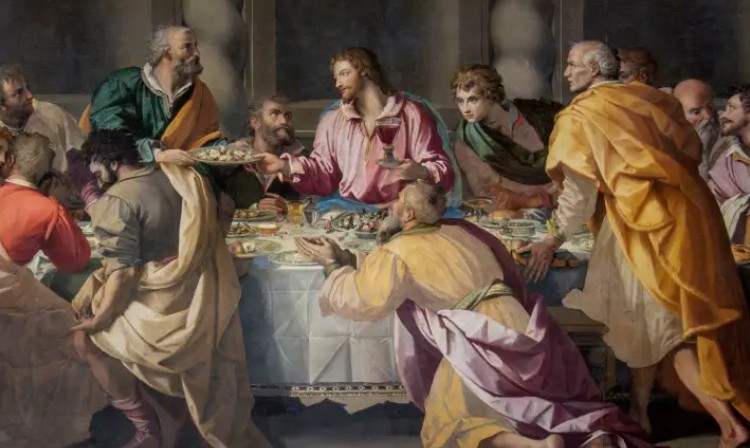
Giovedì Santo: l’Ultima Cena di Allori che pochi conoscono a Firenze
🇮🇹Nel cuore di Museo di Santa Maria Novella, a Firenze, si conserva una delle interpretazioni più affascinanti e meno note dell’Ultima Cena: quella realizzata da Alessandro Allori nel 1584… 🇬🇧In the heart of the Santa Maria Novella Museum in Florence, one of the most fascinating and least-known interpretations of the Last Supper is preserved: the…
-
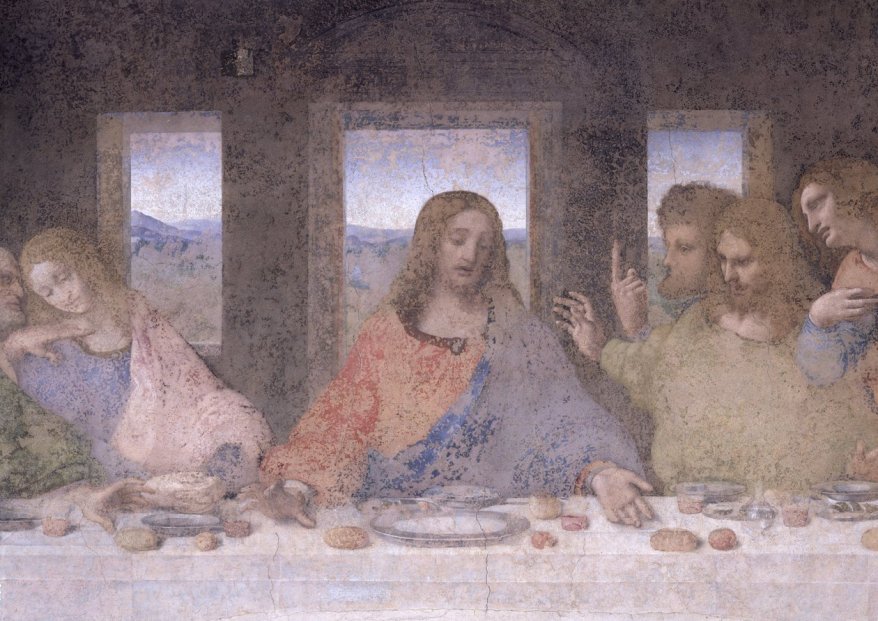
Cenacolo di Leonardo: i dettagli che raccontano il tradimento
🇮🇹Nel Cenacolo di Leonardo da Vinci, custodito a Santa Maria delle Grazie, Cristo annuncia il tradimento e il tempo si ferma… 🇬🇧In Leonardo da Vinci’s Last Supper, housed in Santa Maria delle Grazie, Christ announces the betrayal and time stands still…
Condividi:


Questo sono io





sostienici

Sostienici - Support Us
Se questo blog ti piace e ti appassiona, puoi aiutarci a farlo crescere sempre più sostenendoci in modo concreto condividendo i post, seguendo le pagine social e con un contributo che ci aiuta ad andare avanti con il nostro lavoro di divulgazione. . ENGLISH: If you like and are passionate about this blog, you can help us make it grow more and more by supporting us in a concrete way by sharing posts, following social pages and with a contribution that helps us to move forward with our dissemination work.
€10,00


