

Le Opere del Natale: l’Adorazione dei pastori di Matteis
L’opera del Natale che vi propongo oggi è l’Adorazione dei pastori dipinta a olio su tela da Paolo de Matteis nel 1712.
L’artista Paolo de Matteis nacque nel 1662 in provincia di Salerno e fu uno dei pittori più rappresentativi del periodo Barocco nel Regno di Napoli.
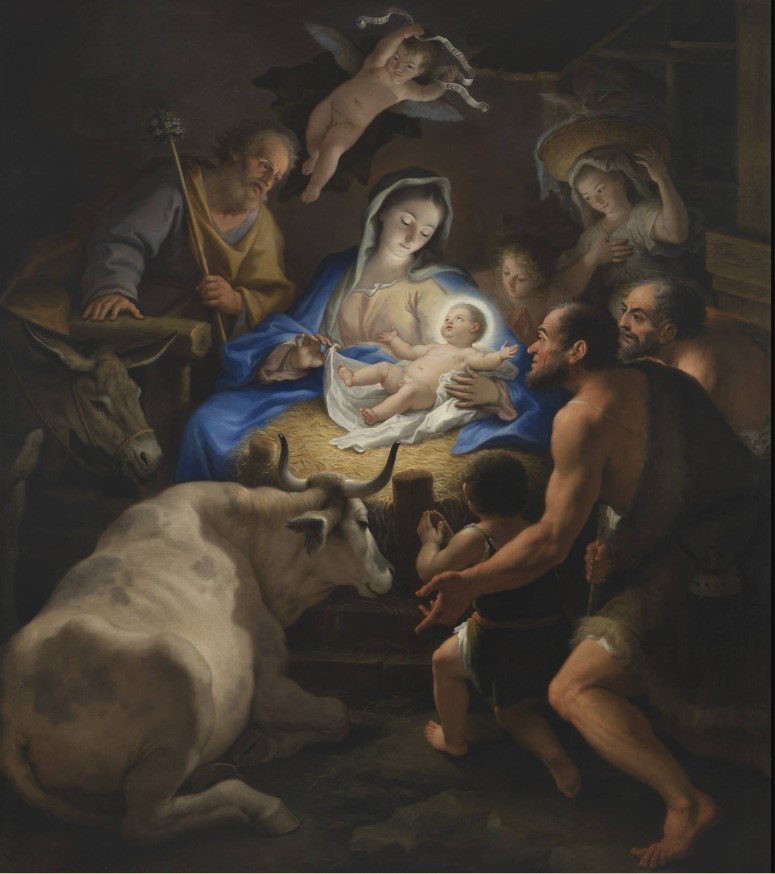
Nel dipinto dell’Adorazione si ritrovano le influenze di Carlo Maratta e dell’uso che faceva del colore. Il centro della scena è occupato da Gesù Bambino deposto nella mangiatoia, al di sopra di un panno bianco che ricorda il triste sudario che avvolgerà il Suo corpo 33 anni dopo.
Ha le braccia aperte e guarda la Madre mentre la Sua luce si diffonde tutt’intorno rischiarando le tenebre e illuminando i volti dei presenti.

Matteis, rifacendosi all’inconografia tradizionale, veste la Madonna con un manto celeste e un abito rosa. San Giuseppe alle sue spalle, appoggia la mano destra sopra una balaustra in legno e si sorregge con il bastone mentre guarda il Figlio.
Il bastone che impugna non è un qualsiasi legno ma è quello che fiorì all’improvviso quando per la prima volta incontrò Maria al tempio.

Alla grotta sono intanto arrivati bambini e pastori in adorazione mentre dal cielo scende un angelo con un cartiglio in mano.
Il bue e l’asinello riscaldano l’atmosfera senza però levare lo sguardo: osservando i loro musi vi renderete conto che guardano entrambi verso il basso.
Il dipinto che vi ho proposto di Paolo de Matteis appartiene alla collezione del Dallas Museum of Art. Per il momento il vostro Michelangelo Buonarroti vi saluta dandovi appuntamento ai prossimi post e sui social.
The Works of Christmas: the Adoration of the Shepherds by Matteis
The Christmas work that I propose to you today is the Adoration of the Shepherds painted in oil on canvas by Paolo de Matteis in 1712.
The artist Paolo de Matteis was born in 1662 in the province of Salerno and was one of the most representative painters of the Baroque period in the Kingdom of Naples.
In the painting of the Adoration we find the influences of Carlo Maratta and his use of colour. The center of the scene is occupied by Baby Jesus placed in the manger, above a white cloth that recalls the sad shroud that will wrap his body 33 years later.
He has his arms open and looks at the Mother while her light spreads all around, illuminating the darkness and illuminating the faces of those present.
Matteis, referring to traditional iconography, dresses the Madonna with a light blue mantle and a pink dress. Saint Joseph behind him rests his right hand on a wooden balustrade and supports himself with his stick while he looks at his Son.
The stick he holds is not just any wood but it is the one that suddenly blossomed when he met Mary for the first time in the temple.
Meanwhile, children and shepherds have arrived at the cave in adoration while an angel descends from heaven with a scroll in his hand.
The ox and the donkey heat up the atmosphere without looking up: by observing their faces you will realize that they are both looking downwards.
The painting I proposed to you by Paolo de Matteis belongs to the collection of the Dallas Museum of Art. For the moment your Michelangelo Buonarroti greets you and will meet you in the next posts and on social media.

Sostienici – Support Us
Se questo blog ti piace e ti appassiona, puoi aiutarci a farlo crescere sempre più sostenendoci in modo concreto condividendo i post, seguendo le pagine social e con un contributo che ci aiuta ad andare avanti con il nostro lavoro di divulgazione. . ENGLISH: If you like and are passionate about this blog, you can help us make it grow more and more by supporting us in a concrete way by sharing posts, following social pages and with a contribution that helps us to move forward with our dissemination work.
8,00 €
-
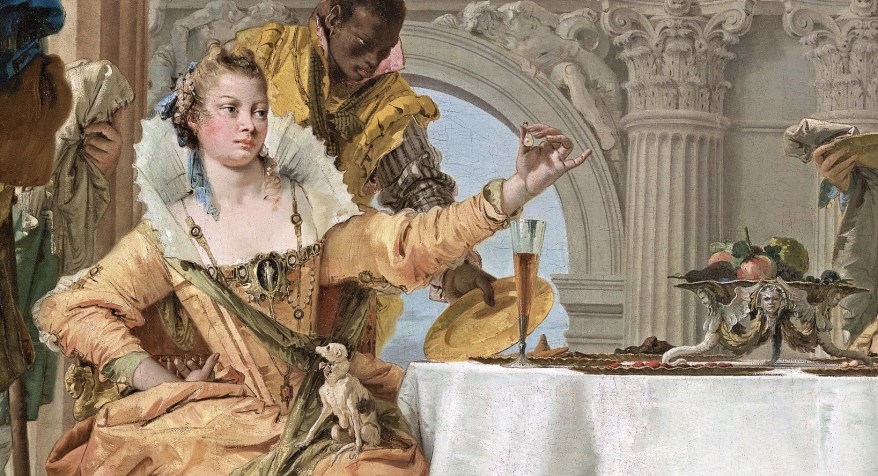
Quando Cleopatra umiliò Roma: il significato nascosto del celebre dipinto di Tiepolo
🇮🇹 Il dipinto che vi propongo è pura teatralità, lusso e strategia. Cleopatra scommette con Marco Antonio di poter offrire il banchetto più sontuoso della storia e per vincere compie un gesto folle… 🇬🇧 The painting I propose is pure theatricality, luxury, and strategy. Cleopatra bets Mark Antony that she can offer the most sumptuous…
-
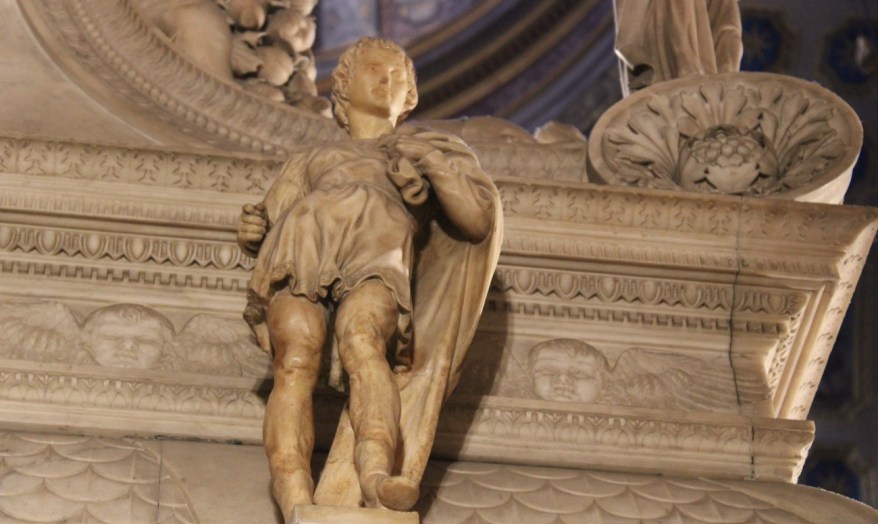
Il mio primo soggiorno a Bologna e l’incontro con Giovan Francesco Aldrovandi
🇮🇹Fuggii da Firenze a soli 19 anni. Senza certezze, senza protezioni. Solo con il mio talento. A Bologna trovai rifugio nella casa di Giovan Francesco Aldrovandi… 🇬🇧I fled Florence at just 19. Without certainties, without protection. Only with my talent. In Bologna, I found refuge in the home of Giovan Francesco Aldrovandi…
-
11 aprile 1514: muore Donato Bramante, il genio della scala elicoidale
🇮🇹Era l’11 aprile 1514 quando Donato Bramante morì a Roma. La sua scomparsa non cancellò però le tensioni, le rivalità e i giudizi contrastanti che avevano accompagnato tutta la sua carriera… 🇬🇧It was April 11, 1514, when Donato Bramante died in Rome. His passing, however, did not erase the tensions, rivalries, and conflicting opinions that…
Condividi:


Questo sono io





sostienici

Sostienici – Support Us
Se questo blog ti piace e ti appassiona, puoi aiutarci a farlo crescere sempre più sostenendoci in modo concreto condividendo i post, seguendo le pagine social e con un contributo che ci aiuta ad andare avanti con il nostro lavoro di divulgazione. . ENGLISH: If you like and are passionate about this blog, you can help us make it grow more and more by supporting us in a concrete way by sharing posts, following social pages and with a contribution that helps us to move forward with our dissemination work.
€10,00


