
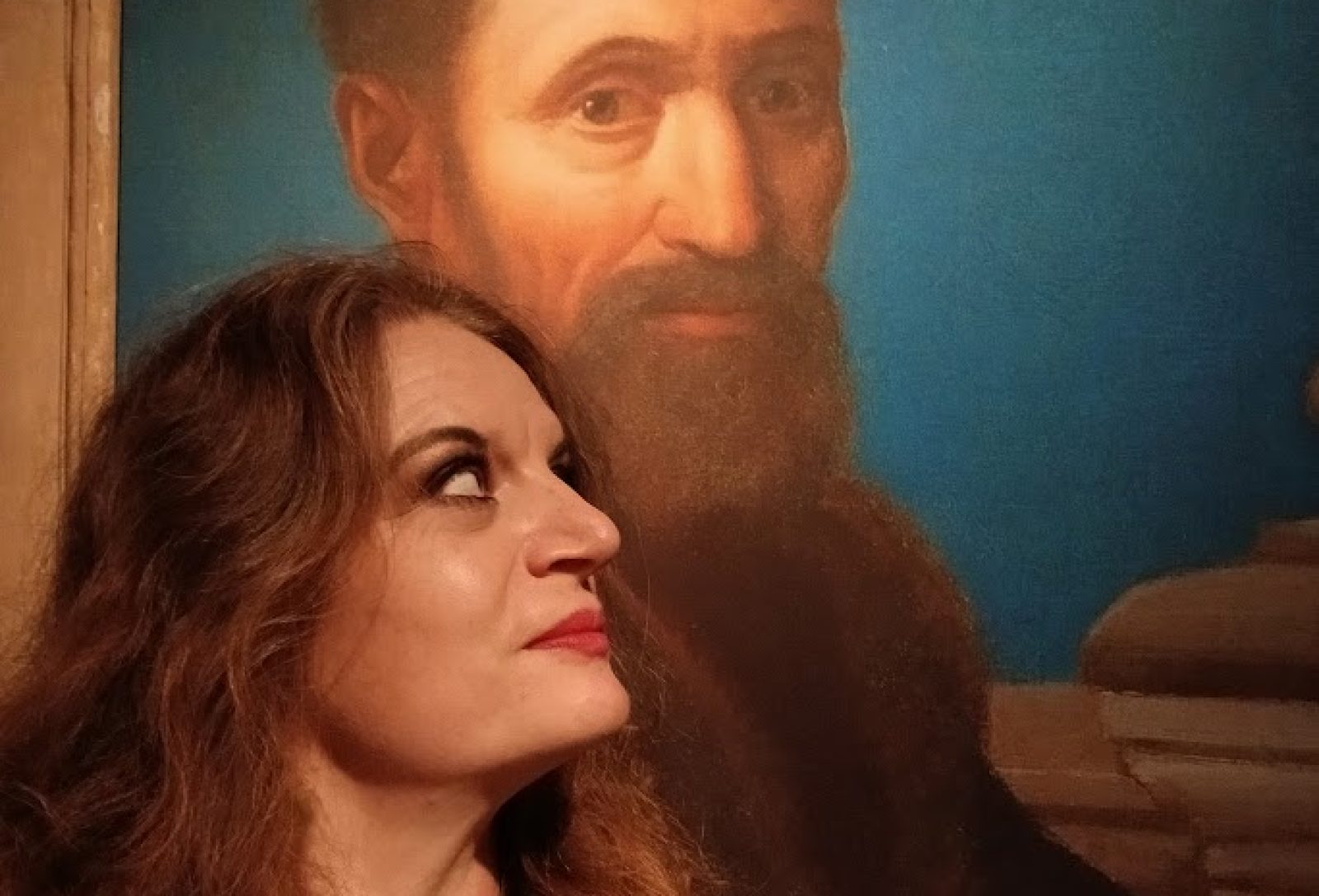
La Scultura del giorno: la Penelope addormentata di Jules Cavalier
La scultura del giorno che vi propongo oggi è la Penelope Addormentata realizzata Pierre Jules Cavalier nel 1848, lo scultore francese nato a Parigi nell’agosto del 1814.
Il soggetto scelto dall’artista riguarda la vicenda più nota dell’Odissea di Omero. Penelope attende paziente per vent’anni il ritorno di Ulisse nonostante i molti pretendenti che più che averla in moglie, ambivano a salire sul trono di Itaca sposandosi con lei.
Per evitare di scegliere un pretendente, la donna usa come scusa la tessitura del sudario del suo patrigno: si sposerà non appena avrà ultimato la tela che la tiene così tanto impegnata. Peccato però che per tre anni Penelope lavori al tessuto di giorno e lo disfi di notte.
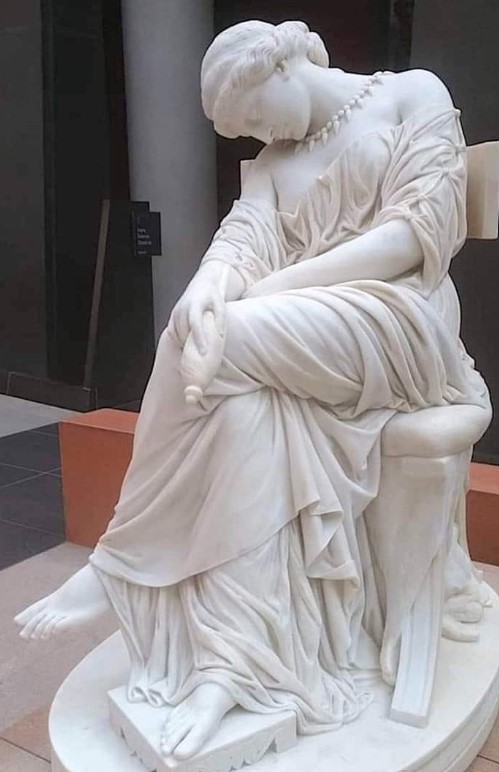
Jules Cavalier presentò la sua Penelope la prima volta al pubblico all’Ecole di Beaux-Arts nel 1848 e fu molto apprezzata dalla giuria dell’accademia. L’anno successivo la portò al Salon di Parigi conquistando una medaglia d’onore e un primo premio.
Fu un grande trionfo e l’artista di diritto salì nell’olimpo degli scultori più illuminati del suo tempo.
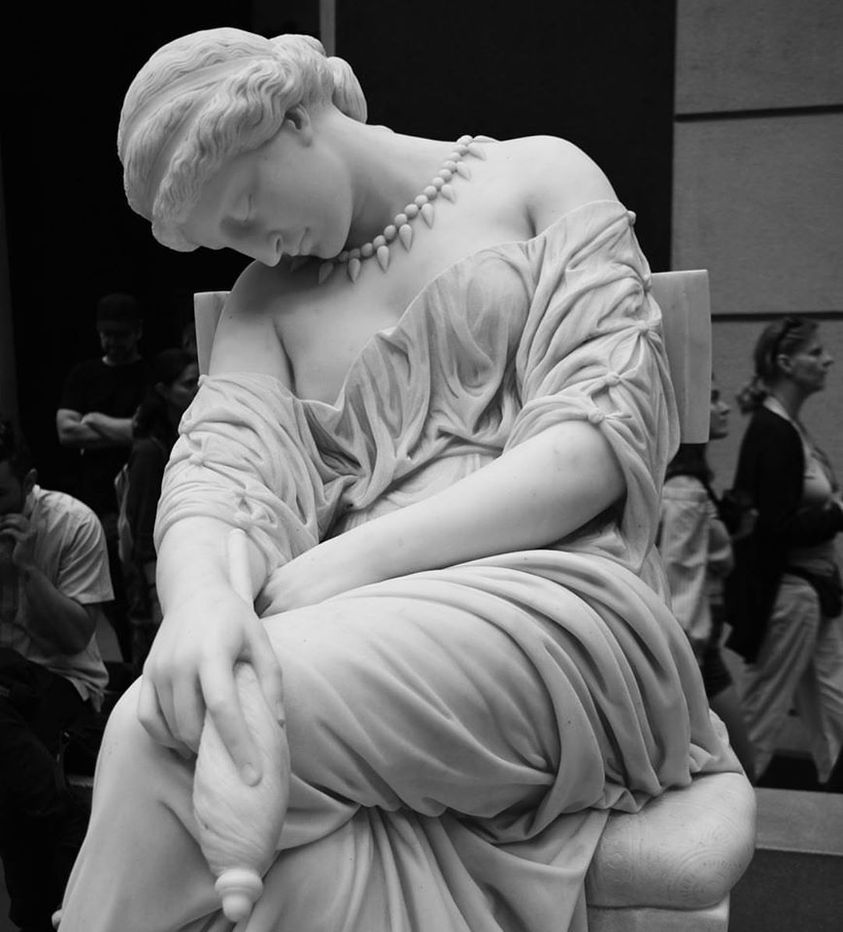
Cavalier volle dar forma a una Penelope stanca che si addormenta sfinita mentre sta lavorando. E’ abbigliata con una veste panneggiata e porta al collo una collana semplice ma di grande effetto.
Sulla destra si nota la presenza di un cesto che contiene i gomitoli adoperati per realizzare la tela.
Di particolare virtuosismo è proprio l’abito ispirato al periodo greco-romano. Avvolge la figura con delicatezza creando mille mirabili pieghe.
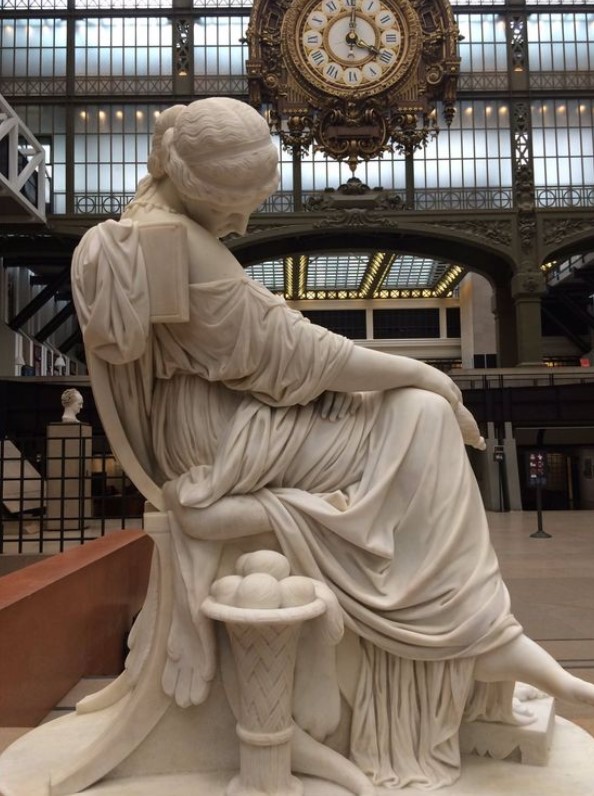
La scultura fu comprata dal duca di Luynes, archeologo e collezionista d’arte per arricchire il suo castello di Dampierre. Lì l’opera rimase fino al 2016 quando entrò a far parte delle prestigiose collezioni del Musée d’Orsay.
Per il momento il vostro Michelangelo Buonarroti vi saluta dandovi appuntamento ai prossimi post e sui social.
Sculpture of the day: Sleeping Penelope by Jules Cavalier
The sculpture of the day that I propose to you today is the Sleeping Penelope made by Pierre Jules Cavalier in 1849, the French sculptor born in Paris in August 1814.
The subject chosen by the artist concerns the best-known story of Homer’s Odyssey. Penelope waits patiently for twenty years for the return of Ulysses despite the many suitors of her who, rather than having her as a wife, aspired to ascend the throne of Ithaca by marrying her.
To avoid choosing a suitor, the woman uses the weaving of her stepfather’s shroud as an excuse: she will marry as soon as I finish her web that keeps her so busy. Too bad, however, that for three years Penelope worked on the fabric by day and undid it by night.
Jules Cavalier presented his Penelope for the first time to the public at the Ecole de Beaux-Arts in 1848 and was highly praised by the academy jury. The following year he took her to the Paris Salon, winning a medal of honor and a first prize.
It was a great triumph and the right artist rose to the Olympus of the most enlightened sculptors of his time.
Cavalier wanted to give shape to a tired Penelope who falls asleep exhausted while she is working. She and she is dressed in a draped dress and wears a simple but impressive necklace around her neck.
On the right we note the presence of a basket that contains the balls of yarn used to make the canvas.
Particularly virtuosic is the dress inspired by the Greco-Roman period. It wraps the figure delicately creating a thousand admirable folds.
The sculpture was bought by the Duke of Luynes, archaeologist and art collector to enrich his castle of Dampierre. The work remained there until 2016 when it became part of the prestigious collections of the Musée d’Orsay.
For the moment, your Michelangelo Buonarroti greets you by making an appointment for the next posts and on social media.

Sostienici – Support Us
Se questo blog ti piace e ti appassiona, puoi aiutarci a farlo crescere sempre più sostenendoci in modo concreto condividendo i post, seguendo le pagine social e con un contributo che ci aiuta ad andare avanti con il nostro lavoro di divulgazione. . ENGLISH: If you like and are passionate about this blog, you can help us make it grow more and more by supporting us in a concrete way by sharing posts, following social pages and with a contribution that helps us to move forward with our dissemination work.
8,00 €
-
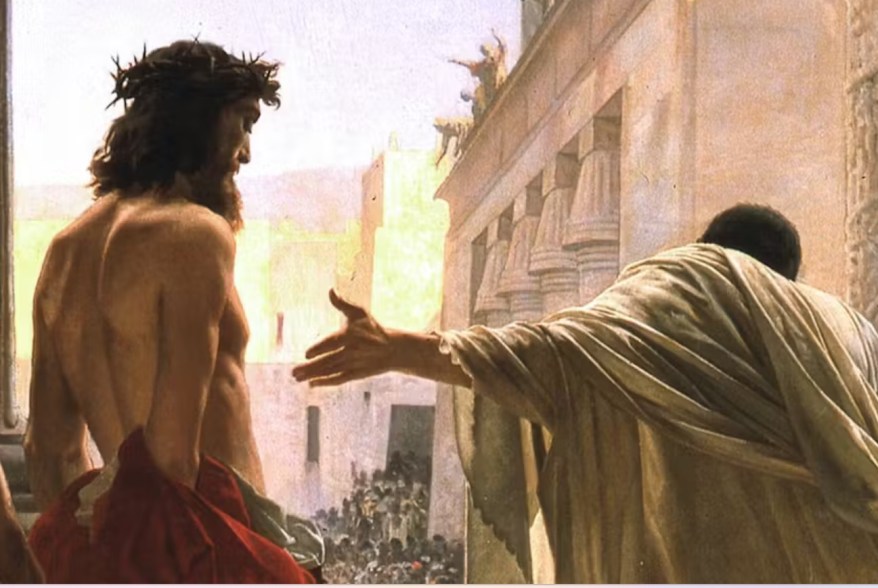
Venerdì Santo: gli “Ecce Homo” più intensi della storia dell’arte
🇮🇹Ecce Homo. Da Antonello da Messina a Tintoretto, fino al sorprendente capolavoro di Antonio Ciseri, questo soggetto ha attraversato i secoli raccontando dolore, umanità e coscienza… 🇬🇧Ecce Homo. From Antonello da Messina to Tintoretto, to Antonio Ciseri’s astonishing masterpiece, this subject has spanned the centuries, recounting pain, humanity, and conscience…
-
Attacco hacker agli Uffizi: rubati dati sensibili, mappe e codici di sicurezza
🇮🇹Attacco hacker alle Gallerie degli Uffizi: rubati dati sensibili, mappe e sistemi di sicurezza. A rischio opere, archivi e cybersicurezza del patrimonio artistico… 🇬🇧Hacker attack on the Uffizi Galleries: sensitive data, maps, and security systems stolen. Works of art, archives, and the cybersecurity of the artistic heritage are at risk…
-
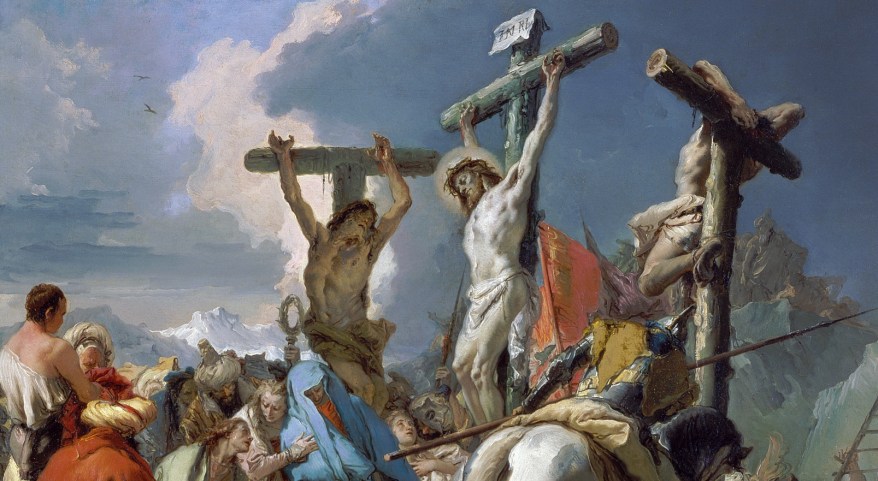
Venerdì Santo: la Crocifissione secondo Tiepolo
🇮🇹Nel giorno del Venerdì Santo, c’è un’opera che riesce ancora a scuotere lo sguardo. La Crocifissione di Giambattista Tiepolo non è come le altre: niente simmetrie perfette, niente distanza. Qui si entra dentro la scena, da un punto di vista obliquo, tra movimento, tensione e umanità… 🇬🇧On Good Friday, there’s a work that still manages…
Condividi:


Questo sono io





sostienici

Sostienici – Support Us
Se questo blog ti piace e ti appassiona, puoi aiutarci a farlo crescere sempre più sostenendoci in modo concreto condividendo i post, seguendo le pagine social e con un contributo che ci aiuta ad andare avanti con il nostro lavoro di divulgazione. . ENGLISH: If you like and are passionate about this blog, you can help us make it grow more and more by supporting us in a concrete way by sharing posts, following social pages and with a contribution that helps us to move forward with our dissemination work.
€10,00


