

La calma apparente del Bruto
Guadando distrattamente il volto del Bruto sembra sia calmo e pacato. Ma possibile che chi ha appena commesso un omicidio, consapevole che cambierà il corso della storia, appaia così rilassato?
La calma del Bruto è solo apparente e riesce a sostenerla con uno sforzo incredibile.
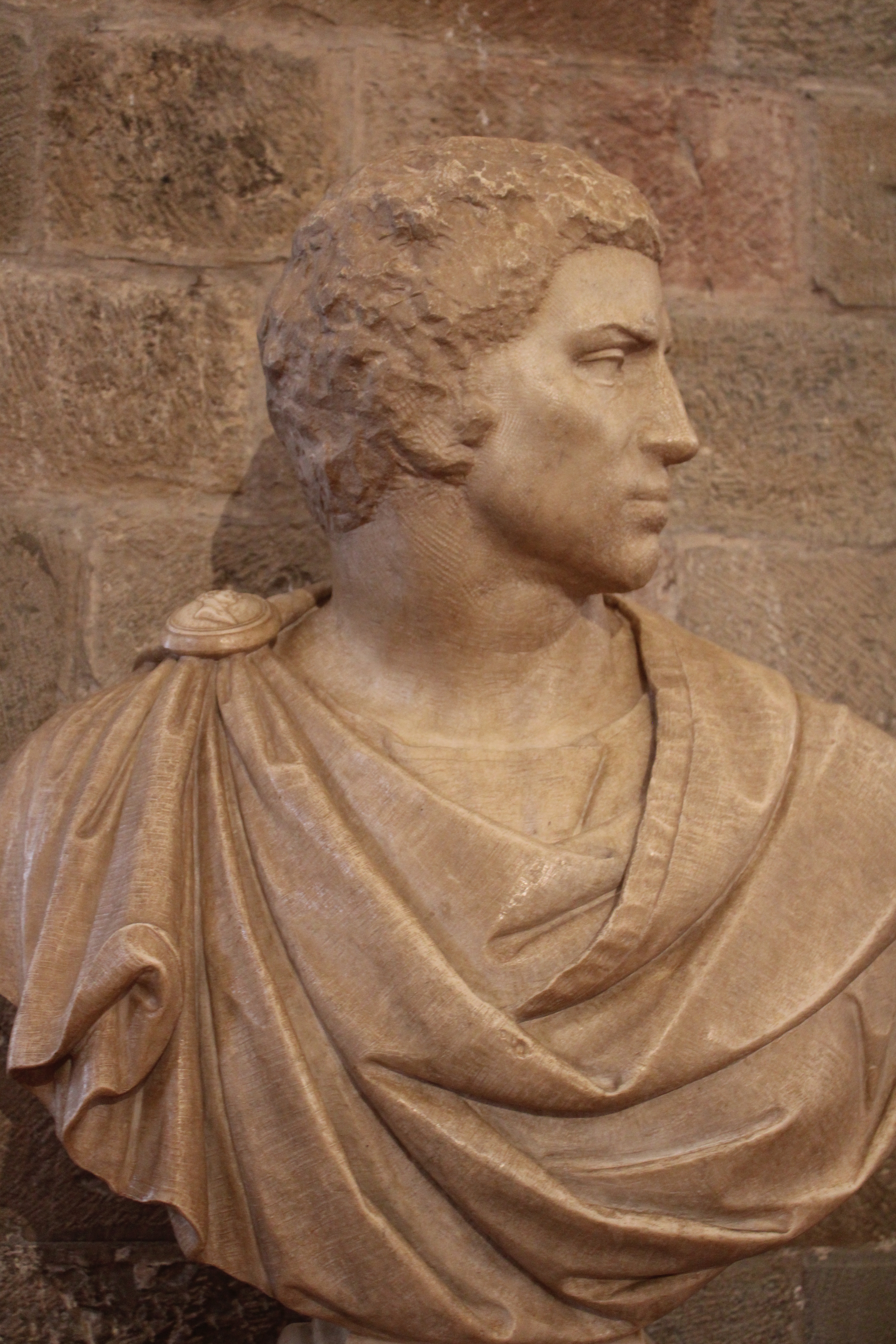
Il collo del Bruto è possente e fa sembrare quasi la testa piccola nei suoi confronti. Ha la fronte bassa, il naso scolpito con linee severe e il viso è incorniciato da una capigliatura folta, sebbene non portata a termine.
Guardando distrattamente il Bruto sembra che il suo viso sia rilassato, duro ma calmo. Analizzando meglio l’espressione del volto ci riesce a intuire che le cose non stanno esattamente così.
Sta padroneggiando con un incredibile autocontrollo sentimenti impetuosi che gli stanno attraversando l’animo. La collera e il disprezzo si percepiscono eccome.
Osservate con attenzione le sopracciglia aggrottate, i solchi attorno alla bocca contratta e le narici dilatate. Lo sguardo di scorcio non è affatto pacato.
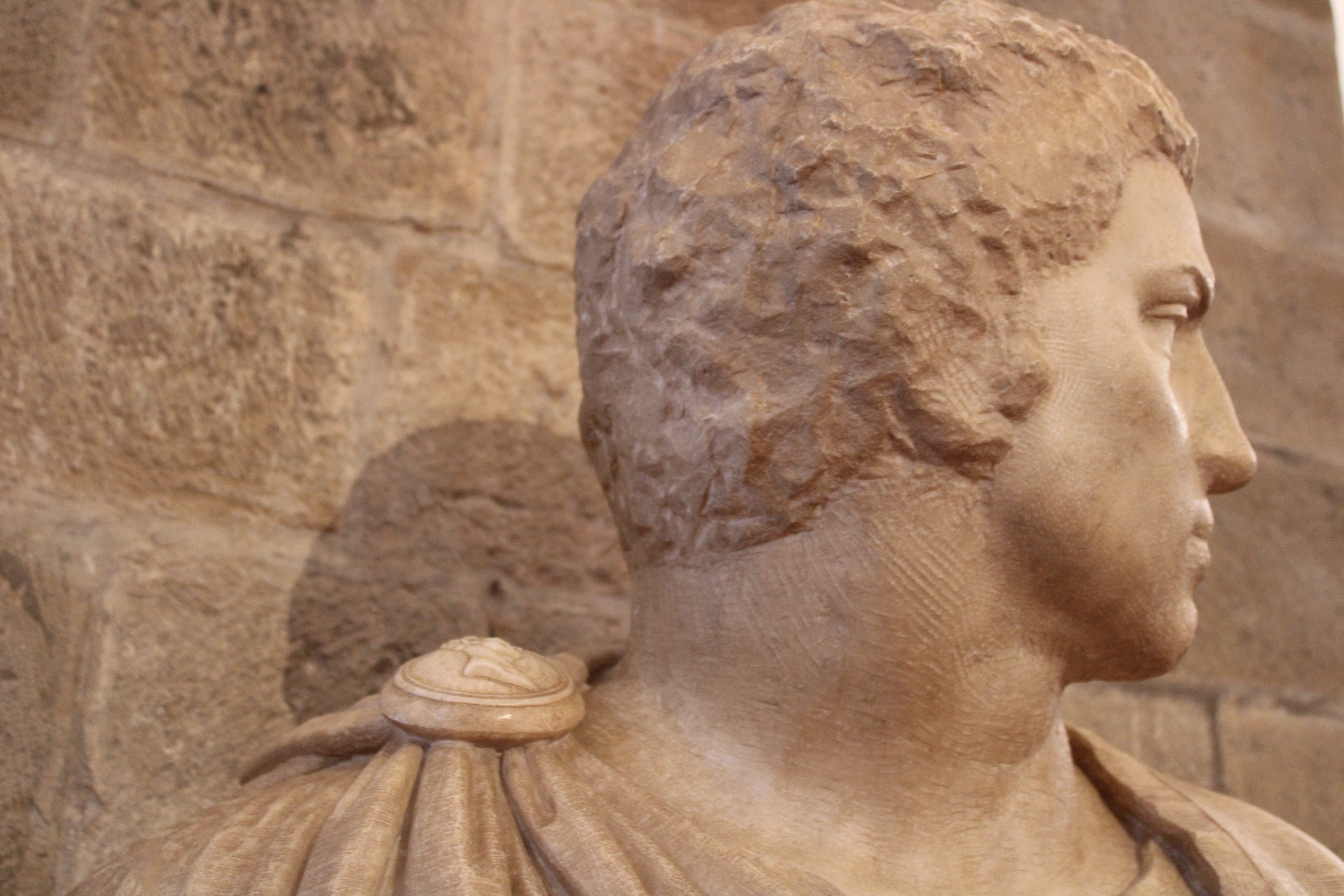
Vi faccio notare anche un’altra particolarità che è tipica di varie opere mie: le due metà del volto non sono simmetriche. Il lato destro è sì teso ma più pacato rispetto al sinistro che mette più a nudo i sentimenti che agitano e turbano l’animo suo.
Stando al concetto medievale, il lato destro è quello protetto da Dio mentre il sinistro è aperto al male. Ecco perché il Bruto pare controlli meglio la sua espressione facciale destra rispetto a quella sinistra.
Niente è casuale nell’arte cinquecentesca e ogni minimo dettaglio racconta qualcosa di specifico che va ben oltre quello che gli occhi vedono a prima vista.
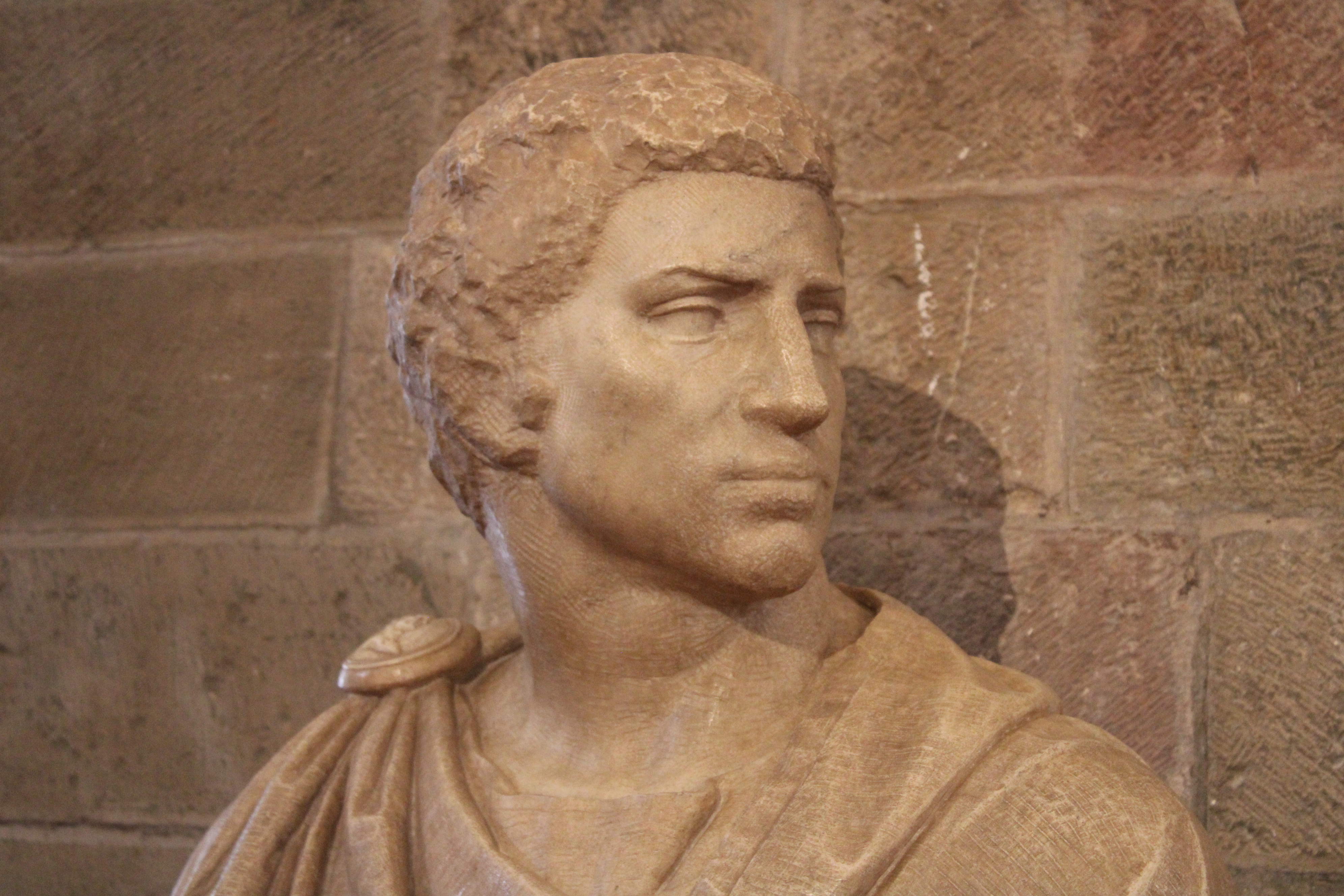
Un’altra cosa da notare: il Bruto così come anche il David volgono lo sguardo e il capo verso sinistra, laddove c’è la rappresentazione figurata del male. Il David gira la testa verso Golia da battere e il Bruto guarda l’omicidio di Giulio Cesare che ha appena compiuto.
Chi ammazza un tiranno, non commette homicidio ammazzando non un uomo, ma una bestia. Non peccarono adunque Bruto e Cassio quando ammazzarono Cesare.
Le parole che mi fece pronunciare Donato Giannotti nei “Dialoghi”
Alla luce di queste considerazioni è assai difficile ritenere attendibile l’iscrizione apposta sul piedistallo del Bruto. Ve ne ho parlato nel dettaglio QUA.
Per il momento il vostro Michelangelo Buonarroti vi saluta dandovi appuntamento ai prossimi post e sui social.
The apparent calm of the Brutus
Looking absently at the Brute’s face, he seems to be calm and calm. But is it possible that someone who has just committed a murder, aware that it will change the course of history, appears so relaxed?
The Brutus’ calm is only apparent and he manages to sustain it with an incredible effort.
The Brutus’s neck is mighty and almost makes the head look small towards him. He has a low forehead, a sculpted nose with severe lines, and his face is framed by thick, though unfinished hair.
Looking casually at the Brutus it seems that his face is relaxed, hard but calm. By analyzing better the expression on his face, we can understand that things are not exactly like this.
He is mastering with incredible self-control the impetuous feelings that are running through his soul. The anger and contempt of him are perceived and how.
Look carefully at the furrowed eyebrows, the furrows around the contracted mouth and the dilated nostrils. The glance of his foreshortening is by no means calm.
I would also like to point out another peculiarity that is typical of various of my works: the two halves of his face are not symmetrical. The right side is tense but more calm than the left one which more exposed the feelings that agitate and disturb his soul.
According to the medieval concept, the right side is the one protected by God while the left is open to evil. This is why the Brutus seems to control his right facial expression better than his left one.
Nothing is casual in sixteenth-century art and every little detail tells something specific that goes far beyond what the eyes see at first sight. , where there is a figurative representation of evil. The David turns his head towards Goliath to be beaten and the Brutus looks at the murder of Julius Caesar that he has just carried out.
“Whoever kills a tyrant does not commit homicide by killing not a man, but a beast. So Brutus and Cassius did not sin when they killed Caesar” The words that Donato Giannotti made me pronounce in the “Dialogues”
In light of these considerations, it is very difficult to believe that the inscription affixed to the Brutus pedestal is reliable. I told you about it in detail HERE.
For the moment, your Michelangelo Buonarroti greets you by giving you an appointment at the next posts and on social networks.
-
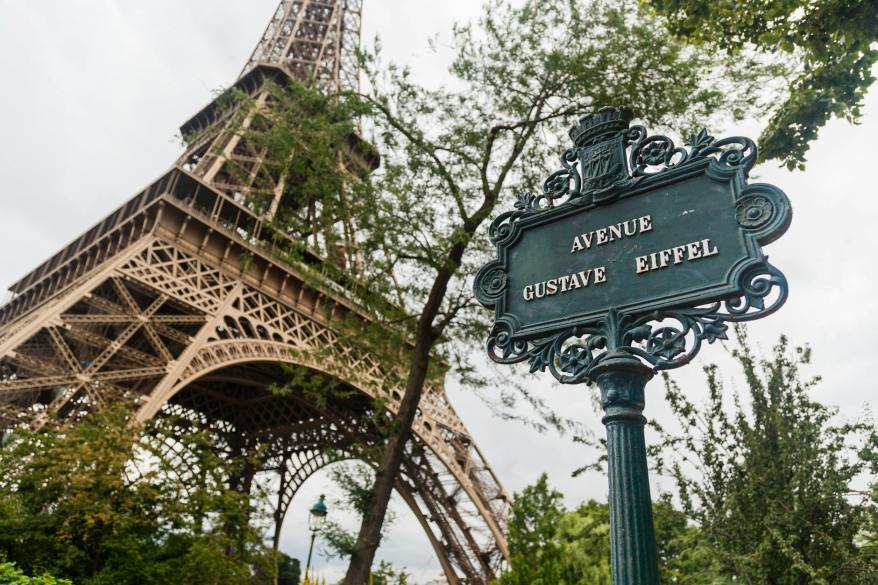
31 marzo 1889: inaugurata la Torre Eiffel tra critiche feroci e un destino inaspettato
🇮🇹Il 31 marzo 1889 segna una data destinata a cambiare per sempre il volto di Parigi e dell’immaginario collettivo globale: viene inaugurata la Torre Eiffel, l’opera più audace e discussa del suo tempo… 🇬🇧March 31, 1889 marks a date destined to change the face of Paris and the global collective imagination forever: the Eiffel Tower,…
-
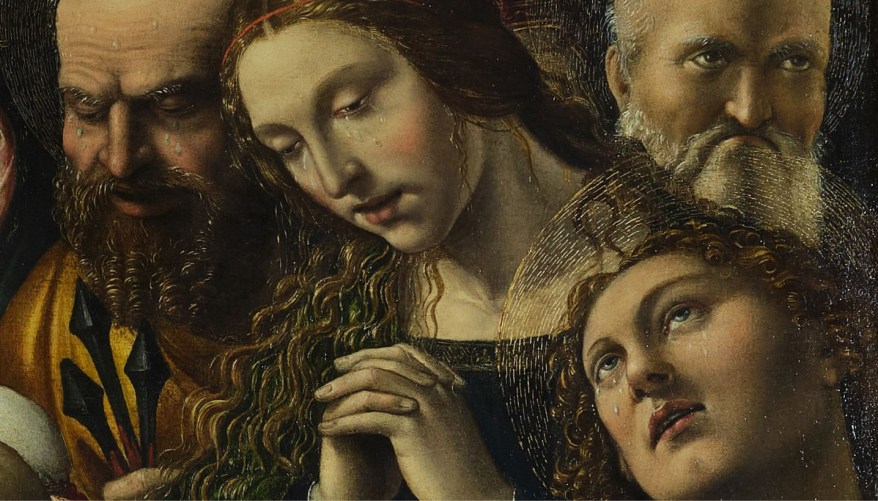
Sodoma in mostra a Torino: il Rinascimento al Museo Accorsi-Ometto
🇮🇹Al Museo di Arti Decorative Accorsi-Ometto arriva una mostra dedicata al Sodoma: oltre 50 opere, alcune mai viste prima, raccontano la formazione dell’artista e il suo dialogo con maestri come Pinturicchio… 🇬🇧An exhibition dedicated to Sodoma arrives at the Accorsi-Ometto Museum of Decorative Arts: over 50 works, some never before seen, recount the artist’s development…
-
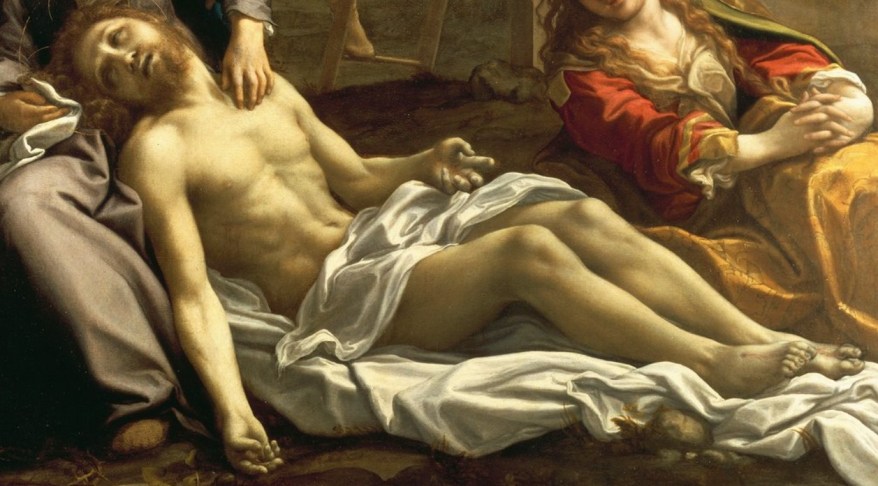
Il Compianto sul Cristo morto di Correggio: pathos e devozione
🇮🇹Con l’inizio della Settimana Santa, vi propongo il Compianto sul Cristo morto di Antonio Allegri, più noto come il Correggio: uno dei vertici assoluti della pittura emiliana del Cinquecento… 🇬🇧With the beginning of Holy Week, I propose the Lamentation over the Dead Christ by Antonio Allegri, better known as Correggio: one of the absolute peaks…
Condividi:


Questo sono io





sostienici

Sostienici – Support Us
Se questo blog ti piace e ti appassiona, puoi aiutarci a farlo crescere sempre più sostenendoci in modo concreto condividendo i post, seguendo le pagine social e con un contributo che ci aiuta ad andare avanti con il nostro lavoro di divulgazione. . ENGLISH: If you like and are passionate about this blog, you can help us make it grow more and more by supporting us in a concrete way by sharing posts, following social pages and with a contribution that helps us to move forward with our dissemination work.
€10,00


