
“Qui finisce l’opera”: il segreto di Turandot rivive a Lucca 100 anni dopo
Tra le opere più enigmatiche e affascinanti di Giacomo Puccini, Turandot nasce da una fiaba orientale sospesa tra crudeltà e redenzione. Ambientata in una Pechino immaginaria e simbolica, racconta la storia della principessa Turandot, che sottopone i suoi pretendenti a tre enigmi mortali: chi sbaglia viene giustiziato.
Solo il principe ignoto Calaf riesce a risolverli, ma il vero cuore dell’opera si gioca su un’ultima sfida: sarà lui a concedere a Turandot una via di fuga, offrendo il proprio nome come enigma finale. Se la principessa lo scoprirà prima dell’alba, potrà farlo uccidere.
È una storia di gelo e fuoco, di paura dell’amore e desiderio di abbandono. E proprio questa tensione emotiva rende Turandot un’opera unica, potente, ancora oggi capace di parlare al pubblico contemporaneo.
Un’opera incompiuta: il mistero dell’ultimo atto
Quando Puccini muore nel 1924, lascia Turandot incompiuta. Il finale, quello della trasformazione della principessa di ghiaccio, resta solo abbozzato. A completarlo sarà il compositore Franco Alfano, ma il dibattito su quale sia il vero finale “pucciniano” continua ancora oggi.
Questa incompiutezza ha contribuito a rendere Turandot ancora più leggendaria: un capolavoro sospeso, interrotto proprio nel momento più delicato, quando il gelo dovrebbe sciogliersi nell’amore.
La prima alla Scala: una serata irripetibile e carica di emozione
Il 25 aprile 1926, al Teatro alla Scala, va in scena la prima assoluta sotto la direzione di Arturo Toscanini. È una serata destinata a entrare nella storia.
A metà del terzo atto, Toscanini interrompe l’orchestra.
Si volta verso il pubblico e pronuncia parole rimaste leggendarie: “Qui finisce l’opera, perché a questo punto il Maestro è morto”. Un silenzio carico di emozione invade la sala.
Nessuna musica oltre quel punto. Nessun finale.
È una delle più grandi e toccanti sospensioni nella storia del teatro musicale.
Solo nelle repliche successive verrà eseguito il finale completato da Alfano. Ma quella prima rappresentazione resta unica, irripetibile, quasi sacra.
Curiosità e retroscena: tra censura, difficoltà e innovazione
La nascita di Turandot non fu semplice. Puccini lavorò a lungo sulla partitura, ossessionato dalla resa psicologica della protagonista, che considerava difficile da rendere credibile nel suo passaggio da crudeltà ad amore.
Un’altra curiosità riguarda la celebre aria “Nessun dorma”, oggi tra le più famose al mondo: alla prima rappresentazione non ebbe immediatamente il successo planetario che conosciamo oggi. Sarà il tempo, e soprattutto le interpretazioni di grandi tenori del Novecento, a consacrarla definitivamente.
Anche l’ambientazione “orientale” fu frutto di un attento studio: Puccini si documentò su musiche cinesi autentiche, integrando melodie e sonorità esotiche in una scrittura orchestrale modernissima per l’epoca.
A Lucca la mostra che fa rivivere il mito
Nel centenario di quella storica prima, il Puccini Museum – Casa Natale dedica a Turandot la mostra visitabile dal 24 aprile al 1° novembre 2026.
L’esposizione ricostruisce il lungo e complesso percorso creativo dell’opera attraverso fotografie, documenti e testimonianze che riportano il visitatore dentro la magia del 1926.
Costumi originali e tesori ritrovati: la scena prende vita
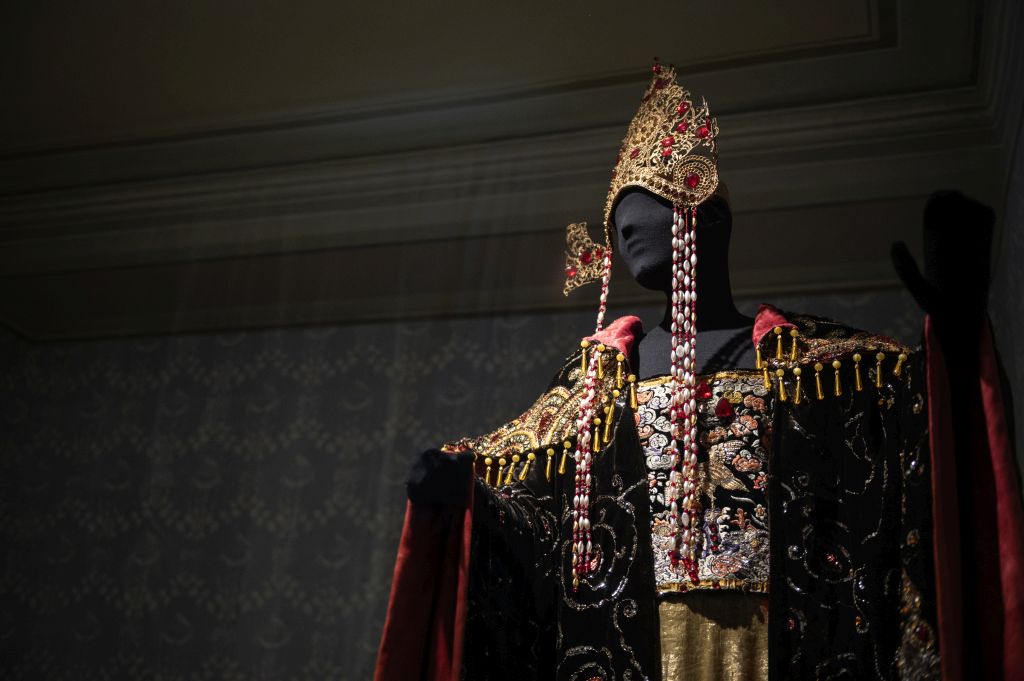
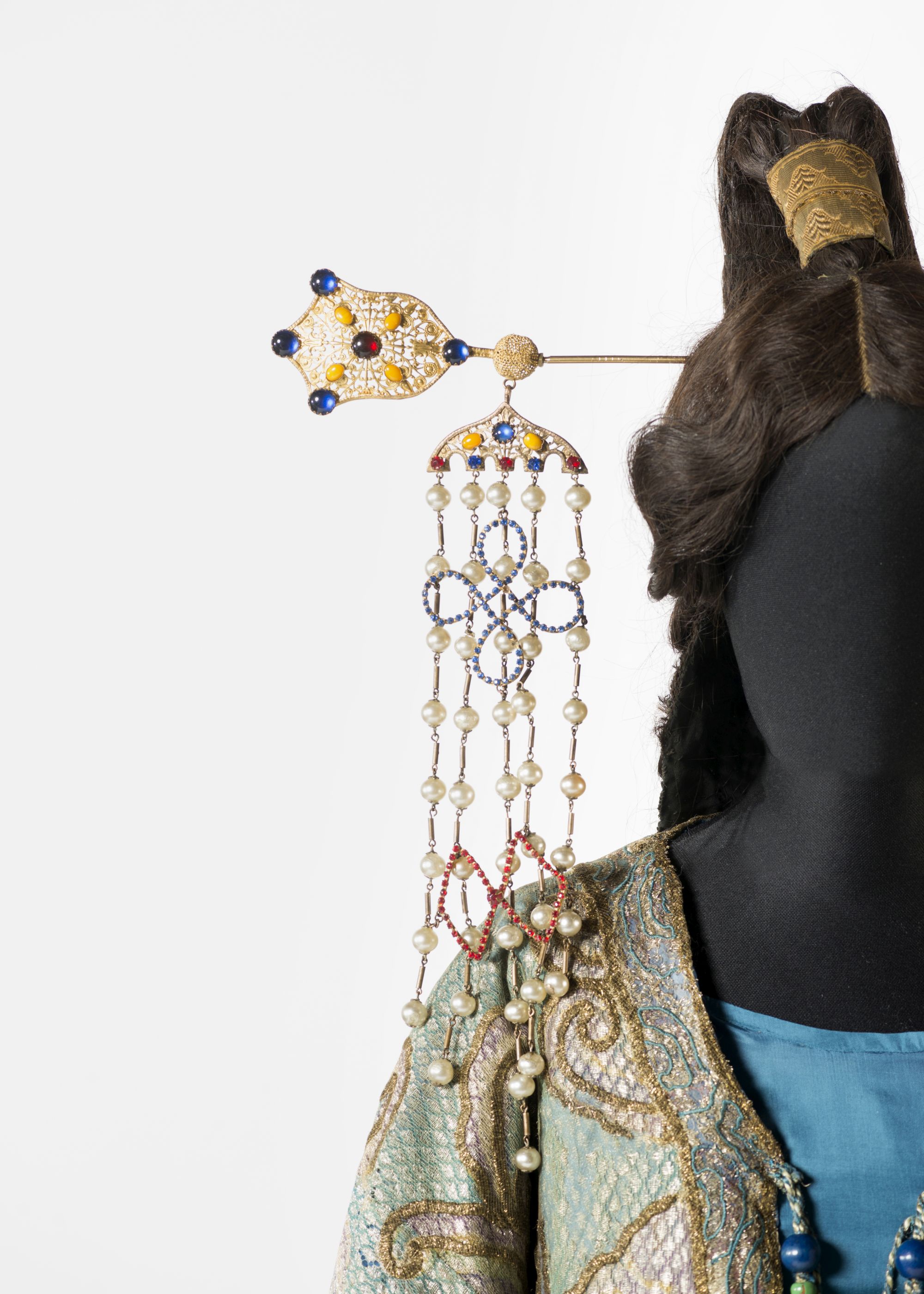
Il cuore dell’allestimento sono due straordinari costumi originali della prima rappresentazione, recuperati e restaurati dal Museo del Tessuto di Prato.
Accanto a questi capolavori tessili, si possono ammirare gioielli, accessori e dettagli scenici che raccontano la magnificenza visiva pensata per l’opera. Un patrimonio raro, sopravvissuto al tempo, che restituisce tutta la potenza estetica di Turandot.
I grandi artisti dietro il sogno visivo
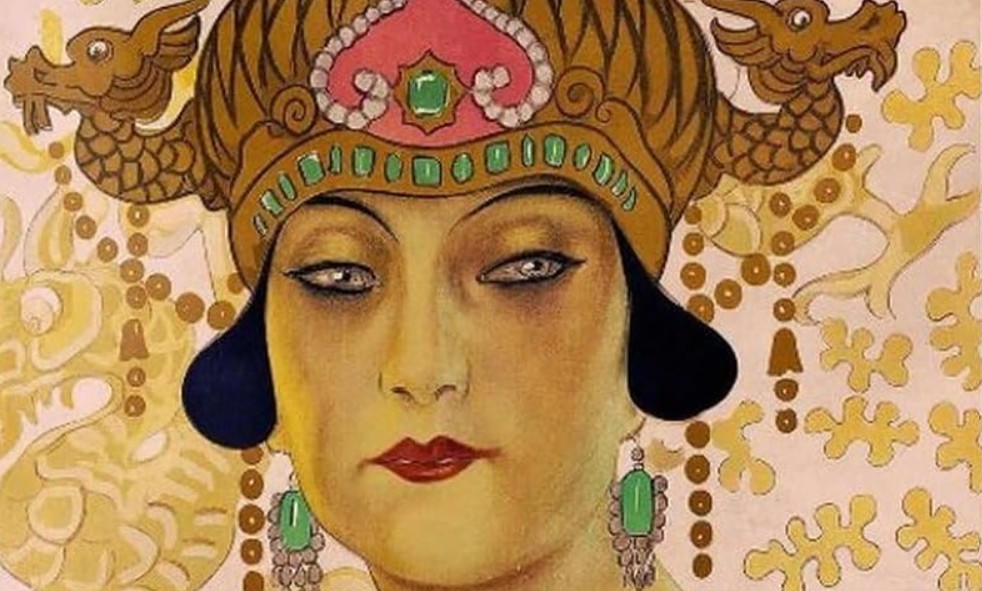
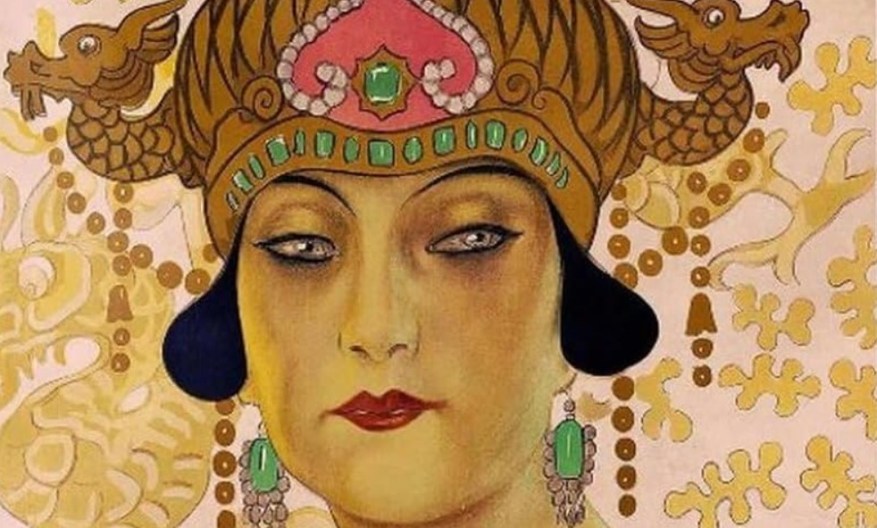
La mostra offre anche uno sguardo sul lavoro di Galileo Chini, autore dei bozzetti originali, e di Umberto Brunelleschi, i cui figurini influenzarono profondamente le successive messe in scena.
Il loro contributo ha definito l’immaginario visivo dell’opera, trasformandola in un’esperienza totale, dove musica, arte e teatro si fondono.
Da Milano a New York: un successo mondiale
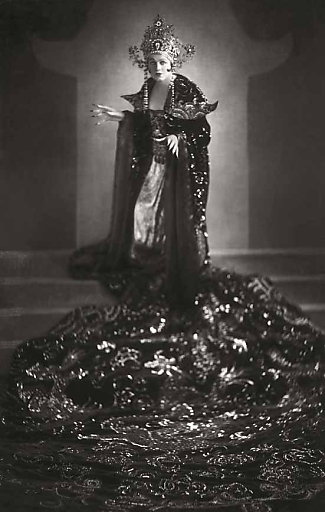
Il viaggio si conclude con un simbolo della diffusione globale dell’opera: l’abito appartenuto a Maria Jeritza, protagonista della prima al Metropolitan Opera di New York nel novembre 1926.
Un passaggio ideale che racconta come Turandot, nata tra dubbi e incompiutezze, sia diventata in pochi mesi un fenomeno internazionale.
A Lucca, città natale di Puccini, Turandot torna a vivere nella sua dimensione più autentica: quella di un sogno incompiuto, capace proprio per questo di restare eterno.
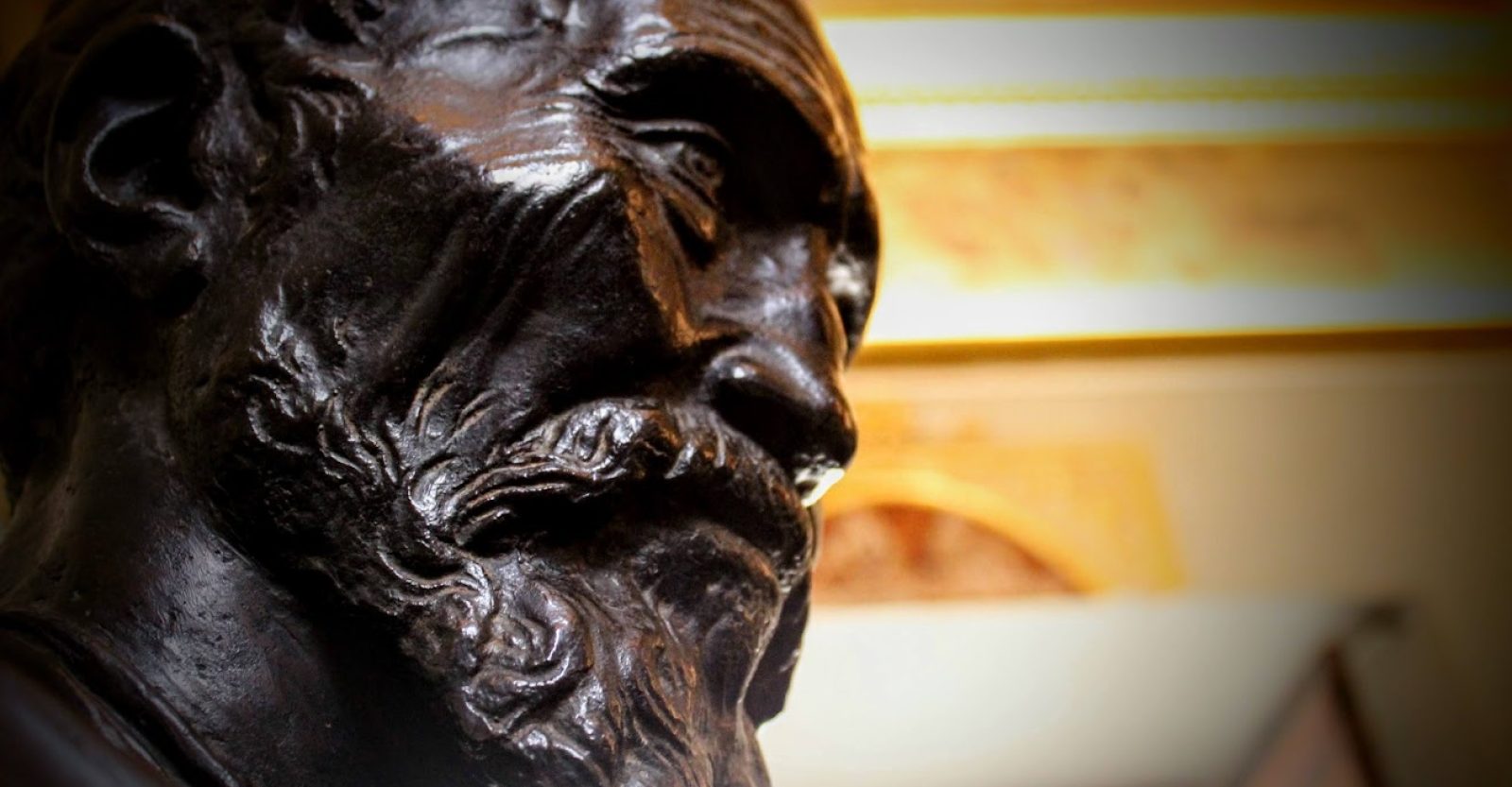
Per il momento il sempre vostro Michelangelo Buonarroti vi saluta dandovi appuntamento ai prossimi post e sui social.
“Here the Opera Ends”: Turandot’s Secret Relives in Lucca 100 Years Later
Among Giacomo Puccini’s most enigmatic and captivating operas, Turandot is based on an oriental fairy tale suspended between cruelty and redemption. Set in an imaginary and symbolic Beijing, it tells the story of Princess Turandot, who subjects her suitors to three deadly riddles: those who fail are executed.
Only the unknown Prince Calaf can solve them, but the true heart of the opera hinges on one final challenge: he will grant Turandot a way out, offering his name as the final riddle. If the princess discovers it before dawn, she can have him killed.
It is a story of ice and fire, of the fear of love and the desire for abandonment. And it is precisely this emotional tension that makes Turandot a unique, powerful opera, still capable of speaking to contemporary audiences today.
An Unfinished Opera: The Mystery of the Last Act
When Puccini died in 1924, he left Turandot unfinished. The finale, the transformation of the Ice Princess, remained only a rough draft. Composer Franco Alfano would complete it, but the debate over the true “Puccinian” ending continues to this day.
This incompleteness has contributed to making Turandot even more legendary: a suspended masterpiece, interrupted precisely at the most delicate moment, when the ice should melt into love.
The Premiere at La Scala: An Unrepeatable and Emotionally Rich Evening
On April 25, 1926, the world premiere took place at La Scala, conducted by Arturo Toscanini. It was an evening destined to go down in history.
Midway through the third act, Toscanini stopped the orchestra.
He turned to the audience and uttered the legendary words: “Here the opera ends, because at this point the Maestro is dead.” An emotional silence fills the room.
No music beyond that point. No finale.
It is one of the greatest and most moving suspensions in the history of musical theater.
Only in subsequent performances will the finale completed by Alfano be performed. But that first performance remains unique, unrepeatable, almost sacred.
Curiosity and background: between censorship, difficulty, and innovation
The birth of Turandot was not easy. Puccini worked extensively on the score, obsessed with the psychological portrayal of the protagonist, whom he considered difficult to render believably in her transition from cruelty to love.
Another interesting fact concerns the famous aria “Nessun dorma,” now among the most famous in the world: at its first performance, it did not immediately achieve the global success we know today. Time, and above all the performances of the great tenors of the twentieth century, will definitively consecrate it.
The “oriental” setting was also the result of careful study: Puccini researched authentic Chinese music, integrating exotic melodies and sounds into an orchestral writing that was very modern for the time.
An exhibition in Lucca that revives the legend
On the centenary of that historic premiere, the Puccini Museum – Birthplace is dedicating an exhibition to Turandot, open from April 24th to November 1st, 2026.
The exhibition reconstructs the opera’s long and complex creative journey through photographs, documents, and testimonies that transport visitors back to the magic of 1926.
Original costumes and rediscovered treasures: the scene comes to life
The heart of the exhibition is two extraordinary original costumes from the first performance, recovered and restored by the Prato Textile Museum.
Alongside these textile masterpieces, visitors can admire jewelry, accessories, and scenic details that showcase the visual magnificence conceived for the opera. A rare heritage, surviving the test of time, that captures the full aesthetic power of Turandot.
The Great Artists Behind the Visual Dream
The exhibition also offers a glimpse into the work of Galileo Chini, author of the original sketches, and Umberto Brunelleschi, whose costume designs profoundly influenced subsequent productions.
Their contributions defined the opera’s visual imagery, transforming it into a total experience where music, art, and theater merge.
From Milan to New York: A Worldwide Success
The journey concludes with a symbol of the opera’s global reach: the dress that belonged to Maria Jeritza, the star of the premiere at the Metropolitan Opera in New York in November 1926.
An ideal passage that tells how Turandot, born amidst doubts and incompleteness, became an international phenomenon in just a few months.
In Lucca, Puccini’s birthplace, Turandot returns to its most authentic dimension: that of an unfulfilled dream, capable precisely for this reason of remaining eternal.
For now, yours truly, Michelangelo Buonarroti, bids farewell and invites you to join him in future posts and on social media.

Sostienici – Support Us
Se questo blog ti piace e ti appassiona, puoi aiutarci a farlo crescere sempre più sostenendoci in modo concreto condividendo i post, seguendo le pagine social e con un contributo che ci aiuta ad andare avanti con il nostro lavoro di divulgazione. . ENGLISH: If you like and are passionate about this blog, you can help us make it grow more and more by supporting us in a concrete way by sharing posts, following social pages and with a contribution that helps us to move forward with our dissemination work.
10,00 €
Articoli
Condividi:


Questo sono io





sostienici

Sostienici – Support Us
Se questo blog ti piace e ti appassiona, puoi aiutarci a farlo crescere sempre più sostenendoci in modo concreto condividendo i post, seguendo le pagine social e con un contributo che ci aiuta ad andare avanti con il nostro lavoro di divulgazione. . ENGLISH: If you like and are passionate about this blog, you can help us make it grow more and more by supporting us in a concrete way by sharing posts, following social pages and with a contribution that helps us to move forward with our dissemination work.
€10,00


