

Quarant’anni di tribolazioni
Mi ci vollero quarant’anni di tribolazioni per portare a termine la Tomba di Giulio II con un progetto molto ridotto rispetto al primo che prevedeva oltre 40 sculture e fregi bronzei.
Il primo ordine infatti l’avrei arricchito con la serie delle Vittorie affiancate dai Prigioni. Il secondo registro invece avrebbe fatto parlare di sé il mondo intero con quattro grandi sculture sedute agli angoli: Mosè, San Paolo e la personificazione della Vita attiva e di quella contemplativa.

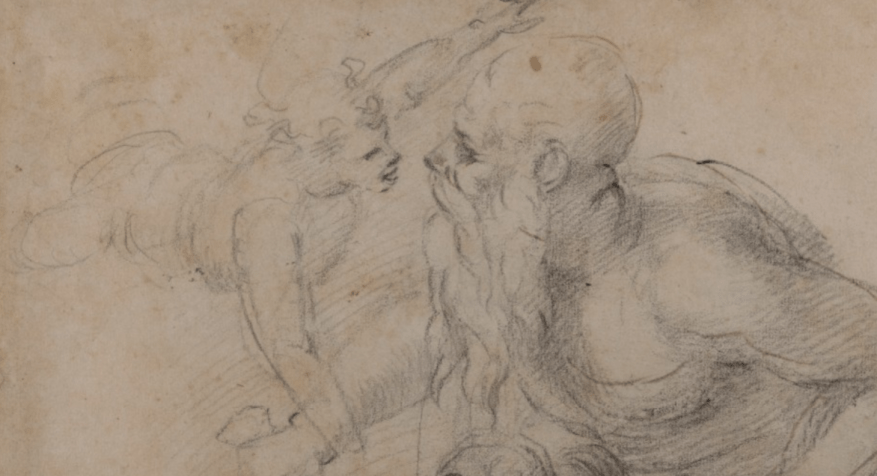
Al centro del complesso monumentale avrei posto l’effige del pontefice in posizione frontale, seduto su di un’arca sostenuta da due angeli: uno di essi avrebbe sorriso mentre l’altro avrebbe avuto una faccia triste e sconsolata.
I diversi livelli li avrei poi arricchiti con rilievi in bronzo che, come scrisse il Condivi “si potevan vedere i fatti di tanto pontefice”.

“Finì un Moisé di cinque braccia, di marmo, alla quale statua non sarà mai cosa moderna alcuna che possa arrivare di bellezza e de le antiche ancora si può dire il medesimo…”, così scrisse il mio caro amico Giorgio Vasari raccontando il Mosè che avevo scolpito per la Tomba di Giulio II della Rovere.
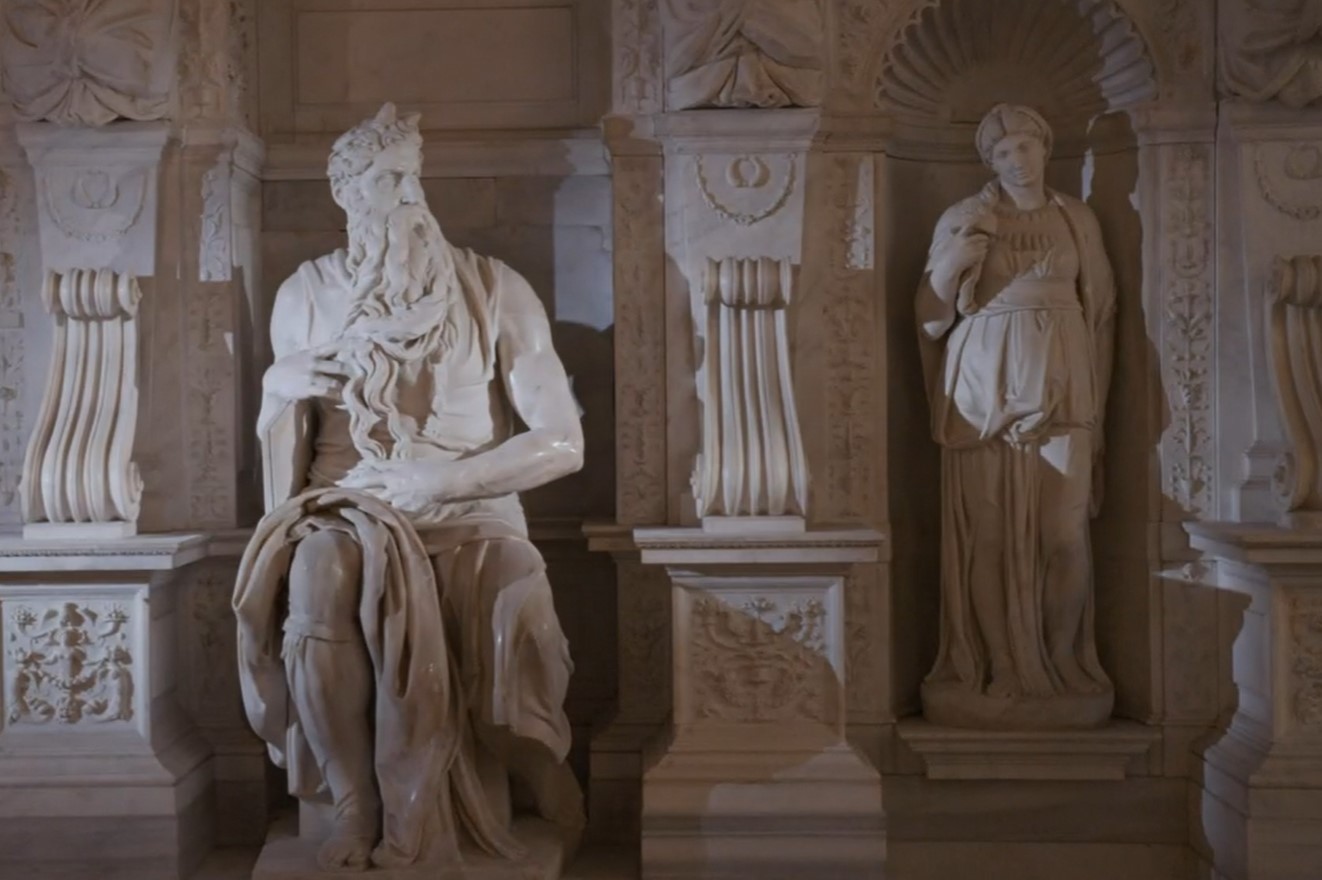
Di quel maestoso progetto rimane la tomba a parete che oggi potete ammirare nella chiesa romana di San Pietro in Vincoli.
Per il momento il sempre vostro Michelangelo Buonarroti vi saluta dandovi appuntamento ai prossimi post e sui social.
Forty Years of Tribulations
It took me forty years of tribulation to complete the Tomb of Julius II, with a much smaller project than the first, which included over 40 sculptures and bronze friezes.
I would have enriched the first tier with the series of Victories flanked by the Prisoners. The second tier, however, would have become a worldwide sensation with four large sculptures seated at the corners: Moses, Saint Paul, and the personification of the Active and Contemplative Life.
At the center of the monumental complex, I would have placed the effigy of the pontiff, facing forward, seated on an ark supported by two angels: one would have smiled, while the other would have a sad and disconsolate expression.
I would then have enriched the various levels with bronze reliefs that, as Condivi wrote, “one could see the deeds of such a great pontiff.”
“He finished a five-armed Moses, made of marble, a statue that no modern work can ever equal in beauty, and the same can still be said of ancient statues…”, wrote my dear friend Giorgio Vasari, describing the Moses I sculpted for the Tomb of Julius II della Rovere.
Of that majestic project, the wall tomb remains, which you can admire today in the Roman church of San Pietro in Vincoli.
For now, yours truly, Michelangelo Buonarroti bids you farewell, and we’ll see you in future posts and on social media.
Condividi:


Questo sono io





sostienici

Sostienici – Support Us
Se questo blog ti piace e ti appassiona, puoi aiutarci a farlo crescere sempre più sostenendoci in modo concreto condividendo i post, seguendo le pagine social e con un contributo che ci aiuta ad andare avanti con il nostro lavoro di divulgazione. . ENGLISH: If you like and are passionate about this blog, you can help us make it grow more and more by supporting us in a concrete way by sharing posts, following social pages and with a contribution that helps us to move forward with our dissemination work.
€10,00


Bello
"Mi piace"Piace a 1 persona
grazie
"Mi piace""Mi piace"