
Adamo ed Eva di Wenzel Peter: un capolavoro della Pinacoteca Vaticana
Oggi voglio parlarvi di una delle meravigliose opere custodite nella Pinacoteca dei Musei Vaticani che amo molto: ‘Adamo ed Eva nel Paradiso Terrestre’ dipinta dall’artista austriaco Wenzel Peter nella prima metà dell’Ottocento.
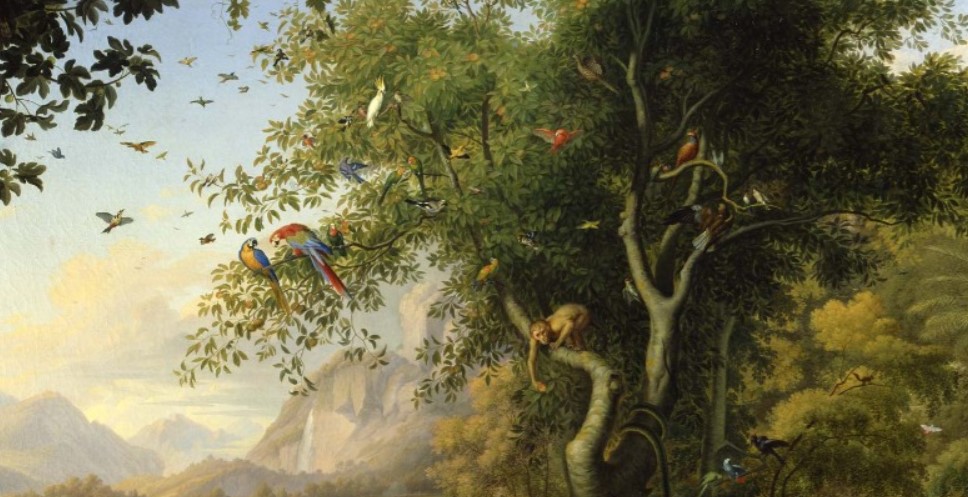
È un vero e proprio capolavoro animato da oltre duecento animali, raffigurati con uno straordinario realismo e con una sbalorditiva precisione scientifica.
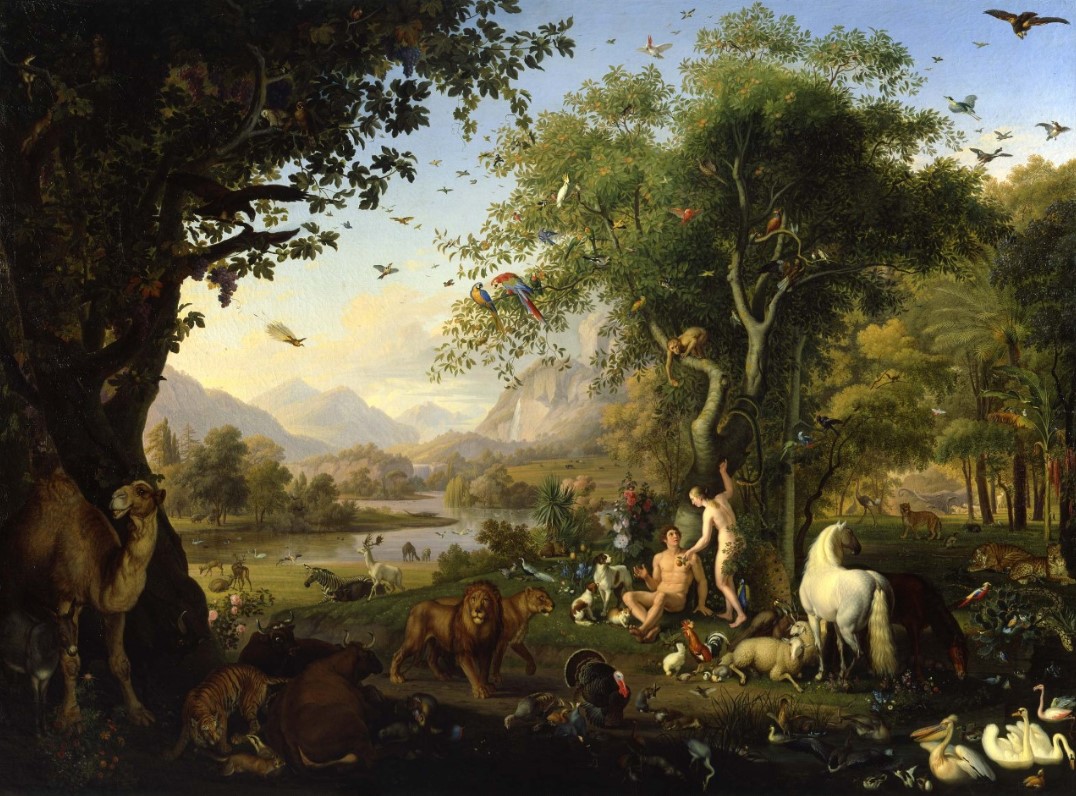
L’opera venne acquistata nel 1831 da papa Gregorio XVI assieme ad altre diciannove opere del medesimo artista per arredare a suo gusto la Sala del Concistoro nell’Appartamento Papale di rappresentanza.
Peter non seppe mai che molte delle sue opere sarebbero finite nelle collezioni papali. Morì a Roma nel 1829, due anni prima che il pontefice acquirente, al secolo Bartolomeo Alberto Cappellari, salisse al soglio pontificio.
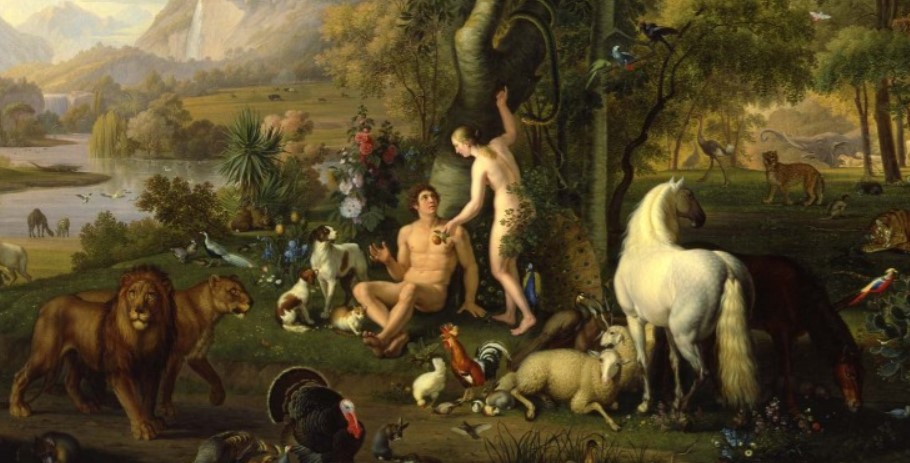
Il dipinto a olio su tela ha dimensiono notevoli, con i suoi 3,36 metri di larghezza, e rappresenta la prova di più alto virtuosismo di Wenzel Peter che dipinse, attorno alle figure di Adamo ed Eva, uno straordinario Paradiso Terrestre popolato da specie animali provenienti da ogni angolo del mondo.
Ogni animale è riprodotto in modo minuzioso come solo un grande studioso di animali quale Peter era, avrebbe potuto fare. Prestò particolare attenzione non solo alla precisione anatomica ma anche agli atteggiamenti tipici che ciascuno ha in natura.
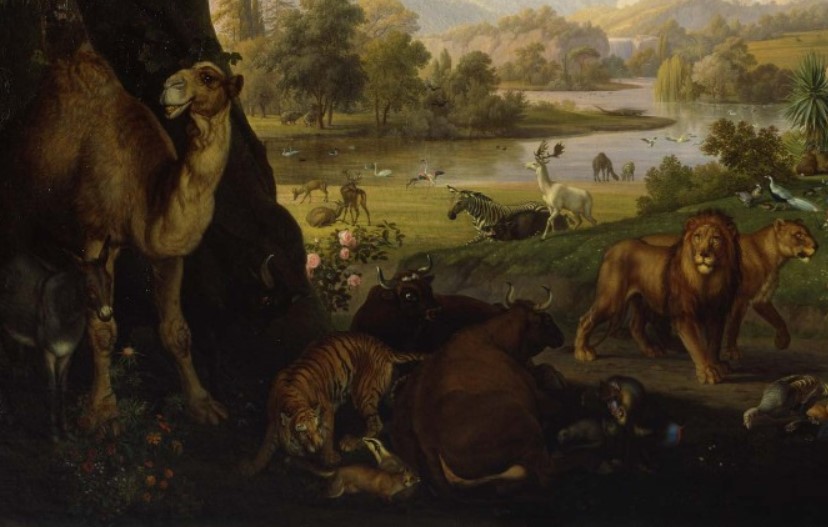
Adamo è seduto all’ombra di un albero di mele e al suo fianco compaiono due cani e un gatto. Eva ha appena raccolto dalla pianta una mela e glie la porge.
Poco sopra la sua testa si vede il serpente tentatore che si aggrappa con le sue spire all’albero mentre immediatamente dietro le gambe di Eva, Peter dipinse un pavone con la ruota completamente aperta.
La scelta degli animali dipinti in prossimità dei progenitori non è affatto casuale ma indica un’iconologia ben precisa: la fedeltà dei cani e il gatto spesso usato come allegoria del male e il pavone con una doppia valenza simbolica.
Il pavone infatti indica sì la vanità ma è anche un simbolo di resurrezione, rinnovamento e dell’immortalità. In questo caso sembra rappresentare l’immortalità che la specie umana aveva nel Paradiso Terrestre, perduta a causa disobbedienza commessa per vanità.
Per il momento il sempre vostro Michelangelo Buonarroti vi saluta dandovi appuntamento ai prossimi post e sui social.
Adam and Eve by Wenzel Peter: a masterpiece of the Vatican Pinacoteca
Today I want to talk to you about one of the wonderful works kept in the Pinacoteca of the Vatican Museums that I love very much: ‘Adam and Eve in the Earthly Paradise’ painted by the Austrian artist Wenzel Peter in the first half of the nineteenth century.
It is a true masterpiece animated by over two hundred animals, depicted with extraordinary realism and astonishing scientific precision.
The work was purchased in 1831 by Pope Gregory XVI together with nineteen other works by the same artist to decorate the Consistory Hall in the Papal Apartment of representation to his taste. Peter never knew that many of his works would end up in the papal collections. He died in Rome in 1829, two years before the purchasing pontiff, born Bartolomeo Alberto Cappellari, ascended to the papal throne.
The oil painting on canvas is of considerable size, 3.36 meters wide, and represents the proof of the highest virtuosity of Wenzel Peter who painted, around the figures of Adam and Eve, an extraordinary Earthly Paradise populated by animal species from every corner of the world.
Each animal is reproduced in a meticulous way as only a great animal scholar such as Peter could have done. He paid particular attention not only to anatomical precision but also to the typical attitudes that each has in nature.
Adam is sitting in the shade of an apple tree and at his side appear two dogs and a cat. Eve has just picked an apple from the tree and offers it to him. Just above his head you can see the tempting serpent clinging to the tree with its coils while immediately behind Eve’s legs, Peter painted a peacock with its tail completely open.
The choice of animals painted near the ancestors is not at all random but indicates a very specific iconology: the loyalty of dogs and the cat often used as an allegory of evil and the peacock with a double symbolic value.
The peacock in fact indicates vanity but is also a symbol of resurrection, renewal and immortality. In this case it seems to represent the immortality that the human species had in the Earthly Paradise, lost due to disobedience committed for vanity.
For the moment, the always your Michelangelo Buonarroti bids you farewell, giving you an appointment for the next posts and on social media.

Sostienici – Support Us
Se questo blog ti piace e ti appassiona, puoi aiutarci a farlo crescere sempre più sostenendoci in modo concreto condividendo i post, seguendo le pagine social e con un contributo che ci aiuta ad andare avanti con il nostro lavoro di divulgazione. . ENGLISH: If you like and are passionate about this blog, you can help us make it grow more and more by supporting us in a concrete way by sharing posts, following social pages and with a contribution that helps us to move forward with our dissemination work.
10,00 €
Condividi:


Questo sono io





sostienici

Sostienici – Support Us
Se questo blog ti piace e ti appassiona, puoi aiutarci a farlo crescere sempre più sostenendoci in modo concreto condividendo i post, seguendo le pagine social e con un contributo che ci aiuta ad andare avanti con il nostro lavoro di divulgazione. . ENGLISH: If you like and are passionate about this blog, you can help us make it grow more and more by supporting us in a concrete way by sharing posts, following social pages and with a contribution that helps us to move forward with our dissemination work.
€10,00


