
Il Dipinto del giorno: il Compianto sul Cristo morto di Plautilla
Il dipinto del giorno che vi propongo oggi è il Compianto sul Cristo morto dipinto su tavola da Suor Plautilla per il convento domenicano di Santa Caterina in Cafaggio, tra il 1550 il 1560.
Un’opera straordinaria che rappresenta uno dei vertici della produzione artistica femminile del Rinascimento. Plautilla realizzò il dipinto per il convento nel quale viveva in clausura.
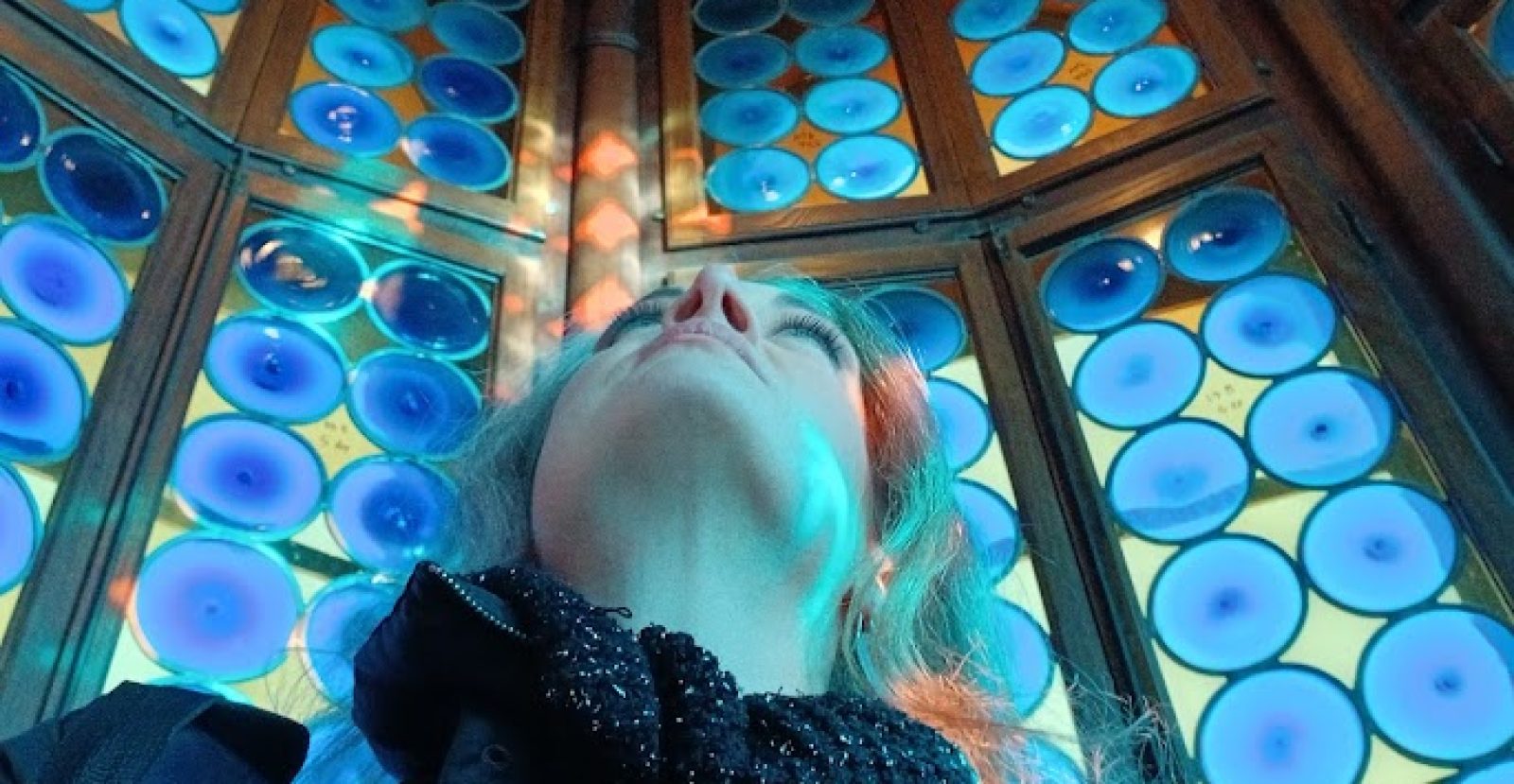
Osservandolo a distanza ravvicinata si viene avvolti da una sensazione dolorosa e di profonda spiritualità.

La scena del Compianto è un tema iconografico molto diffuso nell’arte cristiana. Raffigura il momento in cui la Vergine Maria e le pie donne si raccolgono attorno al corpo senza vita di Cristo.
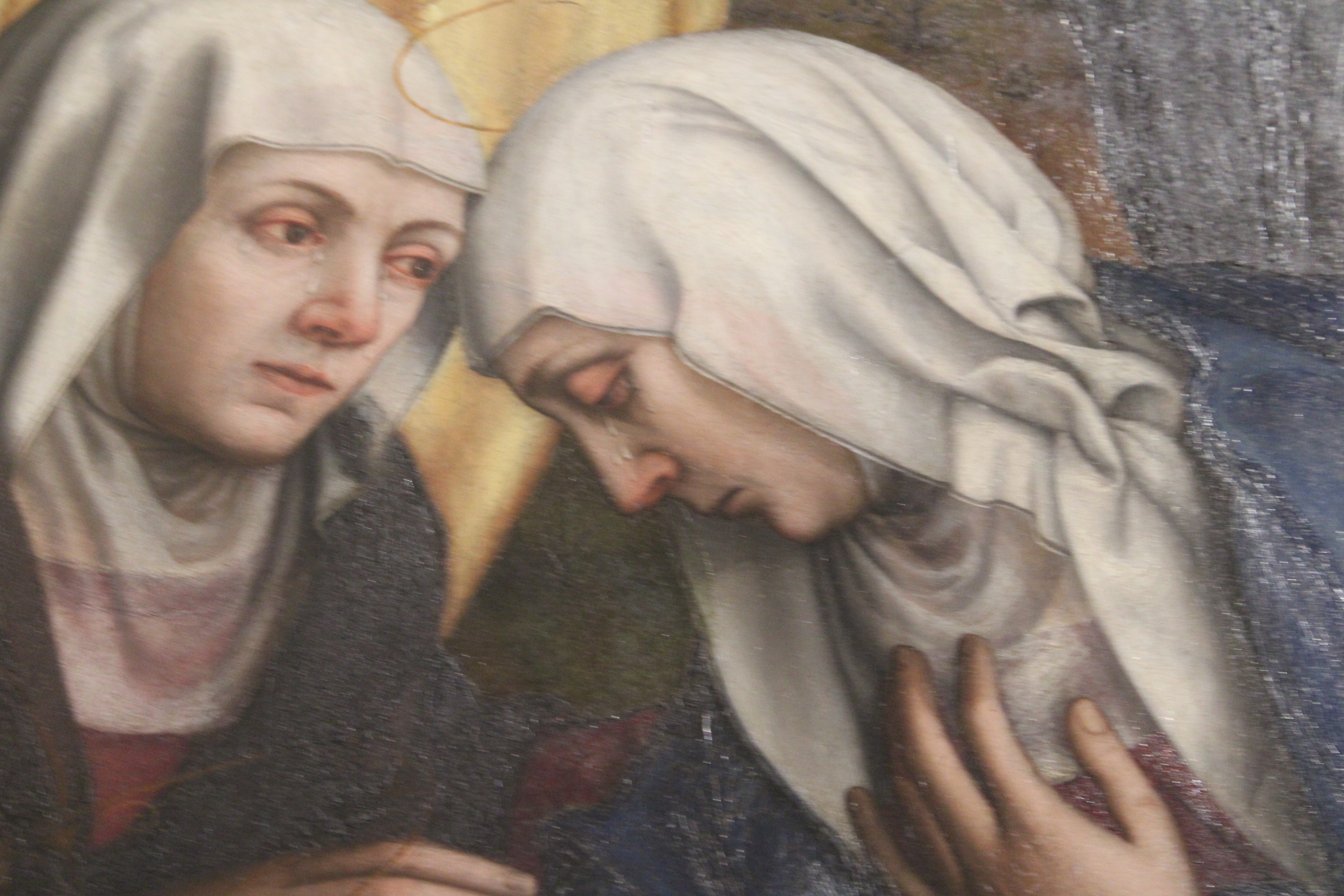
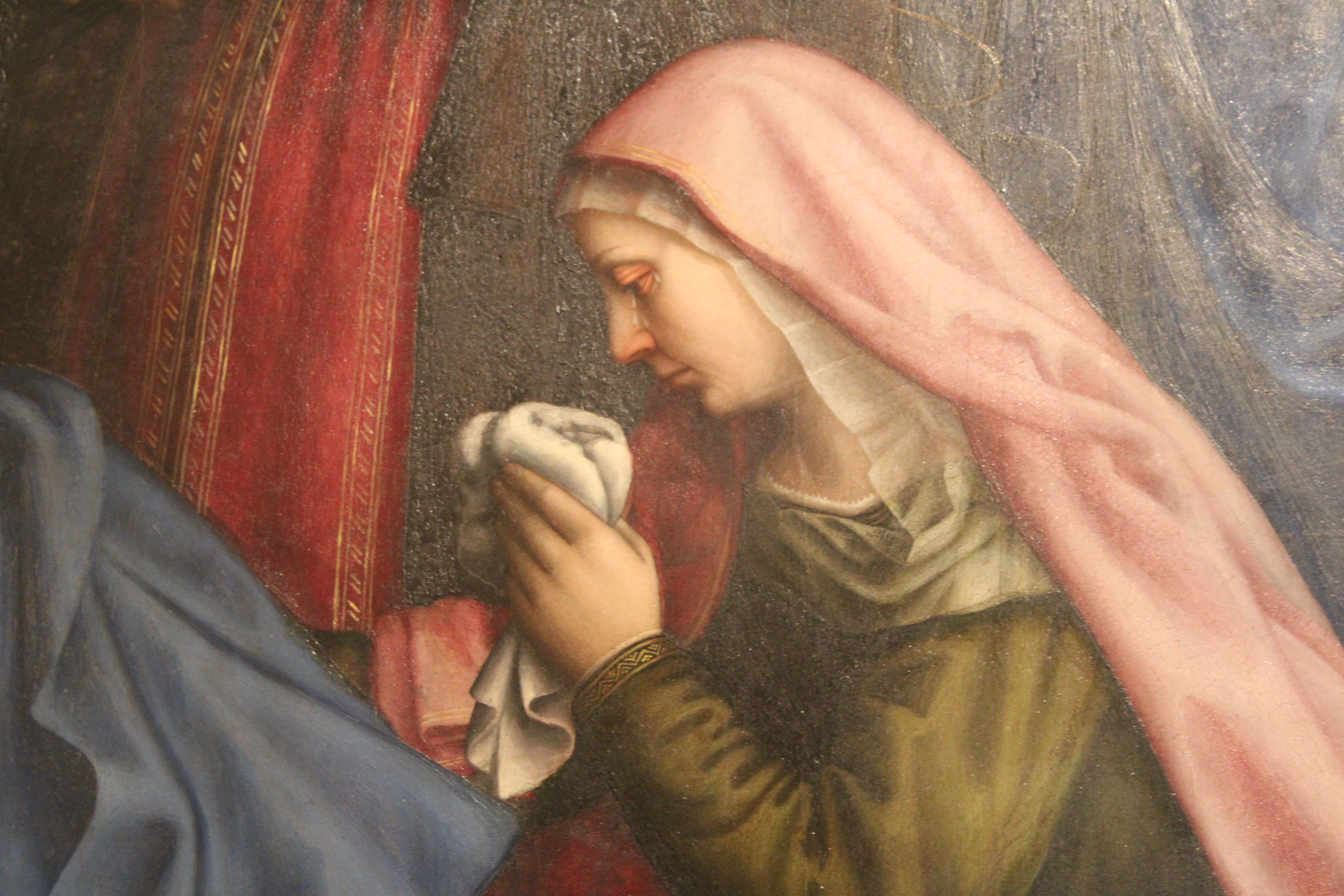
Suor Plautilla, però, riuscì a conferire alla scena una carica emotiva straordinaria, grazie alla maestria con cui rappresenta i volti straziati dal dolore e i gesti disperati delle figure.

I personaggi rappresentati si stringono al corpo di Cristo in un gesto di disperazione e di amore, creando un’atmosfera di intensa commozione. Alcuni hanno gli occhi arrossati, pieni di lacrime, per esprimere un dolore profondo e intimo che riesce a trasportare direttamente nell’opera ogni spettatore.
La gamma cromatica, ricca di contrasti tra luci e ombre, contribuisce a creare un’atmosfera drammatica e suggestiva.
Suor Plautilla Nelli fu una figura di spicco nel panorama artistico fiorentino del XVI secolo. La sua opera, spesso trascurata non perchè fosse di scarso valore, anzi, ma per il semplice fatto che fosse donna.
Oggi invece è stata fortemente rivalutata: è innegabile che abbia apportato un importante contributo alla storia dell’arte.
Il dipinto in questione è custodito oggi nel Museo di San Marco, a Firenze.
Per il momento il sempre vostro Michelangelo Buonarroti vi saluta dandovi appuntamento ai prossimi post e sui social.
©Tutti i diritti sono riservati
Painting of the day: The Lamentation over the Dead Christ by Plautilla
The painting of the day that I propose to you today is the Lamentation over the Dead Christ painted on wood by Sister Plautilla for the Dominican convent of Santa Caterina in Cafaggio between 1550 and 1560.
An extraordinary work that represents one of the peaks of female artistic production of the Renaissance. Plautilla created the painting for the convent in which she lived in seclusion and observing it from close range one is enveloped in a painful sensation of profound spirituality.
The scene of the Lamentation is a very widespread iconographic theme in Christian art. It depicts the moment in which the Virgin Mary and the pious women gather around the lifeless body of Christ.
Sister Plautilla, however, managed to give the scene an extraordinary emotional charge, thanks to the mastery with which she represents the faces torn by pain and the desperate gestures of the figures.
The characters depicted are hugging the body of Christ in a gesture of desperation and love, creating an atmosphere of intense emotion. Some have red eyes, full of tears, to express a deep and intimate pain that manages to transport every spectator directly into the work.
The chromatic range, rich in contrasts between light and shadow, helps to create a dramatic and suggestive atmosphere.
Sister Plautilla Nelli was a prominent figure in the Florentine artistic panorama of the 16th century. Her work, often overlooked not because it was of little value, on the contrary, but for the simple fact that she was a woman.
Today, however, it has been strongly revalued: it is undeniable that she has made an important contribution to the history of art.
The painting in question is now kept in the Museum of San Marco, in Florence.
For the moment, the always your Michelangelo Buonarroti bids you farewell, making an appointment with you in the next posts and on social media.
©All rights reserved

Sostienici – Support Us
Se questo blog ti piace e ti appassiona, puoi aiutarci a farlo crescere sempre più sostenendoci in modo concreto condividendo i post, seguendo le pagine social e con un contributo che ci aiuta ad andare avanti con il nostro lavoro di divulgazione. . ENGLISH: If you like and are passionate about this blog, you can help us make it grow more and more by supporting us in a concrete way by sharing posts, following social pages and with a contribution that helps us to move forward with our dissemination work.
10,00 €
Condividi:


Questo sono io





sostienici

Sostienici – Support Us
Se questo blog ti piace e ti appassiona, puoi aiutarci a farlo crescere sempre più sostenendoci in modo concreto condividendo i post, seguendo le pagine social e con un contributo che ci aiuta ad andare avanti con il nostro lavoro di divulgazione. . ENGLISH: If you like and are passionate about this blog, you can help us make it grow more and more by supporting us in a concrete way by sharing posts, following social pages and with a contribution that helps us to move forward with our dissemination work.
€10,00


