
Io mentre impartisco lezioni di anatomia dal vero
A Galleria Borghese è conservato un dipinto allegorico cinquecentesco che mi ritrae mentre impartisco una lezione di anatomia dal vivo a tutti gli artisti del mio tempo.
Attorno al cadavere che ho appena dissezionato, si affollano vari personaggi intenti a prendere appunti. Il gruppo posizionato a destra invece, mentre osserva il corpo giacente, ne crea un modello stante prestando attenzione a riprodurre con esattezza tutti i particolari anatomici.
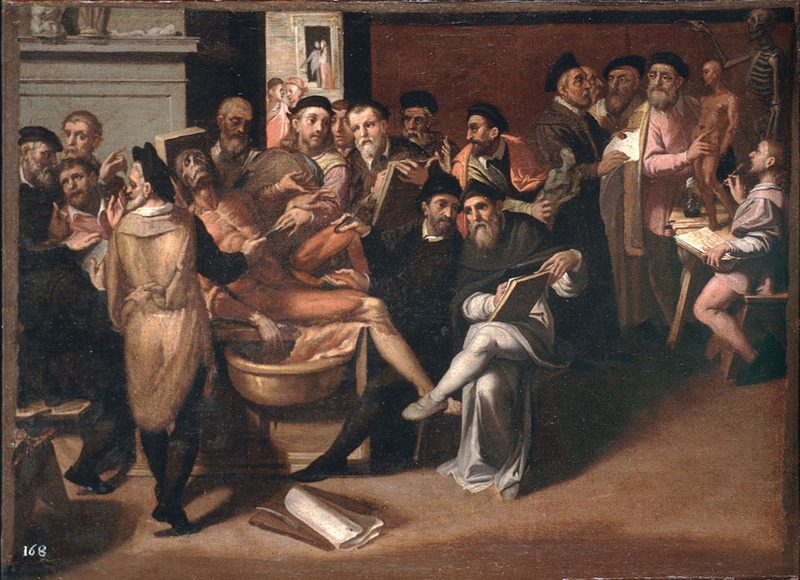
Se provate a tirare le diagonali dell’opera, vi renderete conto che al centro della scena ci sono proprio io. Mi vedete mentre tengo la mano destra sul ginocchio del cadavere e parlo con l’uomo alla mia sinistra che prende appunti.
L’opera è stata citata per la prima volta nell’inventario di Galleria Borghese nel 1693 e attribuita a Francesco Salviati. Nei decenni a seguire fu affibbiata a diversi artisti come Agostino Caracci, Lucio Massari e Bartolomeo Passerotti in modo assai poco convincente.
Più recentemente il dipinto è stato attribuito a Federico Zuccari. Sebbene ancora oggi sia abbastanza incerta l’attribuzione di questa pittura a olio su tela, rimane il fatto che sia io il protagonista che mostra il corpo sezionato.

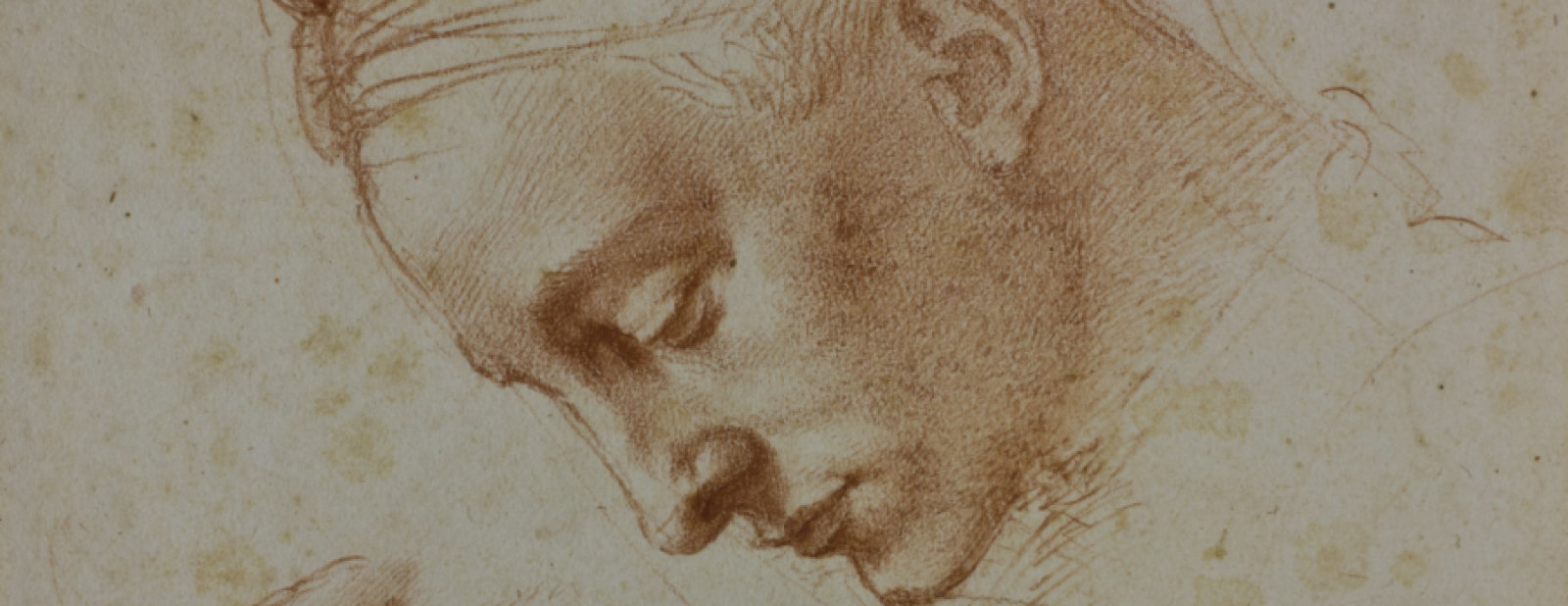
Del dipinto ne esistono diverse copie come il disegno che vedete, appartenente alla Galleria degli Uffizi. Per il momento il vostro Michelangelo Buonarroti vi saluta dandovi appuntamento ai prossimi post e sui social.
Me while I give life anatomy lessons
In the Borghese Gallery there is a sixteenth-century allegorical painting that portrays me giving a live anatomy lesson to all the artists of my time.
Around the corpse that I have just dissected, various characters crowd around taking notes. The group positioned on the right, on the other hand, while observing the lying body, creates a model of it, paying attention to reproduce exactly all the anatomical details.
If you try to pull the diagonals of the work, you will realize that I am in the center of the scene. You can see me holding my right hand on the knee of the corpse and talking to the man on my left who is taking notes.
The work was mentioned for the first time in the inventory of the Galleria Borghese in 1693 and attributed to Francesco Salviati. In the following decades it was given to various artists such as Agostino Caracci, Lucio Massari and Bartolomeo Passerotti in a very unconvincing way.
More recently the painting has been attributed to Federico Zuccari. Although the attribution of this oil painting on canvas is still quite uncertain today, the fact remains that I am the protagonist showing the dissected body.
If you try to pull the diagonals of the work, you will realize that I am in the center of the scene. You can see me holding my right hand on the knee of the corpse and talking to the man on my left who is taking notes.
The work was mentioned for the first time in the inventory of the Galleria Borghese in 1693 and attributed to Francesco Salviati. In the following decades it was given to various artists such as Agostino Caracci, Lucio Massari and Bartolomeo Passerotti in a very unconvincing way.
More recently the painting has been attributed to Federico Zuccari. Although the attribution of this oil painting on canvas is still quite uncertain today, the fact remains that I am the protagonist showing the dissected body.

Sostienici – Support Us
Se questo blog ti piace e ti appassiona, puoi aiutarci a farlo crescere sempre più sostenendoci in modo concreto condividendo i post, seguendo le pagine social e con un contributo che ci aiuta ad andare avanti con il nostro lavoro di divulgazione. . ENGLISH: If you like and are passionate about this blog, you can help us make it grow more and more by supporting us in a concrete way by sharing posts, following social pages and with a contribution that helps us to move forward with our dissemination work.
5,00 €
-
Festival La Versiliana 2026: tra musica, teatro e grandi narrazioni
Dal 17 luglio al 23 agosto 2026, la pineta di Marina di Pietrasanta ospiterà la 47ª edizione del Festival La Versiliana. Una kermesse aperta a tutti nella quale linguaggi diversi dialogano tra loro in un equilibrio tra tradizione e contemporaneità.
-
Giovedì Santo: l’Ultima Cena di Allori che pochi conoscono a Firenze
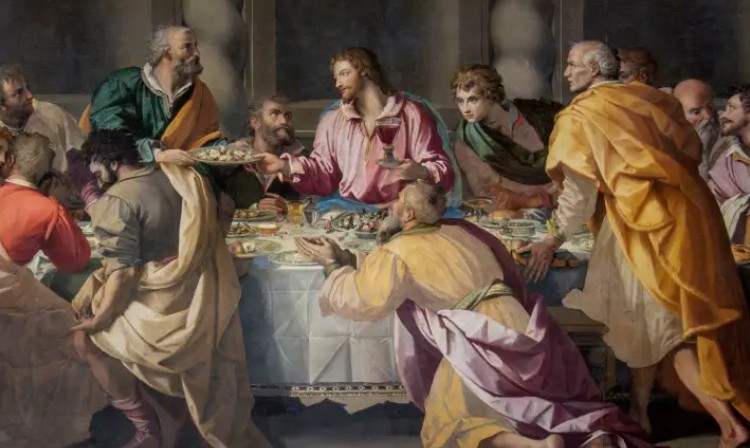
🇮🇹Nel cuore di Museo di Santa Maria Novella, a Firenze, si conserva una delle interpretazioni più affascinanti e meno note dell’Ultima Cena: quella realizzata da Alessandro Allori nel 1584… 🇬🇧In the heart of the Santa Maria Novella Museum in Florence, one of the most fascinating and least-known interpretations of the Last Supper is preserved: the…
-
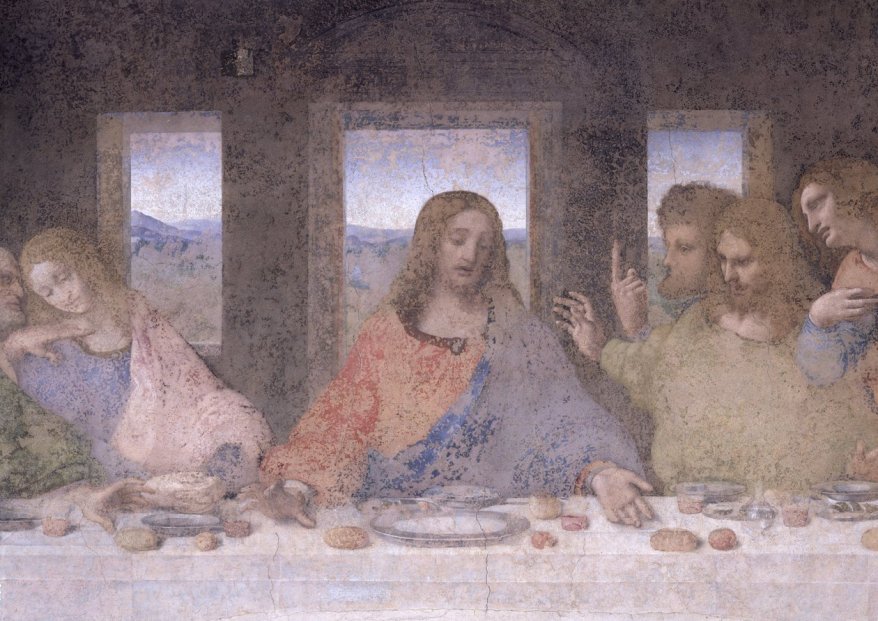
Cenacolo di Leonardo: i dettagli che raccontano il tradimento
🇮🇹Nel Cenacolo di Leonardo da Vinci, custodito a Santa Maria delle Grazie, Cristo annuncia il tradimento e il tempo si ferma… 🇬🇧In Leonardo da Vinci’s Last Supper, housed in Santa Maria delle Grazie, Christ announces the betrayal and time stands still…
Condividi:


Questo sono io





sostienici

Sostienici – Support Us
Se questo blog ti piace e ti appassiona, puoi aiutarci a farlo crescere sempre più sostenendoci in modo concreto condividendo i post, seguendo le pagine social e con un contributo che ci aiuta ad andare avanti con il nostro lavoro di divulgazione. . ENGLISH: If you like and are passionate about this blog, you can help us make it grow more and more by supporting us in a concrete way by sharing posts, following social pages and with a contribution that helps us to move forward with our dissemination work.
€10,00


