

Visita virtuale dell’Hermitage Museum di San Pietroburgo
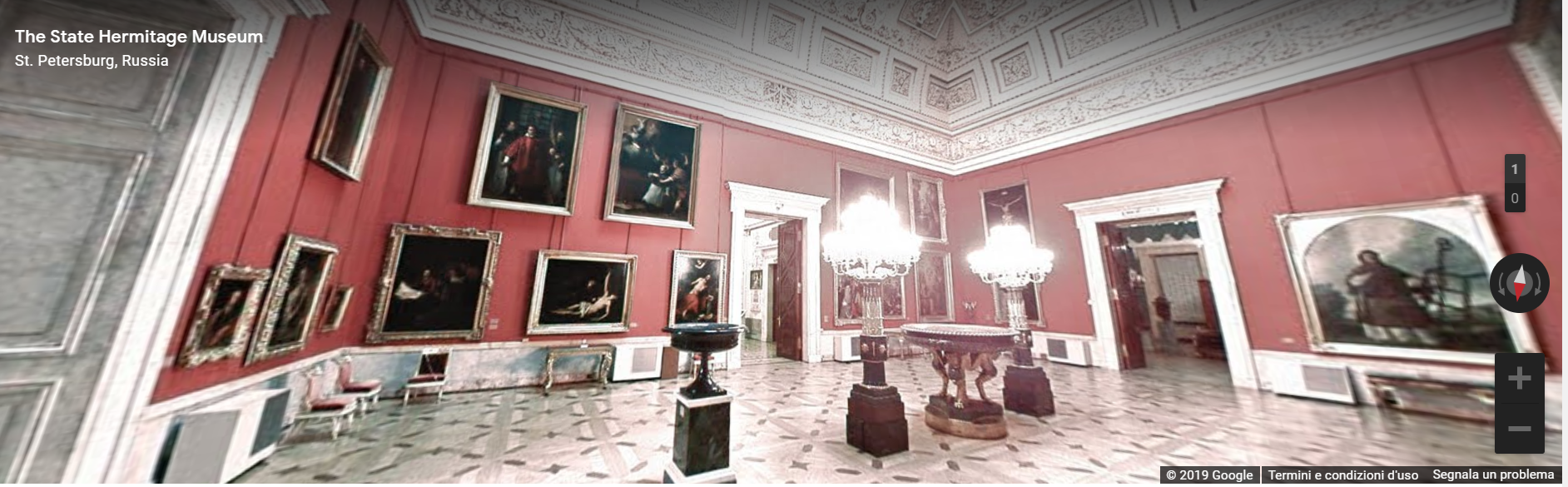
L’Hermitage Museum di San Pietroburgo è uno dei musei più visitati al mondo e l’edificio che lo ospita in origine faceva parte della reggia imperiale che accolse fra le sue mura gli zar Romanov fino al 1917.
Fra le sue opere più importanti vale la pena ricordare l’Adolescente attribuito a me di cui vi ho raccontato la storia con dovizia di particolari QUA ma anche opere di Caravaggio, Canova, Cézanne, Degas, Rembradt Tiziano, Rubens, Gaugin, Van Gogh, Velazquez e altri artisti celeberrimi.
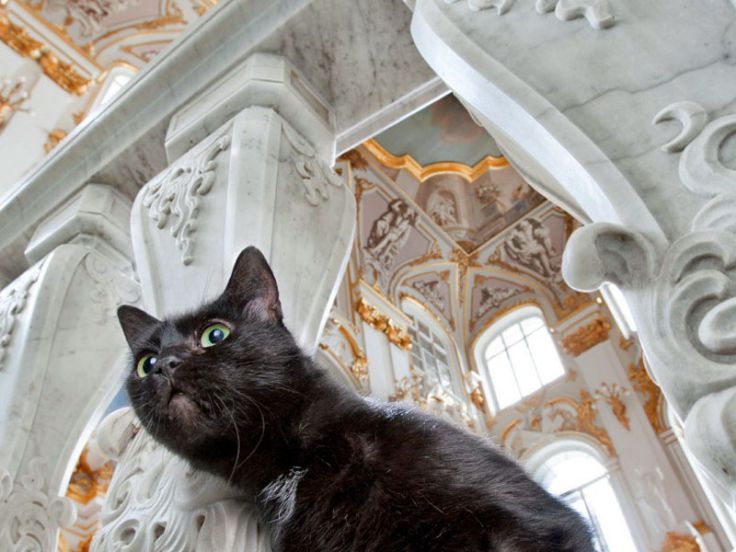
La cosa più sui generis che troverete all’interno dell’Hermitage è la colonia di felini che lo abita.
La loro presenza all’interno del palazzo ha origini antiche: Pietro il Grande s’era portato a casa dai Paesi Bassi un bel gattone che chiamò Basilio. Visse con lui a palazzo e fu tanto utile nel cacciare i ratti che Pietro stesso emise un decreto che imponeva di tenere i gatti in tutti i fienili per evitare il proliferare dei topi.
Nel 1745 l’imperatrice Elisabetta ordinò l’introduzione dei gatti nel Palazzo d’Inverno per limitare i danni causati dai topi. Da allora i gatti non se ne sono mai andati dal palazzo e ancora oggi si aggirano indisturbati per le sale, fra Rembrandt, Caravaggio e Canova.
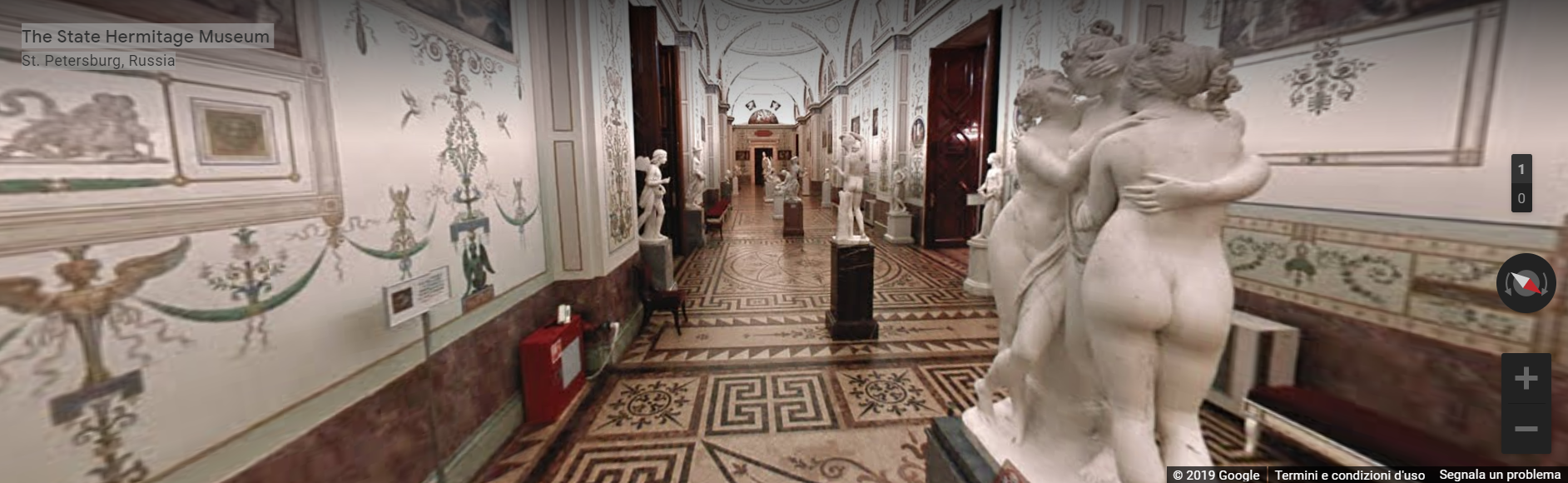
Sebbene una visita in questo museo val bene un viaggio fino in Russia, oggi voglio farvi viaggiare attraverso le sue sale in modo virtuale.
Come? Mediante un link ganzo che ho trovato in rete che vi permette di girovagare fra alcuni dei suoi capolavori. Cliccate QUA e poi procedete di sala in sala. Ritrovarsi fra quei capolavori dal vero è un’altra cosa ma almeno in questo modo ci si rende conto dell’allestimento delle sale in modo tridimensionale.
Per il momento vi saluto, augurandovi buona visita. Il vostro Michelangelo Buonarroti
Virtual tour of the Hermitage Museum in St. Petersburg
The Hermitage Museum in St. Petersburg is one of the most visited museums in the world and the building that houses it originally was part of the imperial palace that welcomed the Romanov tsars within its walls until 1917.
Among his most important works it is worth mentioning the Teenager attributed to me whose story I have told you in great detail HERE but also works by Caravaggio, Canova, Cézanne, Degas, Rembradt Tiziano, Rubens, Gaugin, Van Gogh, Velazquez and other famous artists.
The most sui generis thing you will find inside the Hermitage is the colony of felines that inhabit it. Their presence inside the palace has ancient origins: Peter the Great had brought home a nice cat from the Netherlands that he called Basilio. He lived with him in the palace and was so useful in hunting rats that Peter himself issued a decree requiring cats to be kept in all barns to avoid the proliferation of mice. In 1745 the Empress Elizabeth ordered the introduction of cats into the Winter Palace to limit the damage caused by mice. Since then the cats have never left the palace and still today they roam the rooms undisturbed, between Rembrandt, Caravaggio and Canova.
Although a visit to this museum is well worth a trip to Russia, today I want you to travel through its rooms in a virtual way.
How? Through a cool link that I found on the net that allows you to wander among some of his masterpieces. Click HERE and then proceed from room to room. Finding yourself among those masterpieces from life is another thing but at least in this way you realize the setting of the rooms in a three-dimensional way.
For the moment I greet you, wishing you a good visit. Your Michelangelo Buonarroti

Sostienici – Support Us
Se questo blog ti piace e ti appassiona, puoi aiutarci a farlo crescere sempre più sostenendoci in modo concreto condividendo i post, seguendo le pagine social e con un contributo che ci aiuta ad andare avanti con il nostro lavoro di divulgazione. . ENGLISH: If you like and are passionate about this blog, you can help us make it grow more and more by supporting us in a concrete way by sharing posts, following social pages and with a contribution that helps us to move forward with our dissemination work.
5,00 €
-
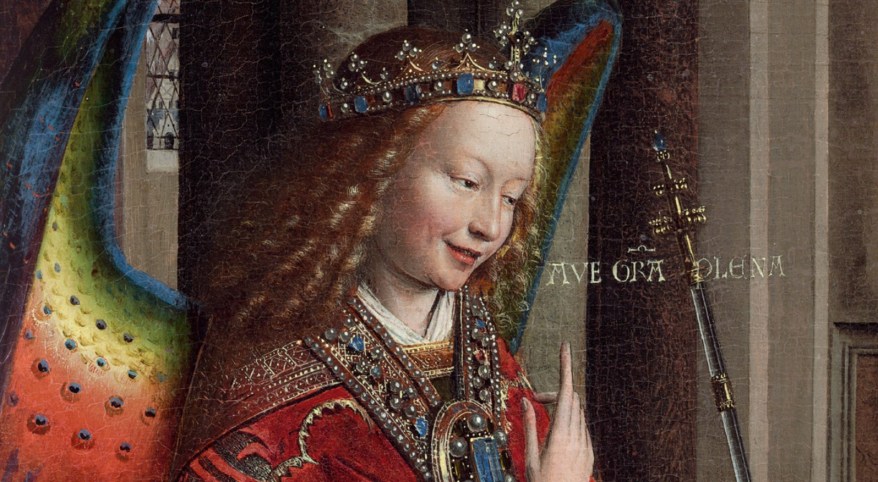
25 marzo: l’Annunciazione di Jan van Eyck, capolavoro fiammingo
🇮🇹Nel giorno del 25 marzo, tradizionalmente legato al mistero dell’Annunciazione, lo sguardo si posa su uno dei capolavori più raffinati della pittura nordica: l’Annunciazione di Jan van Eyck… 🇬🇧On March 25, traditionally linked to the mystery of the Annunciation, our gaze falls on one of the finest masterpieces of Northern European painting: The Annunciation by…
-
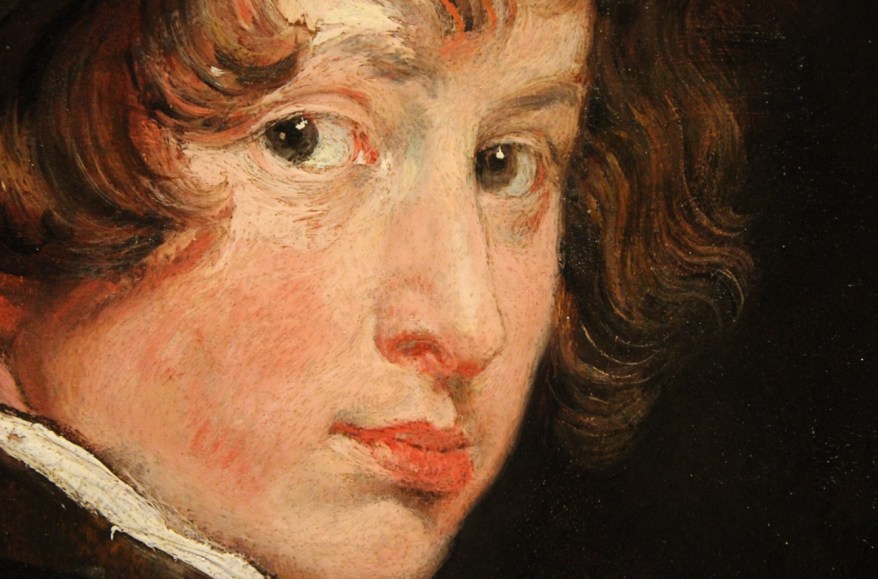
Van Dyck a Genova: la mostra che emoziona tra luce, mirabili dettagli e sguardi indimenticabili
🇮🇹Ho avuto modo di visitare la mostra “Van Dyck l’Europeo” a Genova: un viaggio emozionante tra Anversa, Genova e Londra attraverso dettagli, sguardi e capolavori senza tempo… 🇬🇧I had the opportunity to visit the exhibition “Van Dyck the European” in Genoa: an exciting journey between Antwerp, Genoa, and London through details, glances, and timeless masterpieces…
-
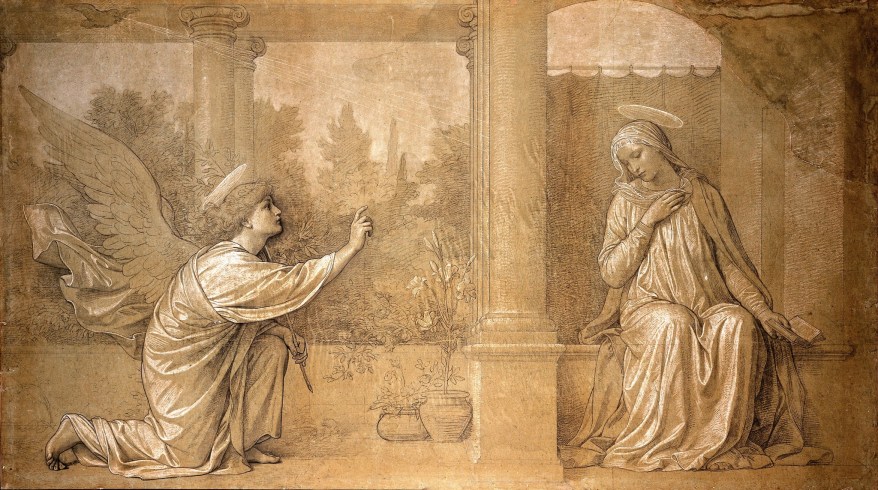
Quando il Capodanno cadeva il 25 marzo: l’Annunciazione di Alessandro Franchi
🇮🇹Il 25 marzo si celebra l’Annunciazione che per secoli, a Firenze e nel resto della Toscana, segnava l’inizio del nuovo anno. Tra le opere più suggestive che raffigurano l’Annunciazione, vi propongo il cartone realizzato da Alessandro Franchi intorno al 1884… 🇬🇧March 25th marks the celebration of the Annunciation, which for centuries marked the beginning of…
Condividi:


Questo sono io





sostienici

Sostienici – Support Us
Se questo blog ti piace e ti appassiona, puoi aiutarci a farlo crescere sempre più sostenendoci in modo concreto condividendo i post, seguendo le pagine social e con un contributo che ci aiuta ad andare avanti con il nostro lavoro di divulgazione. . ENGLISH: If you like and are passionate about this blog, you can help us make it grow more and more by supporting us in a concrete way by sharing posts, following social pages and with a contribution that helps us to move forward with our dissemination work.
€10,00


1 commento »