
Conclave: cardinali elettori e la preparazione della Cappella Sistina
Secondo l’Universi dominici gregis, dopo la morte del pontefice, devono trascorrere almeno 15 giorni prima dell’inizio del Conclave e non più di 20.
Quindi la procedura che porterà all’elezione del nuovo papa inizierà nel periodo compreso tra il 5 e il 10 maggio 2025.

I cardinali elettori
Come sta scritto nelle normative attualmente in vigore, voteranno solo i cardinali che ancora o hanno compiuto gli 80 anni d’età.
I cardinali elettori in totale saranno 135 e per eleggere il nuovo successore di Pietro serviranno almeno 90 voti a favore ovvero 2/3 sul totale.
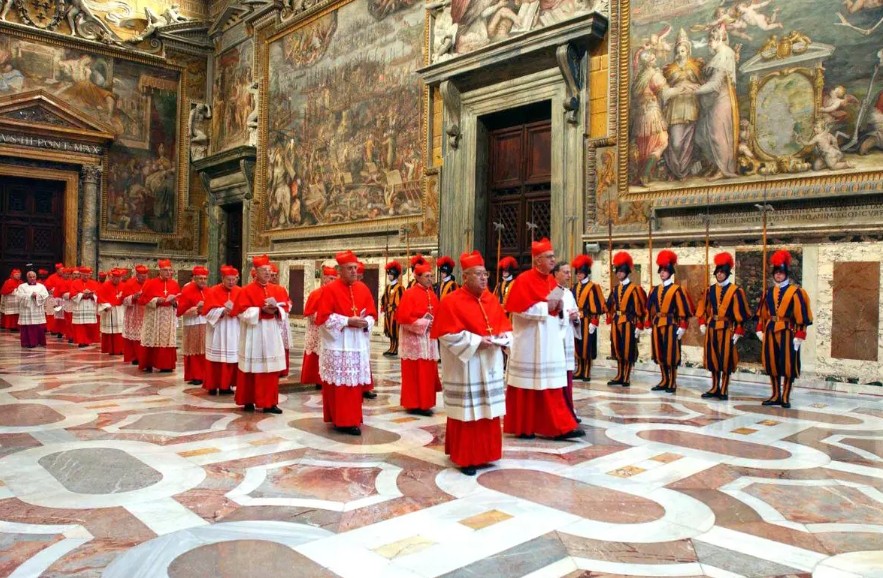
La maggior parte dei cardinali proviene dall’Europa con 53 votanti mentre 23 cardinali elettori provengono dall’Asia. Dall’America del Nord sono 20 gli elettori mentre dall’America del Sud sono 18 e 18 sono anche i cardinali elettori provenienti dall’Africa.
Il numero più esiguo di cardinali votanti arriva dall’Oceania: 4 i porporati che potranno eleggere il nuovo pontefice.
Il cardinale più giovane
Il cardinale elettore con meno anni è l’ucraino Mykola Bychok, creato proprio da papa Francesco durante il Concistoro del 7 dicembre 2024. E’ nato nel 1980 e ha 45 anni.

La preparazione della Cappella Sistina per il Conclave
E’ il responsabile della Floreria della Città del Vaticano, al momento Paolo Sagretti, che deve farsi carico dell’allestimento del Conclave all’interno della Cappella Sistina.
I lavori in Sistina iniziano dopo la morte del pontefice: richiedono tempo e un gran numero di maestranze al lavoro.
Per prima cosa viene protetto il prezioso pavimento cosmatesco, formato da una miriade di tessere di marmo e pietre dure. La copertura in legno rialzata di circa 60 centimetri da terra, rivestita con un panno grigio evita che il posizionamento delle varie suppellettili possa scalfirne la superficie.
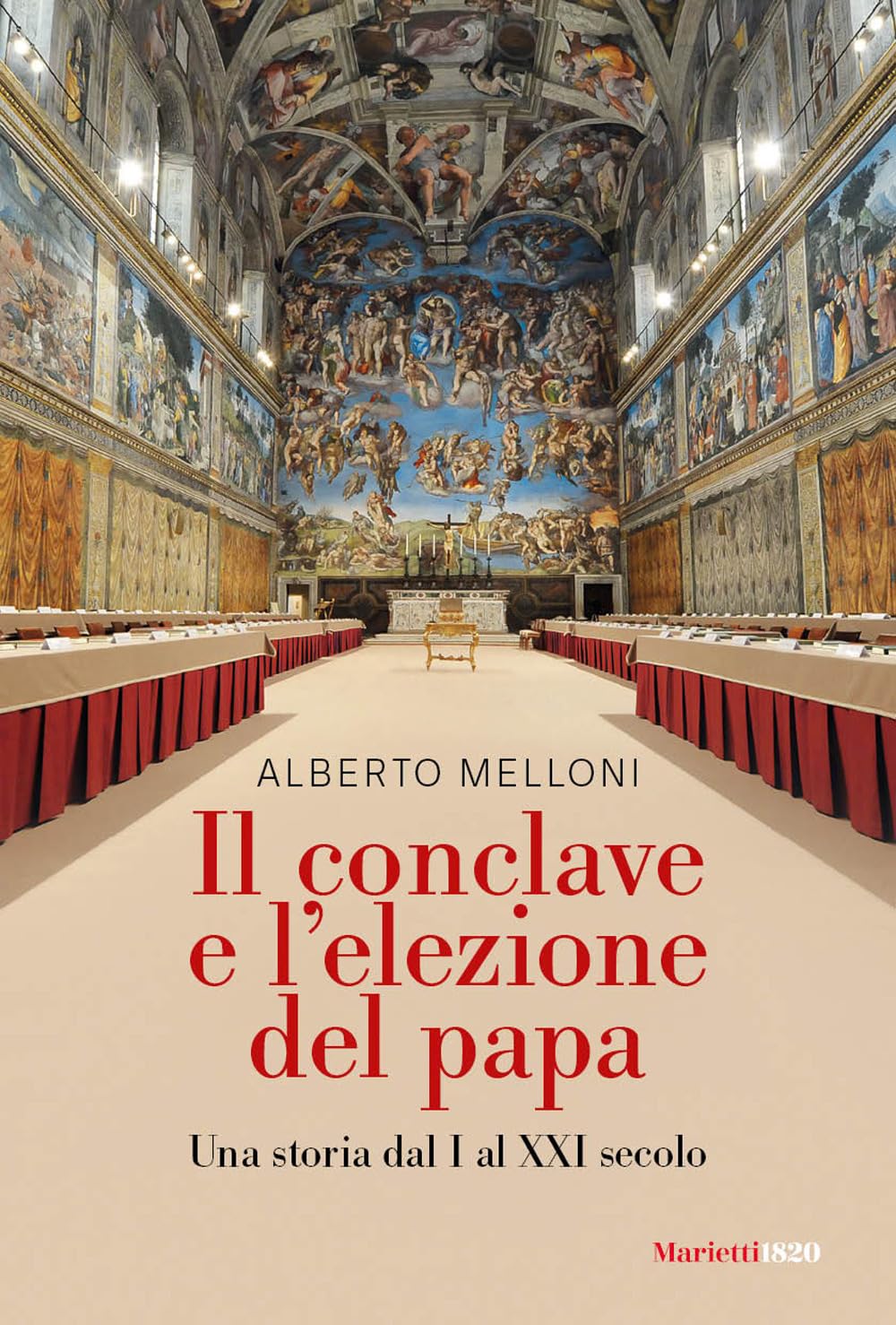
All’interno della Sistina vengono poi portate le sedie di ciliegio personalizzate con i nomi di ogni cardinale elettore che durante questo Conclave 2025 saranno 135.

I tavoli invece saranno dodici e realizzati in legno grezzo. Verranno poi accuratamente coperti con un tessuto beige e da un satin di seta bordeaux. Sei tavoli saranno disposti sul lato destro e sei sul sinistro, sistemati su due file.
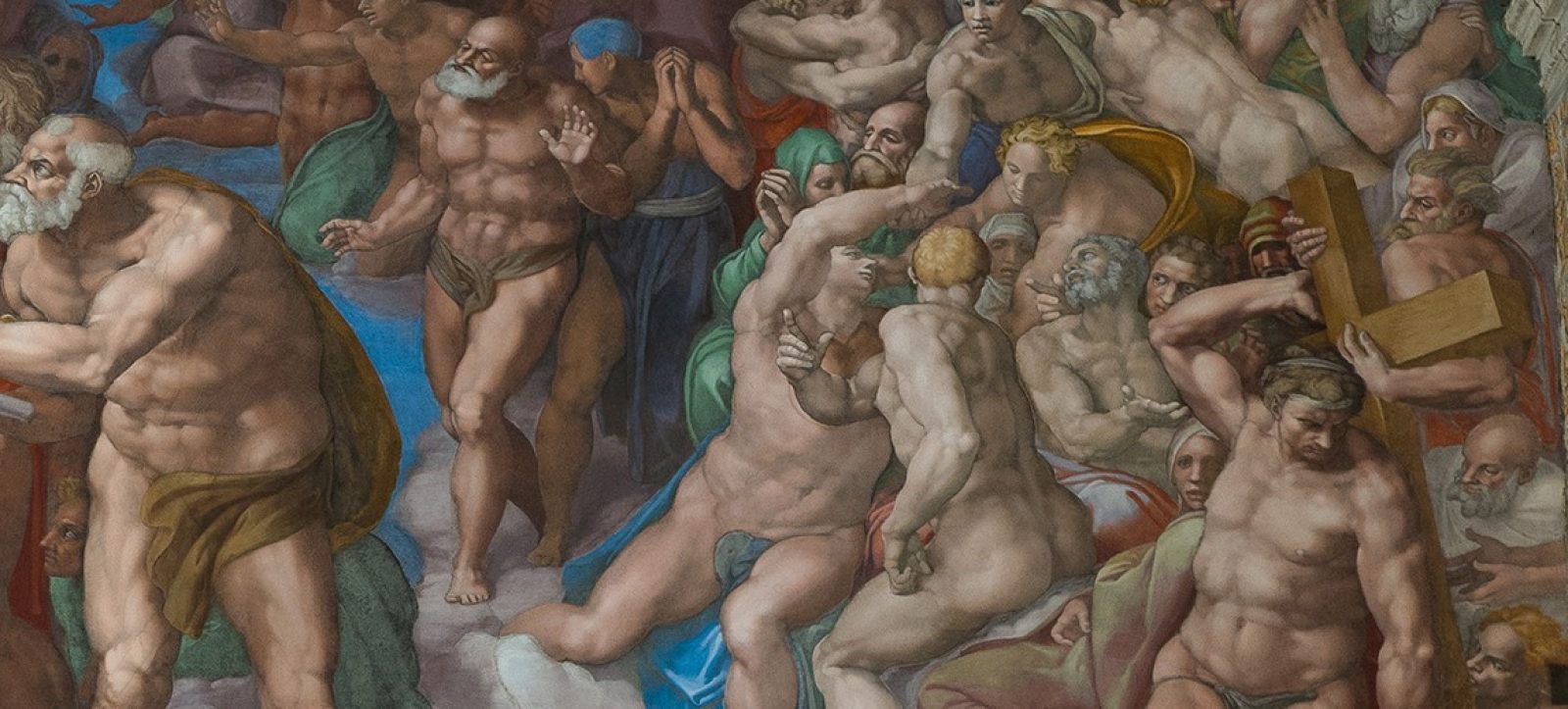
Davanti all’altare, al di sotto della volta che affrescai secoli or sono e davanti al Giudizio Universale, sarà posizionato il tavolo che sorreggerà l’urna per raccogliere le schede con i voti. Lì sopra sarà sistemato anche il Vangelo sul quale i Cardinali giureranno prima di votare.
Ai cardinali viene fornita solo una cartellina rossa che funge da appoggio, una penna e la scheda per votare.

Fumata Bianca e Fumata Nera
La stufa viene installata al di la della transenna marmorea realizzata da Mino da Fiesole, Andrea Bregno e Giovanni Dalmata.
E’ formata da due parti collegate tra di loro e consentirà di bruciare le le schede votate e, al contempo, rendere nota all’esterno della cappella Sistina, l’esito della votazione.
Come si ottengono i due colori del fumo? Un tempo per la fumata nera venivano bruciate solo le schede mentre per quella bianca veniva aggiunta della paglia umida. Oggi si incrementa l’effetto con degli specifici additivi per evitare fumate dubbie.

I Vigili del Fuoco del Vaticano provvedono a installare sul tetto della Cappella Sistina il camino che sporge di circa 2 metri mentre all’interno la canna fumaria è alta 20 metri.
Per il momento il sempre vostro Michelangelo Buonarroti vi saluta dandovi appuntamento ai prossimi post e sui social.
The Conclave: Cardinal Electors and the Preparation of the Sistine Chapel
According to the Universi Dominici Gregis, after the death of the pontiff, at least 15 days must pass before the start of the Conclave and no more than 20. Therefore, the procedure that will lead to the election of the new pope will begin in the period between 5 and 10 May 2025.
The Cardinal Electors
As written in the regulations currently in force, only cardinals who are still or have reached 80 years of age will vote.
There will be 135 cardinal electors in total and to elect the new successor of Peter, at least 90 votes in favor will be needed, or 2/3 of the total.
Most of the cardinals come from Europe with 53 voters while 23 cardinal electors come from Asia. There are 20 electors from North America while there are 18 from South America and 18 cardinal electors from Africa.
The smallest number of voting cardinals comes from Oceania: 4 cardinals will be able to elect the new pontiff.
The youngest cardinal
The youngest cardinal elector is the Ukrainian Mykola Bychok, created by Pope Francis himself during the Consistory of December 7, 2024. He was born in 1980 and is 45 years old.
The preparation of the Sistine Chapel for the Conclave
The head of the Floreria of the Vatican City, Paolo Sagretti at the moment, is responsible for the preparation of the Conclave inside the Sistine Chapel.
The work in the Sistine Chapel begins after the death of the pontiff: it takes time and a large number of workers at work.
First of all, the precious Cosmatesque floor, made up of a myriad of marble and semiprecious stone tiles, is protected. The wooden covering raised about 60 centimeters from the ground, covered with a gray cloth, prevents the positioning of the various furnishings from scratching its surface.
Inside the Sistine Chapel, the cherry chairs personalized with the names of each cardinal elector are then brought, who during this 2025 Conclave will be 135.
The tables instead will be twelve and made of raw wood. They will then be carefully covered with a beige fabric and a burgundy silk satin. Six tables will be placed on the right side and six on the left, arranged in two rows.
In front of the altar, under the vault that I frescoed centuries ago and in front of the Last Judgement, the table that will support the urn to collect the ballots with the votes will be positioned. The Gospel on which the Cardinals will swear before voting will also be placed on it.
The cardinals are only given a red folder that serves as a support, a pen and the ballot to vote.
White Smoke and Black Smoke
The stove is installed beyond the marble barrier made by Mino da Fiesole, Andrea Bregno and Giovanni Dalmata.
It is made up of two parts connected to each other and will allow the voting cards to be burned and, at the same time, the outcome of the vote to be made known outside the Sistine Chapel.
How are the two colors of smoke obtained? In the past, only the cards were burned for the black smoke, while wet straw was added for the white smoke. Today, the effect is increased with smoke bombs to avoid dubious smoke.
For the moment, your ever Michelangelo Buonarroti bids you farewell, making an appointment to see you in the next posts and on social media.

Sostienici – Support Us
Se questo blog ti piace e ti appassiona, puoi aiutarci a farlo crescere sempre più sostenendoci in modo concreto condividendo i post, seguendo le pagine social e con un contributo che ci aiuta ad andare avanti con il nostro lavoro di divulgazione. . ENGLISH: If you like and are passionate about this blog, you can help us make it grow more and more by supporting us in a concrete way by sharing posts, following social pages and with a contribution that helps us to move forward with our dissemination work.
10,00 €
Articoli
Condividi:


Questo sono io





sostienici

Sostienici – Support Us
Se questo blog ti piace e ti appassiona, puoi aiutarci a farlo crescere sempre più sostenendoci in modo concreto condividendo i post, seguendo le pagine social e con un contributo che ci aiuta ad andare avanti con il nostro lavoro di divulgazione. . ENGLISH: If you like and are passionate about this blog, you can help us make it grow more and more by supporting us in a concrete way by sharing posts, following social pages and with a contribution that helps us to move forward with our dissemination work.
€10,00


❤️
"Mi piace""Mi piace"