
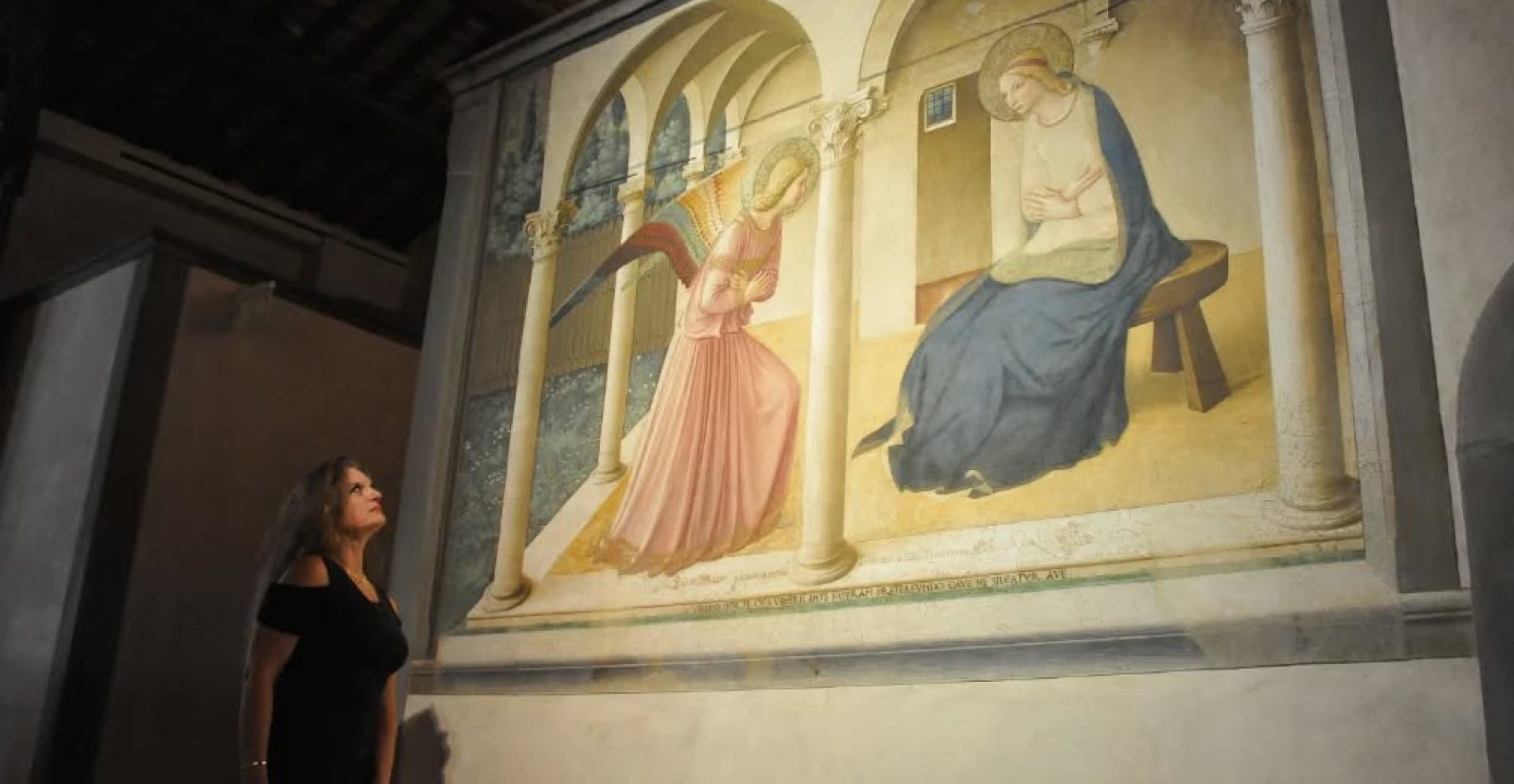
15 settembre 1864: Firenze capitale d’Italia
Il 15 settembre del 1864 Firenze fu proclamata capitale d’Italia. Nella città francese di Fauntainbleu Italia e Francia stipularono quella che venne chiamata poi Convenzione.
Costantino Nigra e Gioacchino Napoleone Pepoli, ministri plenipotenziari del regno d’Italia, firmarono con il ministro degli esteri francesi un patto che prevedeva lo spostamento della capitale da Torino ad altra città in cambio del ritiro da effettuare entro due anni delle truppe francesi presenti sia a Roma che nel resto del Lazio per la difesa dello Stato Pontificio.

La ratifica verrà fatta un paio di mesi dopo, il 19 novembre, mediante scrutinio segreto. Il risultato fu un sì netto per lo spostamento della capitale con 307 voti a favore, 70 contro e solo due astenuti.
Lo spostamento della capitale del Regno d’Italia da Torino a Firenze avrebbe portato in città un’indotto economico importante. I Savoia così lasciarono la loro città per trasferirsi con tutta la corte a Firenze. Torino era troppo vicina al confine francese e Firenze veniva considerata una città un po’ più sicura.
Il 3 febbraio dell’anno successivo, Vittorio Emanuele II assieme alla sua corte partì in via definitiva da Torino per trasferirsi a Firenze.
“Nel periodo in cui Firenze fu capitale d’Italia, la vita di corte non si distinse per vivacità e brillantezza, sia per le frequenti assenze del re, che preferiva soggiornare nella tenuta di caccia di S. Rossore, sia a causa della sua vedovanza”
L’archivista e storico Carlo M. Fiorentino

Di conseguenza Torino perse di importanza e lauti guadagni. Quando la notizia dello spostamento venne di dominio pubblico ci furono proteste feroci nella città sabauda. I più turbati erano i grandi imprenditori che avevano stabilito la loro sede operativa proprio a Torino. Erano infatti in corso numerosi cantieri per le grandi opere di ammodernamento della città per elevarla al rango di capitale ma con la scelta di Firenze come capitale tutti quegli investimenti non avevano più motivo di essere fatti.
Non mancarono tumulti violenti, repressi dal regio esercito in un bagno di sangue.
Firenze rimase capitale d’Italia per circa sei anni ovvero dal 3 febbraio del 1865, con l’arrivo in città del re sabaudo, fino al 3 febbraio del 1871.
Per il momento il vostro Michelangelo Buonarroti vi saluta dandovi appuntamento ai prossimi post e sui social.
September 15, 1864: Florence, capital of Italy
On September 15, 1864, Florence was proclaimed the capital of Italy. In the French city of Fauntainbleu, Italy and France signed what was later called the Convention.
Costantino Nigra and Gioacchino Napoleone Pepoli, plenipotentiary ministers of the kingdom of Italy, signed a pact with the French foreign minister that provided for the transfer of the capital from Turin to another city in exchange for the withdrawal to be made within two years of the French troops present both in Rome and in the rest of Lazio for the defense of the Papal State.
The ratification will be made a couple of months later, on November 19, by secret ballot. The result was a clear yes for the move of the capital with 307 votes in favor, 70 against and only two abstentions.
The move of the capital of the Kingdom of Italy from Turin to Florence would have brought an important economic activity to the city. The Savoy thus left their city to move with the whole court to Florence. Turin was too close to the French border and Florence was considered a slightly safer city.
On February 3 of the following year, Vittorio Emanuele II together with his court left Turin to move to Florence.
“In the period in which Florence was the capital of Italy, court life was not distinguished by liveliness and brilliance, both for the frequent absences of the king, who preferred to stay in the hunting estate of S. Rossore, and because of his widowhood “
The archivist and historian Carlo M. Fiorentino
Consequently Turin lost its importance and rich earnings. When the news of the move came into the public domain, there were fierce protests in the Savoyard city. The most troubled were the great entrepreneurs who had established their headquarters in Turin. In fact, numerous construction sites were in progress for the great modernization works of the city to raise it to the rank of capital but with the choice of Florence as the capital all those investments no longer had any reason to be made.
There was no lack of violent riots, repressed by the royal army in a bloodbath.
Florence remained the capital of Italy for about six years, or from February 3, 1865, with the arrival in the city of the Savoy king, until February 3, 1871.
For the moment, your Michelangelo Buonarroti greets you by giving you an appointment at the next posts and on social networks.

Sostienici – Support Us
Se questo blog ti piace e ti appassiona, puoi aiutarci a farlo crescere sempre più sostenendoci in modo concreto condividendo i post, seguendo le pagine social e con un contributo che ci aiuta ad andare avanti con il nostro lavoro di divulgazione. . ENGLISH: If you like and are passionate about this blog, you can help us make it grow more and more by supporting us in a concrete way by sharing posts, following social pages and with a contribution that helps us to move forward with our dissemination work.
5,00 €
-
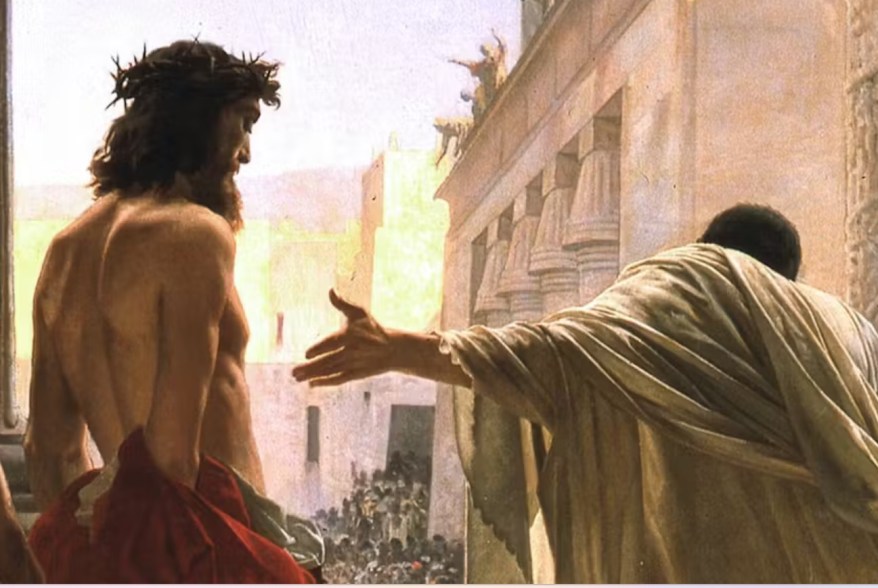
Venerdì Santo: gli “Ecce Homo” più intensi della storia dell’arte
🇮🇹Ecce Homo. Da Antonello da Messina a Tintoretto, fino al sorprendente capolavoro di Antonio Ciseri, questo soggetto ha attraversato i secoli raccontando dolore, umanità e coscienza… 🇬🇧Ecce Homo. From Antonello da Messina to Tintoretto, to Antonio Ciseri’s astonishing masterpiece, this subject has spanned the centuries, recounting pain, humanity, and conscience…
-
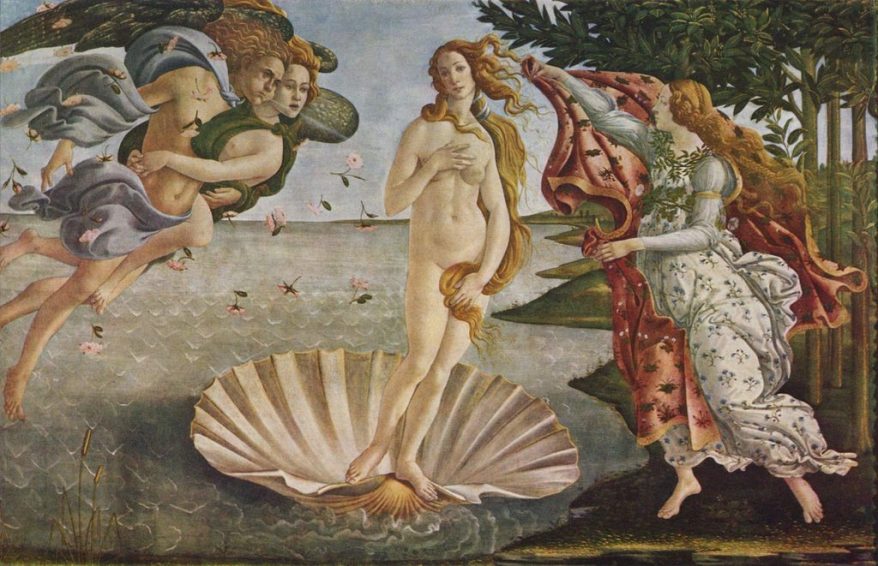
Attacco hacker agli Uffizi: rubati dati sensibili, mappe e codici di sicurezza
🇮🇹Attacco hacker alle Gallerie degli Uffizi: rubati dati sensibili, mappe e sistemi di sicurezza. A rischio opere, archivi e cybersicurezza del patrimonio artistico… 🇬🇧Hacker attack on the Uffizi Galleries: sensitive data, maps, and security systems stolen. Works of art, archives, and the cybersecurity of the artistic heritage are at risk…
-
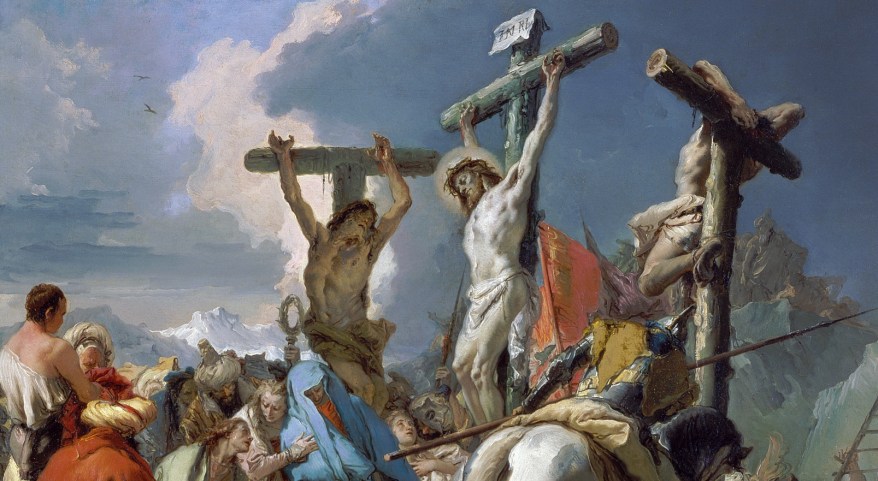
Venerdì Santo: la Crocifissione secondo Tiepolo
🇮🇹Nel giorno del Venerdì Santo, c’è un’opera che riesce ancora a scuotere lo sguardo. La Crocifissione di Giambattista Tiepolo non è come le altre: niente simmetrie perfette, niente distanza. Qui si entra dentro la scena, da un punto di vista obliquo, tra movimento, tensione e umanità… 🇬🇧On Good Friday, there’s a work that still manages…
Condividi:


Questo sono io





sostienici

Sostienici – Support Us
Se questo blog ti piace e ti appassiona, puoi aiutarci a farlo crescere sempre più sostenendoci in modo concreto condividendo i post, seguendo le pagine social e con un contributo che ci aiuta ad andare avanti con il nostro lavoro di divulgazione. . ENGLISH: If you like and are passionate about this blog, you can help us make it grow more and more by supporting us in a concrete way by sharing posts, following social pages and with a contribution that helps us to move forward with our dissemination work.
€10,00


