
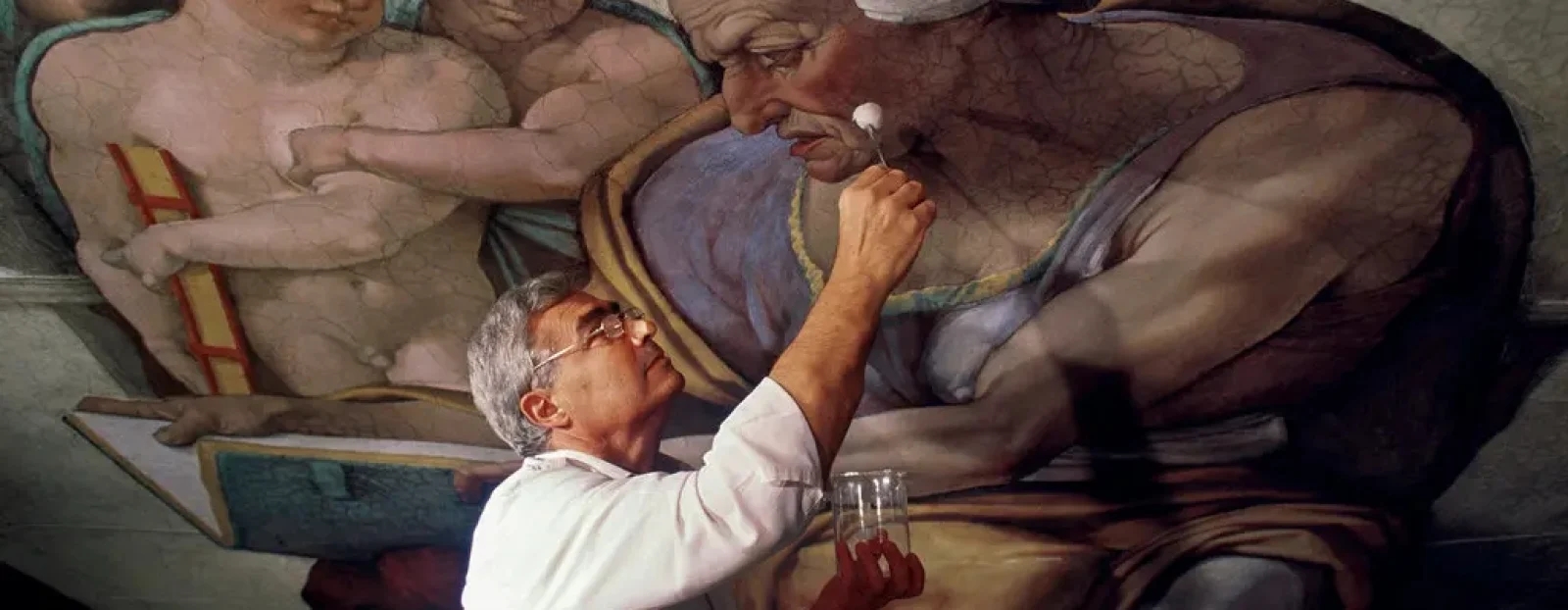
Creatrice di vita e custode della morte: la Madonna
Ho sempre inteso la maternità della Vergine Maria come dolorosa.
Le mie Madonne hanno sempre un’aria malinconica, angosciata e mai guardano direttamente il Figlio né da vivo né da morto. Sia le Madonne che hanno a che fare con il Bimbo piccino che quelle che con il Cristo oramai esanime o morente, distolgono sempre lo sguardo dal volto di Nostro Signore.

Madonne serie, dolorose, mai felici ma costantemente malinconiche ma c’è un filo tanto invisibile quanto solido che le collega tutte quante. E’ come se non guardassero il presente avessero lo sguardo fissato nel futuro, prevedendo nel caso del Cristo Bambino la futura passione e nel caso del Figlio oramai esanime, mirassero a un dolore infinito ma composto, mai gridato.

Quale dolore è più grande per una madre che quello di perdere il Figlio? Non avrei potuto rappresentarlo in altro modo se non come feci, distogliendo il suo sguardo da quello di Cristo.
In fondo la Madonna è creatrice sì della vita ma anche custode della morte: un peso che si portò dentro fin dal concepimento di suo Figlio.

Per il momento il vostro Michelangelo Buonarroti vi saluta dandovi appuntamento ai prossimi post e sui social.
Creator of life and guardian of death: the Madonna
I have always understood the motherhood of the Virgin Mary as painful.
My Madonnas always have a melancholy, anguished air and never look directly at the Son neither alive nor dead. Both the Madonnas who have to do with the little Child and those who with the now lifeless or dying Christ, always look away from the face of Our Lord.
Serious, painful Madonnas, never happy but constantly melancholy but there is a thread as invisible as it is solid that connects them all. It is as if they did not look at the present and had their gaze fixed on the future, foreseeing in the case of the Christ Child the future passion and in the case of the now lifeless Son, they were aiming at an infinite but composed, never shouted pain.
What pain is greater for a mother than that of losing her Son? I could not have represented him in any other way than as I did, by taking his gaze away from that of Christ.
After all, Our Lady is the creator of life but also the guardian of death: a weight that she carried within her since the conception of her Son.
For the moment, your Michelangelo Buonarroti greets you by giving you an appointment at the next posts and on social networks.

Sostienici – Support Us
Se questo blog ti piace e ti appassiona, puoi aiutarci a farlo crescere sempre più sostenendoci in modo concreto condividendo i post, seguendo le pagine social e con un contributo che ci aiuta ad andare avanti con il nostro lavoro di divulgazione. . ENGLISH: If you like and are passionate about this blog, you can help us make it grow more and more by supporting us in a concrete way by sharing posts, following social pages and with a contribution that helps us to move forward with our dissemination work.
5,00 €
-
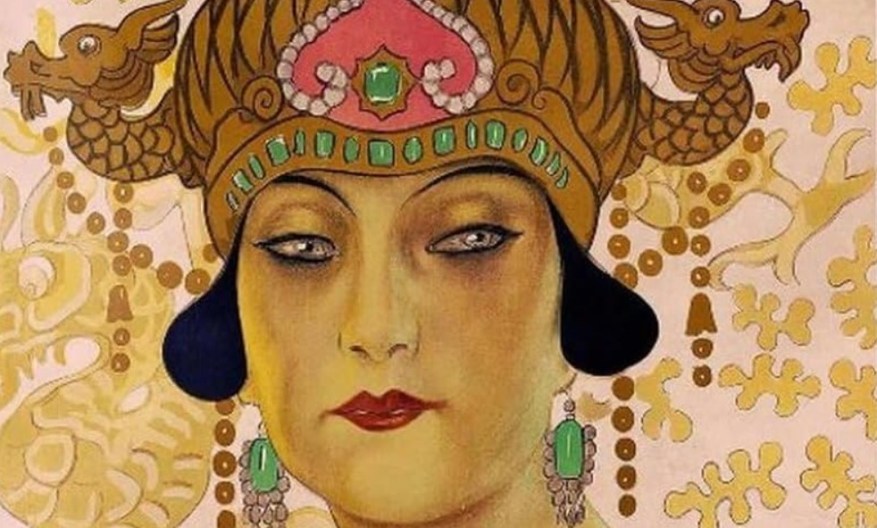
“Qui finisce l’opera”: il segreto di Turandot rivive a Lucca 100 anni dopo
🇮🇹A Lucca, nel Puccini Museum – Casa Natale, una mostra evento riporta in vita il capolavoro incompiuto di Giacomo Puccini tra costumi originali, gioielli e segreti della prima al Teatro alla Scala.. 🇬🇧In Lucca, at the Puccini Museum – Birthplace, an exhibition event brings Giacomo Puccini’s unfinished masterpiece back to life with original costumes, jewels,…
-
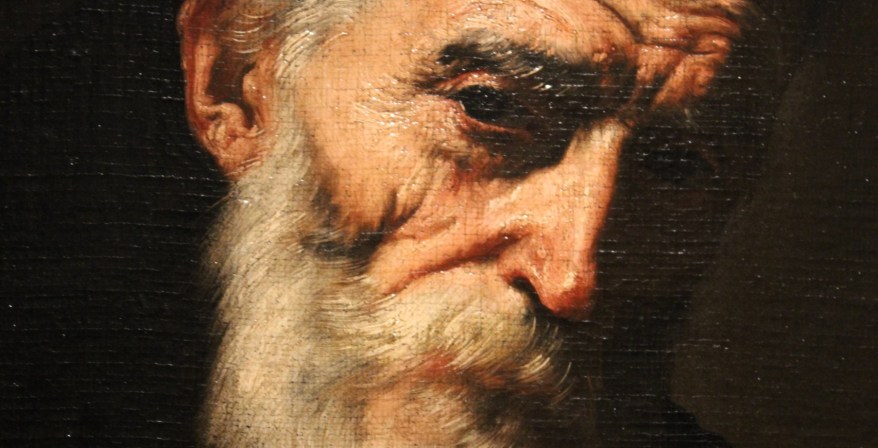
Il realismo che trafigge l’anima: il Sant’Antonio abate di Jusepe de Ribera
🇮🇹Il Sant’Antonio abate di Ribera non si guarda, si sente sottopelle. Rughe, luce, verità. E quegli occhi che raccontano… 🇬🇧You can’t look at Ribera’s Saint Anthony the Abbot, you can feel it under your skin. Wrinkles, light, truth. And those eyes that tell a story…
-
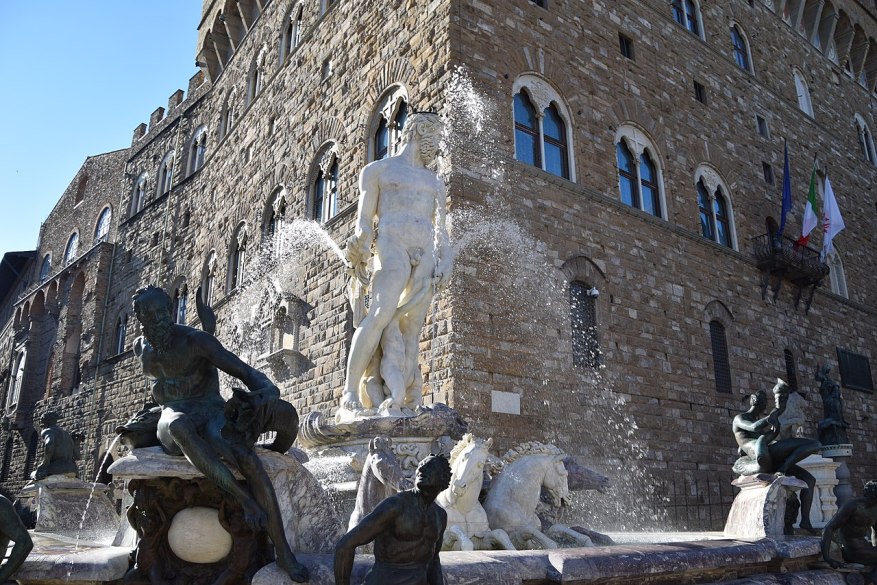
13 aprile 1592: muore Ammannati, il genio del “Biancone” tra capolavori e feroci critiche
🇮🇹Il 13 aprile 1592 si spegneva a Firenze Bartolomeo Ammannati, uno dei protagonisti più complessi e discussi del Rinascimento italiano. Morì nella sua casa di Via della Stufa… 🇬🇧On April 13, 1592, Bartolomeo Ammannati, one of the most complex and controversial figures of the Italian Renaissance, passed away in Florence. He died in his home…
Condividi:


Questo sono io





sostienici

Sostienici – Support Us
Se questo blog ti piace e ti appassiona, puoi aiutarci a farlo crescere sempre più sostenendoci in modo concreto condividendo i post, seguendo le pagine social e con un contributo che ci aiuta ad andare avanti con il nostro lavoro di divulgazione. . ENGLISH: If you like and are passionate about this blog, you can help us make it grow more and more by supporting us in a concrete way by sharing posts, following social pages and with a contribution that helps us to move forward with our dissemination work.
€10,00


