
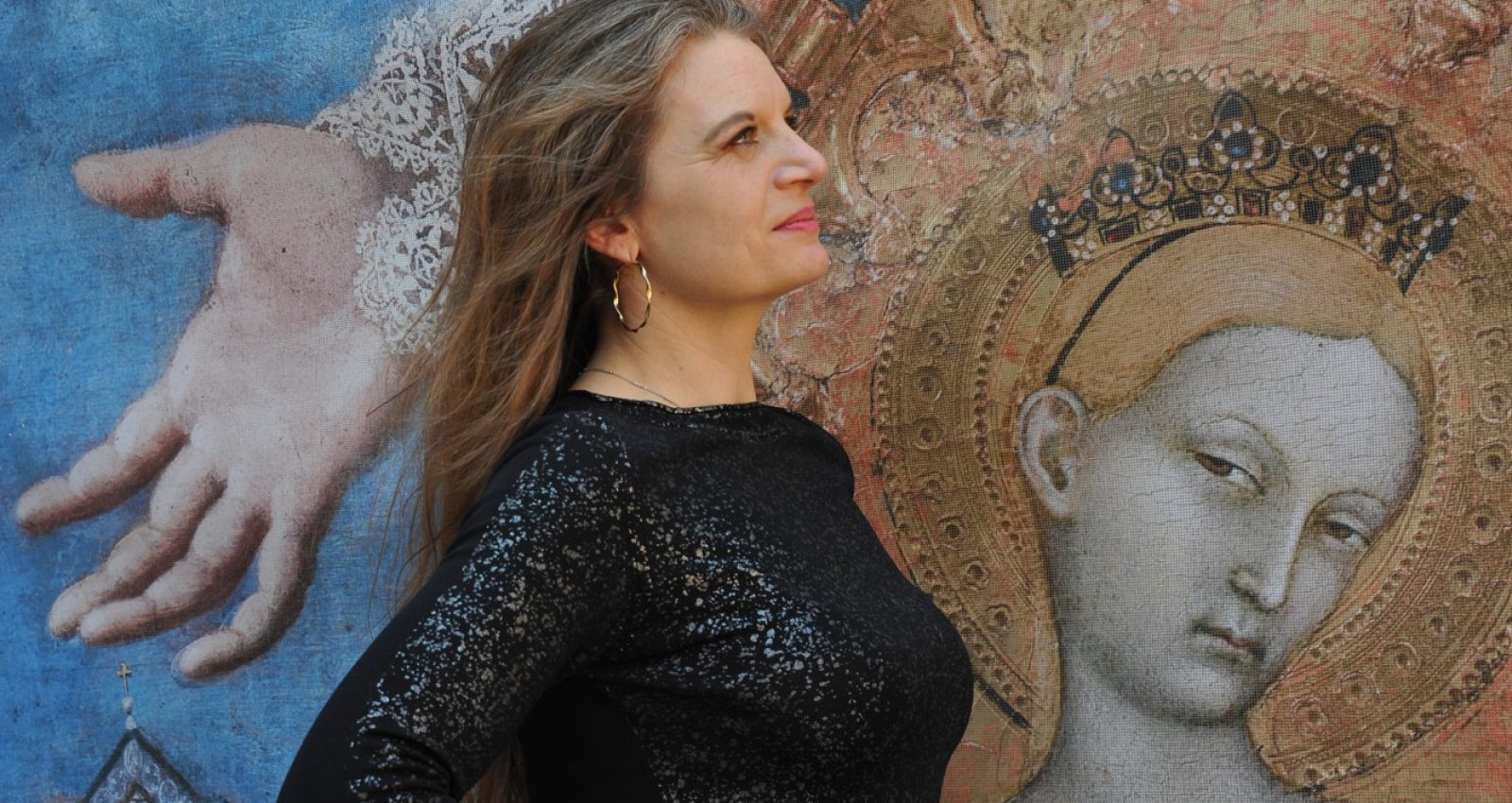
Il David è tutt’altro che statico
Il David se ne sta in piedi da secoli, nell’attesa della sfida contro il Gigante, armato solo della fiducia in Dio che lo renderà vincente nell’uso della sua povera fionda. Povera se paragonata all’imponente armatura del nemico, abituato a combattere corpo a corpo.
La sua posa non è statica. Volli raffigurarlo proprio un attimo prima dello scontro. Vede approssimarsi Golia e il suo volto si tende. La concentrazione è ben evidente nella contrazione del muscolo procerus e del corrugatore delle sopracciglia. Respira rapidamente con le narici dilatate per prepararsi all’attacco.
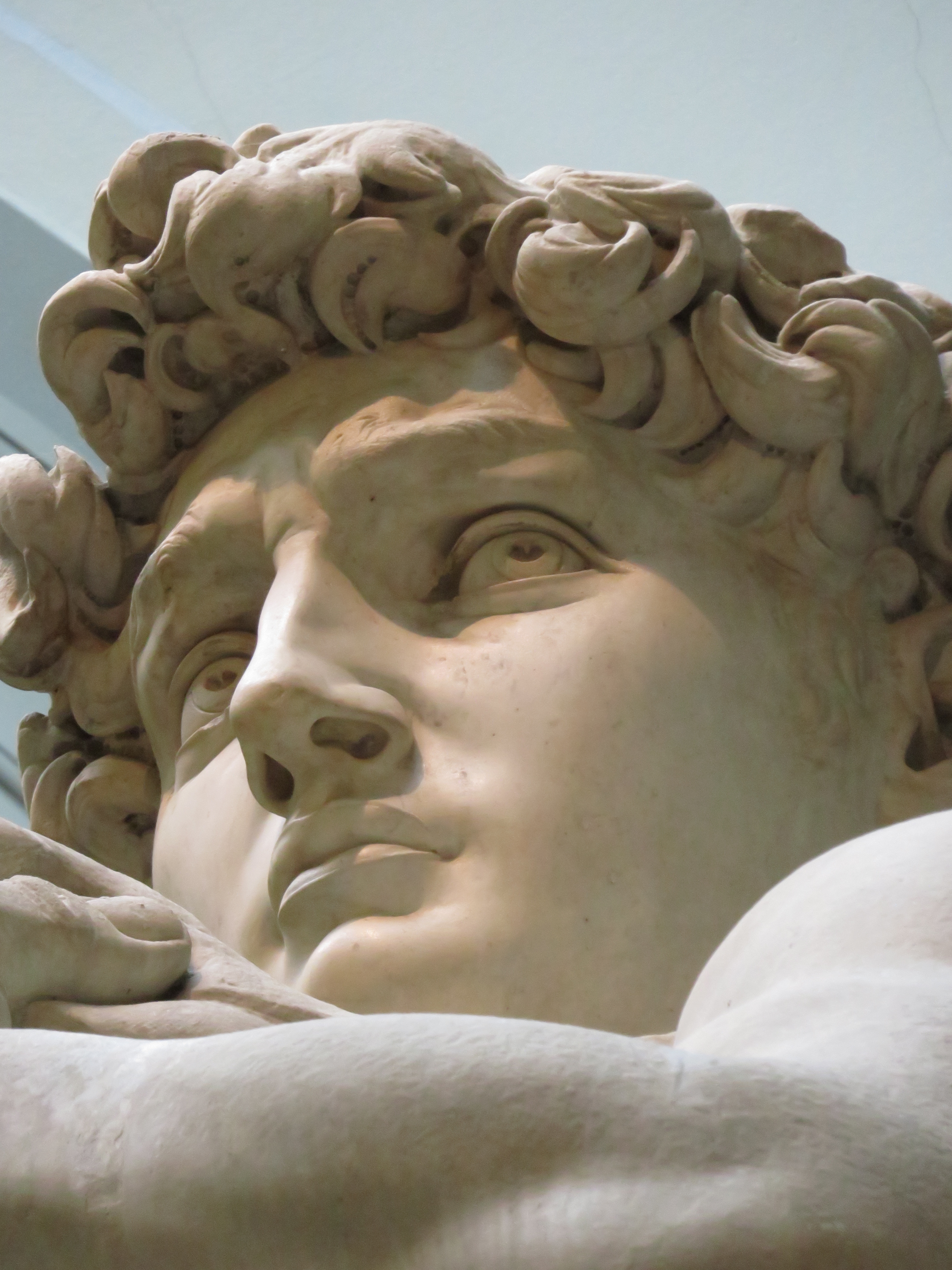
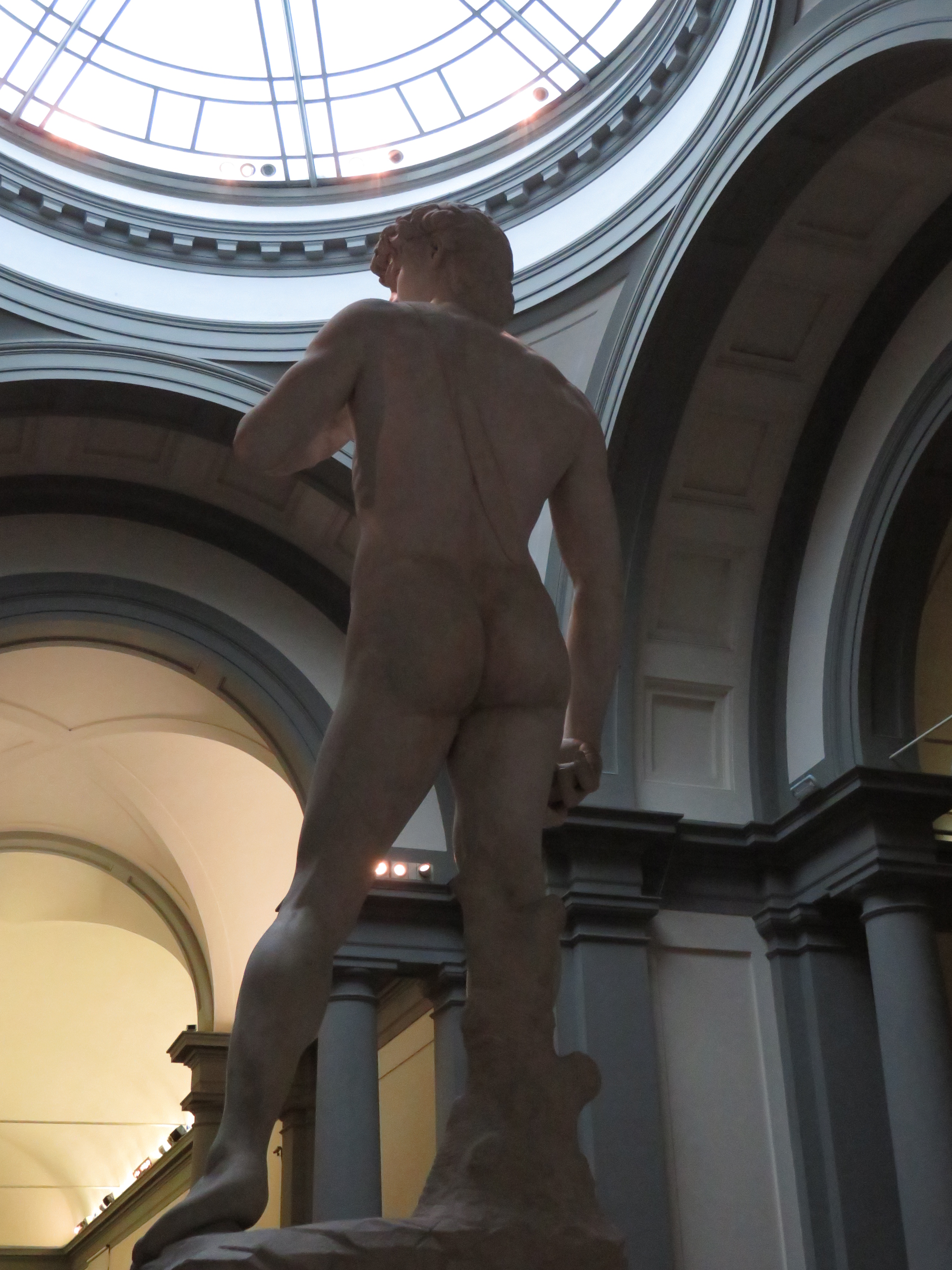
Anche il David, alla stregua di tutte le mie altre opere, assume una posa contrapposta o a spirale che dir si voglia. A seguire vi propongo un’interessante riflessione di Hartt in merito alla non staticità del David.
Il David è una figura per sua natura in movimento, forse in maniera più impressionante nel modello che nella costrizione del blocco di marmo, poco profondo, della scultura. E’ certamente già presagita nello stupendo disegno a penna che Michelangelo fece basandosi sull’Apollo del Belvedere. Attraverso la concezione e l’esecuzione del David nei disegni, nel modello e nella statua finita, Michelangelo aveva portato il suo pensiero a un livello nuovo, più elevato, popolato da una sua particolare razza di eroi. Solo occasionalmente, in momenti di tenera emozione, di fragoroso divertimento o di furia sarcastica, egli scendeva da questo suo piano ideale. Quest’esaltata maniera di pensare ed immaginare doveva essere di per se stessa una liberazione per un uomo profondamente sensibile alle irritanti limitazioni della vita quotidiana.
David by the hand of Michelangelo Federico Hartt
Per il momento il vostro Michelangelo Buonarroti vi saluta dandovi appuntamento ai prossimi post e sui social. A proposito, se volete conoscere tutto ma proprio tutto sul David, sulla sua storia e sulle sue simbologie, vi consiglio il mio libro Lui, il David che trovate QUA.
The David is anything but static
The David has been standing for centuries, waiting for the challenge against the Giant, armed only with the trust in God who will make him successful in using his poor slingshot. Poor when compared to the imposing armor of the enemy, used to fighting hand-to-hand.
His pose is not static. I wanted to picture him just a moment before the fight. He sees Goliath approaching and her face tightens. Concentration is evident in the contraction of the procerus muscle and the eyebrow corrugator. He breathes rapidly with dilated nostrils to prepare for the attack.
Even the David, like all my other works, assumes an opposite or spiral pose, if you prefer. Below I propose an interesting reflection by Hartt on the non-static nature of David.
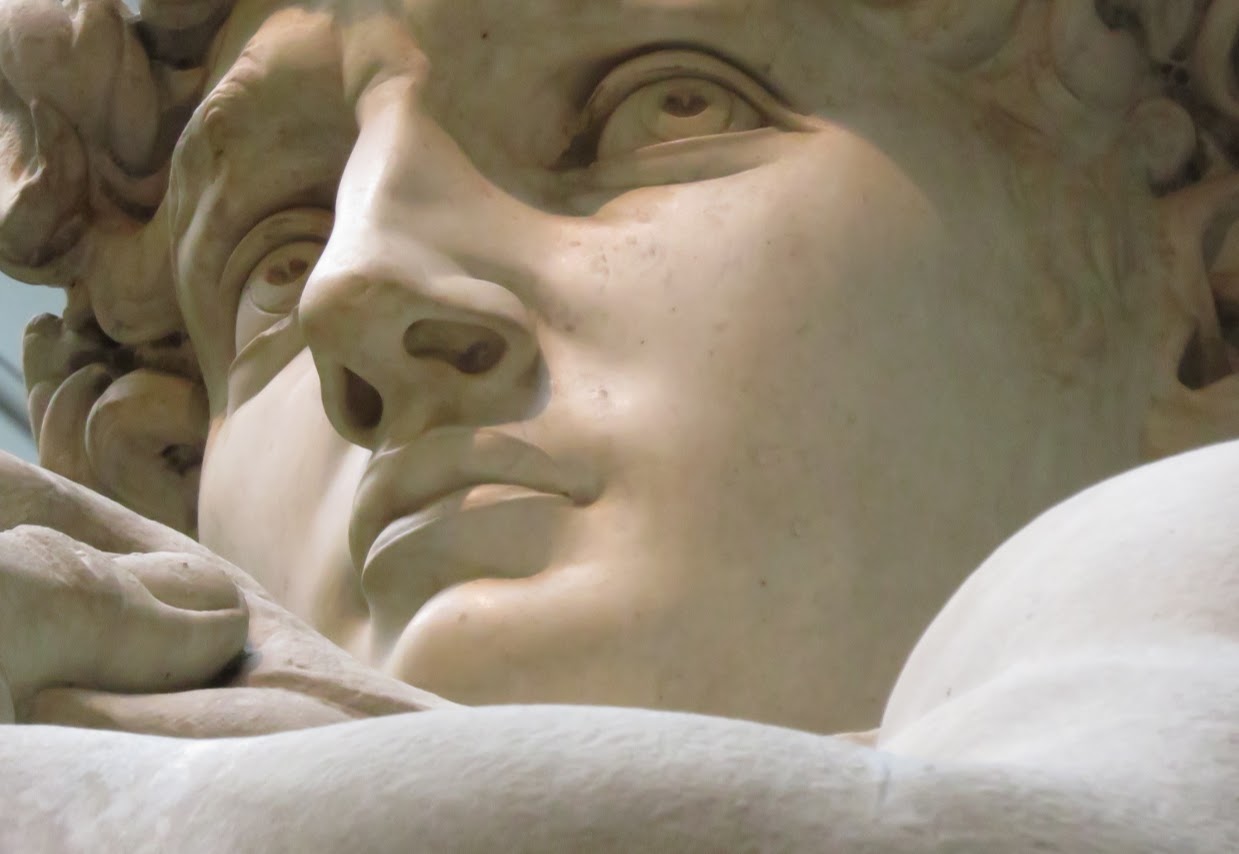
David is by nature a figure in motion, perhaps more strikingly in the model than in the constriction of the shallow block of marble of the sculpture.
It is certainly already foreshadowed in the wonderful pen drawing that Michelangelo made based on the Apollo of the Belvedere. Through the conception and execution of the David in the drawings, in the model and in the finished statue, Michelangelo had taken his thinking of him to a new, higher level, populated by his own particular race of heroes.
Only occasionally, in moments of tender emotion, thunderous amusement, or sarcastic fury, did he descend from this ideal plane of his. This exalted way of thinking and imagining was in itself a liberation for a man deeply sensitive to the irritating limitations of everyday life. David by the hand of Michelangelo Federico Hartt.
For the moment, your Michelangelo Buonarroti greets you by giving you an appointment at the next posts and on social networks. By the way, if you want to know everything, absolutely everything about David, his history and his symbologies, I recommend my book Him, the David that you can find HERE.

Sostienici – Support Us
Se questo blog ti piace e ti appassiona, puoi aiutarci a farlo crescere sempre più sostenendoci in modo concreto condividendo i post, seguendo le pagine social e con un contributo che ci aiuta ad andare avanti con il nostro lavoro di divulgazione. . ENGLISH: If you like and are passionate about this blog, you can help us make it grow more and more by supporting us in a concrete way by sharing posts, following social pages and with a contribution that helps us to move forward with our dissemination work.
5,00 €
-
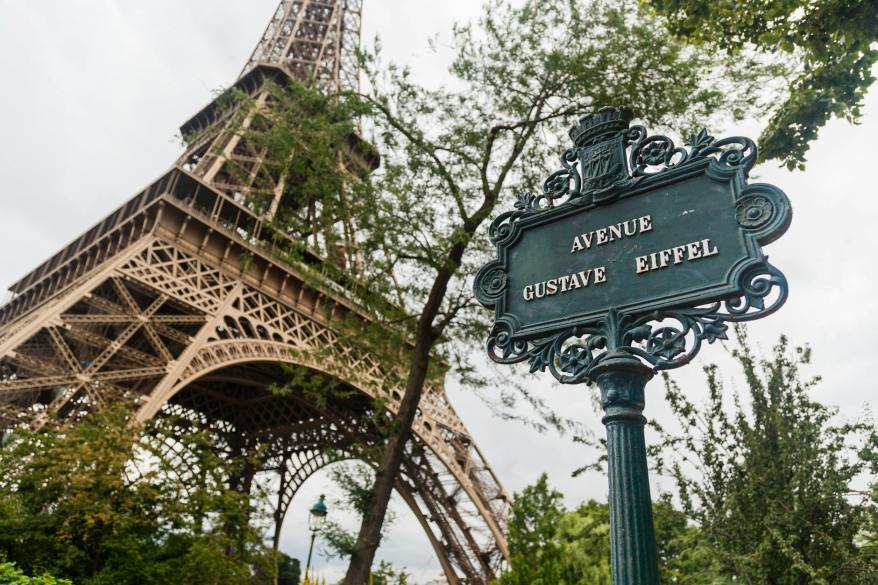
31 marzo 1889: inaugurata la Torre Eiffel tra critiche feroci e un destino inaspettato
🇮🇹Il 31 marzo 1889 segna una data destinata a cambiare per sempre il volto di Parigi e dell’immaginario collettivo globale: viene inaugurata la Torre Eiffel, l’opera più audace e discussa del suo tempo… 🇬🇧March 31, 1889 marks a date destined to change the face of Paris and the global collective imagination forever: the Eiffel Tower,…
-
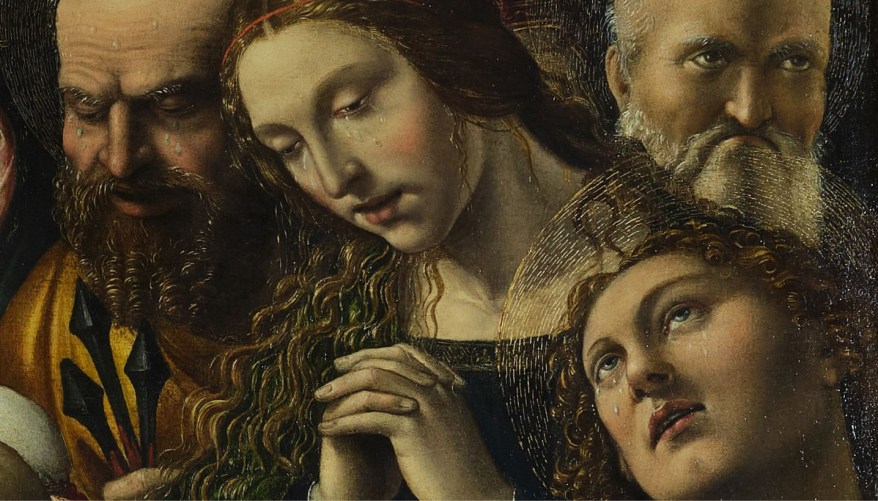
Sodoma in mostra a Torino: il Rinascimento al Museo Accorsi-Ometto
🇮🇹Al Museo di Arti Decorative Accorsi-Ometto arriva una mostra dedicata al Sodoma: oltre 50 opere, alcune mai viste prima, raccontano la formazione dell’artista e il suo dialogo con maestri come Pinturicchio… 🇬🇧An exhibition dedicated to Sodoma arrives at the Accorsi-Ometto Museum of Decorative Arts: over 50 works, some never before seen, recount the artist’s development…
-
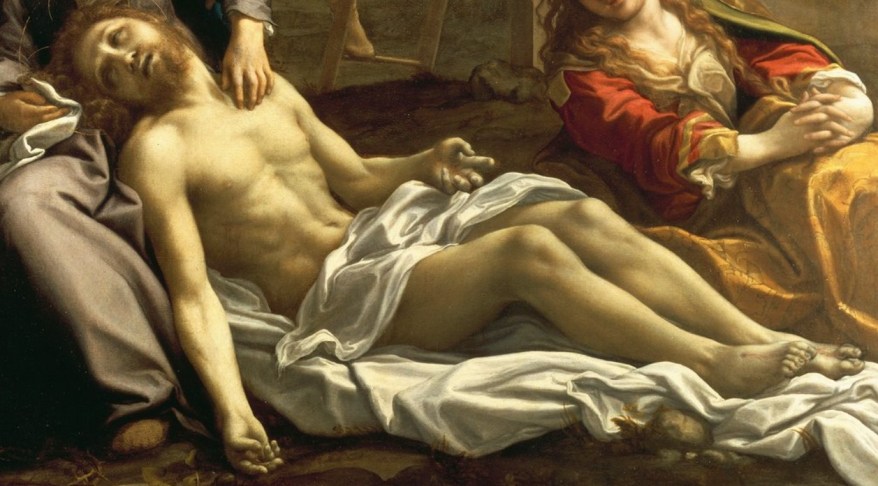
Il Compianto sul Cristo morto di Correggio: pathos e devozione
🇮🇹Con l’inizio della Settimana Santa, vi propongo il Compianto sul Cristo morto di Antonio Allegri, più noto come il Correggio: uno dei vertici assoluti della pittura emiliana del Cinquecento… 🇬🇧With the beginning of Holy Week, I propose the Lamentation over the Dead Christ by Antonio Allegri, better known as Correggio: one of the absolute peaks…
Condividi:


Questo sono io





sostienici

Sostienici – Support Us
Se questo blog ti piace e ti appassiona, puoi aiutarci a farlo crescere sempre più sostenendoci in modo concreto condividendo i post, seguendo le pagine social e con un contributo che ci aiuta ad andare avanti con il nostro lavoro di divulgazione. . ENGLISH: If you like and are passionate about this blog, you can help us make it grow more and more by supporting us in a concrete way by sharing posts, following social pages and with a contribution that helps us to move forward with our dissemination work.
€10,00


