
Rubens arriva a Capodimonte
Rubens sta per arrivare al Museo e Real Bosco di Capodimonte. Dall’11 marzo sarà possibile infatti vedere esposto il ‘San Sebastiano curato dagli angeli’, il dipinto a olio su tela realizzato Rubens tra il 1601-1602.
E’ uno dei capolavori più preziosi appartenenti alle Gallerie Nazionali di Arte Antica di Roma, custodito nella Galleria Corsini.
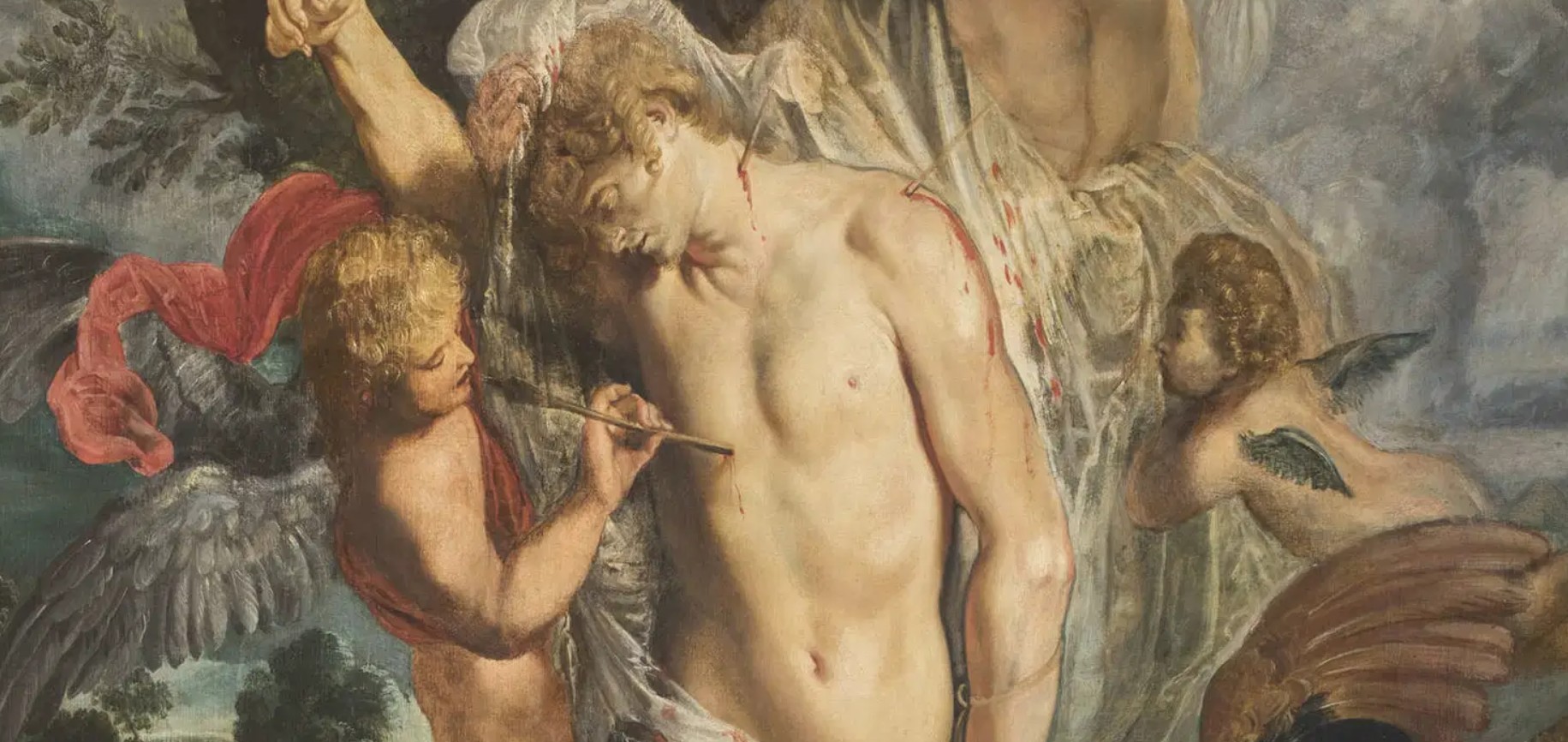
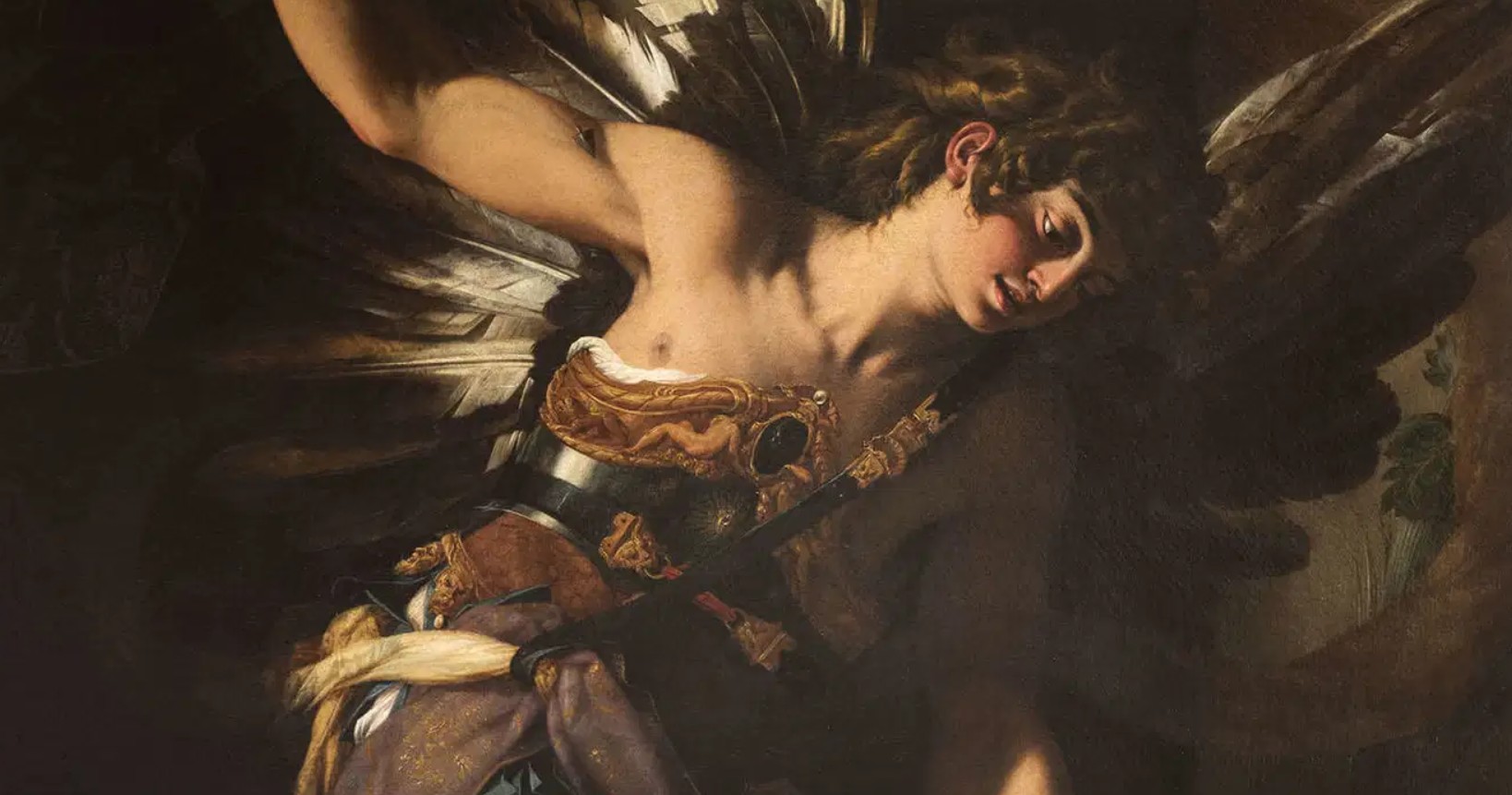
L’opera di Pieter Paul Rubens sarà messa in stretta relazione con alcune opere che hanno per soggetto il martirio del Santo nelle collezioni del Museo e Real Bosco di Capodimonte come i dipinti del Passignano, Bartolomeo Schedoni, Andrea Vaccaro, Mattia Preti.
Ma non è finita qua.
Da Palazzo Barberini, altra sede delle Gallerie Nazionali di Arte Antica di Roma, arriverà a Napoli anche il dipinto a olio su tela risalente al 1602 ‘Amor sacro e Amor profano’ di Giovanni Baglione.
Baglione, nato nel 1573 circa, fu pittore e biografo, noto anche come anti-Caravaggio, protagonista della celebre rivalità con il Merisi, che portò a processo per ingiurie nella Roma del primo ‘600.
“L’arrivo di questi due capolavori rientra in un significativo scambio con le Gallerie Nazionali di Arte Antica. In concomitanza con le celebrazioni del Giubileo 2025, ‘La Flagellazione’ di Caravaggio, di proprietà del Fondo Edifici di Culto, come è noto in consegna a Capodimonte dal 1972, sarà esposta a Palazzo Barberini nella mostra Caravaggio 2025 dal 7 marzo al 6 luglio.
Si tratta di un prestito doveroso per l’importanza dell’evento e l’alto valore scientifico dell’iniziativa e che porta qui in esposizione le due opere romane: sarà l’occasione per i frequentatori di Capodimonte, soprattutto per i cittadini che vengono al museo regolarmente, di ammirare questi dipinti, raramente prestati, in un diverso contesto e per giunta a Napoli.
Un dialogo che stimolerà nuove riflessioni e paragoni, nel caso del San Sebastiano di Rubens con un allestimento dal punto di vista iconografico che è un vero e proprio compendio seicentesco sul tema. Mi piace ricordare che il capolavoro di Baglione torna a Napoli esattamente dopo 40 anni dalla mostra epocale ‘Caravaggio e il suo tempo’ firmata da Causa e Spinosa”.
dichiara Eike Schmidt, direttore del Museo e Real Bosco di Capodimonte
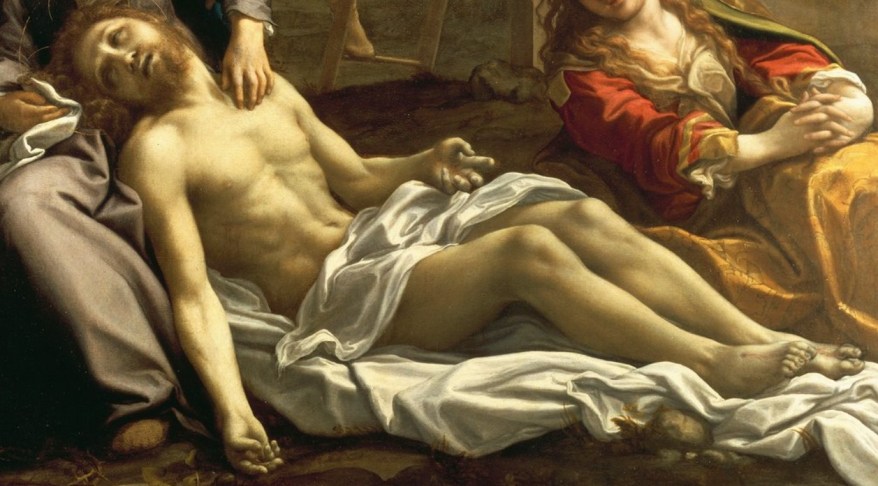
La collaborazione in corso tra le due importanti sedi museali include anche scontistiche reciproche per i visitatori di Capodimonte e della Mostra di Palazzo Barberini.
Con il biglietto di Capodimonte, l’ingresso alla mostra si potrà acquistare scontato da 18 a 12 euro. Ai visitatori di Caravaggio 2025 il museo napoletano praticherà il biglietto ridotto di 12 euro (fino al 30 luglio).
Dopo Rubens e Baglione, inoltre, nel mese di marzo atteso anche un terzo ‘Ospite’ a Capodimonte, per il ciclo aperto lo scorso anno da Courbet. Si tratta di Ludovico Carracci con il suo dipinto a olio su tela realizzato nel 1585: ‘L’Annunciazione’, prestito della Pinacoteca Nazionale di Bologna.
Per il momento il sempre vostro Michelangelo Buonarroti vi saluta dandovi appuntamento ai prossimi post e sui social.

Rubens arrives at Capodimonte
Rubens is about to arrive at the Museum and Royal Wood of Capodimonte. From March 11th it will be possible to see the ‘Saint Sebastian Held by Angels’ on display, the oil painting on canvas created by Rubens between 1601-1602.
It is one of the most precious masterpieces belonging to the National Galleries of Ancient Art in Rome, kept in the Galleria Corsini.
The work of Pieter Paul Rubens will be placed in close relation with some works that have as their subject the martyrdom of the Saint in the collections of the Museum and Royal Wood of Capodimonte such as the paintings of Passignano, Bartolomeo Schedoni, Andrea Vaccaro, Mattia Preti.
But that’s not all.
From Palazzo Barberini, another location of the National Galleries of Ancient Art in Rome, the oil painting on canvas dating back to 1602 ‘Sacred Love and Profane Love’ by Giovanni Baglione will also arrive in Naples.
Baglione, born around 1573, was a painter and biographer, also known as the anti-Caravaggio, protagonist of the famous rivalry with Merisi, which led to a trial for insults in Rome in the early 17th century.
“The arrival of these two masterpieces is part of a significant exchange with the National Galleries of Ancient Art. In conjunction with the celebrations for the Jubilee 2025, ‘The Flagellation’ by Caravaggio, owned by the Fondo Edifici di Culto, as it is known, consigned to Capodimonte since 1972, will be exhibited at Palazzo Barberini in the exhibition Caravaggio 2025 from 7 March to 6 July.
This is a necessary loan due to the importance of the event and the high scientific value of the initiative and which brings the two Roman works to the exhibition here: it will be an opportunity for Capodimonte visitors, especially for citizens who come to the museum regularly, to admire these paintings, rarely lent, in a different context and moreover in Naples.
A dialogue that will stimulate new reflections and comparisons, in the case of Rubens’ Saint Sebastian with an iconographic installation that is a true seventeenth-century compendium on the theme. I like to remember that Baglione’s masterpiece returns to Naples exactly 40 years after the epochal exhibition ‘Caravaggio and his time’ by Causa and Spinosa”.
-Declares Eike Schmidt, director of the Museum and Royal Wood of Capodimonte
The ongoing collaboration between the two important museums also includes reciprocal discounts for visitors to Capodimonte and the Palazzo Barberini Exhibition.
With the Capodimonte ticket, admission to the exhibition can be purchased at a discount from 18 to 12 euros. For visitors to Caravaggio 2025, the Neapolitan museum will offer a reduced ticket of 12 euros (until July 30).
After Rubens and Baglione, in March a third ‘Guest’ is also expected at Capodimonte, for the cycle opened last year by Courbet. It is Ludovico Carracci with his oil painting on canvas made in 1585: ‘The Annunciation’, on loan from the Pinacoteca Nazionale di Bologna.
For the moment, yours truly Michelangelo Buonarroti bids you farewell, making an appointment to see you in the next posts and on social media.

Sostienici – Support Us
Se questo blog ti piace e ti appassiona, puoi aiutarci a farlo crescere sempre più sostenendoci in modo concreto condividendo i post, seguendo le pagine social e con un contributo che ci aiuta ad andare avanti con il nostro lavoro di divulgazione. . ENGLISH: If you like and are passionate about this blog, you can help us make it grow more and more by supporting us in a concrete way by sharing posts, following social pages and with a contribution that helps us to move forward with our dissemination work.
10,00 €
Condividi:


Questo sono io





sostienici

Sostienici – Support Us
Se questo blog ti piace e ti appassiona, puoi aiutarci a farlo crescere sempre più sostenendoci in modo concreto condividendo i post, seguendo le pagine social e con un contributo che ci aiuta ad andare avanti con il nostro lavoro di divulgazione. . ENGLISH: If you like and are passionate about this blog, you can help us make it grow more and more by supporting us in a concrete way by sharing posts, following social pages and with a contribution that helps us to move forward with our dissemination work.
€10,00


