
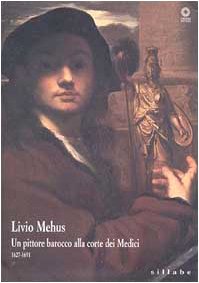
Le Opere del Natale: l’Adorazione dei pastori di Livio Mehus
L’opera del Natale che vi propongo oggi è il dipinto a olio su tela di Livio Mehus raffigurante l’Adorazione dei Pastori, custodito presso la Galleria Palatina di Palazzo Pitti.
Mehus, pittore fiammingo nato in Belgio a Oudenaarde nel 1627, volle mettere al centro della scena la Madonna col Bambino, attorniata da un gruppo di contadine e pastori giunti alla grotta per rendere omaggio al Salvatore appena venuto al mondo.
Con i suoi pennelli e il suo indiscutibile talento, raffigurò una scena intima, raccolta e notturna, rischiarata solo dalla luce irradiata dal piccolo Gesù, deposto su un panno bianco.

Mentre con la mano e il braccio sinistro la Vergine sostiene il Figlio, con l’altra mano solleva un lembo di tessuto per coprire o forse per scoprire il Bambino. Non sono pochi i riferimenti di Livio Mehus ripresi dalla Notte del Correggio.
Interessante osservare l’intensità degli sguardi di tutti coloro che partecipano nel dipinto alla contemplazione del Salvatore. La Madonna guarda il Figlio mentre alcuni intervenuti osservano Lei e altri dirigono il loro interesse verso il nuovo Nato.

Guardate il dipinto in alto a sinistra, sullo sfondo. Noterete un bagliore che non avrebbe motivo di esserci se non ci fosse un temporale in arrivo. Quel fulmine permette di vedere anche le nubi striate, portatrici di piogge scroscianti.
La resa degli effetti atmosferici di Meuhs è sorprendente e quel temporale in arrivo potrebbe voler simboleggiare i travagli che attenderanno negli anni a seguire il Figlio dell’Uomo.

Le dimensioni assai ridotte dell’opera fanno supporre si trattasse di un quadro da stanza, commissionato per devozione privata.
Per il momento il vostro Michelangelo Buonarroti vi saluta dandovi appuntamento ai prossimi post e sui social.
The Works of Christmas: the Adoration of the Shepherds by Livio Mehus
The Christmas work that I propose to you today is the oil painting on canvas by Livio Mehus depicting the Adoration of the Shepherds, kept in the Palatine Gallery of Palazzo Pitti.
Mehus, a Flemish painter born in Belgium in Oudenaarde in 1627, wanted to put the Madonna and Child at the center of the scene, surrounded by a group of peasant women and shepherds who had come to the cave to pay homage to the Savior who had just come into the world.
With his brushes and his indisputable talent, he depicted an intimate, intimate and nocturnal scene, illuminated only by the light radiated by the little Jesus, placed on a white cloth.
While the Virgin supports her Son with her left hand and arm, with her other hand she lifts a piece of fabric to cover or perhaps to uncover the Child. There are quite a few references by Livio Mehus taken from Correggio’s Night.
It is interesting to observe the intensity of the gazes of all those who participate in the contemplation of the Savior in the painting. Our Lady looks at her Son while some of those present observe Her and others direct their interest towards the new born.
Look at the painting at the top left, in the background. You will notice a glow that would have no reason to be there if there wasn’t a storm coming. That lightning also allows you to see the streaked clouds, bringing pouring rain.
The rendering of Meuhs’s atmospheric effects is surprising and that incoming storm could symbolize the travails that will await the Son of Man in the years to follow.
The very small size of the work suggests that it was a room painting, commissioned for private devotion.
For the moment, your Michelangelo Buonarroti greets you and will meet you in future posts and on social media.

Sostienici – Support Us
Se questo blog ti piace e ti appassiona, puoi aiutarci a farlo crescere sempre più sostenendoci in modo concreto condividendo i post, seguendo le pagine social e con un contributo che ci aiuta ad andare avanti con il nostro lavoro di divulgazione. . ENGLISH: If you like and are passionate about this blog, you can help us make it grow more and more by supporting us in a concrete way by sharing posts, following social pages and with a contribution that helps us to move forward with our dissemination work.
8,00 €
-
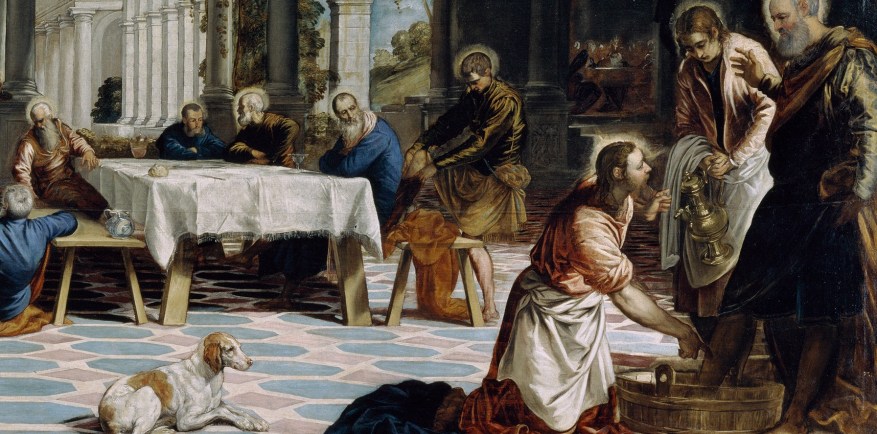
La Lavanda dei Piedi di Tintoretto: Il Capolavoro Veneziano al Prado
🇮🇹Tra i capolavori più affascinanti del Rinascimento veneziano, “La Lavanda dei Piedi” di Jacopo Tintoretto rappresenta un perfetto equilibrio tra spiritualità, innovazione compositiva e straordinaria forza narrativa… 🇬🇧Among the most fascinating masterpieces of the Venetian Renaissance, Jacopo Tintoretto’s “The Washing of the Feet” represents a perfect balance between spirituality, compositional innovation, and extraordinary narrative force…
-
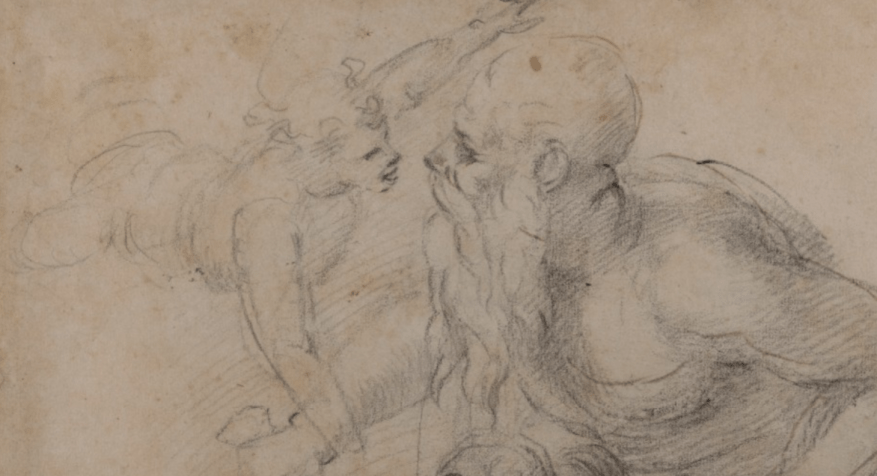
Il Sacrificio di Isacco e quel momento tra la vita e la morte
🇮🇹Oggi voglio raccontarvi alcuni dettagli sul mio disegno del Sacrificio di Isacco, conservato oggi a Casa Buonarroti. Su quel foglio volli tracciare il momento preciso in cui la paura fa spazio al miracolo… 🇬🇧Today I want to tell you some details about my drawing of the Sacrifice of Isaac, now preserved at Casa Buonarroti. On…
-
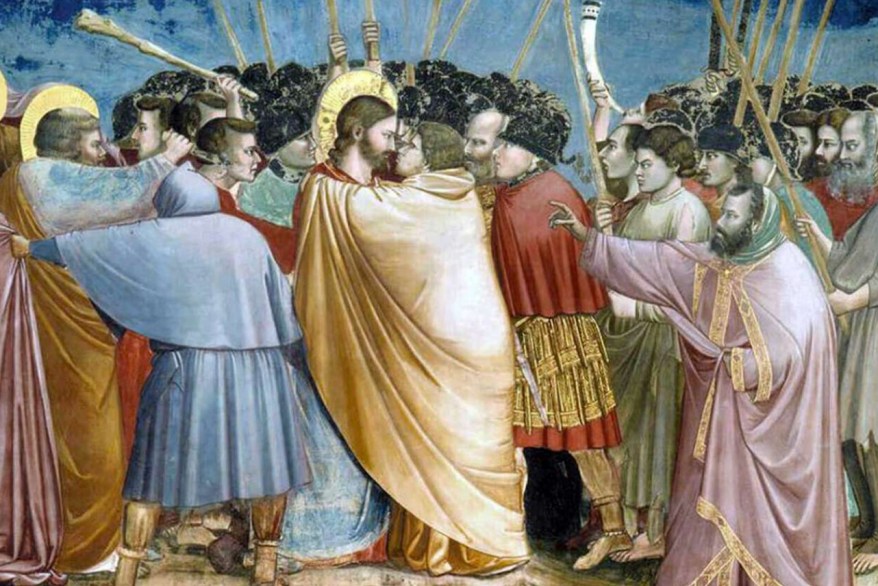
Mercoledì Santo: il giorno del tradimento di Giuda affrescato da Giotto
🇮🇹Il Mercoledì Santo è il giorno del silenzio, della riflessione e del tradimento. È il momento in cui Giuda sceglie di vendere Gesù per trenta denari, segnando uno dei passaggi più dolorosi della Settimana Santa…. 🇬🇧Holy Wednesday is a day of silence, reflection, and betrayal. ✝It is the moment when Judas chooses to sell Jesus…
Condividi:


Questo sono io





sostienici

Sostienici – Support Us
Se questo blog ti piace e ti appassiona, puoi aiutarci a farlo crescere sempre più sostenendoci in modo concreto condividendo i post, seguendo le pagine social e con un contributo che ci aiuta ad andare avanti con il nostro lavoro di divulgazione. . ENGLISH: If you like and are passionate about this blog, you can help us make it grow more and more by supporting us in a concrete way by sharing posts, following social pages and with a contribution that helps us to move forward with our dissemination work.
€10,00


