

Van Dyck a Genova: la mostra che emoziona tra luce, mirabili dettagli e sguardi indimenticabili
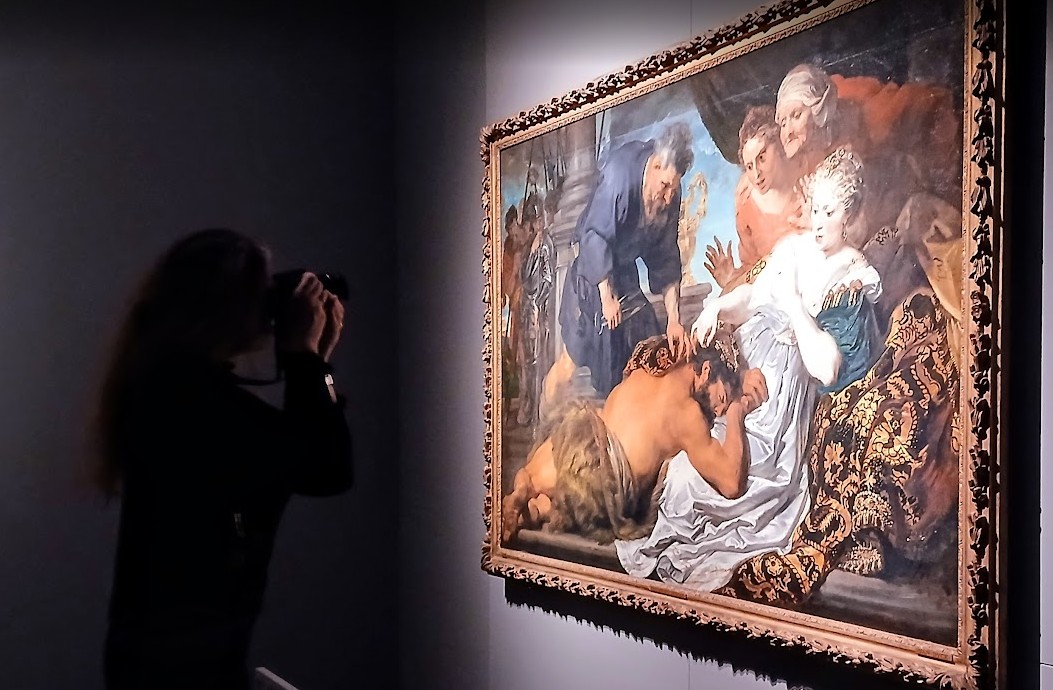
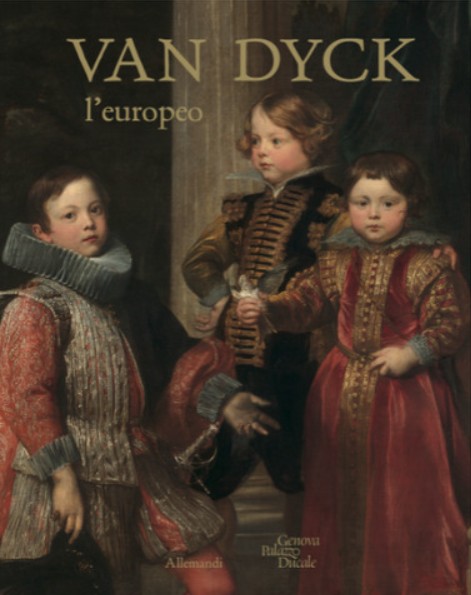
Entrare nelle sale di Palazzo Ducale di Genova per visitare “Van Dyck l’Europeo. Il viaggio di un genio da Anversa a Genova e Londra” significa ritrovarsi tra quelle pennellate di colore, tra quei personaggi ritratti e tra le sete fruscianti immortalate per sempre sulla tela dall’artista fiammingo.
Ho visitato la mostra ieri, e la sensazione più forte che mi porto dietro è una: meraviglia. Non una meraviglia così, generica, ma quella che nasce quando ti accorgi che ogni dettaglio è stato pensato, osservato, dipinto con una cura quasi ossessiva.
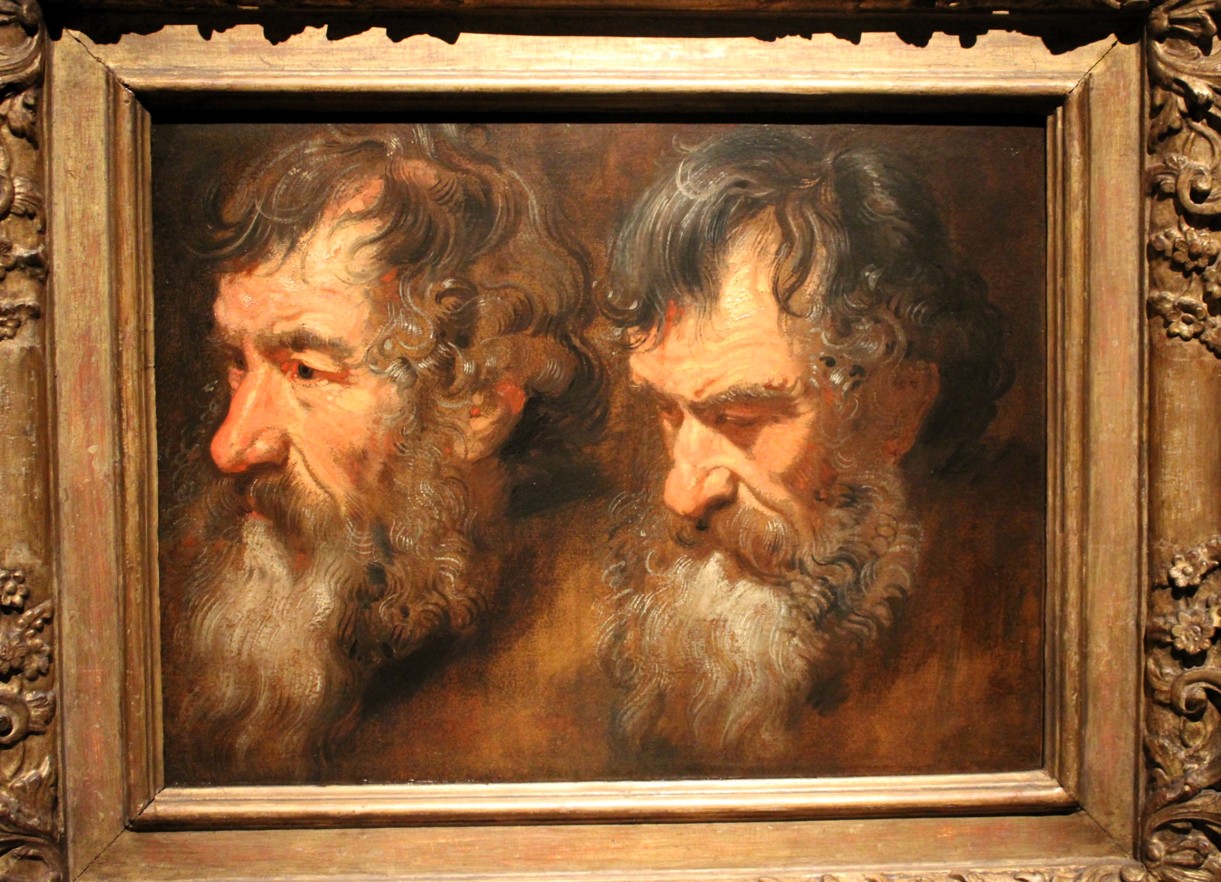
Van Dyck e l’arte del dettaglio: stoffe, gioielli e pittura viva
Davanti ai dipinti di Anton van Dyck si rimane catturati da qualcosa che va oltre la composizione. Sono i dettagli a raccontare e a suggerire su cosa ci si debba soffermare a guardare.
Le stoffe sembrano muoversi, i pizzi hanno una leggerezza reale, i gioielli riflettono la luce come se fossero veri. Ogni superficie è resa con una precisione che non è mai fredda, ma sempre vibrante.
Mi sono trovato più volte ad avvicinarmi istintivamente, quasi a voler toccare quelle trame, per capire come fosse possibile trasformare la pittura in materia così viva.
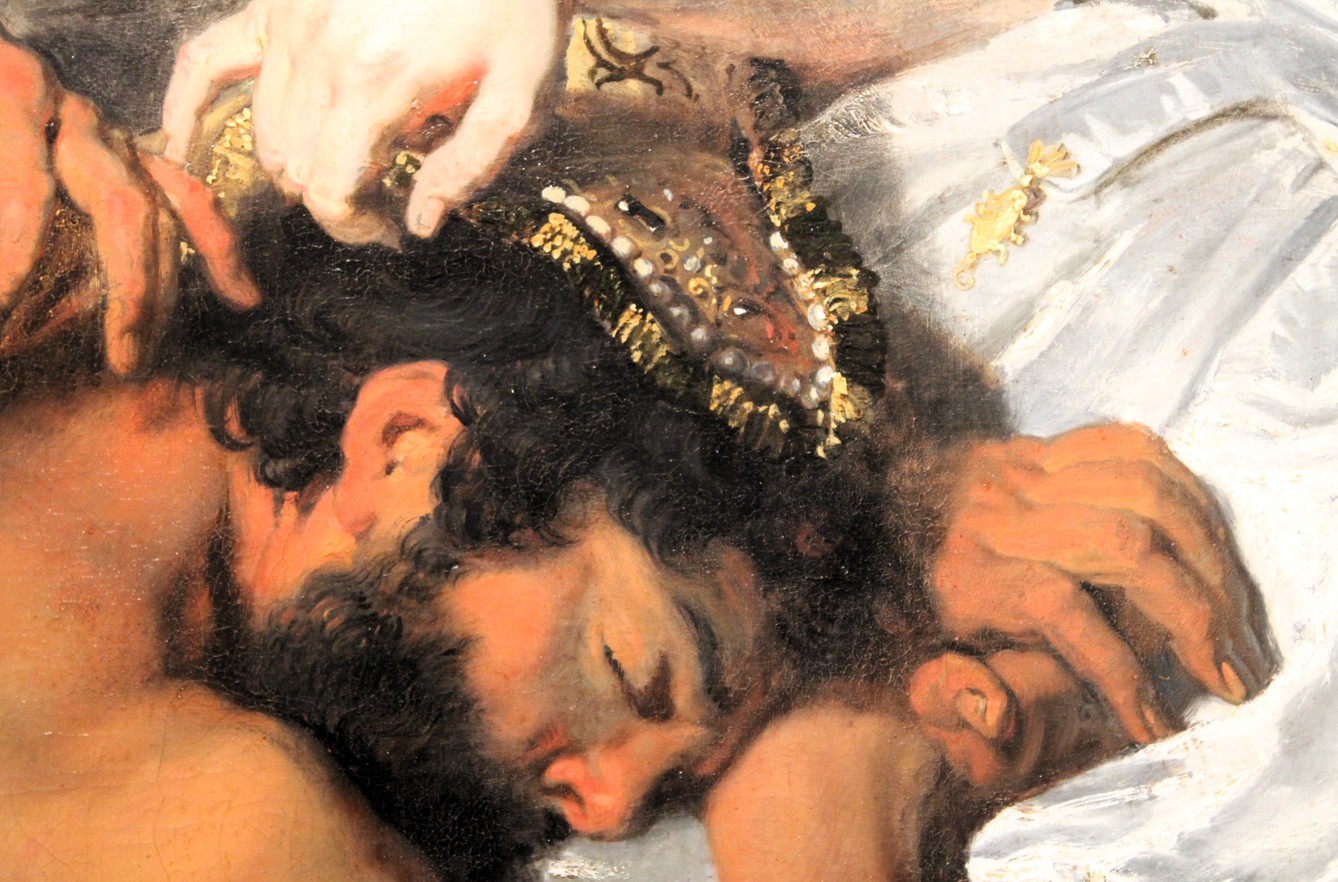
Il viaggio europeo di Van Dyck tra Anversa, Genova e Londra
La mostra racconta il percorso artistico di Van Dyck come un viaggio attraverso tre città fondamentali: Anversa, Genova e Londra.
Ad Anversa si percepisce fortissima l’eredità di Peter Paul Rubens, una presenza quasi ingombrante che però il giovane artista riesce presto a trasformare in qualcosa di personale.
A Genova accade la magia. Qui Van Dyck reinventa il ritratto aristocratico, trasformandolo in un linguaggio elegante, sofisticato, profondamente europeo.
E poi Londra, dove alla corte di Carlo I d’Inghilterra raggiunge il culmine della fama, diventando il pittore dell’élite, il narratore visivo del potere.
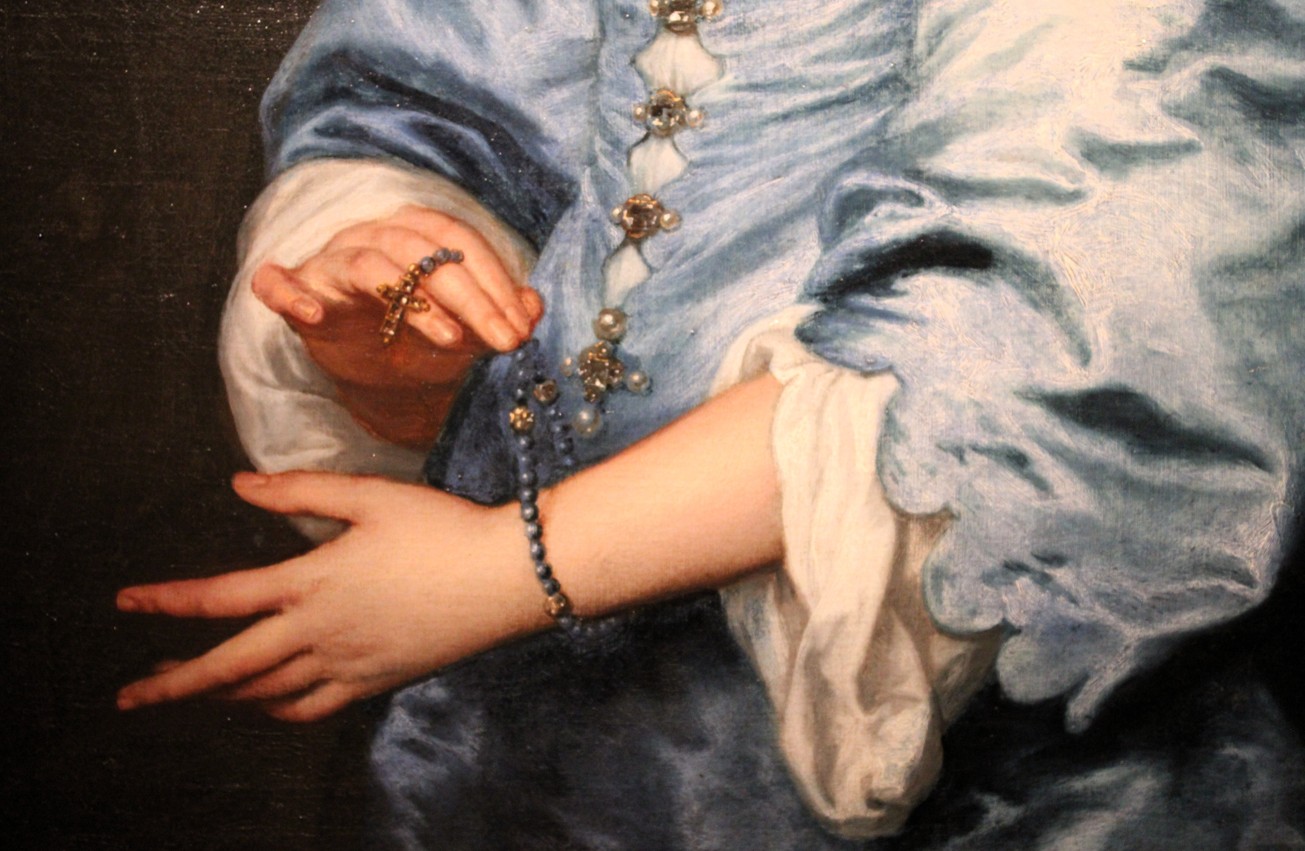
L’autoritratto giovanile: il talento che sorprende
Il percorso si apre con un’opera che da sola vale la visita: l’autoritratto giovanile del 1615 circa.
Sapere che Anton van Dyck aveva appena quindici anni rende tutto ancora più incredibile. È ancora un ragazzo, ma nella sicurezza delle pennellate si intravede già il maestro. C’è una naturalezza disarmante in quel volto, una libertà nel tratto che lascia intuire un talento fuori dal comune. È uno di quei momenti in cui capisci che stai guardando l’inizio di qualcosa di straordinario.
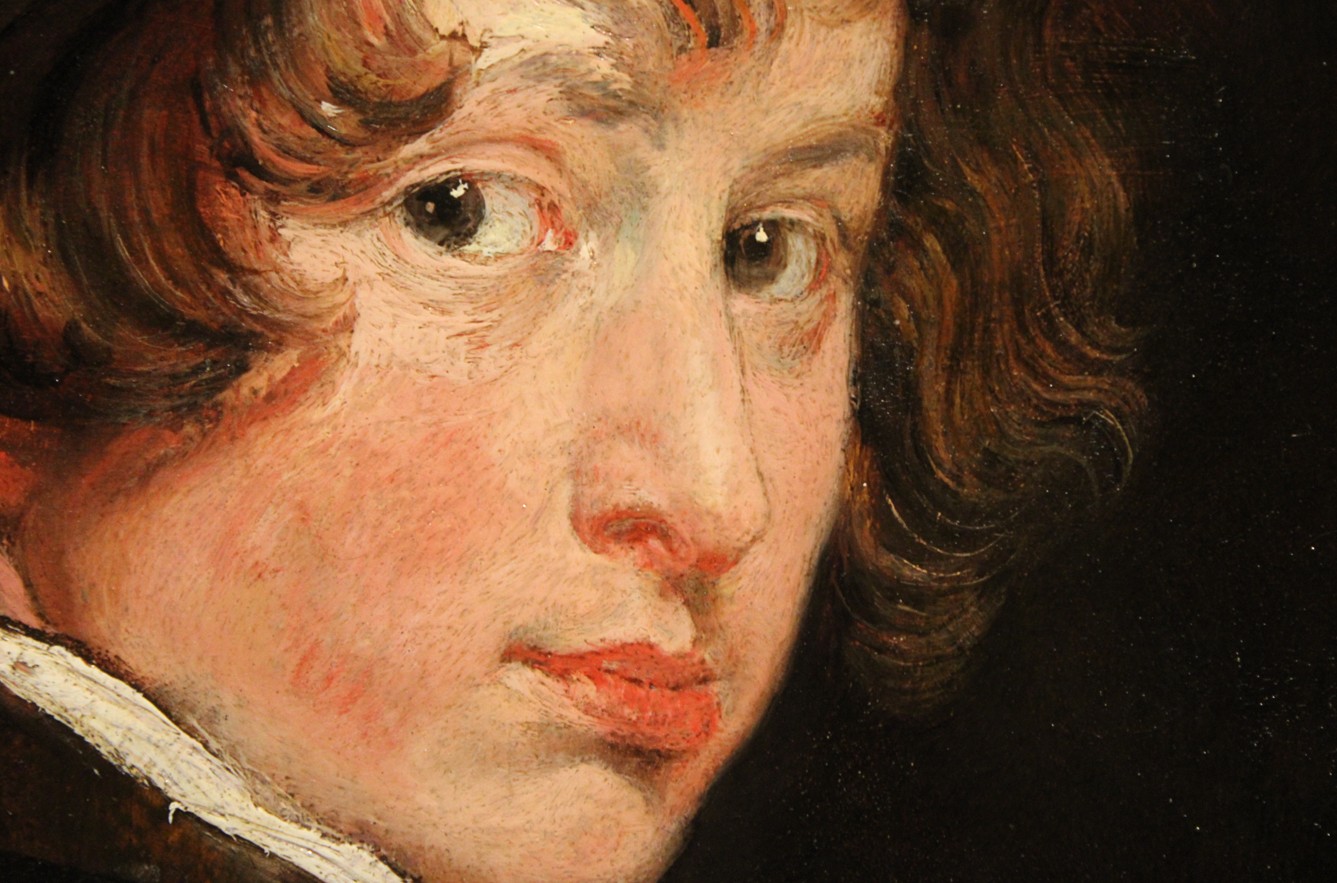
Gli occhi nei dipinti di Van Dyck: emozione pura
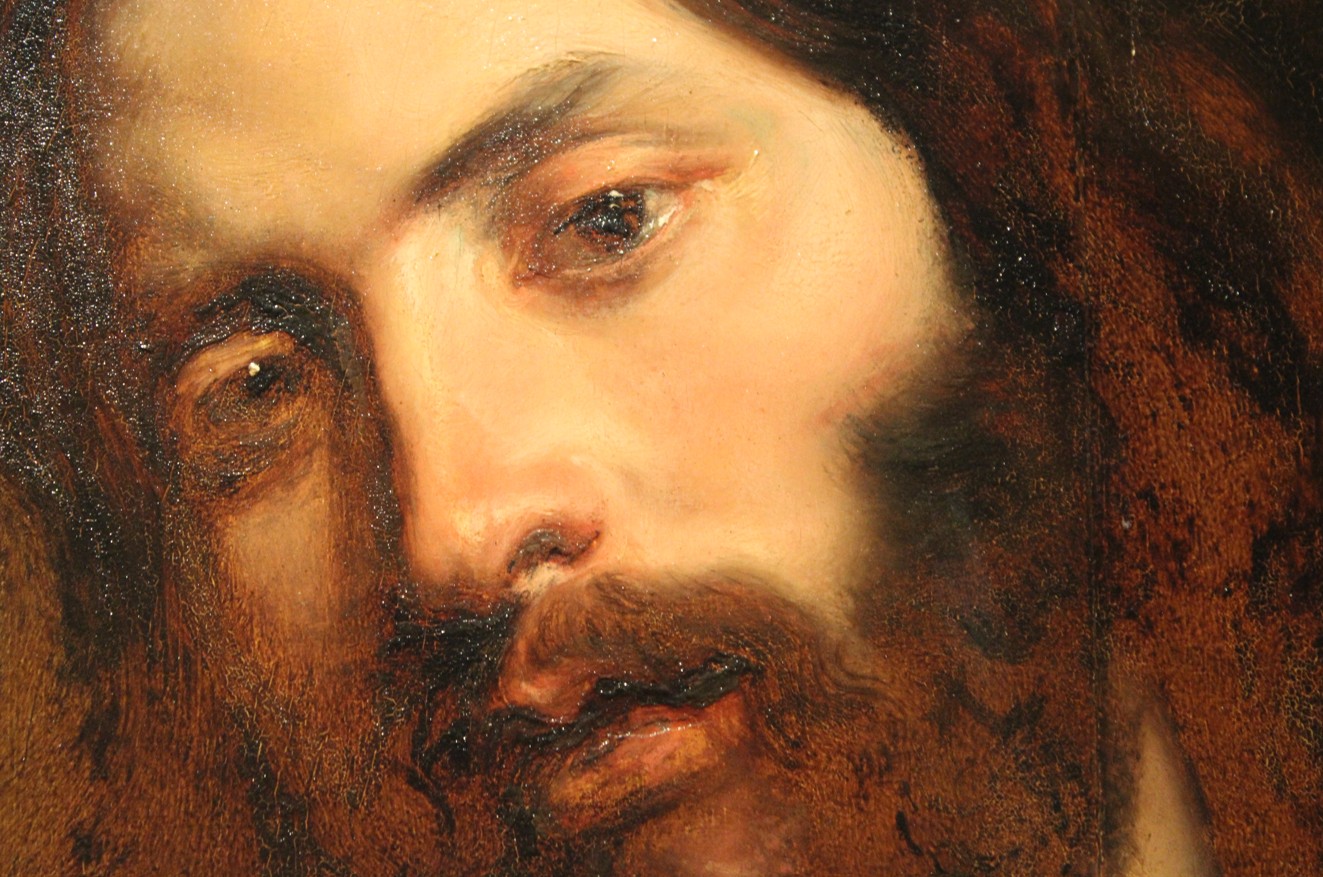
Se c’è un elemento che più di tutti mi ha colpito, sono gli occhi. Non sono mai semplici dettagli anatomici ma il centro emotivo del dipinto.
Nel Cristo Portacroce ho percepito una tensione quasi fisica: gli occhi sono pieni di lacrime trattenute, come se il dolore fosse sospeso in un istante eterno. È uno sguardo che non si dimentica, che continua a seguirti anche dopo aver lasciato la sala.
Oltre i ritratti: un artista tra sacro, mito e allegoria
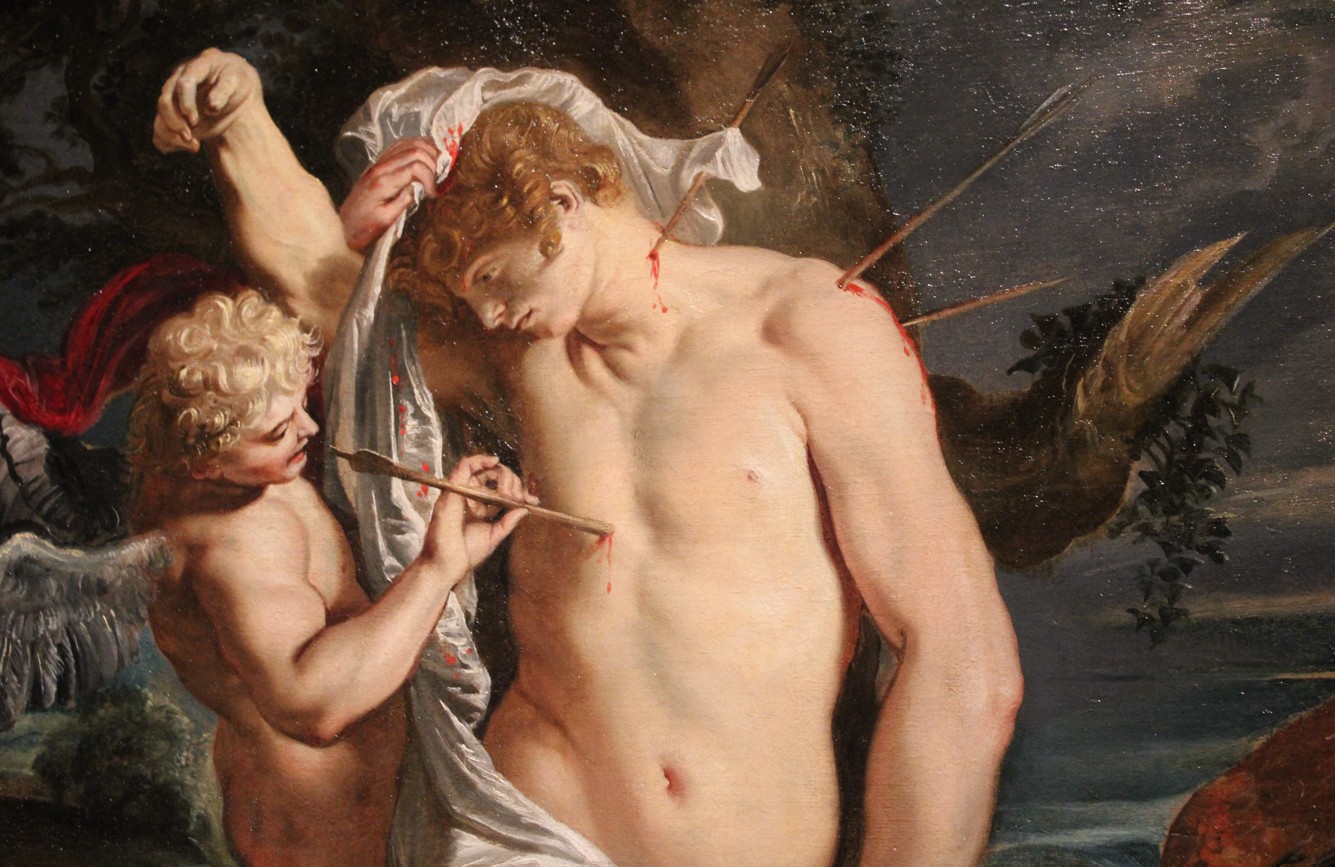
La mostra sorprende anche per la sua capacità di restituire un Van Dyck meno prevedibile. Non solo ritrattista, ma artista completo.
Le opere a soggetto allegorico, mitologico e devozionale aprono una dimensione diversa, più intima e riflessiva. Qui emerge una sottile tensione filosofica, un dialogo continuo tra luce e significato.
Il rapporto con Rubens e la forza del bozzetto
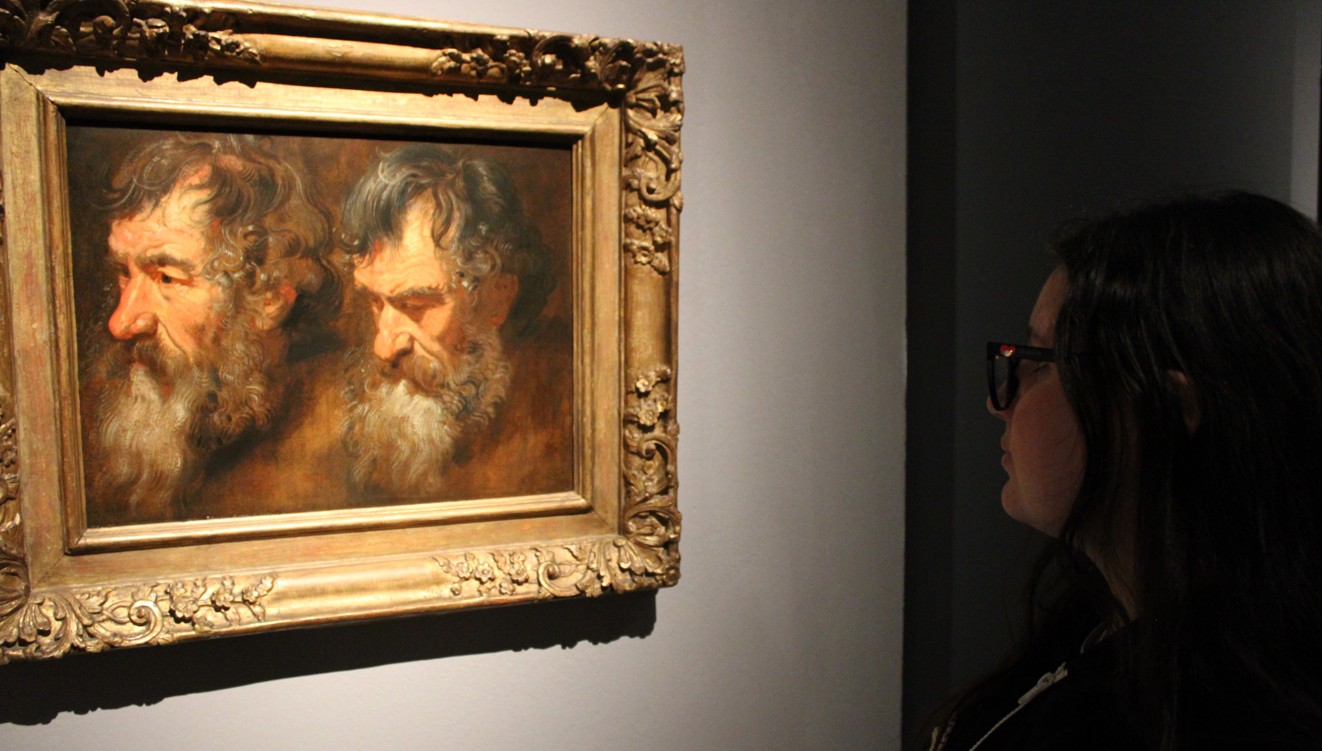
Un’altra parte affascinante del percorso riguarda il rapporto con Peter Paul Rubens. Si percepisce chiaramente come Van Dyck abbia assimilato la tecnica del bozzetto monocromo, fatta di rapidità e di una gamma cromatica essenziale.
Eppure, anche quando le affinità sono evidenti, si intuisce già il desiderio di andare oltre, di trovare una propria voce. È come assistere alla nascita di uno stile.
Il finale nella Cappella del Doge tra colore e dolore
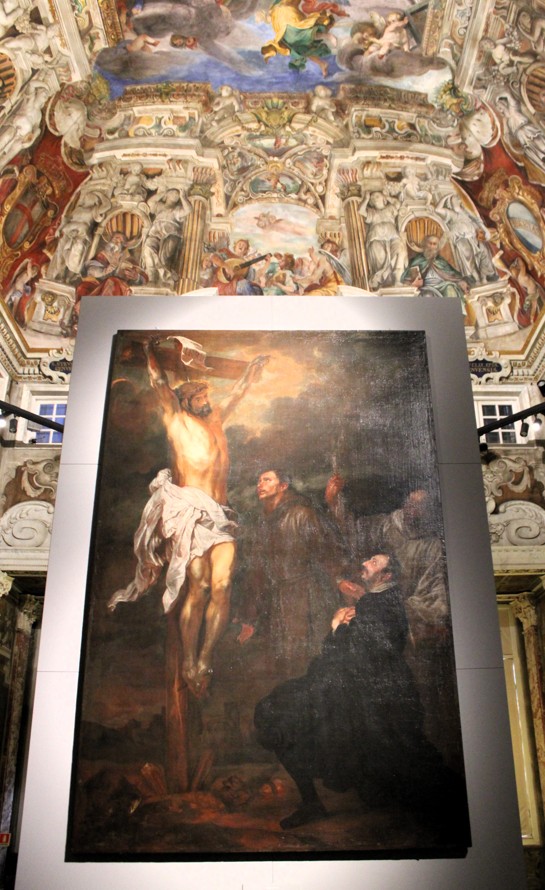
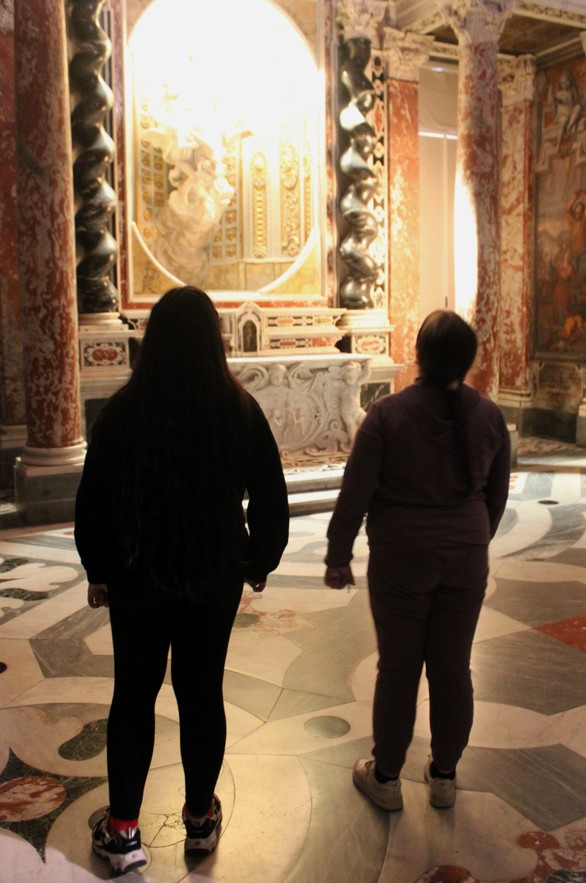
La mostra si chiude nella Cappella del Doge, uno spazio già di per sé straordinario, decorato da Giovanni Battista Carlone.
Al centro si trova il Cristo Spirante, dipinto nel 1625 proprio a Genova.
Qui tutto si ferma. L’atmosfera, la luce, il silenzio. È uno di quei finali che non hanno bisogno di spiegazioni, perché parlano direttamente alle emozioni.
Visitare la mostra “Van Dyck l’Europeo” a Genova
Uscendo da Palazzo Ducale di Genova ho avuto la sensazione di aver viaggiato davvero. Non solo tra città, ma dentro lo sguardo di un artista capace di trasformare ogni dettaglio in racconto.
Come scriveva Pietro Bellori nel 1672, Van Dyck aveva una “bella e dilettevole facilità di dipingere”. Dopo aver visto questa mostra, quella frase non è più solo una citazione, ma qualcosa di tangibile.
È una mostra che consiglio senza esitazione. Non solo per chi ama l’arte, ma per chi vuole provare quella rara sensazione di trovarsi davanti a qualcosa di autenticamente straordinario.
Per il momento il sempre vostro Michelangelo Buonarroti vi saluta dandovi appuntamento ai prossimi post e sui social.
Van Dyck in Genoa: the exhibition that thrills with light, marvelous details, and unforgettable gazes
Entering the halls of the Palazzo Ducale in Genoa to visit “Van Dyck the European. The Journey of a Genius from Antwerp to Genoa and London” means finding yourself among those brushstrokes of color, those portrayed figures, and the rustling silks immortalized forever on canvas by the Flemish artist.
I visited the exhibition yesterday, and the strongest feeling I carry with me is one: wonder. Not a generic wonder, but the kind that arises when you realize that every detail has been thought out, observed, and painted with almost obsessive care.
Van Dyck and the Art of Detail: Fabrics, Jewelry, and Living Painting
When you see Anton van Dyck’s paintings, you are captivated by something that goes beyond the composition. It is the details that tell the story and suggest what you should focus on.
The fabrics seem to move, the lace has a regal lightness, the jewels reflect the light as if they were real. Every surface is rendered with a precision that is never cold, but always vibrant.
I found myself instinctively approaching several times, almost wanting to touch those textures, to understand how it was possible to transform painting into such a living material.
Van Dyck’s European Journey: Antwerp, Genoa, and London
The exhibition recounts Van Dyck’s artistic journey as a journey through three key cities: Antwerp, Genoa, and London.
In Antwerp, the legacy of Peter Paul Rubens is strongly felt, an almost overwhelming presence that the young artist quickly transformed into something personal.
In Genoa, magic happens. Here, Van Dyck reinvents the aristocratic portrait, transforming it into an elegant, sophisticated, and profoundly European language.
And then London, where at the court of Charles I of England he reached the height of his fame, becoming the painter of the elite, the visual narrator of power.
The Youthful Self-Portrait: Surprising Talent
The exhibition opens with a work that alone is worth the visit: the Youthful Self-Portrait from around 1615.
Knowing that Anton van Dyck was just fifteen years old makes everything even more incredible. He’s still a boy, but the master is already visible in the confident brushstrokes. There’s a disarming naturalness in that face, a freedom in the lines that hints at an extraordinary talent. It’s one of those moments when you realize you’re witnessing the beginning of something extraordinary.
The Eyes in Van Dyck’s Paintings: Pure Emotion
If there’s one element that struck me most, it’s the eyes. They’re never mere anatomical details, but the emotional center of the painting.
In Christ Carrying the Cross, I sensed an almost physical tension: the eyes are filled with unshed tears, as if the pain were suspended in an eternal moment. It’s a gaze you never forget, one that continues to follow you even after you leave the room.
Beyond Portraits: An Artist Between Sacred, Myth, and Allegory
The exhibition also surprises with its ability to portray a less predictable Van Dyck. Not just a portraitist, but a complete artist.
The works with allegorical, mythological, and devotional subjects open up a different, more intimate and reflective dimension. Here, a subtle philosophical tension emerges, a continuous dialogue between light and meaning.
The Relationship with Rubens and the Power of the Sketch
Another fascinating part of the journey concerns the relationship with Peter Paul Rubens. One can clearly see how Van Dyck assimilated the technique of the monochrome sketch, characterized by rapidity and a simple color palette.
Yet, even when the similarities are evident, one can already sense the desire to go further, to find one’s own voice. It’s like witnessing the birth of a style.
The finale in the Doge’s Chapel, between color and pain
The exhibition concludes in the Doge’s Chapel, an extraordinary space in itself, decorated by Giovanni Battista Carlone.
At the center is the Expiring Christ, painted in 1625 in Genoa.
Here, everything stops: the atmosphere, the light, the silence. It’s one of those finales that need no explanation, because they speak directly to the emotions.
Visiting the “Van Dyck the European” exhibition in Genoa
Leaving the Palazzo Ducale in Genoa, I had the feeling of having truly traveled. Not just through cities, but through the eyes of an artist capable of transforming every detail into a story.
As Pietro Bellori wrote in 1672, Van Dyck had a “beautiful and delightful ease in painting.” After seeing this exhibition, that phrase is no longer just a quote, but something tangible.
It’s an exhibition I recommend without hesitation. Not just for art lovers, but for anyone who wants to experience that rare sensation of being in front of something truly extraordinary.
For now, yours truly, Michelangelo Buonarroti bids farewell and says he’ll see you in future posts and on social media.

Sostienici – Support Us
Se questo blog ti piace e ti appassiona, puoi aiutarci a farlo crescere sempre più sostenendoci in modo concreto condividendo i post, seguendo le pagine social e con un contributo che ci aiuta ad andare avanti con il nostro lavoro di divulgazione. . ENGLISH: If you like and are passionate about this blog, you can help us make it grow more and more by supporting us in a concrete way by sharing posts, following social pages and with a contribution that helps us to move forward with our dissemination work.
10,00 €
Condividi:


Questo sono io





sostienici

Sostienici – Support Us
Se questo blog ti piace e ti appassiona, puoi aiutarci a farlo crescere sempre più sostenendoci in modo concreto condividendo i post, seguendo le pagine social e con un contributo che ci aiuta ad andare avanti con il nostro lavoro di divulgazione. . ENGLISH: If you like and are passionate about this blog, you can help us make it grow more and more by supporting us in a concrete way by sharing posts, following social pages and with a contribution that helps us to move forward with our dissemination work.
€10,00


