
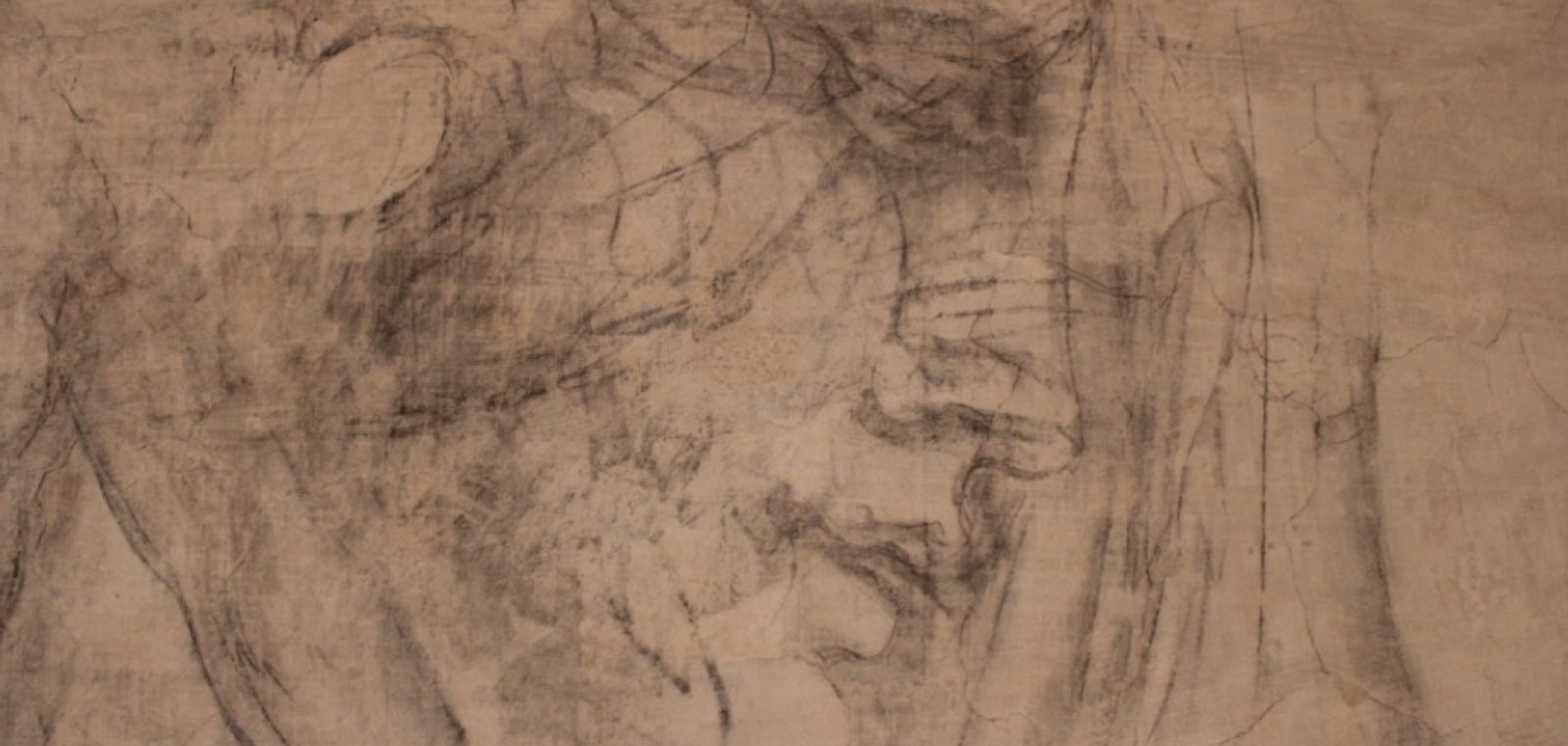
Le più belle Natività in Italia tra arte e tradizione natalizia
La rappresentazione della Natività in Italia è un fenomeno artistico complesso che unisce scultura, architettura, teatro, arti decorative e paesaggio. Ogni presepe racconta una storia diversa, riflettendo il contesto culturale e sociale in cui nasce.
Presepe di Piazza San Pietro (Roma – Vaticano)
Arte sacra e monumentalità urbana
Il Presepe di Piazza San Pietro rappresenta la massima espressione della Natività come installazione artistica pubblica. Le figure a grandezza naturale dialogano con il colonnato berniniano, trasformando lo spazio urbano in una scena sacra aperta al mondo.
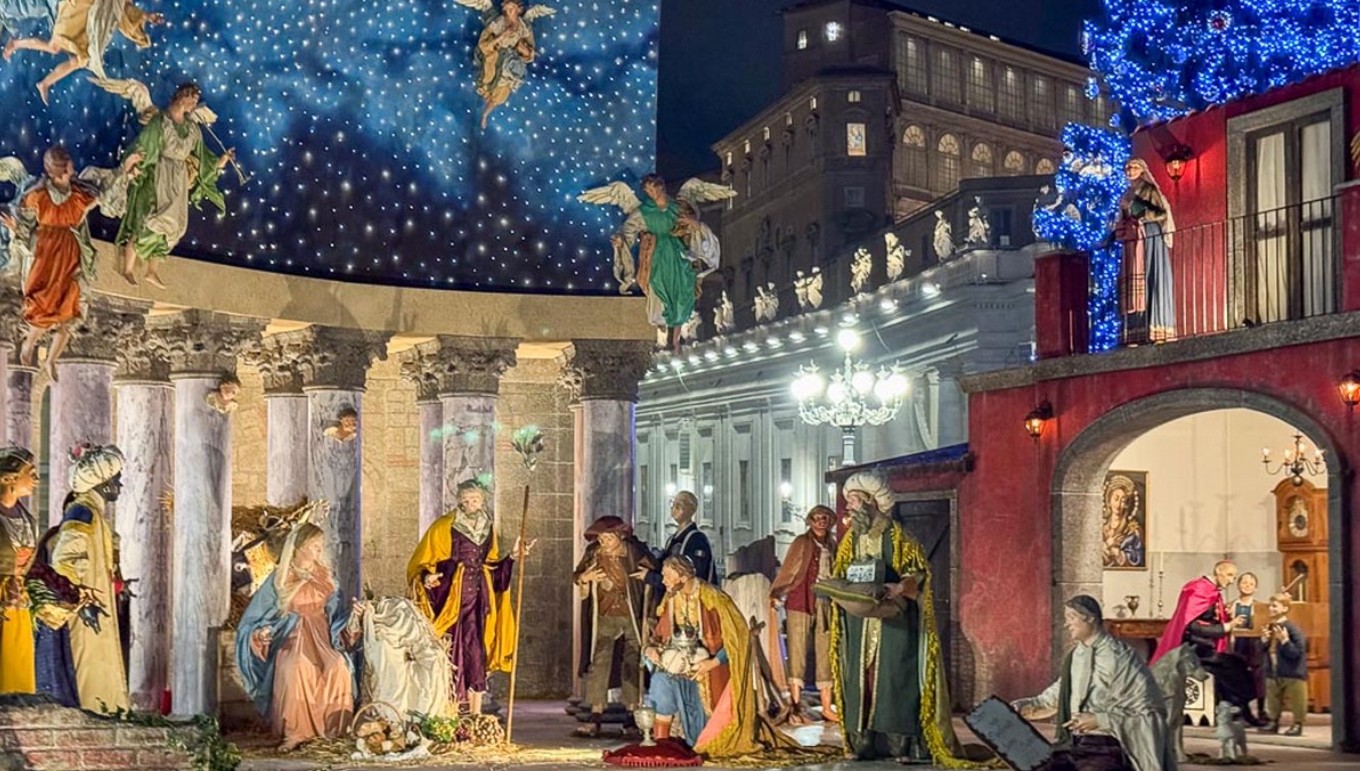
Ogni edizione è affidata a una regione o a un artista, che interpreta la Natività attraverso materiali, stile e simbologia propri del territorio. Questo rende il presepe vaticano un esempio di arte contemporanea applicata alla tradizione.
Periodo: dicembre 2025 – gennaio 2026
Esposizione dei Presepi di Grottaglie (Puglia)
La ceramica come linguaggio della Natività
A Grottaglie, il presepe diventa scultura d’autore. L’Esposizione dei Presepi celebra la tradizione ceramica pugliese applicata alla rappresentazione della Natività, trasformando un tema sacro in una ricerca formale e materica.
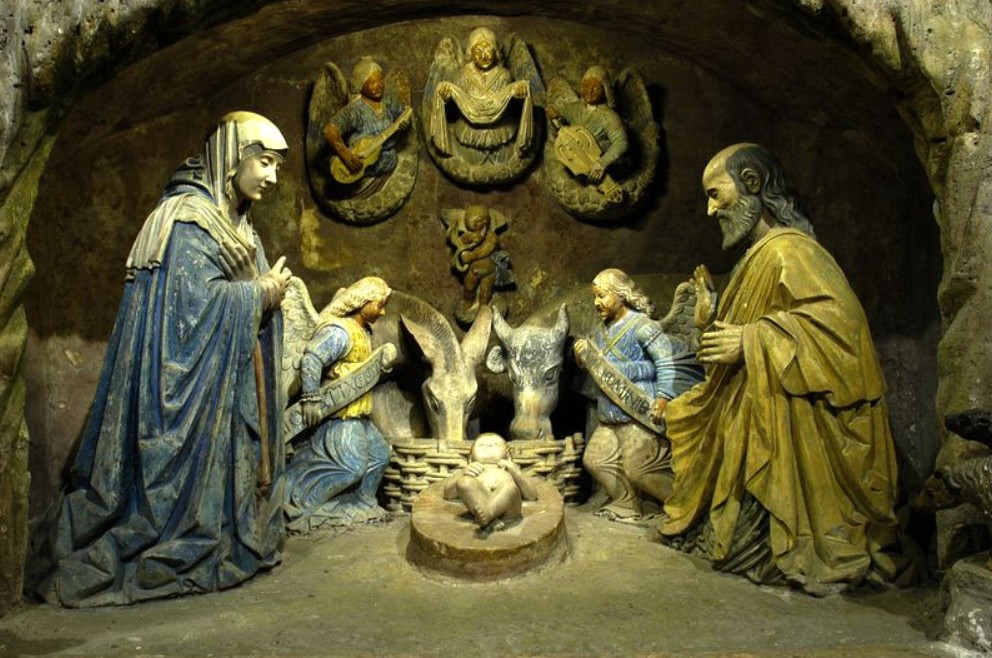
Le superfici smaltate, i volumi essenziali o fortemente espressivi raccontano una Natività che oscilla tra classicismo e sperimentazione contemporanea. È un percorso ideale per chi ama il dialogo tra arte sacra e arti applicate.
Periodo: dicembre 2025 – 6 gennaio 2026
Mostra del Presepe Napoletano a Sorrento
Il presepe come racconto sociale
Il presepe napoletano, esposto a Sorrento, è una delle forme più complesse e narrative della Natività. Qui la scena sacra si intreccia con la vita quotidiana del Settecento, creando un microcosmo teatrale fatto di personaggi, simboli e dettagli minuziosi.

L’aspetto artistico risiede nella capacità di fondere scultura, scenografia e antropologia, restituendo una visione del mondo in cui il sacro convive con il profano.
Periodo: dicembre 2025 – gennaio 2026
Presepi viventi della Valtiberina Toscana
La Natività come performance collettiva
I presepi viventi della Valtiberina rappresentano una forma di arte performativa diffusa. Borghi interi diventano scenografie naturali, dove figuranti in costume ricreano scene bibliche e mestieri antichi.

Il valore artistico risiede nella fusione tra paesaggio storico, architettura medievale e teatro popolare, creando un’esperienza immersiva che supera il concetto di semplice rappresentazione.
Periodo: dicembre 2025 – Epifania 2026
Presepe vivente di Alberobello (Puglia)
Dialogo tra architettura e sacro
Ad Alberobello, la Natività si inserisce nel tessuto unico dei trulli, creando una scenografia naturale di grande impatto visivo. Il presepe vivente diventa così un esempio di site-specific art, dove l’architettura storica non fa da sfondo, ma diventa parte integrante della narrazione.
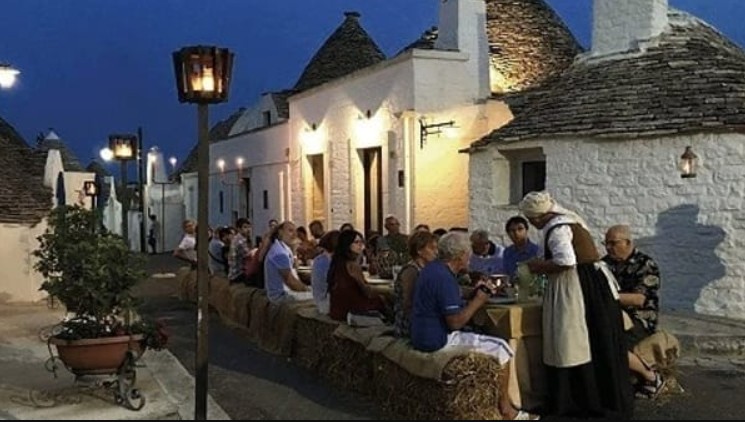
Il risultato è una Natività essenziale, poetica, profondamente radicata nel territorio.
Periodo: fine dicembre 2025
Presepe vivente di Tricase (Salento)
La memoria come arte collettiva
Il presepe vivente di Tricase è un vero museo etnografico a cielo aperto. Lungo un percorso immersivo, le scene raccontano la vita rurale e artigiana del Salento, integrando la Natività in un contesto storico autentico.
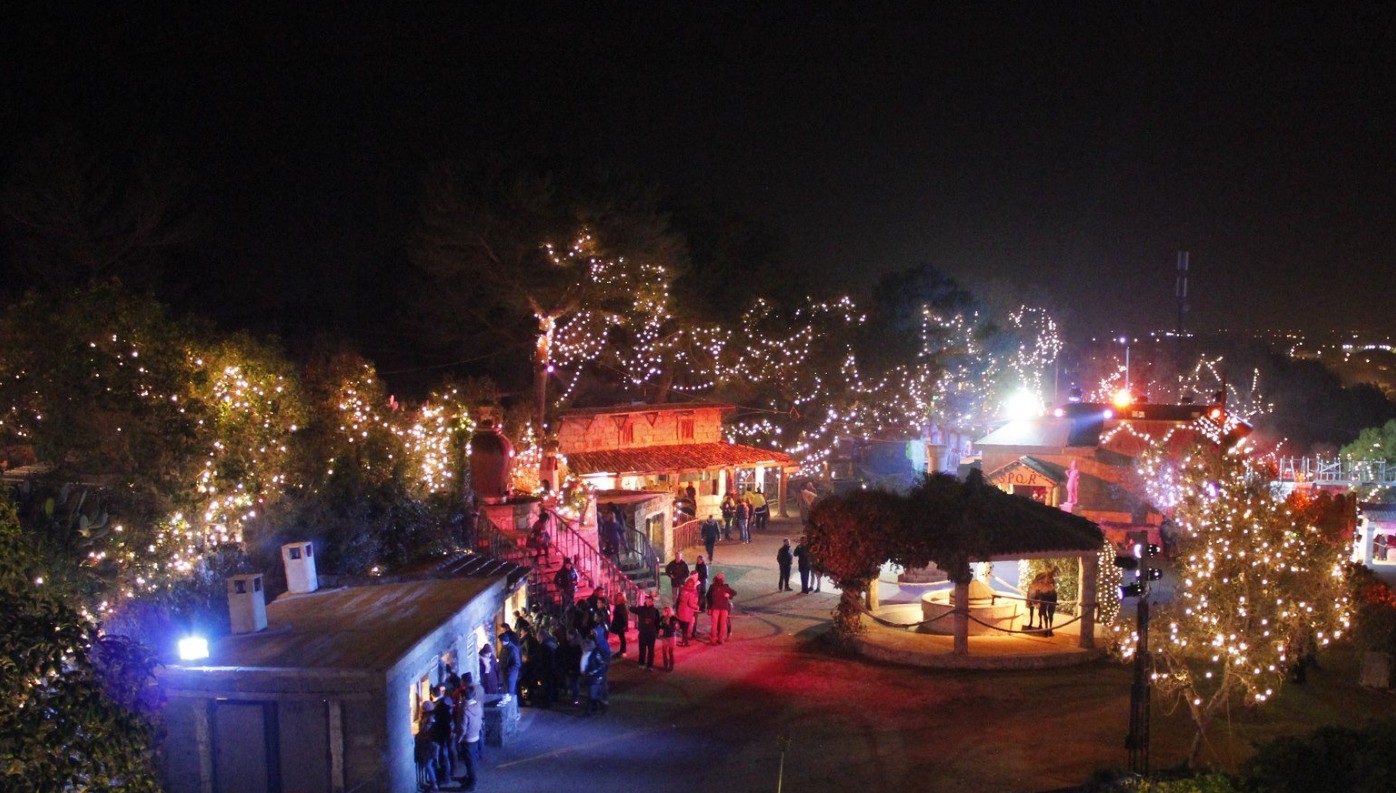
L’aspetto artistico risiede nella ricostruzione filologica e nella partecipazione della comunità, che rende il presepe un’opera corale.
Periodo: dicembre 2025 – gennaio 2026
Presepe luminoso di Manarola (Cinque Terre)
La luce come materia artistica
Il presepe di Manarola è una delle interpretazioni più contemporanee della Natività. Le figure non sono scolpite nella materia, ma disegnate dalla luce, trasformando la collina in una grande installazione di land art.
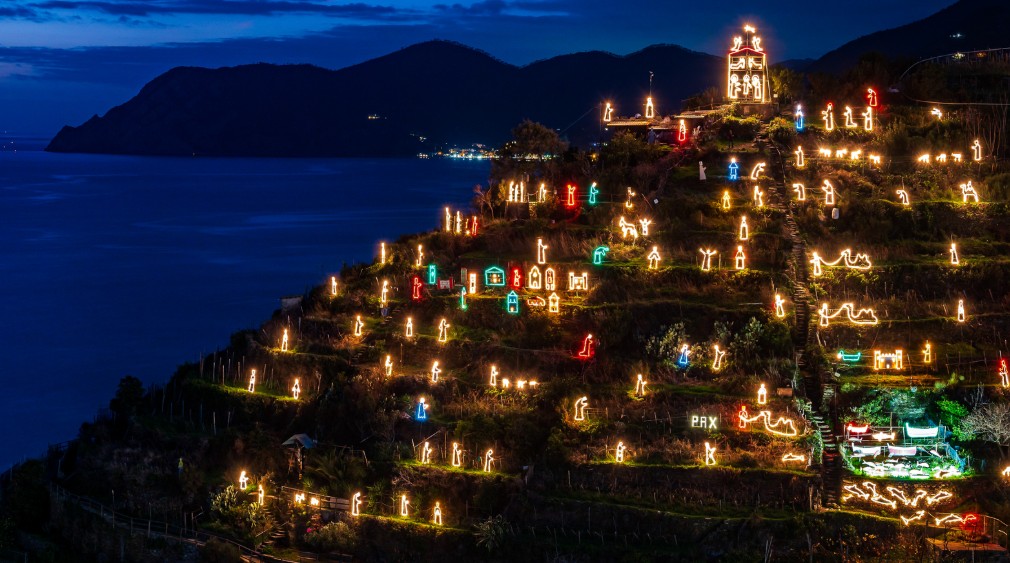
Qui il paesaggio diventa tela, e la Natività assume una dimensione simbolica e universale, visibile da lontano come messaggio di pace.
Periodo: dicembre 2025 – fine gennaio 2026
Le Natività più belle d’Italia nel Natale 2025-2026 mostrano come un tema millenario possa ancora generare ricerca artistica, sperimentazione e coinvolgimento culturale. Dai presepi monumentali alle performance viventi, dalle arti applicate alle installazioni luminose, il presepe resta una delle espressioni più profonde dell’arte italiana.
Per il momento il sempre vostro Michelangelo Buonarroti vi saluta dandovi appuntamento ai prossimi post e sui social.
The Most Beautiful Nativity Scenes to Visit in Italy for Christmas 2025-2026
The representation of the Nativity in Italy is a complex artistic phenomenon that combines sculpture, architecture, theater, decorative arts, and landscape. Each nativity scene tells a different story, reflecting the cultural and social context in which it was created.
Nativity Scene in St. Peter’s Square (Rome – Vatican)
Sacred Art and Urban Monumentality
The Nativity Scene in St. Peter’s Square represents the highest expression of the Nativity as a public artistic installation. The life-size figures interact with Bernini’s colonnade, transforming the urban space into a sacred scene open to the world.
Each edition is entrusted to a region or artist, who interprets the Nativity through materials, style, and symbolism specific to the region. This makes the Vatican Nativity Scene an example of contemporary art applied to tradition.
Date: December 2025 – January 2026
Nativity Scene Exhibition in Grottaglie (Apulia)
Ceramics as the Language of the Nativity
In Grottaglie, the nativity scene becomes a signature sculpture. The Nativity Scene Exhibition celebrates the Apulian ceramic tradition applied to the representation of the Nativity, transforming a sacred theme into a formal and material exploration.
The glazed surfaces and the essential or highly expressive volumes narrate a Nativity scene that oscillates between classicism and contemporary experimentation. It is an ideal journey for those who love the dialogue between sacred art and applied arts.
Date: December 2025 – January 6, 2026
Neapolitan Nativity Scene Exhibition in Sorrento
The Nativity Scene as a Social Story
The Neapolitan nativity scene, exhibited in Sorrento, is one of the most complex and narrative forms of the Nativity. Here, the sacred scene intertwines with the daily life of the eighteenth century, creating a theatrical microcosm of characters, symbols, and meticulous details.
The artistic aspect lies in the ability to blend sculpture, scenography, and anthropology, creating a vision of the world in which the sacred coexists with the profane.
Date: December 2025 – January 2026
Living Nativity Scenes in the Tuscan Tiber Valley
The Nativity as a Collective Performance
The living nativity scenes of the Tiber Valley represent a widespread form of performance art. Entire villages become natural settings, where costumed figures recreate biblical scenes and ancient crafts.
The artistic value lies in the fusion of historical landscape, medieval architecture, and folk theater, creating an immersive experience that transcends the concept of simple representation.
Date: December 2025 – Epiphany 2026
Living Nativity Scene in Alberobello (Apulia)
A Dialogue Between Architecture and the Sacred
In Alberobello, the Nativity scene is inserted into the unique fabric of the trulli, creating a natural setting of great visual impact. The living nativity scene thus becomes an example of site-specific art, where the historical architecture is not a backdrop, but becomes an integral part of the narrative.
The result is a simple, poetic Nativity scene deeply rooted in the local area.
Date: late December 2025
Living Nativity Scene of Tricase (Salento)
Memory as a Collective Art
The living nativity scene of Tricase is a true open-air ethnographic museum. Along an immersive journey, the scenes recount the rural and artisanal life of Salento, integrating the Nativity scene into an authentic historical context.
The artistic aspect lies in the philological reconstruction and community participation, which makes the nativity scene a choral work.
Date: December 2025 – January 2026
Lighted Nativity Scene of Manarola (Cinque Terre)
Light as an Artistic Material
The Manarola nativity scene is one of the most contemporary interpretations of the Nativity. The figures are not sculpted from matter, but drawn by light, transforming the hill into a vast land art installation.
Here, the landscape becomes a canvas, and the Nativity takes on a symbolic and universal dimension, visible from afar as a message of peace.
Period: December 2025 – end of January 2026
Italy’s most beautiful Nativity scenes for Christmas 2025-2026 show how a thousand-year-old theme can still generate artistic research, experimentation, and cultural engagement. From monumental nativity scenes to living performances, from applied arts to light installations, the Nativity scene remains one of the most profound expressions of Italian art.
For now, yours truly, Michelangelo Buonarroti bids farewell and invites you to join him in future posts and on social media.

Sostienici – Support Us
Se questo blog ti piace e ti appassiona, puoi aiutarci a farlo crescere sempre più sostenendoci in modo concreto condividendo i post, seguendo le pagine social e con un contributo che ci aiuta ad andare avanti con il nostro lavoro di divulgazione. . ENGLISH: If you like and are passionate about this blog, you can help us make it grow more and more by supporting us in a concrete way by sharing posts, following social pages and with a contribution that helps us to move forward with our dissemination work.
10,00 €
Articoli
Condividi:


Questo sono io





sostienici

Sostienici – Support Us
Se questo blog ti piace e ti appassiona, puoi aiutarci a farlo crescere sempre più sostenendoci in modo concreto condividendo i post, seguendo le pagine social e con un contributo che ci aiuta ad andare avanti con il nostro lavoro di divulgazione. . ENGLISH: If you like and are passionate about this blog, you can help us make it grow more and more by supporting us in a concrete way by sharing posts, following social pages and with a contribution that helps us to move forward with our dissemination work.
€10,00


C’è anche la mia Liguria in una di queste rappresentazioni, tutte splendide 👍👍👍👍👍👍👏👏👏👏👏👏👏👏👏👏👏 stasera ho visto il programma di Albero Angela su Torino, meraviglioso!!! 👏👏👏👏👏👏 Buon Santo Stefano 😉😊
"Mi piace"Piace a 2 people
un presepe sicuramente fuori dal comune quello di cui ho parlato qua della tua regione :-*
"Mi piace"Piace a 1 persona