

La Cappella Sistina: come e quando venne costruita
La Cappella Sistina ha una lunga e complessa storia alle spalle.
La sua costruzione fu voluta da Papa Sisto IV, al secolo Francesco della Rovere. Salì al soglio di Pietro nel 1471 e per tredici anni resse le sorti della Chiesa. Durante il suo papato volle espandere il suo potere temporale a discapito di altri stati, dando ascolto al nipote: il cardinale Girolamo Riario.

Se questo nome non vi dice niente, vi dico solo che era l’officiante della messa in Santa Maria del Fiore a Firenze durante la Congiura dei Pazzi. Probabilmente non solo sapeva Riario di cosa stesse per accadere davanti ai suoi occhi ma quel tentativo di rovesciare il potere mediceo era stato fortemente voluto proprio dal papa in persona.
Insomma, papa Sisto IV fu un papa assai ambiguo. Fu colui che approvò l’Inquisizione Spagnola ma fu anche quello che volle dare a Roma un volto nuovo, per mettere in chiaro la supremazia della Chiesa. ù
Fece restaurare diversi palazzi che erano andati in rovina durante il trasferimento della sede papale ad Avignone, fece edificare il Ponte Sisto sul Tevere e volle per l’appunto far costruire una cappella capace di esprimere al meglio tutto il potere e la magnificenza del pontificato, o meglio, del suo pontificato.

Invece di costruire da capo una struttura, preferì di gran lunga far modificare la cappella che già esisteva all’interno dei Palazzi Vaticani: la Cappella Palatina.
Non era esclusivamente adibita a funzioni religiosi ma aveva anche un preciso scopo difensivo. Ecco perché ancora oggi ha un aspetto esterno severo più paragonabile a una fortezza che a un edifico adibito al culto.
In quel momento storico la Cappella Palatina aveva però perso il suo scopo difensivo originario e il papa volle darle un aspetto differente. Purtroppo le fondamenta erano state fatte su un terreno cedevole e troppo friabile per poterne sorreggere l’imponente peso.
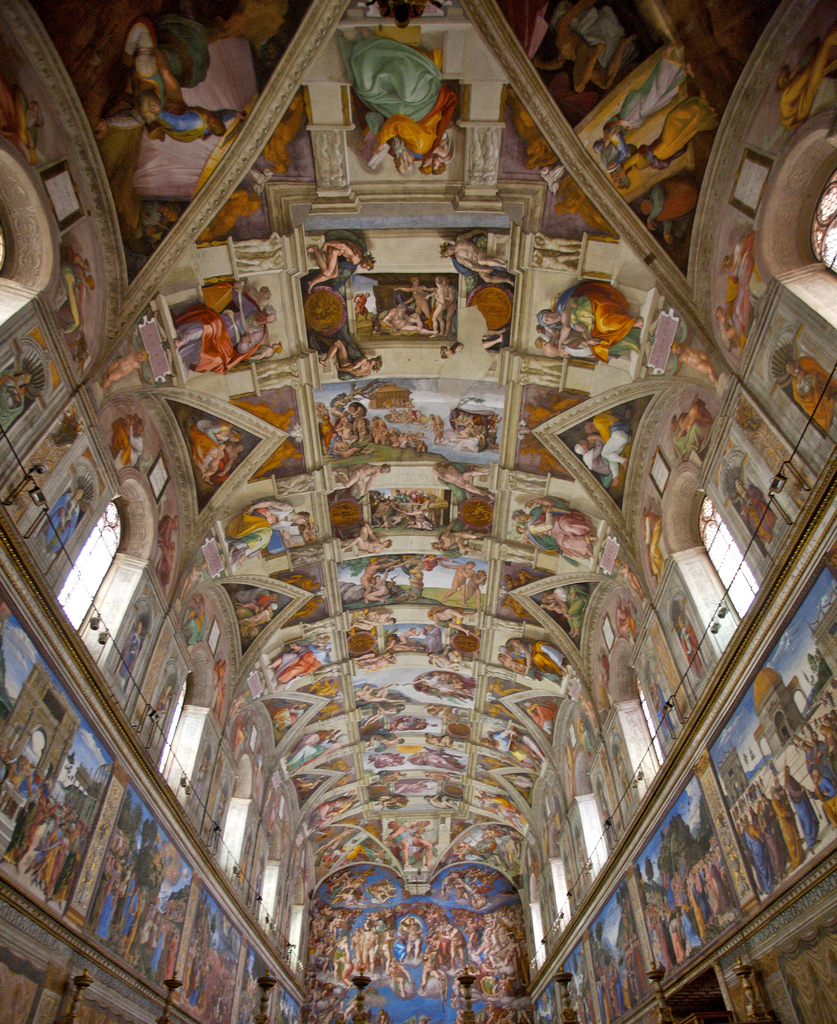
Finalmente nel 1473, su progetto di Baccio Pontelli, vennero avviati i lavori. Il tetto venne distrutto e le pareti abbattute lasciando solo perimetro alto tre metri. I lavori di costruzione proseguirono fino al 1477 grazie al lavoro incessante di numerose maestranze.
Il Pontelli pensò alla Cappella Sistina come al nuovo Tempio di Gerusalemme perduto dandole le esatte dimensioni di quelle palesate nella Bibbia.
Terminata la costruzione che prese il nome di Sistina proprio dal nome del pontefice Sisto IV, il papa volle far decorare ai più grandi artisti del tempo il soffitto a botte, la zona dell’altare e le pareti.
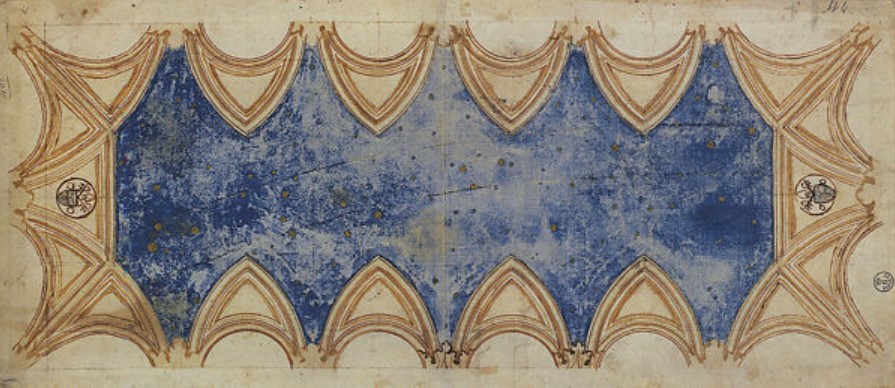
Il primo a mettere mano ai pennelli fu Pier Matteo d’Amelia decorando l’intera volta con un cielo di lapislazzuli trapuntato di stelle d’oro.
Per affrescare i finti tendaggi del primo registro, le storie di Cristo e di Mosè nel secondo e la sequenza di papi su quello superiore, il papa mise in atto un raffinato lavoro di diplomazia con Firenze.
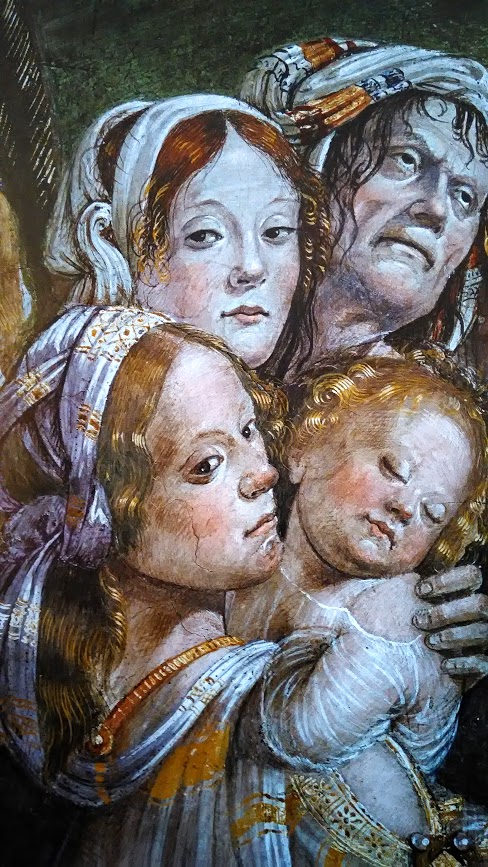
Il papa dopo la Congiura dei Pazzi, il 1 giugno del 1478 scomunicò Lorenzo il Magnifico. Diversi mesi dopo, a seguito di numerose trattative e proposte di alleanza, papa Sisto IV tolse la scomunica e il Magnifico, per rinsaldare i rapporti con la Chiesa, inviò a Roma i più talentuosi artisti fiorentini per metterli al servizio del papa.
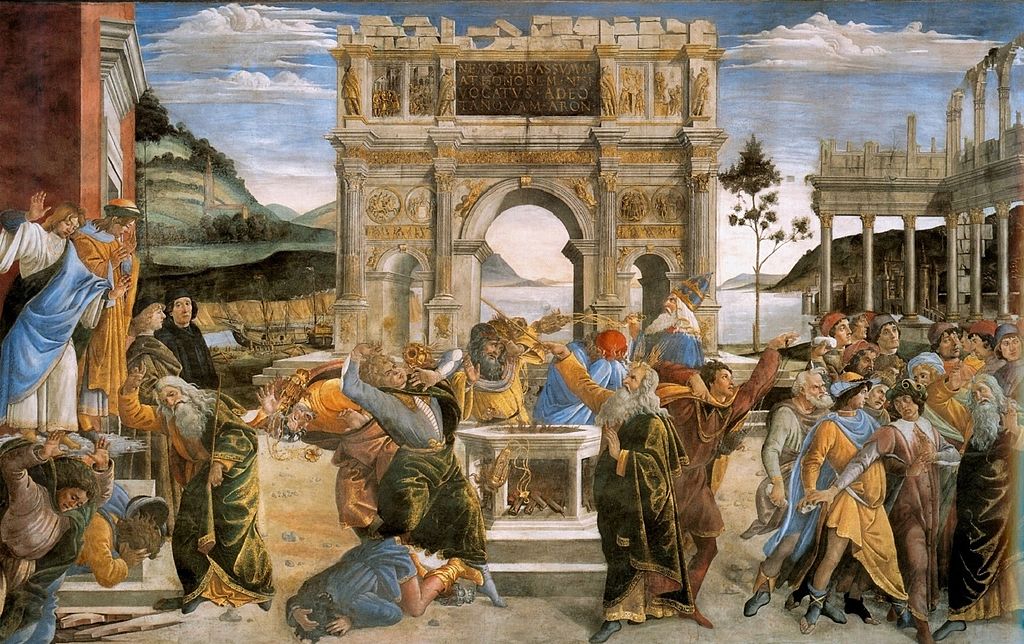
Il mio intervento all’interno della preziosa Cappella fu successivo. Iniziai infatti ad affrescare la volta della Sistina per papa Giulio II della Rovere, nipote di Sisto IV, dopo che il lavoro di Piermatteo d’Amelia s’era irrimediabilmente rovinato. Ma questa è un’altra storia che ha a che fare con un altro papa, nipote di Sisto IV: Giulio II della Rovere.
Il Giudizio Universale invece mi fu commissionato anni dopo da papa Clemente VII de’ Medici e poi confermato dal successore papa Paolo III Farnese.
Per il momento il sempre vostro Michelangelo Buonarroti vi saluta dandovi appuntamento ai prossimi post e sui social.
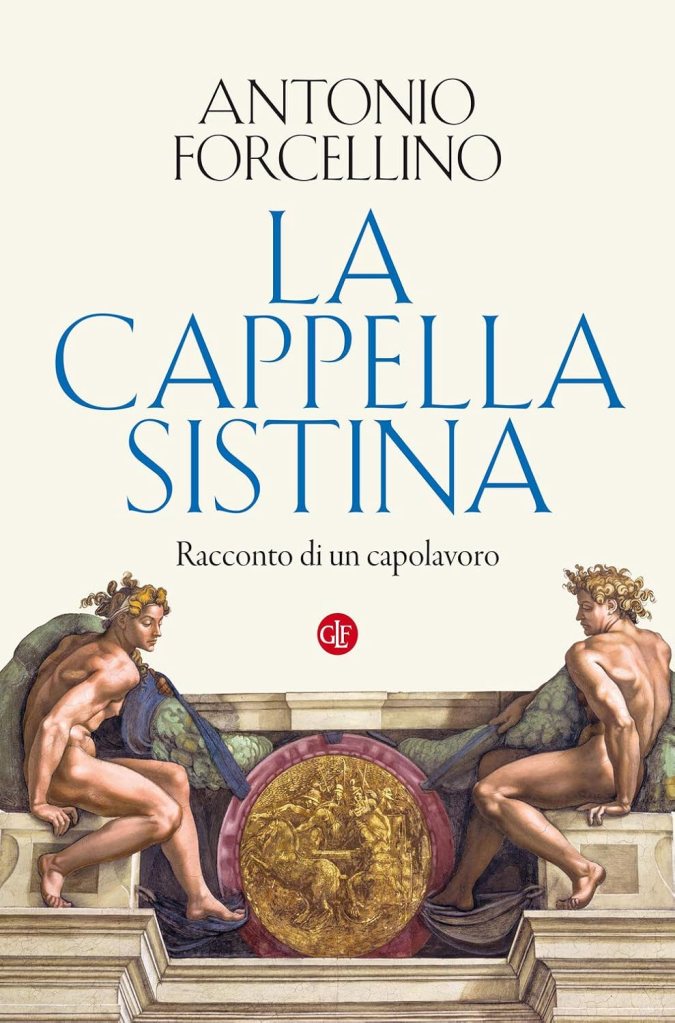
The Sistine Chapel: how and when it was built
The Sistine Chapel has a long and complex history behind it.
Its construction was commissioned by Pope Sixtus IV, born Francesco della Rovere. He ascended to the throne of Peter in 1471 and for thirteen years ruled the fate of the Church. During his papacy he wanted to expand his temporal power to the detriment of other states, listening to his nephew: Cardinal Girolamo Riario.
If this name doesn’t ring a bell, I’ll just tell you that he was the celebrant of the mass in Santa Maria del Fiore in Florence during the Pazzi Conspiracy. Probably not only did Riario know what was about to happen before his eyes but that attempt to overthrow the Medici power had been strongly desired by the Pope himself.
In short, Pope Sixtus IV was a very ambiguous pope. He was the one who approved the Spanish Inquisition but he was also the one who wanted to give Rome a new face, to make clear the supremacy of the Church. ù
He restored several palaces that had fallen into ruin during the transfer of the papal seat to Avignon, built the Ponte Sisto over the Tiber and wanted to build a chapel capable of expressing all the power and magnificence of the pontificate, or rather, of his pontificate.
Instead of building a structure from scratch, he much preferred to modify the chapel that already existed inside the Vatican Palaces: the Palatine Chapel.
It was not exclusively used for religious functions but also had a specific defensive purpose. This is why even today it has a severe external appearance more comparable to a fortress than to a building used for worship.
At that historical moment, however, the Palatine Chapel had lost its original defensive purpose and the pope wanted to give it a different appearance. Unfortunately, the foundations had been made on soft and too friable ground to be able to support its imposing weight.
Finally in 1473, based on a design by Baccio Pontelli, work began. The roof was destroyed and the walls knocked down, leaving only a three-meter high perimeter. Construction continued until 1477 thanks to the incessant work of numerous workers.
Pontelli thought of the Sistine Chapel as the new lost Temple of Jerusalem, giving it the exact dimensions of those revealed in the Bible.
Once the construction was completed, which took the name of Sistine from the name of Pope Sixtus IV, the pope wanted the greatest artists of the time to decorate the barrel vault, the altar area and the walls.
The first to put his hand to the paintbrush was Pier Matteo d’Amelia, decorating the entire vault with a lapis lazuli sky studded with gold stars.
To fresco the fake curtains of the first register, the stories of Christ and Moses in the second and the sequence of popes on the upper one, the pope carried out a refined work of diplomacy with Florence.
After the Pazzi Conspiracy, on June 1, 1478, the Pope excommunicated Lorenzo the Magnificent. Several months later, following numerous negotiations and proposals for an alliance, Pope Sixtus IV lifted the excommunication and the Magnificent, to strengthen relations with the Church, sent the most talented Florentine artists to Rome to put them at the service of the Pope.
Sixtus IV was very happy to receive that manna from heaven and entrusted the lateral decorations of the Sistine Chapel into their hands.
My intervention inside the precious Chapel was later. In fact, I began to fresco the vault of the Sistine Chapel for Pope Julius II della Rovere, nephew of Sixtus IV, after the work of Piermatteo d’Amelia had been irremediably ruined. But this is another story that has to do with another pope, nephew of Sixtus IV: Julius II della Rovere.
The Last Judgement was instead commissioned years later by Pope Clement VII de’ Medici and then confirmed by his successor Pope Paul III Farnese.
For the moment, yours truly Michelangelo Buonarroti bids you farewell and invites you to the next posts and on social media.

Sostienici – Support Us
Se questo blog ti piace e ti appassiona, puoi aiutarci a farlo crescere sempre più sostenendoci in modo concreto condividendo i post, seguendo le pagine social e con un contributo che ci aiuta ad andare avanti con il nostro lavoro di divulgazione. . ENGLISH: If you like and are passionate about this blog, you can help us make it grow more and more by supporting us in a concrete way by sharing posts, following social pages and with a contribution that helps us to move forward with our dissemination work.
10,00 €
Condividi:


Questo sono io





sostienici

Sostienici – Support Us
Se questo blog ti piace e ti appassiona, puoi aiutarci a farlo crescere sempre più sostenendoci in modo concreto condividendo i post, seguendo le pagine social e con un contributo che ci aiuta ad andare avanti con il nostro lavoro di divulgazione. . ENGLISH: If you like and are passionate about this blog, you can help us make it grow more and more by supporting us in a concrete way by sharing posts, following social pages and with a contribution that helps us to move forward with our dissemination work.
€10,00


