
La Scultura di Vertumno e Pomona di Laurent Delvaux
La scultura del giorno che vi propongo oggi è il complesso di Vertumno e Pomona, realizzato dallo scultore francese Laurent Delvaux attorno al 1725.
L’opera appartenente alle preziose collezioni del Victoria and Albert Museum di Londra, racconta in modo allegorico l’avvicendarsi delle stagioni, traendo ispirazione dagli amori di Vertumno e Pomona, tratti dalle Metamorfosi di Ovidio.
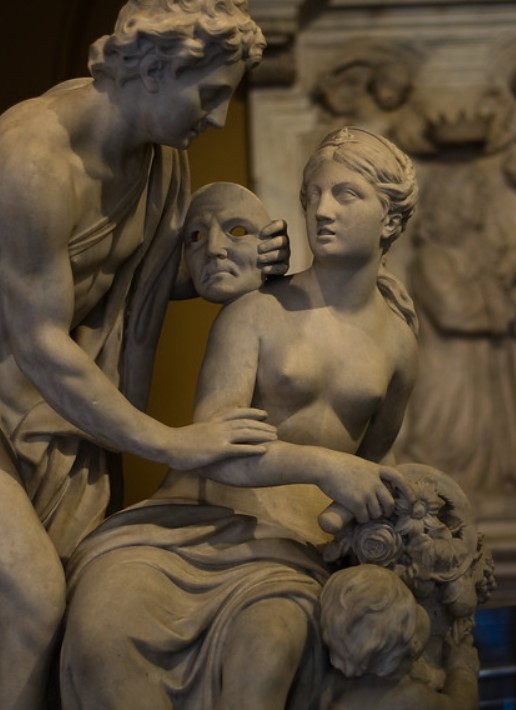
Vertumno e Pomona erano divinità protettrici dei giardini ma anche degli orti e dei frutteti. Il nome di Vertumno deriva dal verbo “vertere” ovvero mutare: è la primavera.
Pomona invece deriva da “pomum”, cioè frutto. Pomona era una delle Amadriadi, ninfe protettrici della natura e particolarmente appassionata di tutte le piante da frutto.
Pan e Silvano, due satiri, avevano provato invano a sedurre Pomona. Ci provò anche Vertumno corteggiandola, vestendosi però prima da mietitore e poi scegliendo altri travestimenti. Fu costantemente respinto fino a quando non assunse l’aspetto di un’anziana signora, parlandole di matrimonio e d’amore.
La giova Pomona poco a poco si lasciò convincere. Vertumno tolse la maschera che nella scultura tiene in mano e Pomona se ne innamorò.
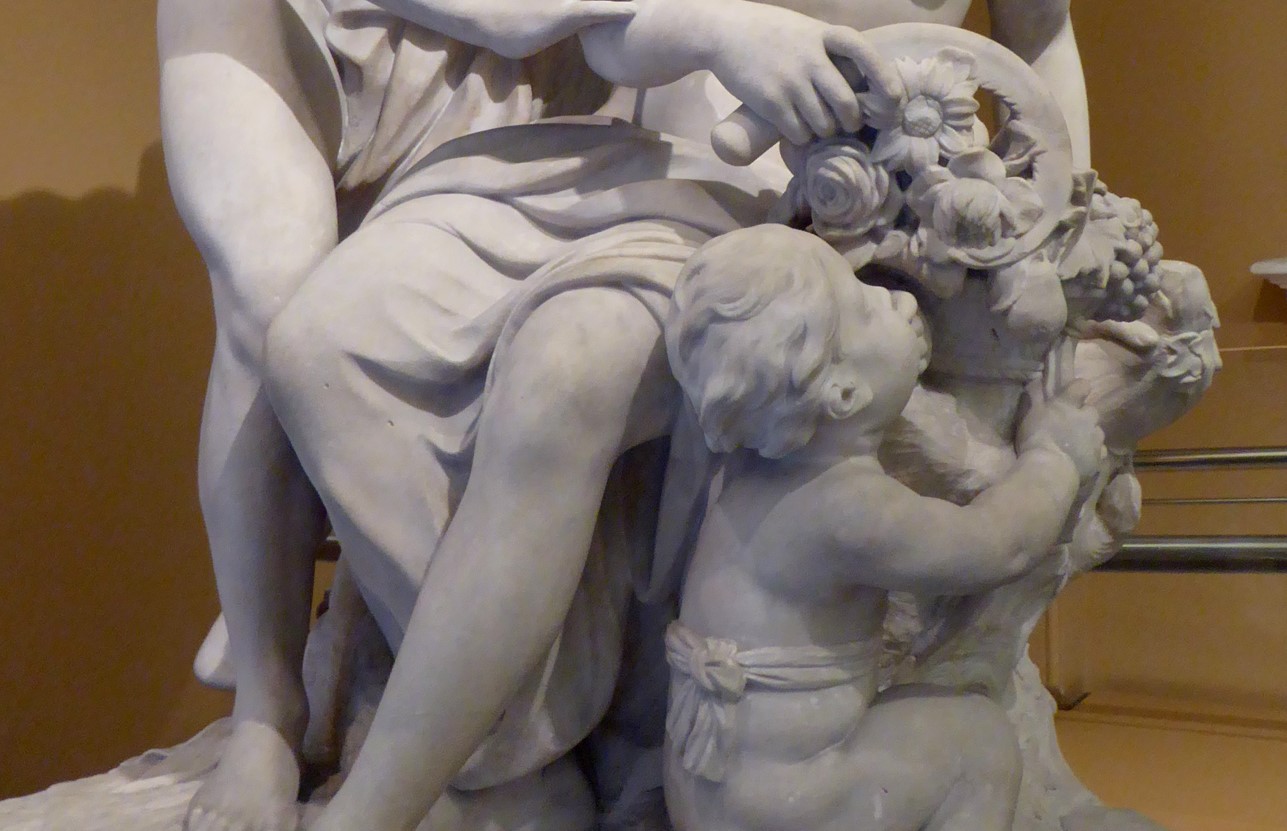
Delvaux volle riprodurre proprio il momento esatto in cui lui si svela. Accanto a Pomona si vedono i suoi simboli iconografici: fiori e frutti con la falce adunca necessaria per potare la vegetazione rigogliosa.

Dovete sapere che un tempo c’era un giorno dell’anno in cui si festeggiava Veretumno e i Vertumnalia. Era il 23 ottobre e si salutava l’estate accogliendo l’autunno.
Per il momento il sempre vostro Michelangelo Buonarroti vi saluta dandovi appuntamento ai prossimi post e sui social.

Vertumnus and Pomona by Laurent Delvaux
The sculpture of the day that I propose to you today is the complex of Vertumnus and Pomona, created by the French sculptor Laurent Delvaux around 1725.
The work belonging to the precious collections of the Victoria and Albert Museum in London, allegorically tells the changing of the seasons, drawing inspiration from the loves of Vertumnus and Pomona, taken from Ovid’s Metamorphoses.
Vertumnus and Pomona were protective deities of gardens but also of vegetable gardens and orchards. The name of Vertumnus derives from the verb “vertere” meaning to change: it is spring.
Pomona instead derives from “pomum”, meaning fruit. Pomona was one of the Hamadryads, nymphs protectors of nature and particularly passionate about all fruit plants.
Pan and Silvanus, two satyrs, had tried in vain to seduce Pomona. Vertumnus also tried courting her, but first dressed as a reaper and then choosing other disguises. He was constantly rejected until he took on the appearance of an old lady, speaking to her of marriage and love.
The young Pomona gradually let herself be convinced. Vertumnus took off the mask that he is holding in his hand in the sculpture and Pomona fell in love with him.
Delvaux wanted to reproduce the exact moment in which he reveals himself. Next to Pomona you can see her iconographic symbols: flowers and fruit with the hooked sickle needed to prune the lush vegetation.
You should know that once upon a time there was a day of the year in which Veretumnus and the Vertumnalia were celebrated. It was October 23 and they said goodbye to summer by welcoming autumn.
For the moment, yours truly Michelangelo Buonarroti bids you farewell, making an appointment to see you in the next posts and on social media.

Sostienici – Support Us
Se questo blog ti piace e ti appassiona, puoi aiutarci a farlo crescere sempre più sostenendoci in modo concreto condividendo i post, seguendo le pagine social e con un contributo che ci aiuta ad andare avanti con il nostro lavoro di divulgazione. . ENGLISH: If you like and are passionate about this blog, you can help us make it grow more and more by supporting us in a concrete way by sharing posts, following social pages and with a contribution that helps us to move forward with our dissemination work.
10,00 €
Articoli
Condividi:


Questo sono io





sostienici

Sostienici – Support Us
Se questo blog ti piace e ti appassiona, puoi aiutarci a farlo crescere sempre più sostenendoci in modo concreto condividendo i post, seguendo le pagine social e con un contributo che ci aiuta ad andare avanti con il nostro lavoro di divulgazione. . ENGLISH: If you like and are passionate about this blog, you can help us make it grow more and more by supporting us in a concrete way by sharing posts, following social pages and with a contribution that helps us to move forward with our dissemination work.
€10,00


