

La Storia della Calavera Catrina: simbolo artistico di uguaglianza
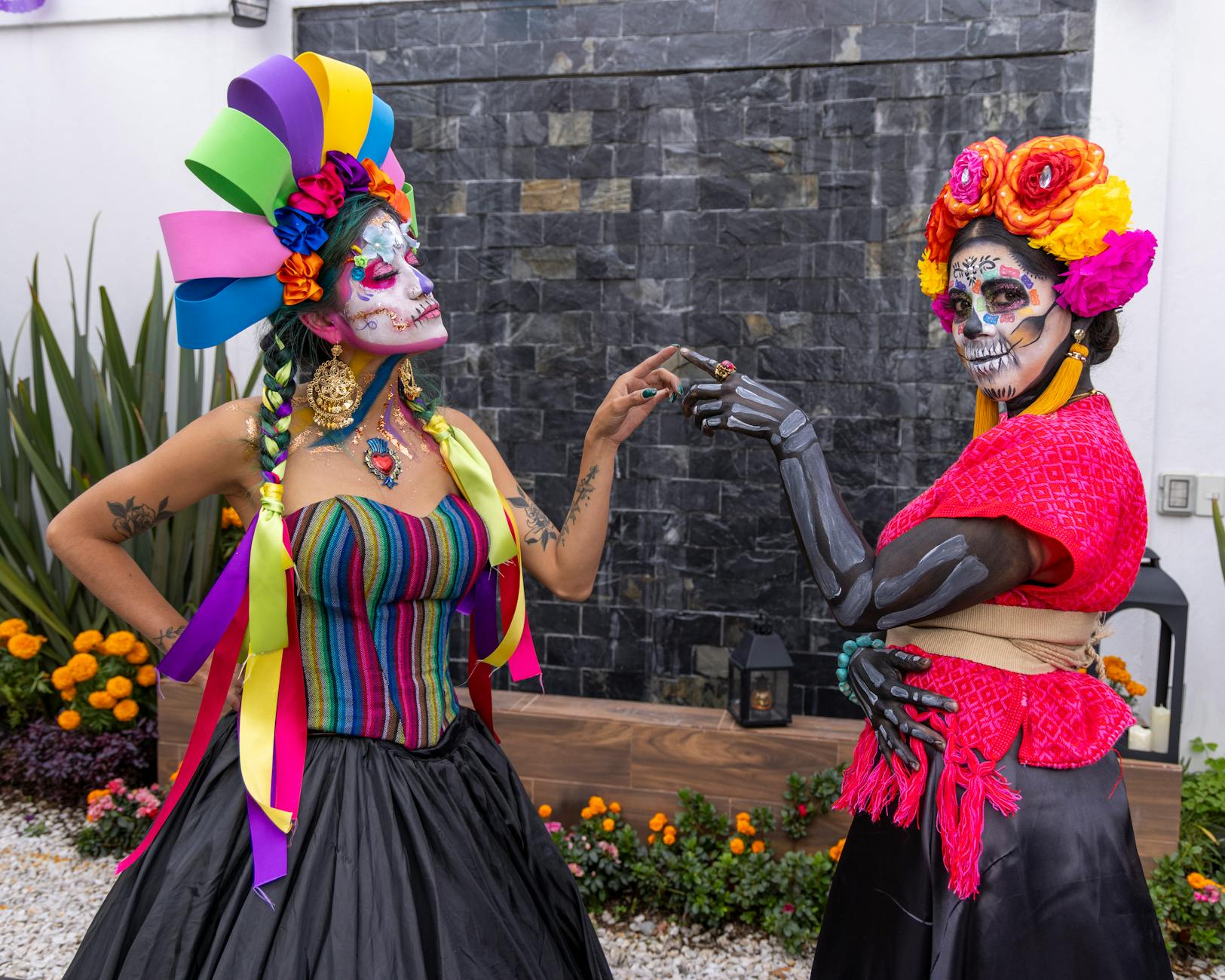
Oggi vi porto con me fino in Messico per raccontarvi la storia che si cela dietro Catrina, lo scheletro vestito con abiti tradizionali femminili che anche alle nostre latitudini oramai si vede sempre più di frequente.
Con l’avvicinarsi del 2 novembre, giorno dedicato alla commemorazione dei morti, el Dìa de los Muertos, in Messico ma anche in altri paesi dell’America Centrale come per esempio in Guatemala, le vetrine dei negozi, i bazar e nelle strade iniziano a spuntare ovunque le Catrine.
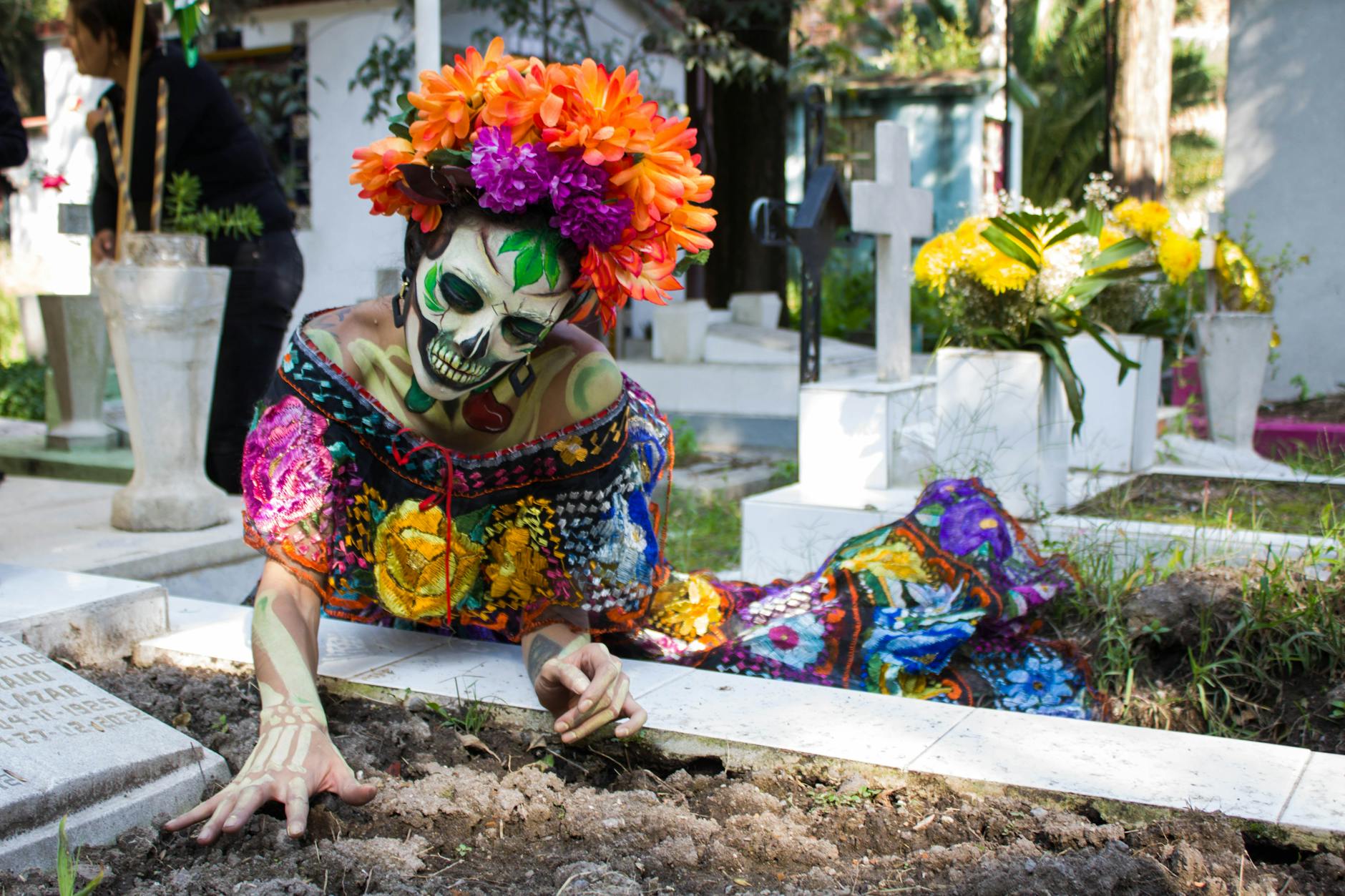
Ma avete idea di quale sia la loro origine? Risale a un centinaio di anni fa quando la Catrina veniva adoperata come satira nei confronti dell’élite messicana che tendeva scimmiottare lo stile europeo, sia nell’abbigliamento che nel modo di vivere. Le Catrine erano il modo per mettere in luce l’uguaglianza dinanzi alla morte, al di là dì ogni classe sociale, ricchezza e provenienza geografica.
La morte ci rende uguali insomma.
L’origine
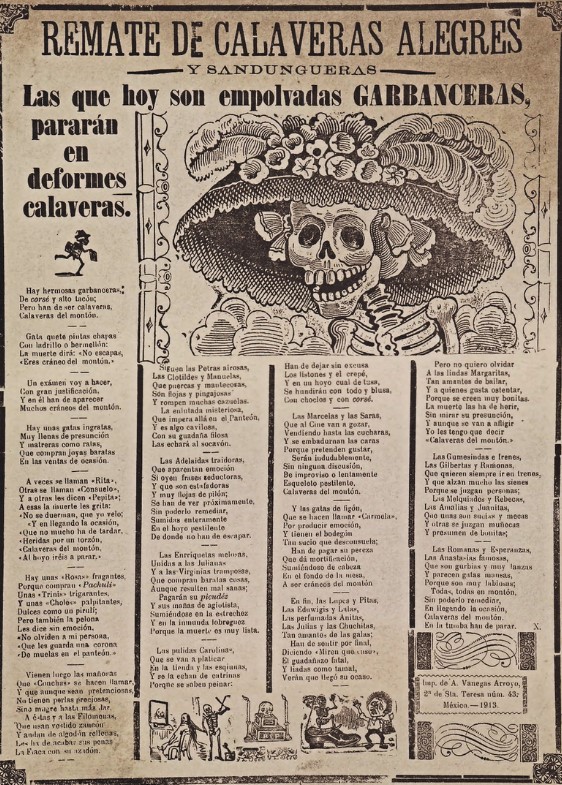
Tutto ebbe inizio con la Calavera Garbancera, un’acquaforte ideata creata dallo scrittore e illustratore messicano José Guadalupe Posada, tra il 1910 e il 1913. Fu lui che per primo pensò a uno scheletro di donna vestito elegantemente con un cappello decorato con piume.
Come accennato prima, era un’immagine satirica mirata a criticare aspramente la classe sociale messicana più ricca del suo tempo che, imitando gli europei, cercava di cancellare le proprie origini messicane.
Erano i tempi in cui al governo c’era il dittatore Porfirio Díaz ed era cominciata la Rivoluzione Messicana per destituirlo. Il malcontento per le classi più privilegiate era dilagante e iniziarono a diffondersi testi scritti che denunciavano il modo di vivere dei più abbienti sulle spalle della povera gente.
La Catrina di Posada non nacque dal nulla ma da origini ben più antiche che si fondano nelle antiche culture precolombiane nelle quali la morte veniva celebrata con riti e offerte. Simile alle catrine moderne era l’antica divinità dell’oltretomba azteca nota come Mictecacihuatl.
La trasformazione nell’attuale Calavera Catrina
Sulla scia di Pasada in molti artisti e intellettuali ripresero il tema da lui proposto creando opere letterarie e dipinti ispirati dal suo scheletro.
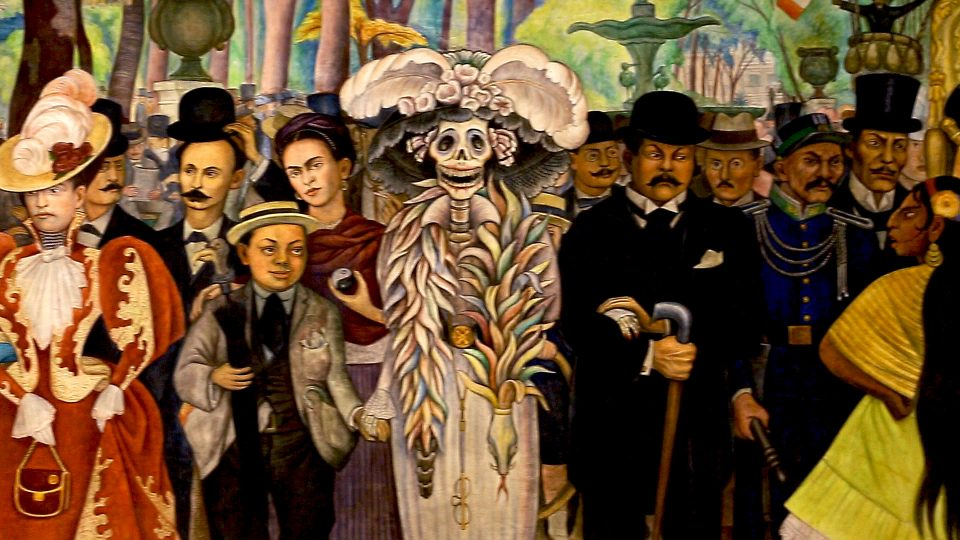
L’artista Diego Rivera mise al centro del suo murales ‘Sogno di un pomeriggio domenicale nella Alameda Central’ la Calavera Garbancera. Un’opera satirica di denuncia sociale in cui si vede a destra dello scheletro l’artista José Guadalupe Posada e dalla parte opposta a Diego Rivera bambino che la tiene per mano mentre dietro si vede Frida Kahlo, sua moglie.
La Calavera Catrina oggi
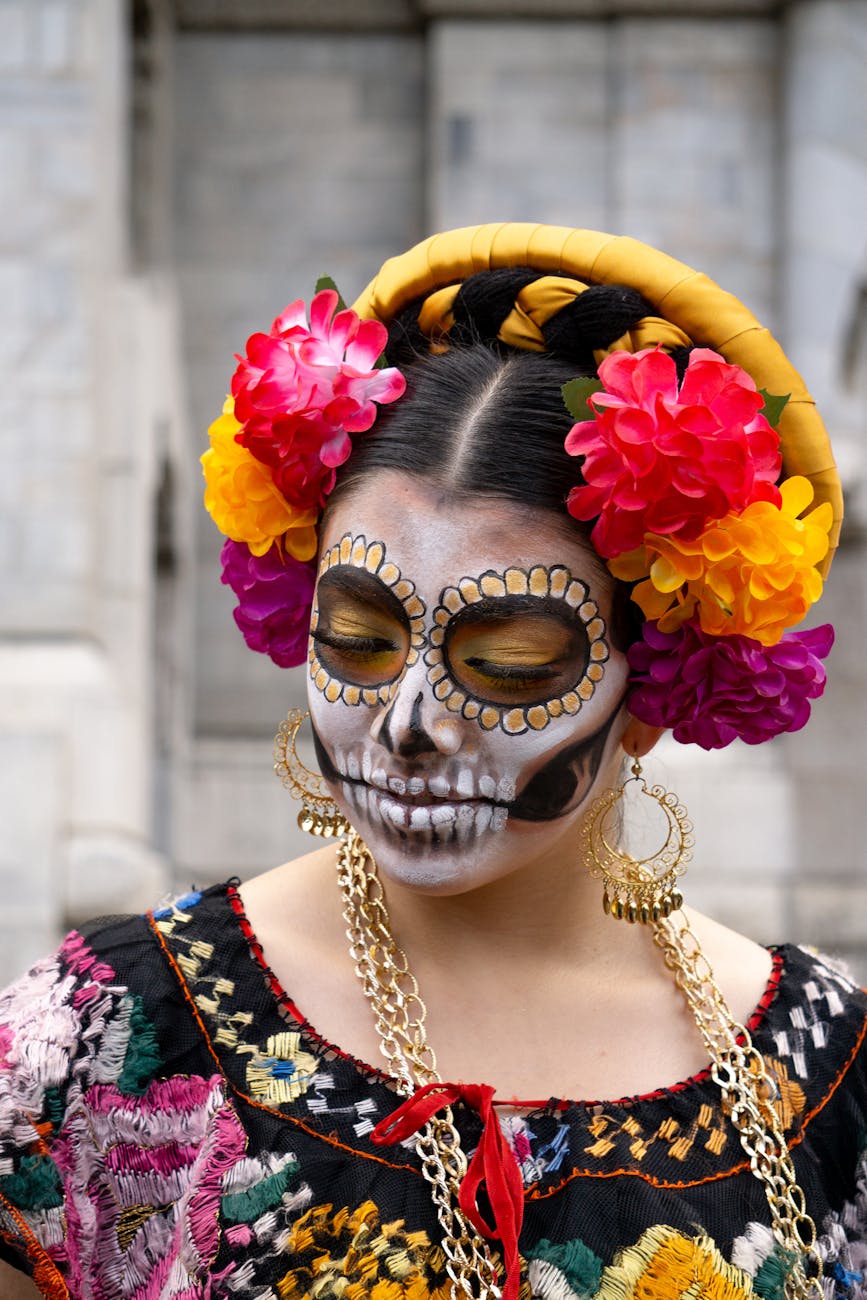
Oggi l’immagine di Catrina è assai diffusa anche alle nostre latitudini. Non più vista come un simbolo rivoluzionario, poco a poco è divenuta una figura tradizionale immancabile del Dìa de los Muertos.
Poco ha a che fare con Halloween anche se sempre più spesso si vedono persone truccate da Catrine anche durante quella che viene considerata ‘la notte più spaventosa dell’anno’.

Ha una valenza più ironica, dissacrante e ricorda che tutti abbiamo un tempo limite sulla terra e siamo uguali dinanzi alla morte.
Per il momento il sempre vostro Michelangelo Buonarroti vi saluta dandovi appuntamento ai prossimi post e sui social. ©Tutti i diritti sono riservati
November 2: Origin and meaning of Catrinas
Today I’m taking you with me to Mexico to tell you the story behind Catrina, the skeleton dressed in traditional women’s clothing that is now increasingly seen in our latitudes.
As November 2 approaches, the day dedicated to the commemoration of the dead, el Dìa de los Muertos, in Mexico but also in other Central American countries such as Guatemala, Catrinas are starting to appear everywhere in shop windows, bazaars and streets.
But do you have any idea where they originated? It dates back a hundred years and was used as satire against the Mexican elite who tended to imitate the European style, both in clothing and in the way of life. Catrinas were the way to highlight equality in the face of death, beyond any social class, wealth and geographical origin.
In short, death makes us equal.
The Origin
It all began with the Calavera Garbancera, an etching created by the Mexican writer and illustrator José Guadalupe Posada, between 1910 and 1913. He was the first to think of a skeleton of a woman elegantly dressed with a hat decorated with feathers.
As mentioned before, it was a satirical image aimed at harshly criticizing the richest Mexican social class of its time who, imitating the Europeans, tried to erase their Mexican origins.
Those were the times when the dictator Porfirio Díaz was in government and the Mexican Revolution had begun to remove him. Discontent with the more privileged classes was rampant and written texts began to spread denouncing the way of life of the wealthiest at the expense of the poor.
Posada’s Catrina did not arise from nothing but from much more ancient origins that are based on ancient pre-Columbian cultures in which death was celebrated with rites and offerings. Similar to modern catrinas was the ancient Aztec deity of the underworld known as Mictecacihuatl.
The transformation into the current Calavera Catrina
In the wake of Pasada, many artists and intellectuals took up the theme he proposed, creating literary works and paintings inspired by her skeleton.
The artist Diego Rivera placed the Calavera Garbancera at the center of his mural ‘Dream of a Sunday Afternoon in the Alameda Central’. A satirical work of social denunciation in which the artist José Guadalupe Posada can be seen on the right of the skeleton and on the opposite side Diego Rivera as a child holding her hand while behind can be seen Frida Kahlo, his wife.
The Calavera Catrina today
Today the image of Catrina is very widespread also in our latitudes. No longer seen as a revolutionary symbol, little by little it has become a traditional figure that is an essential part of the Dìa de los Muertos.
It has little to do with Halloween even if more and more often you see people made up as Catrinas even during what is considered ‘the scariest night of the year’.
It has a more ironic, irreverent value and reminds us that we all have a limited time on earth and we are equal in the face of death.
For the moment, your ever Michelangelo Buonarroti bids you farewell, making an appointment with you in the next posts and on social media.
For the moment, yours ever Michelangelo Buonarroti bids you farewell, making an appointment with you in the next posts and on social media. ©All rights reserved

Sostienici – Support Us
Se questo blog ti piace e ti appassiona, puoi aiutarci a farlo crescere sempre più sostenendoci in modo concreto condividendo i post, seguendo le pagine social e con un contributo che ci aiuta ad andare avanti con il nostro lavoro di divulgazione. . ENGLISH: If you like and are passionate about this blog, you can help us make it grow more and more by supporting us in a concrete way by sharing posts, following social pages and with a contribution that helps us to move forward with our dissemination work.
10,00 €
-

15 marzo 1673: la morte di Salvator Rosa, il pittore ribelle del Barocco
🇮🇹Il 15 marzo 1673 moriva Salvator Rosa, uno degli artisti più ribelli e affascinanti del Barocco italiano. Pittore, poeta e intellettuale anticonformista, Rosa trasformò il paesaggio in uno spazio drammatico e filosofico, popolato da briganti, eremiti e pensatori solitari… 🇬🇧On March 15, 1673, Salvator Rosa, one of the most rebellious and fascinating artists of the…
-

Il dipinto della Resurrezione di Benjamin West che racconta il significato della Pasqua
🇮🇹Il dipinto “La Resurrezione” di Benjamin West racconta con luce e dramma il momento della Resurrezione di Gesù Cristo. Un capolavoro neoclassico che torna protagonista nel periodo di Pasqua… 🇬🇧Benjamin West’s painting “The Resurrection” depicts the moment of Jesus Christ’s resurrection with light and drama. A neoclassical masterpiece that returns to prominence during the Easter…
-
Chi è davvero Banksy? Reuters svela l’identità segreta del re della street art
🇮🇹Reuters svela l’identità di Banksy: secondo l’inchiesta, il celebre artista di graffiti sarebbe Robin Gunningham, il volto nascosto dietro il mito della street art.. 🇬🇧Reuters reveals Banksy’s identity: according to the investigation, the famous graffiti artist is Robin Gunningham, the hidden face behind the myth of street art..
Condividi:


Questo sono io





sostienici

Sostienici – Support Us
Se questo blog ti piace e ti appassiona, puoi aiutarci a farlo crescere sempre più sostenendoci in modo concreto condividendo i post, seguendo le pagine social e con un contributo che ci aiuta ad andare avanti con il nostro lavoro di divulgazione. . ENGLISH: If you like and are passionate about this blog, you can help us make it grow more and more by supporting us in a concrete way by sharing posts, following social pages and with a contribution that helps us to move forward with our dissemination work.
€10,00


