

Michelangelo e il Potere: lo studio per la Battaglia di Cascina
Tra i miei disegni originali esposti nel percorso della mostra a Palazzo Vecchio ‘Michelangelo e il Potere’ è presente il foglio con gli studi di torso per la Battaglia di Cascina.
Arrivato per l’occasione da Casa Buonarroti, si tratta di un foglio su cui tracciai studi di torsi maschili visti di schiena su carta con matita nera e penna tra il 1504 e il 1505.
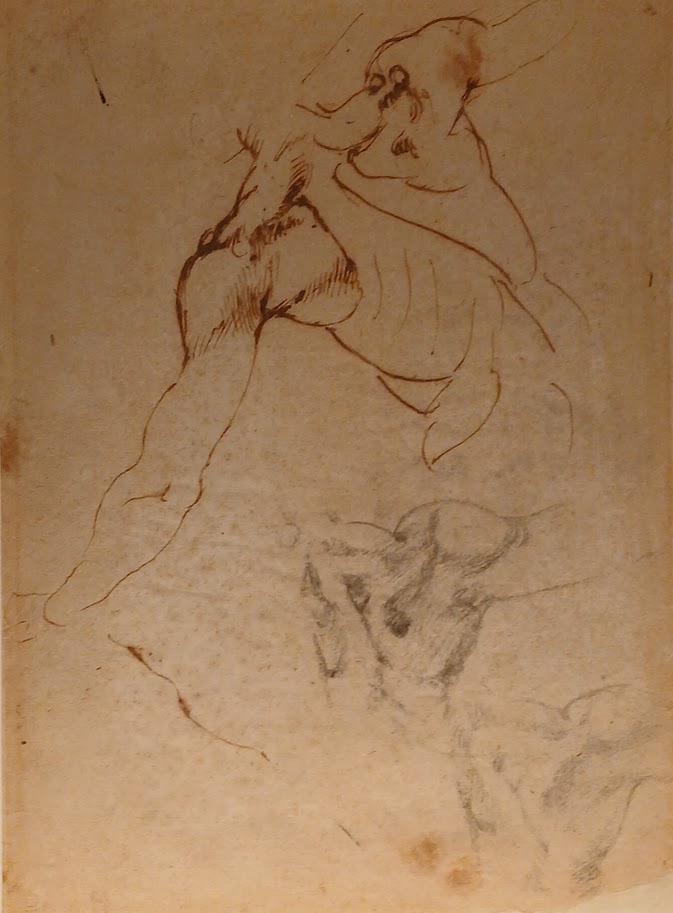
Sono studi preliminari che poi avrei approfondito in modo più dettagliato in un disegno molto noto appartenente oggi all’Ashmolean Museum di Oxford.
Il soggetto ritratto lo avrei poi inserito nel gruppo dei soldati intenti a rivestirsi in fretta e furia, sorpresi mentre facevano il bagno.
“Messer Galeotto Malatesta capitano de’ Fiorentini, movendo la notte dinanzi campo Peccioli, la mattina s’accampò ne’ borghi di Cascina presso Pisa e infra il giorno per lo smisurato caldo le tre parti e più dell’oste si bagnava in Arno, quale si sciorinava al meriggio, e chi disarmandosi e in altro modo prendea rinfrescamento“, scrisse Filippo Villani ricordando quei fatti nel libro della Cronica.
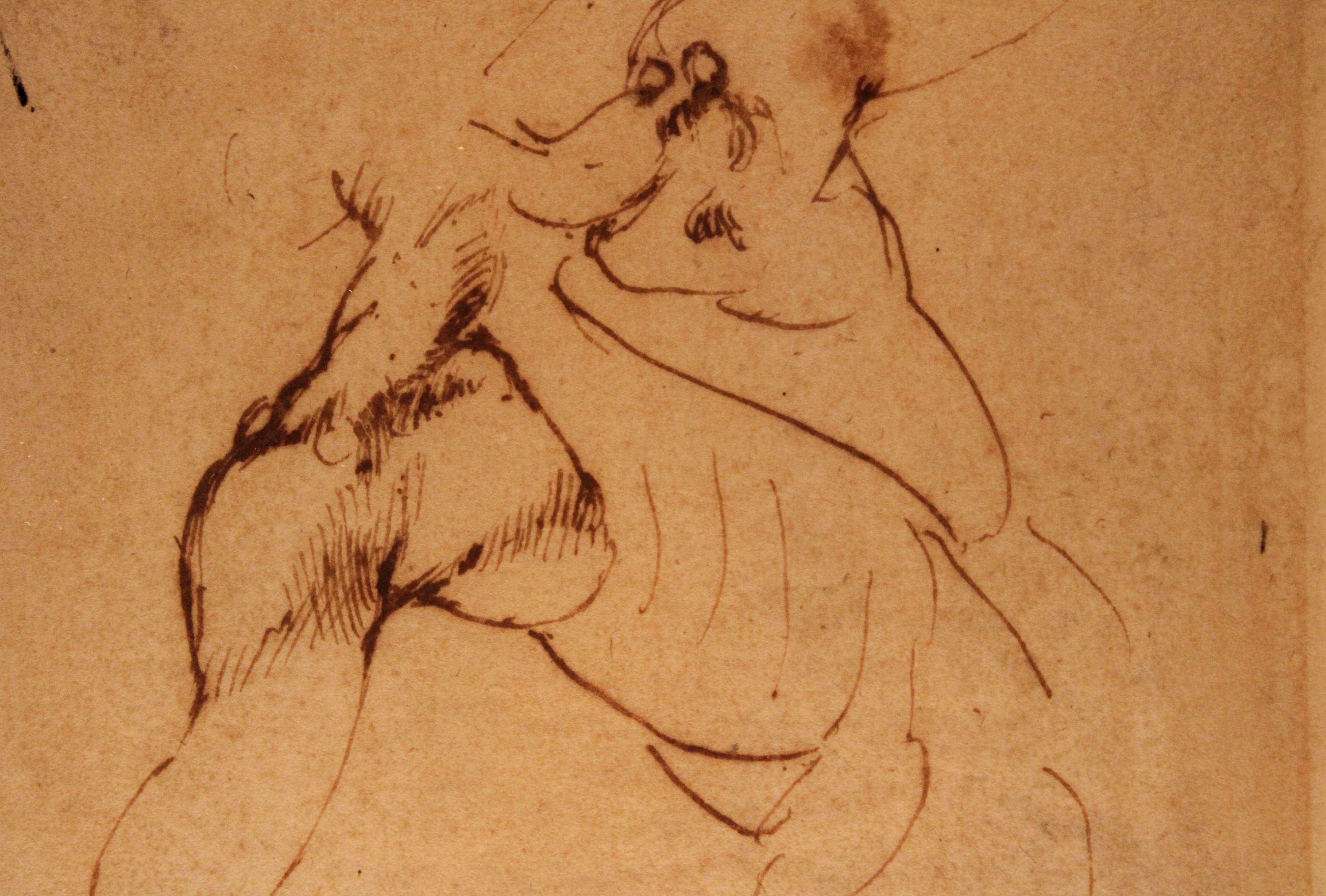
Il dinamismo del segno lasciato dalla matita e dalla penna è una caratteristica tipica del mio stile grafico di quegli anni.
La postura del corpo deriva da quella del Discobolo di Mirone visto di schiena come ebbe modo di osservare per primo Panofsky nel 1972. L’opera scultorea, custodita al Museo Nazionale Romano di Palazzo Massimo, avevo avuto probabilmente modo di studiarla durante il mio primo viaggio a Roma.

Se volete ammirare questo straordinario di segno dal vero, non vi rimane che visitare la mostra di Palazzo Vecchio dedicata al mio rapporto con il potere.
Per il momento il sempre vostro Michelangelo Buonarroti vi saluta dandovi appuntamento ai prossimi post e sui social. ©Tutti i diritti sono riservati
Michelangelo and Power: the study for the Battle of Cascina
Among my original drawings exhibited in the exhibition at Palazzo Vecchio ‘Michelangelo and Power’ is the sheet with the torso studies for the Battle of Cascina.
Arrived for the occasion from Casa Buonarroti, it is a sheet on which I traced studies of male torsos seen from behind on paper with black pencil and pen between 1504 and 1505.
These are preliminary studies that I would later explore in greater detail in a very well-known drawing now belonging to the Ashmolean Museum in Oxford.
I would then include the subject portrayed in the group of soldiers intent on dressing in a hurry, surprised while they were bathing.
“Messer Galeotto Malatesta, captain of the Florentines, moving at night in front of the Peccioli camp, in the morning encamped in the villages of Cascina near Pisa and during the day because of the immense heat, three parts and more of the host bathed in the Arno, which was flowing at midday, and some disarming themselves and taking some other way to cool off”, wrote Filippo Villani recalling those events in the book of the Chronicle.
The dynamism of the sign left by the pencil and the pen is a typical characteristic of my graphic style of those years.
The posture of the body derives from that of the Discobolus of Myron seen from behind as Panofsky was the first to observe in 1972. I had probably had the opportunity to study the sculptural work, kept at the National Roman Museum of Palazzo Massimo, during my first trip to Rome.
If you want to admire this extraordinary sign in real life, all you have to do is visit the exhibition at Palazzo Vecchio dedicated to my relationship with power.
For the moment, yours ever Michelangelo Buonarroti bids you farewell, making an appointment with you in the next posts and on social media. ©All rights reserved

Sostienici – Support Us
Se questo blog ti piace e ti appassiona, puoi aiutarci a farlo crescere sempre più sostenendoci in modo concreto condividendo i post, seguendo le pagine social e con un contributo che ci aiuta ad andare avanti con il nostro lavoro di divulgazione. . ENGLISH: If you like and are passionate about this blog, you can help us make it grow more and more by supporting us in a concrete way by sharing posts, following social pages and with a contribution that helps us to move forward with our dissemination work.
10,00 €
-
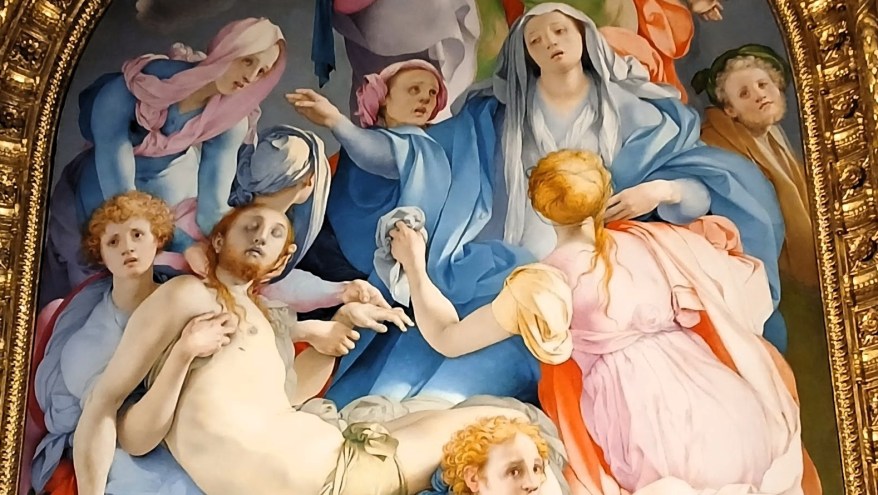
La Deposizione del Pontormo: il capolavoro dell’artista
🇮🇹Ti coinvolge. Ti mette a disagio. Ti costringe a sentire. E’ la Deposizione dalla Croce, dipinta da Jacopo Pontormo tra il 1525 e il 1528 per la Cappella Capponi… 🇬🇧It draws you in. It makes you uncomfortable. It forces you to feel. It’s the Deposition from the Cross, painted by Jacopo Pontormo between 1525 and…
-
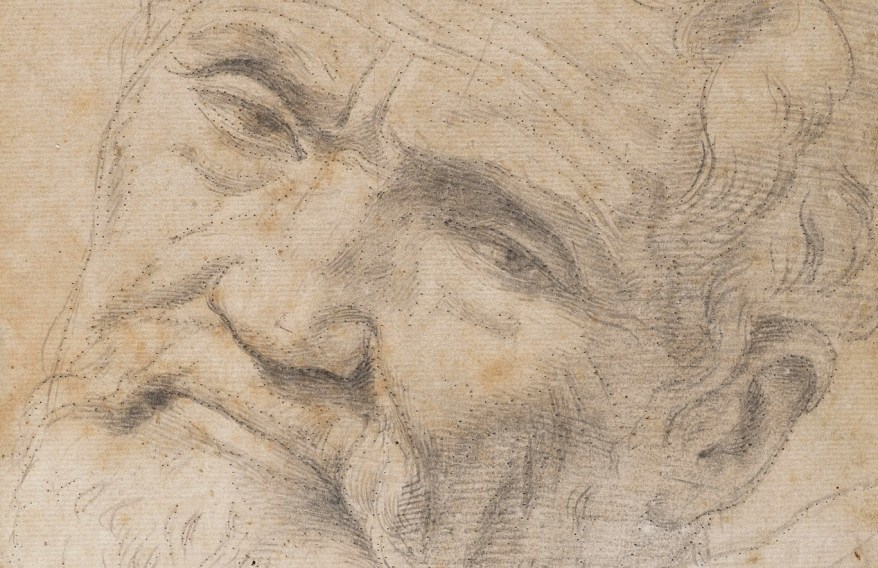
Non chiamatelo Braghettone: il 4 aprile del 1566 muore Daniele da Volterra, l’artista che salvò il Giudizio Universale
🇮🇹Braghettone? No, molto di più. Il 4 aprile 1566 moriva Daniele da Volterra, il mio allievo più fedele, l’uomo che mi rimase accanto fino all’ultimo respiro e che salvò il mio Giudizio Universale dalla distruzione… 🇬🇧Braghettone? No, much more. On April 4, 1566, Daniele da Volterra died, my most faithful student, the man who remained…
-
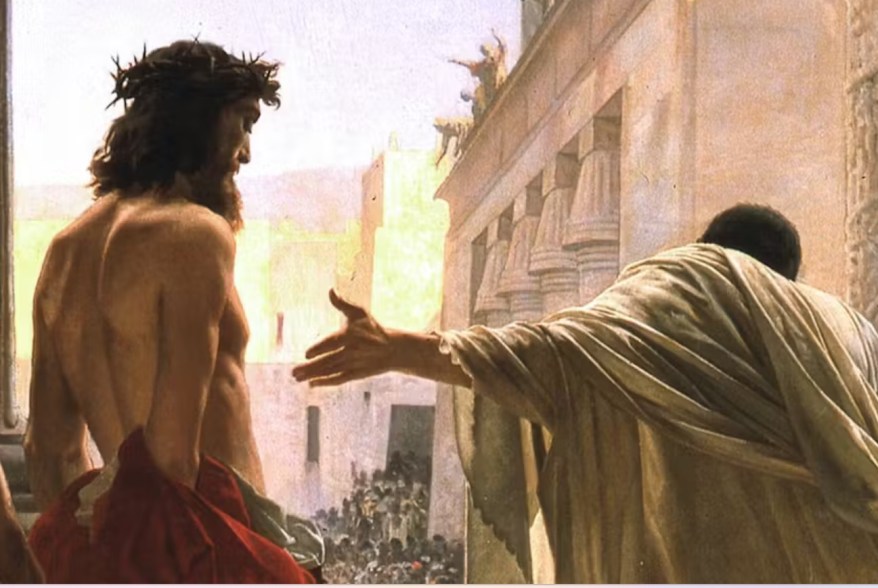
Venerdì Santo: gli “Ecce Homo” più intensi della storia dell’arte
🇮🇹Ecce Homo. Da Antonello da Messina a Tintoretto, fino al sorprendente capolavoro di Antonio Ciseri, questo soggetto ha attraversato i secoli raccontando dolore, umanità e coscienza… 🇬🇧Ecce Homo. From Antonello da Messina to Tintoretto, to Antonio Ciseri’s astonishing masterpiece, this subject has spanned the centuries, recounting pain, humanity, and conscience…
Condividi:


Questo sono io





sostienici

Sostienici – Support Us
Se questo blog ti piace e ti appassiona, puoi aiutarci a farlo crescere sempre più sostenendoci in modo concreto condividendo i post, seguendo le pagine social e con un contributo che ci aiuta ad andare avanti con il nostro lavoro di divulgazione. . ENGLISH: If you like and are passionate about this blog, you can help us make it grow more and more by supporting us in a concrete way by sharing posts, following social pages and with a contribution that helps us to move forward with our dissemination work.
€10,00


