
La Scultura del giorno: Fauno con Bacco Fanciullo di Carl Begas il giovane
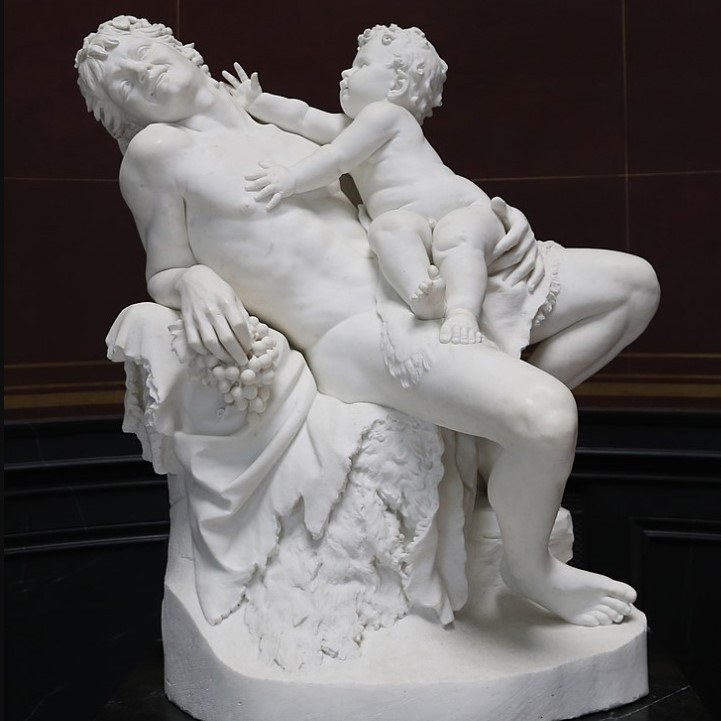
La scultura del giorno che vi propongo oggi è il Fauno con Bacco Fanciullo scolpito da Carl Begas il giovane nel 1876, oggi appartenente alle collezioni dell’Alte Nationalgalerie di Berlino.
Carl Begas nacque a Berlino il 23 novembre del 1845 ed era il figlio di Carl Begas denominato il Vecchio per distinguerlo dall’omonimo discendente.
Nel 1869 arrivò a Roma con lo scopo di perfezionare i sui studi di artista e scultore. Dopo aver acquisito un bagaglio culturale e pratico non indifferente, conquistò la cattedra di insegnamento a Cassel.
Fece ritorno a Berlino nel 1896 dove poi si stabilì in modo definitivo. Sono tante le opere che scolpì nel corso degli anni e tutte sono caratterizzate da tratti realistici e volti particolarmente espressivi.
Fra le opere sue opere più note e apprezzate c’è sicuramente il gruppo scultoreo del Fauno giovane con Bacco Fanciullo.
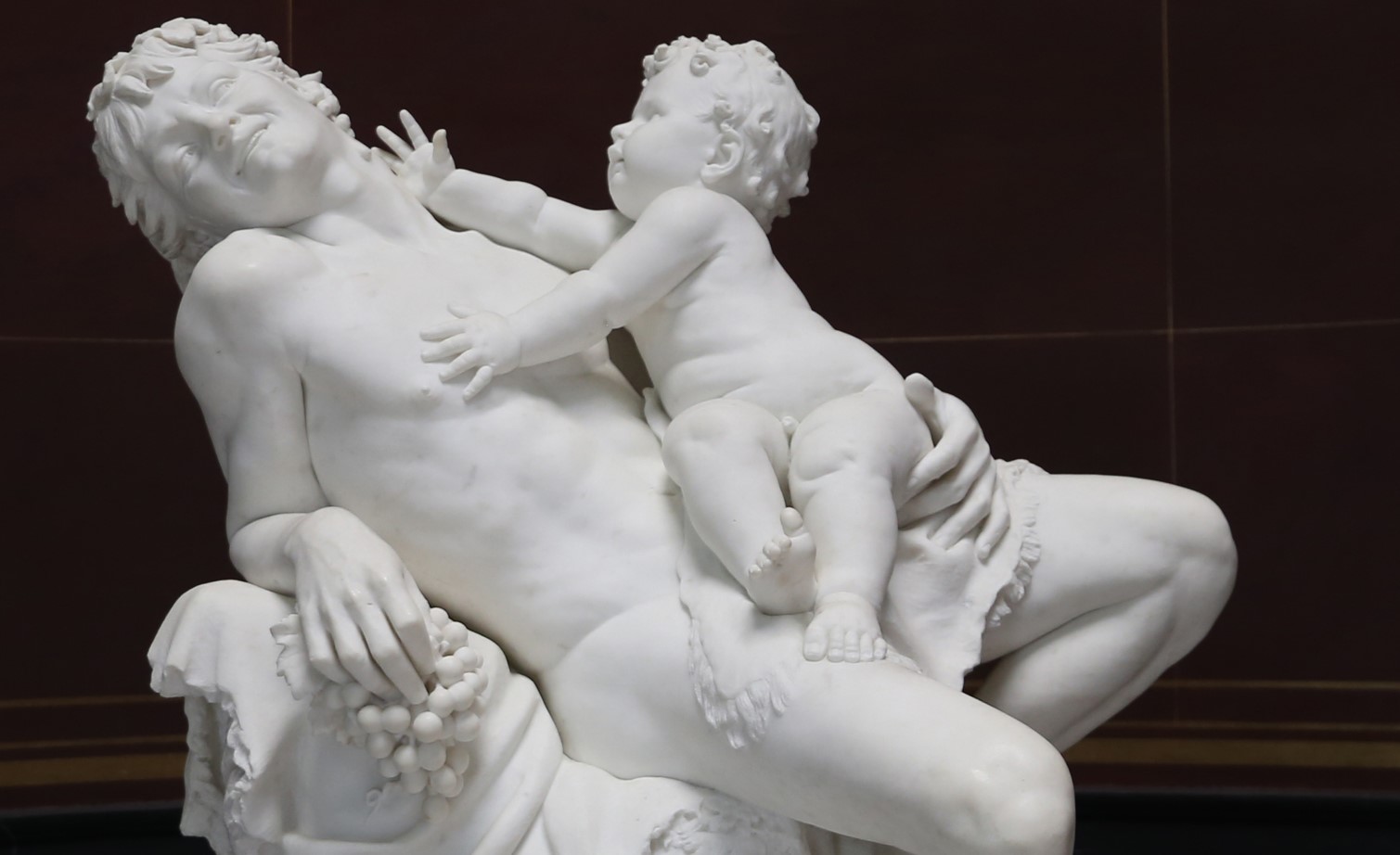
Secondo la mitologia, Bacco fu cresciuto dalle ninfe e dai satiri e nella scultura si vede il piccolo Bacco seduto sulle gambe del Fauno che gioca con lui.
Allunga la mano destra in un gesto tipico dei bambini di quella età per toccare i capelli e magari tirarglieli a suo piacimento.

Il momento giocoso fra il Satiro che sorride tirando il busto indietro per evitare di farsi afferrare i capelli e Bacco che sembra così impegnato nel suo intento è reso dall’artista in modo impeccabile.
Colpisce in naturalismo dei due corpi nelle pose naturali e non forzate così come nelle espressioni dei loro volti.
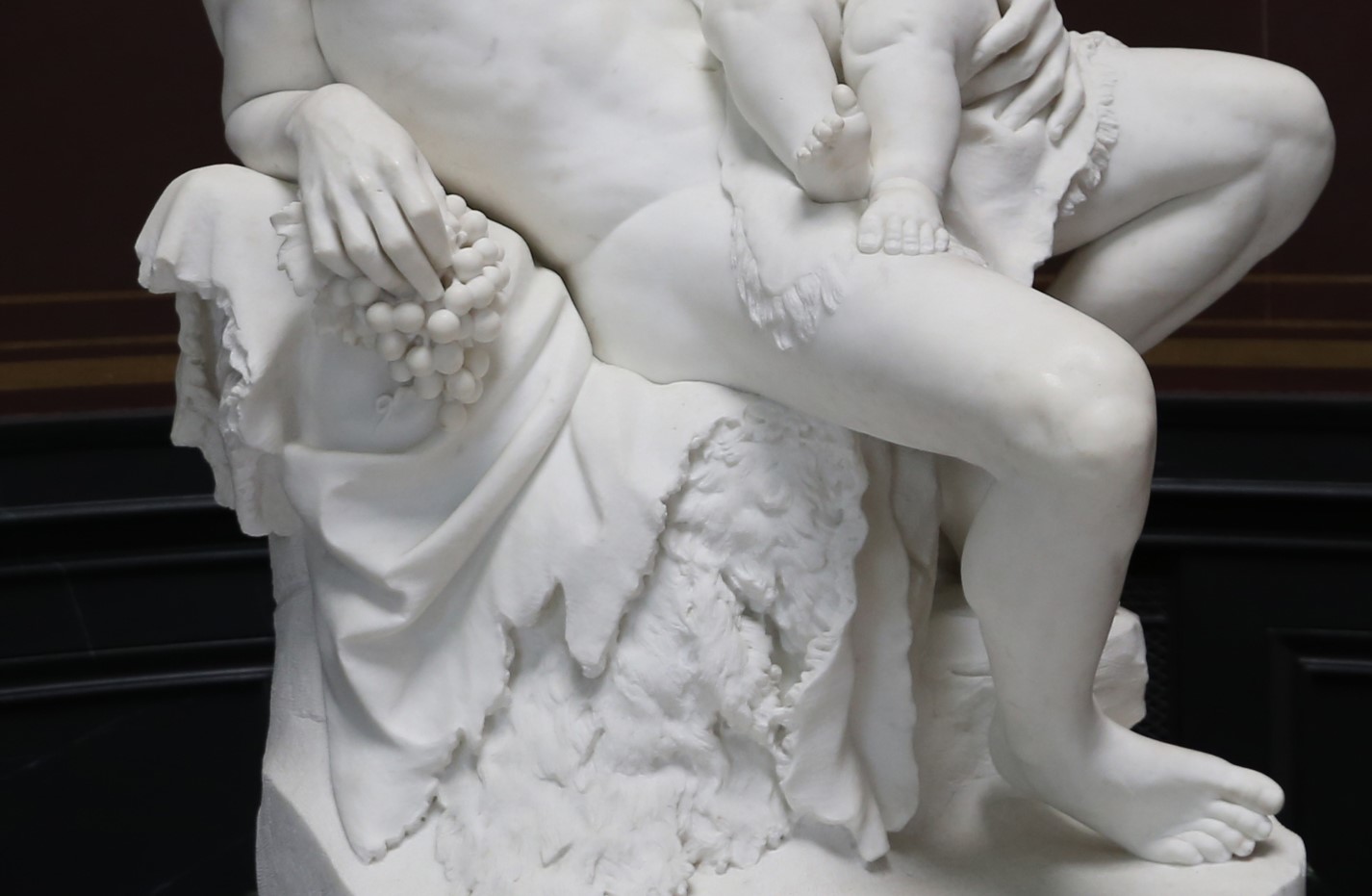
Il giovane satiro tiene nella mano un grappolo d’uva, simbolo che non può mai mancare quando si è in presenza di Bacco.
Per il momento il vostro Michelangelo Buonarroti vi saluta dandovi appuntamento ai prossimi post e sui social.
Sculpture of the Day: Faun with Infant Bacchus by Carl Begas the Younger
The sculpture of the day that I propose to you today is the Faun with Bacchus Child sculpted by Carl Begas the Younger in 1876, now belonging to the collections of the Alte Nationalgalerie in Berlin.
Carl Begas was born in Berlin on November 23, 1845 and was the son of Carl Begas, called the Elder to distinguish him from the homonymous descendant.
In 1869 he arrived in Rome with the aim of perfecting his studies as an artist and sculptor. After acquiring a considerable cultural and practical background, he conquered the teaching post in Cassel.
He returned to Berlin in 1896 in Berlin where he then settled permanently. There are many works that he sculpted over the years and all are characterized by realistic traits and particularly expressive faces.
Among the most well-known and appreciated works by him there is certainly the sculptural group of the young Faun with Bacchus as a child.
According to mythology, Bacchus was raised by nymphs and satyrs and in the sculpture we see the little Bacchus sitting on the legs of the Faun playing with him. He stretches out his right hand in a gesture typical of children of that age to touch their hair and perhaps pull it at will.
The playful moment between the Satyr who smiles pulling his torso back to avoid having his hair grabbed and Bacchus who seems so busy with his intent is impeccably rendered by the artist. He strikes in the naturalism of the two bodies in the natural and unforced poses as well as in the expressions of their faces.
The young satyr holds a bunch of grapes in his hand, a symbol that can never be missing when in the presence of Bacchus.
For the moment, your Michelangelo Buonarroti greets you by making an appointment for the next posts and on social media.

Sostienici – Support Us
Se questo blog ti piace e ti appassiona, puoi aiutarci a farlo crescere sempre più sostenendoci in modo concreto condividendo i post, seguendo le pagine social e con un contributo che ci aiuta ad andare avanti con il nostro lavoro di divulgazione. . ENGLISH: If you like and are passionate about this blog, you can help us make it grow more and more by supporting us in a concrete way by sharing posts, following social pages and with a contribution that helps us to move forward with our dissemination work.
8,00 €
-
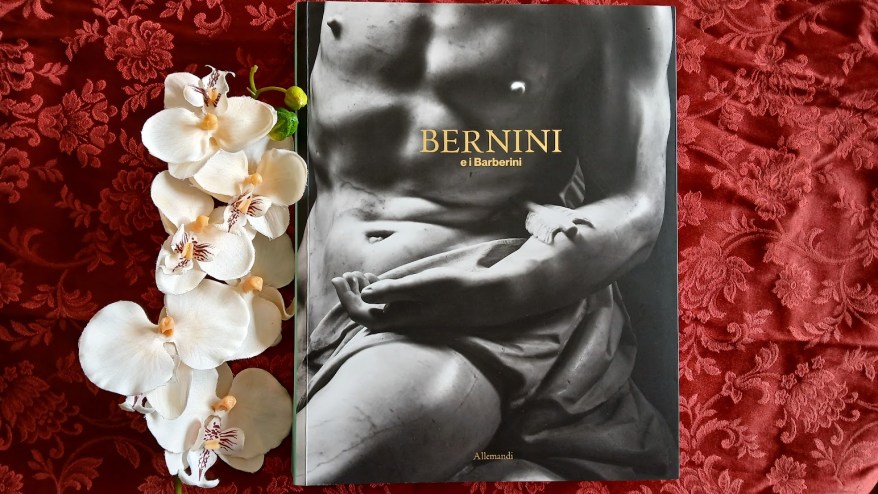
Dentro il catalogo di Bernini e i Barberini: arte, potere e immagini mozzafiato
Arte, storia e immagini sorprendenti: il catalogo “Bernini e i Barberini” racconta il legame tra Bernini e Urbano VIII in modo unico.
-
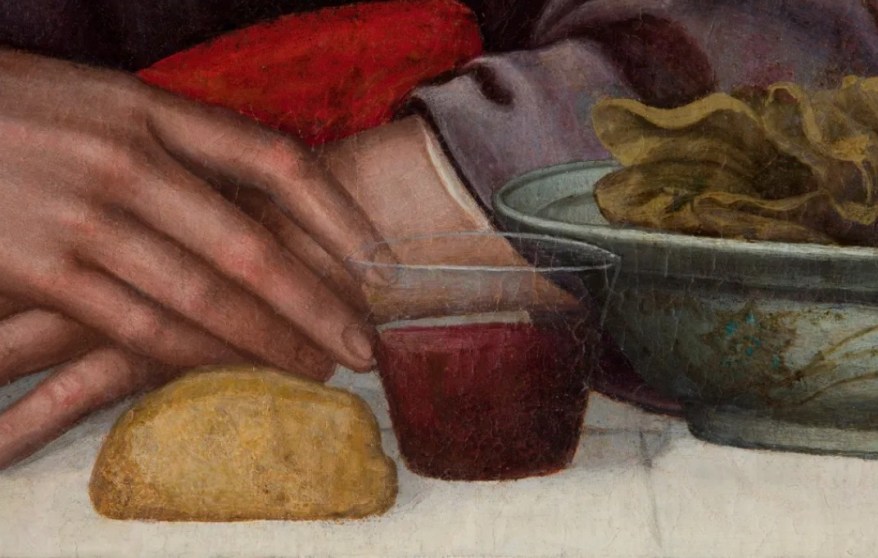
Pasqua: l’Ultima Cena della monaca pittrice Plautilla Nelli
🇮🇹Nel tempo della Pasqua, tra riflessione e rinascita, emerge la figura straordinaria di Plautilla Nelli: un’artista che, sfidando i limiti imposti alle donne, ha lasciato un segno profondo nella storia del Rinascimento. Vi propongo il suo capolavoro: l’Ultima Cena di Santa Maria Novella, a Firenze 🇬🇧During the Easter season, between reflection and rebirth, the extraordinary…
-
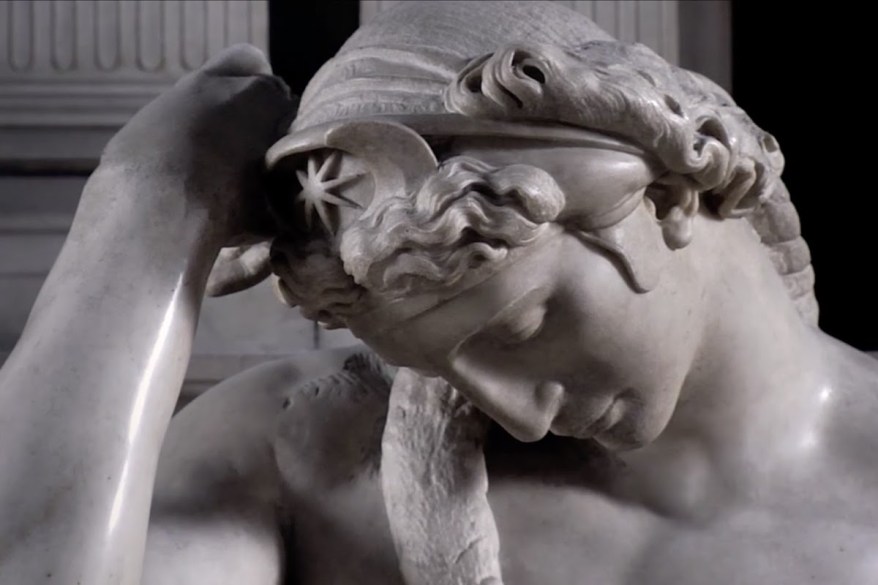
Il Giorno e la Notte: eterni nel loro alternarsi
🇮🇹Il marmo respira? No, ma è capace di trattenere il fiato fissando nell’eternità momenti che altrimenti si perderebbero per sempre… 🇬🇧Does marble breathe? No, but it is capable of holding its breath, capturing in eternity moments that would otherwise be lost forever…
Condividi:


Questo sono io





sostienici

Sostienici – Support Us
Se questo blog ti piace e ti appassiona, puoi aiutarci a farlo crescere sempre più sostenendoci in modo concreto condividendo i post, seguendo le pagine social e con un contributo che ci aiuta ad andare avanti con il nostro lavoro di divulgazione. . ENGLISH: If you like and are passionate about this blog, you can help us make it grow more and more by supporting us in a concrete way by sharing posts, following social pages and with a contribution that helps us to move forward with our dissemination work.
€10,00


