
Reggia di Versailles: 10 curiosità sorprendenti che (quasi) nessuno conosce
La Reggia di Versailles è uno dei luoghi più iconici al mondo. Ma dietro le sue facciate dorate e i suoi giardini perfetti si nasconde una storia fatta di ossessioni, rituali pubblici, lusso estremo e contraddizioni incredibili.
Non è solo un palazzo: è un teatro del potere dove ogni gesto era studiato, ogni dettaglio aveva un significato, ogni stanza racconta un segreto.
Ecco 10 curiosità sul Castello di Versailles che ti faranno ripensare a questo luogo con occhi completamente diversi.
1. Da capanno di caccia a palazzo più potente d’Europa
Tutto iniziò con una semplice residenza voluta da Luigi XIII nel 1623. Un luogo isolato, circondato da paludi e boschi.
Fu suo figlio, Luigi XIV, a trasformarlo nel simbolo assoluto del potere monarchico. Non voleva solo un palazzo: voleva creare un universo che ruotasse attorno a lui.
E ci riuscì.
2. Il Re Sole usava Versailles per controllare la nobiltà
Luigi XIV obbligò centinaia di nobili a vivere stabilmente a corte. A prima vista sembrava un privilegio. In realtà era una strategia politica geniale.
Tenendo tutti sotto lo stesso tetto, li teneva lontani dai loro territori e sotto il suo controllo costante. A Versailles si sorrideva, ma si spiava.
3. La Galleria degli Specchi non era solo bellezza
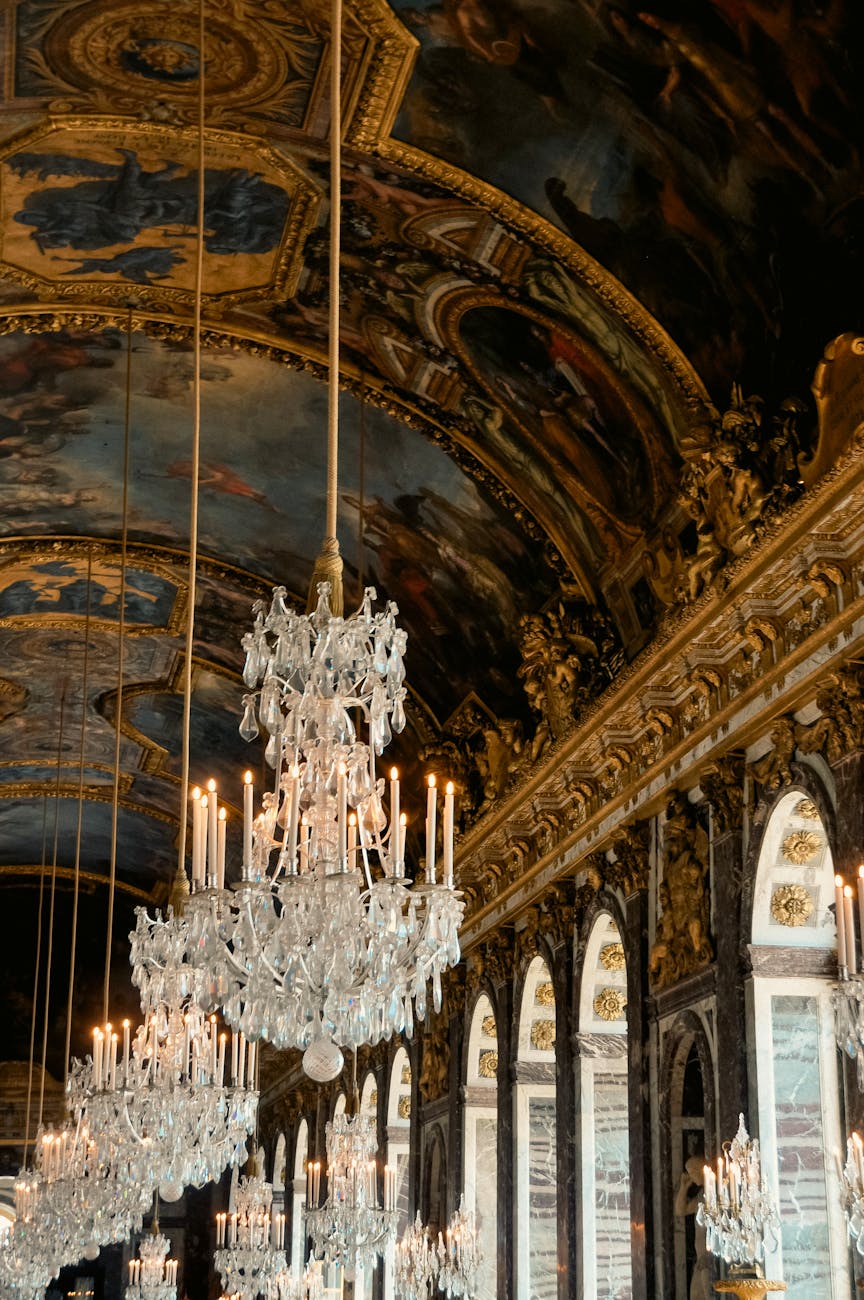
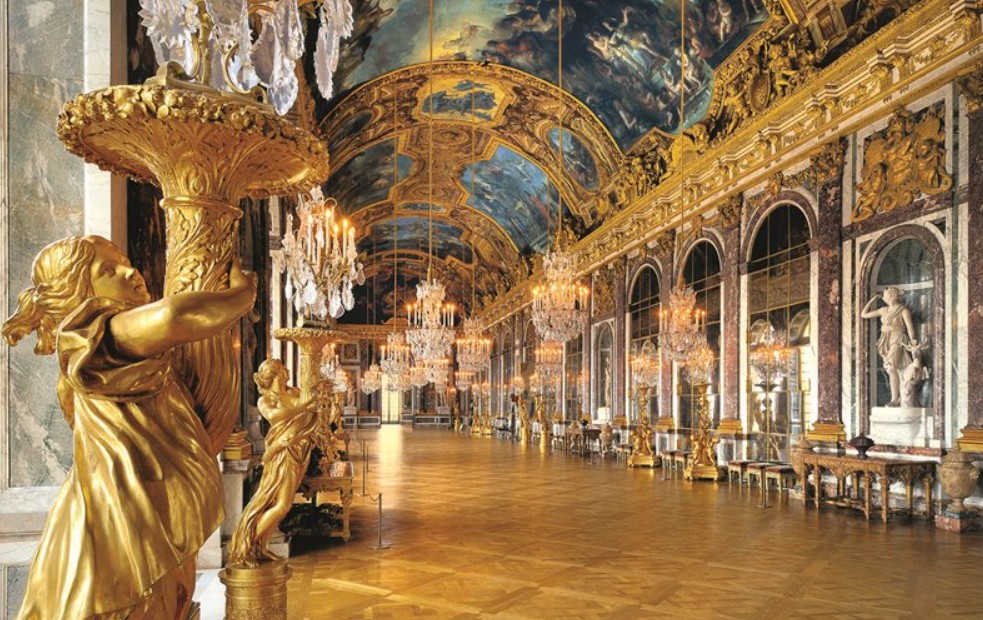
La spettacolare Galleria degli Specchi, con i suoi 357 specchi, era una dichiarazione di superiorità economica: all’epoca gli specchi erano rarissimi e costosissimi.
Ma in quella sala non si tennero solo feste e balli. Nel 1919 vi fu firmato il Trattato di Versailles, che pose ufficialmente fine alla Prima Guerra Mondiale.
Uno stesso luogo, due epoche, due destini.
4. La sveglia del re era uno spettacolo pubblico
Il “Lever du Roi” era un rituale rigidissimo. Decine di cortigiani assistevano mentre il re si vestiva.
Ogni gesto seguiva un ordine preciso. Persino porgere una manica era un privilegio ambito. La vita privata semplicemente non esisteva.
5. A Versailles quasi nessuno faceva il bagno
Può sembrare assurdo, ma nel XVII secolo si temeva che l’acqua favorisse le malattie.
Per coprire gli odori si usavano profumi intensissimi. Nei corridoi, però, non sempre l’aria era così regale come le decorazioni.
6. I giardini erano un’illusione perfetta
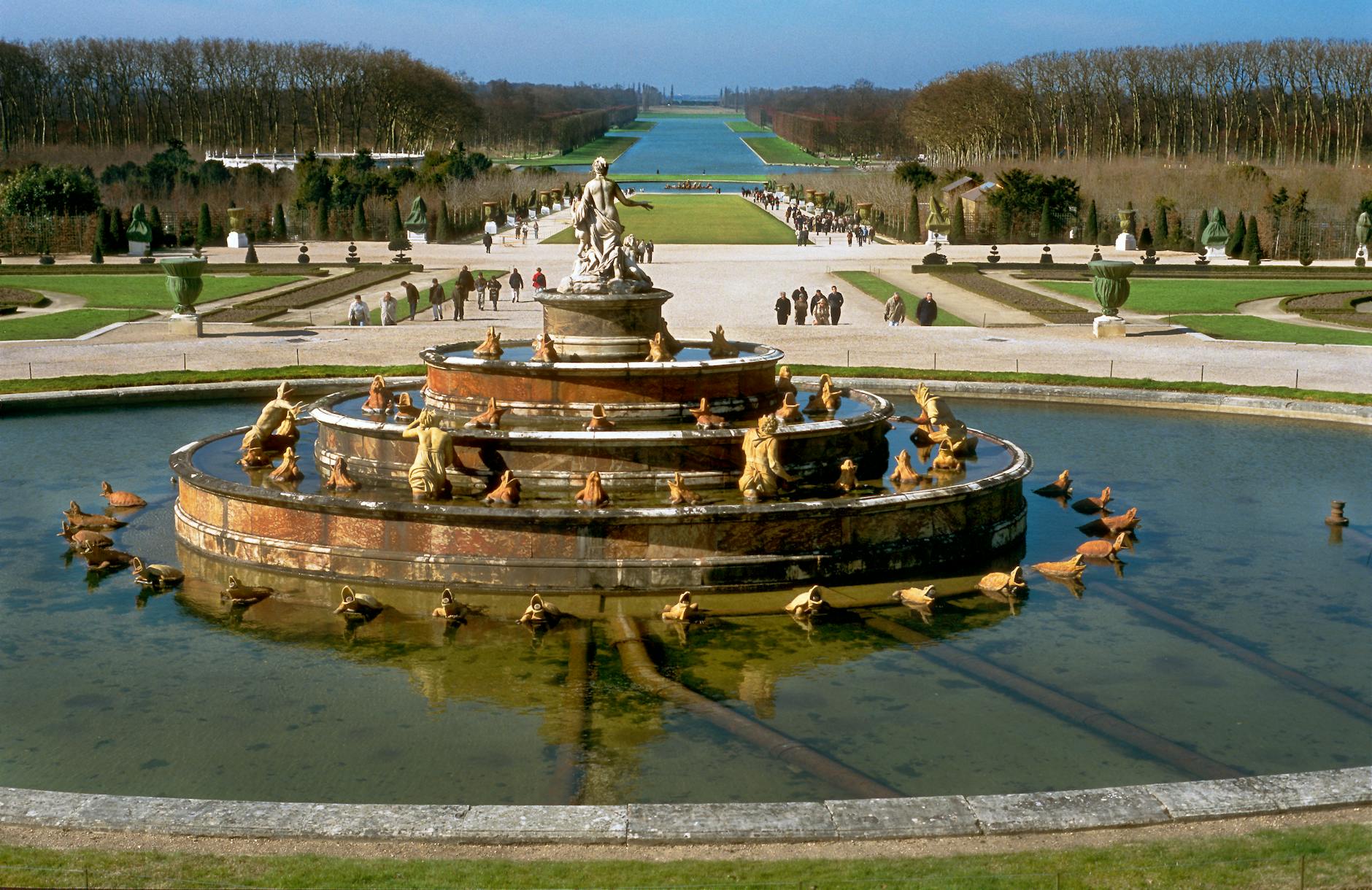
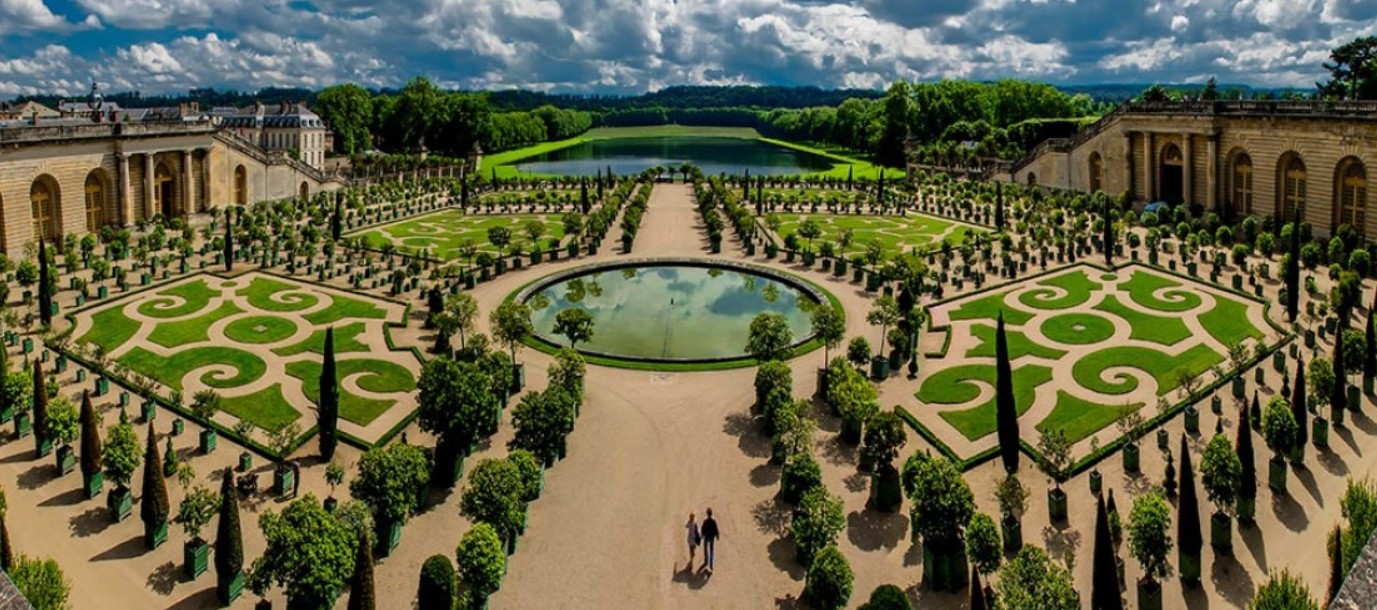
I giardini della Reggia di Versailles, progettati da André Le Nôtre, sono un capolavoro di geometria e prospettiva.
Ma le fontane non funzionavano tutte insieme: la pressione dell’acqua non bastava. Venivano attivate solo quando il re passava nelle vicinanze.
Anche la natura doveva obbedire al sovrano.
7. Maria Antonietta giocava a fare la contadina
La regina Maria Antonietta fece costruire un villaggio artificiale, l’Hameau de la Reine, dove si rifugiava per vivere una vita “semplice”.
C’erano animali, orti, casette rustiche. Ma era tutto scenografia.
Un lusso travestito da semplicità.
8. Versailles era una città dentro il palazzo
Si stima che fino a 10.000 persone vivessero stabilmente nel complesso: nobili, servitori, cuochi, guardie, artigiani.
Era un microcosmo autosufficiente dove ogni giornata era scandita da regole inflessibili.
Un mondo chiuso, pronto a esplodere.
9. La marcia su Versailles cambiò la storia
Nel 1789, durante la Rivoluzione francese, migliaia di donne marciarono da Parigi fino al palazzo.
Chiedevano pane.
La famiglia reale fu costretta a lasciare Versailles. Non vi avrebbe mai più fatto ritorno come sovrana.
10. Dopo la monarchia, il palazzo divenne simbolo universale
Dopo la caduta della monarchia, Versailles non fu distrutta.
Nel XIX secolo fu trasformata in museo nazionale, diventando uno dei siti storici più visitati al mondo.
Da simbolo di potere assoluto a patrimonio dell’umanità.
Dietro l’oro, gli specchi e le feste si nascondevano fragilità, paure e tensioni sociali che avrebbero cambiato il corso della storia. La Reggia di Versailles è il luogo dove la grandezza ha toccato l’apice e poi è crollata.
Per il momento il sempre vostro Michelangelo Buonarroti vi saluta dandovi appuntamento ai prossimi post e sui social.
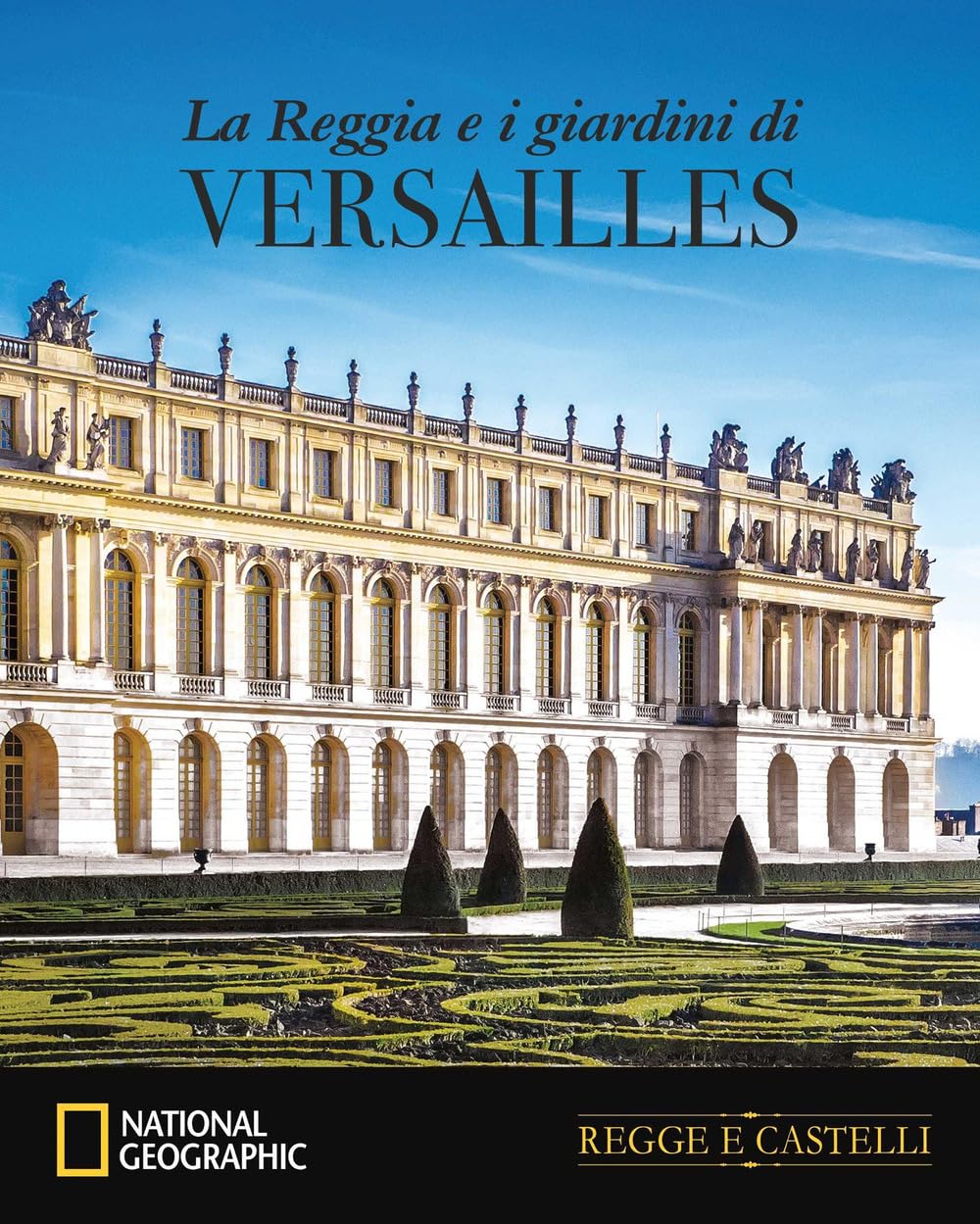

Palace of Versailles: 10 Surprising Facts That (Almost) No One Knows
The Palace of Versailles is one of the most iconic places in the world. But behind its golden facades and perfect gardens lies a history of obsessions, public rituals, extreme luxury, and incredible contradictions.
It’s more than just a palace: it’s a theater of power where every gesture was carefully planned, every detail had a meaning, every room tells a secret.
Here are 10 fun facts about the Palace of Versailles that will make you rethink this place with completely different eyes.
- From hunting lodge to the most powerful palace in Europe
It all began with a simple residence commissioned by Louis XIII in 1623. An isolated place, surrounded by marshes and woods.
It was his son, Louis XIV, who transformed it into the absolute symbol of monarchical power. He didn’t just want a palace: he wanted to create a universe that revolved around him.
And he succeeded.
- The Sun King used Versailles to control the nobility
Louis XIV forced hundreds of nobles to live permanently at court. At first glance, it seemed like a privilege. In reality, it was a brilliant political strategy.
By keeping everyone under the same roof, he kept them away from their territories and under his constant control. At Versailles, people smiled, but they spied on them.
- The Hall of Mirrors wasn’t just beauty
The spectacular Hall of Mirrors, with its 357 mirrors, was a declaration of economic superiority: at the time, mirrors were extremely rare and expensive.
But that hall wasn’t just for parties and balls. In 1919, the Treaty of Versailles was signed there, officially ending World War I.
One place, two eras, two destinies.
- The king’s wake was a public spectacle
The “Lever du Roi” was a very strict ritual. Dozens of courtiers watched as the king dressed.
Every gesture followed a precise order. Even offering a sleeve was a coveted privilege. Privacy simply did not exist.
- At Versailles, almost no one bathed.
It may seem absurd, but in the 17th century, there was a fear that water could spread disease.
Intense perfumes were used to mask odors. In the corridors, however, the air was not always as regal as the decorations.
- The gardens were a perfect illusion.
The gardens of the Palace of Versailles, designed by André Le Nôtre, are a masterpiece of geometry and perspective.
But the fountains did not all work at once: the water pressure was not enough. They were activated only when the king passed nearby.
Nature, too, had to obey the sovereign.
- Marie Antoinette played at being a peasant.
Queen Marie Antoinette built an artificial village, the Hameau de la Reine, where she took refuge to live a “simple” life.
There were animals, vegetable gardens, rustic cottages. But it was all scenery.
Luxury disguised as simplicity.
- Versailles was a city within the palace
It is estimated that up to 10,000 people lived permanently in the complex: nobles, servants, cooks, guards, artisans.
It was a self-sufficient microcosm where every day was marked by inflexible rules.
A closed world, ready to explode.
- The March on Versailles changed history
In 1789, during the French Revolution, thousands of women marched from Paris to the palace.
They demanded bread.
The royal family was forced to leave Versailles. They would never return as sovereigns.
- After the monarchy, the palace became a universal symbol
After the fall of the monarchy, Versailles was not destroyed.
In the 19th century, it was transformed into a national museum, becoming one of the most visited historical sites in the world.
From symbol of absolute power to world heritage.
Behind the gold, mirrors, and celebrations lay fragility, fear, and social tensions that would change the course of history. The Palace of Versailles is the place where grandeur reached its peak and then collapsed.
For now, yours truly, Michelangelo Buonarroti bids you farewell and invites you to join him in future posts and on social media.

Sostienici – Support Us
Se questo blog ti piace e ti appassiona, puoi aiutarci a farlo crescere sempre più sostenendoci in modo concreto condividendo i post, seguendo le pagine social e con un contributo che ci aiuta ad andare avanti con il nostro lavoro di divulgazione. . ENGLISH: If you like and are passionate about this blog, you can help us make it grow more and more by supporting us in a concrete way by sharing posts, following social pages and with a contribution that helps us to move forward with our dissemination work.
10,00 €
Articoli
Condividi:


Questo sono io





sostienici

Sostienici – Support Us
Se questo blog ti piace e ti appassiona, puoi aiutarci a farlo crescere sempre più sostenendoci in modo concreto condividendo i post, seguendo le pagine social e con un contributo che ci aiuta ad andare avanti con il nostro lavoro di divulgazione. . ENGLISH: If you like and are passionate about this blog, you can help us make it grow more and more by supporting us in a concrete way by sharing posts, following social pages and with a contribution that helps us to move forward with our dissemination work.
€10,00


