
Tesoro nascosto ritrovato: 20 opere inedite mie mai bruciate?
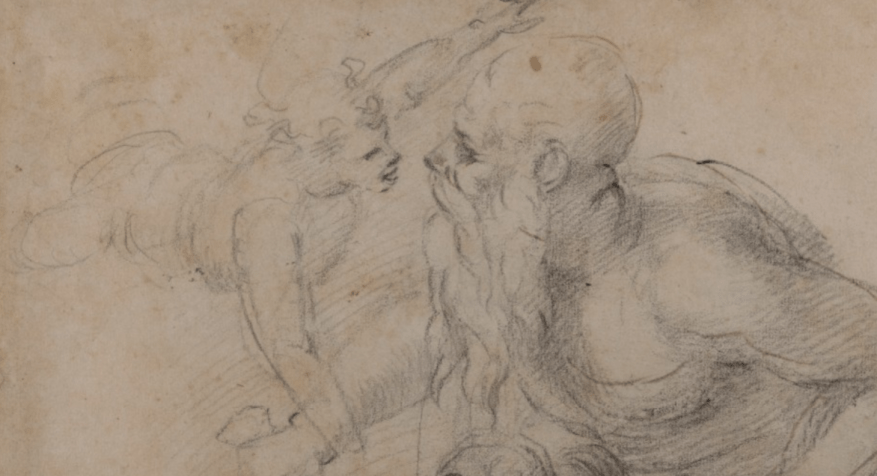
Per oltre cinque secoli si è pensato che arrivato alla fine dei miei giorni, aggiunsi ai roghi precedenti dei miei disegni, altri fuochi alimentati con altre carte scritte di mio pugno. Una scelta che viene narrata anche dal Giorgio Vasari, che avrebbe avuto come idea di fondo, quella di impedire al mondo di vedere il processo creativo dietro le mie opere.
Secondo una nuova ricostruzione, non bruciai tutti i miei disegni che al tempo avevo ancora in casa ma volli farli mettere al sicuro in un luogo segreto, lontano da occhi indiscreti e da possibili speculazioni.
La ricerca che riscrive gli ultimi giorni
A riaprire il caso è stata la ricercatrice romana Valentina Salerno, che per oltre dieci anni ha studiato testamenti, inventari e atti notarili, alcuni finora inediti. Il suo lavoro, intitolato “Michelangelo gli ultimi giorni”, ricostruisce nel dettaglio cosa accadde nella casa di via Macel de’ Corvi a Roma nel febbraio del 1564.
Quando il 18 febbraio passai a miglior vita, il notaio incaricato dell’inventario trovò solo tre grandi statue e pochi cartoni. Un’anomalia considerando che la dimora era stata descritta dagli allievi come traboccante di opere. Il grosso del patrimonio artistico era già stato trasferito altrove?
Il mistero del cubicolo segreto e il trasferimento delle opere
Secondo i documenti ricostruiti dalla studiosa, avrei convocato al mio capezzale gli allievi più fidati, tra cui Michele degli Alberti e Feliciano da San Vito, affidando loro il compito di proteggere il testamento artistico. Le opere sarebbero state trasferite in blocco in un cubicolo segreto per sottrarle a mani predatorie.
Questa scelta avrebbe provocato, dopo la morte del maestro, una frattura tra Roma e Firenze sulla gestione dell’eredità artistica. Un passaggio delicato che potrebbe spiegare la dispersione di molte opere considerate perdute.
Il Comitato scientifico in Vaticano e le verifiche internazionali
La portata della scoperta ha attirato l’attenzione della Basilica di San Pietro. Il cardinale arciprete Mauro Gambetti ha promosso la nascita di un Comitato scientifico composto da esperti internazionali, tra cui William Wallace della Washington University di Saint Louis, Hugo Chapman del British Museum, Barbara Jatta dei Musei Vaticani, Cristina Acidini, Alessandro Cecchi e Pietro Zander.
Il gruppo ha lavorato con la massima riservatezza per verificare documenti, passaggi ereditari e attribuzioni, con l’obiettivo di valutare l’effettiva autenticità delle opere riemerse.
L’asta record da Christie’s riaccende i riflettori su di me
A dare ulteriore forza alla ricostruzione è stata la clamorosa di Christie’s a Londra, dove un piccolo disegno attribuito a meo, uno studio del piede della Sibilla Libica, è stato venduto per oltre 27 milioni di dollari. Un foglio di appena dieci per tredici centimetri, la cui esistenza era sconosciuta fino a poco tempo fa.
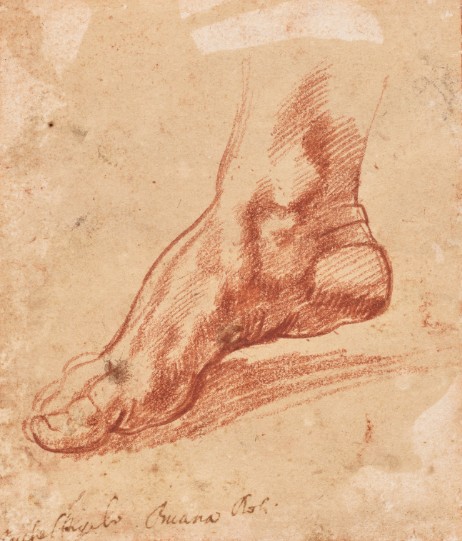
La provenienza documentata del disegno partirebbe da Daniele da Volterra, per poi passare a Michele degli Alberti e successivamente a una famiglia svizzera, fino all’attuale proprietario rimasto anonimo. Un percorso che combacia con le tracce archivistiche ricostruite dalla ricerca italiana.
Scoperti 20 lavori attribuibili a me
Dalle carte emergerebbe l’esistenza di circa venti opere tra sculture, disegni e sanguigne arrivate fino a noi ma mai catalogate con certezza come originali miei. Se le attribuzioni verranno confermate, si tratterà di una delle scoperte più rilevanti degli ultimi decenni nel campo della storia dell’arte.
Una caccia alle opere che potrebbe cambiare il mercato dell’arte
La vicenda ha già acceso l’interesse di studiosi, musei e collezionisti di tutto il mondo. Se il “tesoro nascosto” fosse davvero sopravvissuto per cinque secoli, potremmo assistere a nuove scoperte e a un impatto significativo anche sul mercato internazionale dell’arte.
Staremo a vedere, mi siedo e osservo cercando di capire.
Il sempre vostro Michelangelo Buonarroti vi saluta dandovi appuntamento ai prossimi post e sui social.
Hidden treasure rediscovered: 20 of my unpublished works never burned?
For over five centuries, it was thought that, at the end of my days, I added to the previous bonfires of my drawings, fueled by other papers written in my own hand. A choice also recounted by Giorgio Vasari, whose underlying idea was to prevent the world from seeing the creative process behind my works.
According to a new reconstruction, I didn’t burn all my drawings, which I still had at home at the time, but instead wanted to have them safely stored in a secret place, away from prying eyes and potential speculation.
Research rewriting my last days
The case was reopened by Roman researcher Valentina Salerno, who for over ten years studied wills, inventories, and notarial deeds, some previously unpublished. Her work, entitled “Michelangelo’s Last Days,” reconstructs in detail what happened in the house on Via Macel de’ Corvi in Rome in February 1564.
When I passed away on February 18th, the notary in charge of the inventory found only three large statues and a few cartoons. This was an anomaly, considering that the house had been described by his students as overflowing with works. Had the bulk of the artistic heritage already been transferred elsewhere?
The Mystery of the Secret Cubicle and the Transfer of the Works
According to the documents reconstructed by the scholar, I summoned my most trusted students to my bedside, including Michele degli Alberti and Feliciano da San Vito, entrusting them with the task of protecting the artistic legacy. The works were then transferred en masse to a secret cubicle to protect them from predatory hands.
This decision would have caused, after the master’s death, a rift between Rome and Florence over the management of his artistic legacy. A delicate transition that could explain the dispersion of many works considered lost.
The Vatican Scientific Committee and International Verification
The significance of the discovery attracted the attention of St. Peter’s Basilica. Cardinal Archpriest Mauro Gambetti promoted the creation of a Scientific Committee composed of international experts, including William Wallace of Washington University in Saint Louis, Hugo Chapman of the British Museum, Barbara Jatta of the Vatican Museums, Cristina Acidini, Alessandro Cecchi, and Pietro Zander.
The group worked in the strictest confidentiality to verify documents, inheritances, and attributions, with the aim of assessing the actual authenticity of the rediscovered works.
The record-breaking auction at Christie’s puts the spotlight back on Meo
Further strengthening the reconstruction was the sensational sale at Christie’s in London, where a small drawing attributed to Meo, a study of the foot of the Libyan Sibyl, sold for over $27 million. A sheet measuring just 10 by 13 centimeters, its existence was unknown until recently.
The documented provenance of the drawing begins with Daniele da Volterra, then passes to Michele degli Alberti, and then to a Swiss family, finally arriving at the current, anonymous owner. This path aligns with the archival traces reconstructed by Italian research.
20 Works Attributable to Me Discovered
The documents reveal the existence of approximately twenty works, including sculptures, drawings, and sanguine paintings, that have survived but were never definitively catalogued as my originals. If the attributions are confirmed, it will be one of the most significant discoveries in art history in recent decades.
A hunt for works that could change the art market
The story has already sparked the interest of scholars, museums, and collectors around the world. If the “hidden treasure” has truly survived for five centuries, we could witness new discoveries and a significant impact on the international art market.
We’ll see; I sit back and observe, trying to understand.
Yours truly, Michelangelo Buonarroti, bids farewell and looks forward to seeing you in future posts and on social media.

Sostienici – Support Us
Se questo blog ti piace e ti appassiona, puoi aiutarci a farlo crescere sempre più sostenendoci in modo concreto condividendo i post, seguendo le pagine social e con un contributo che ci aiuta ad andare avanti con il nostro lavoro di divulgazione. . ENGLISH: If you like and are passionate about this blog, you can help us make it grow more and more by supporting us in a concrete way by sharing posts, following social pages and with a contribution that helps us to move forward with our dissemination work.
10,00 €
Condividi:


Questo sono io





sostienici

Sostienici – Support Us
Se questo blog ti piace e ti appassiona, puoi aiutarci a farlo crescere sempre più sostenendoci in modo concreto condividendo i post, seguendo le pagine social e con un contributo che ci aiuta ad andare avanti con il nostro lavoro di divulgazione. . ENGLISH: If you like and are passionate about this blog, you can help us make it grow more and more by supporting us in a concrete way by sharing posts, following social pages and with a contribution that helps us to move forward with our dissemination work.
€10,00


Ottimo ritrovamento 👍👍👍👏👏👏👏👏👏👏👏👏👏 un’altra perla di storia che si aggiunge al nostro immenso Patrimonio culturale 👍👍👍👍👏👏👏👏👏😊😉
"Mi piace""Mi piace"
chissà
"Mi piace"Piace a 1 persona