

L’incontro tra Dürer e i nordici con l’arte veneta e italiana a Trento
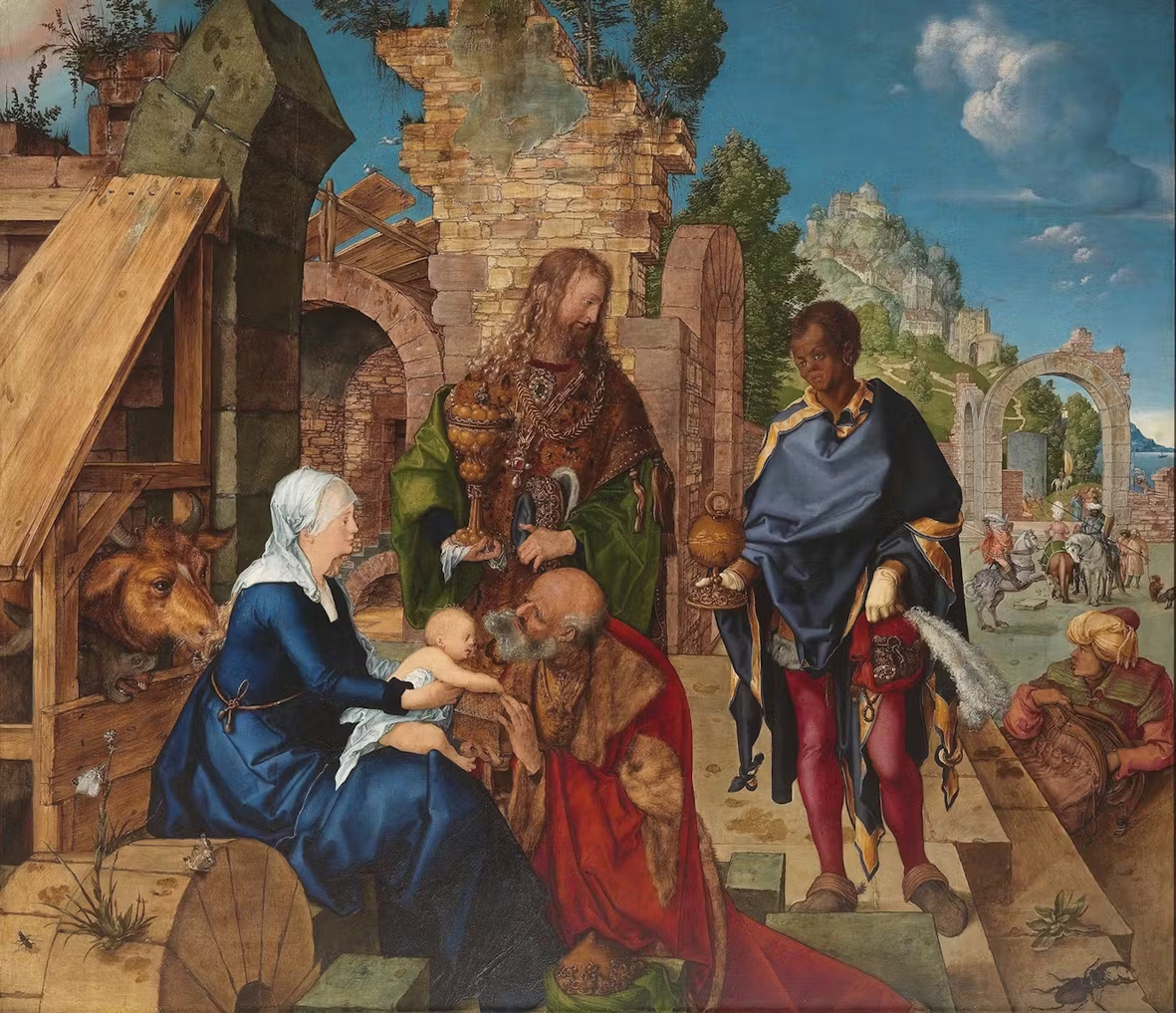
Sarà Albrecht Dürer il protagonista indiscusso della mostra che celebrerà il centenario del Museo del Castello del Buonconsiglio, a Trento.
Dürer ebbe modo di arrivare a Trento negli anni 1494-95, e rimase affascinato dalle sue atmosfere incantevoli e dai paesaggi mozzafiato. Riportò le sue sensazioni di allora in una serie di acquerelli divenuti poi celebri.
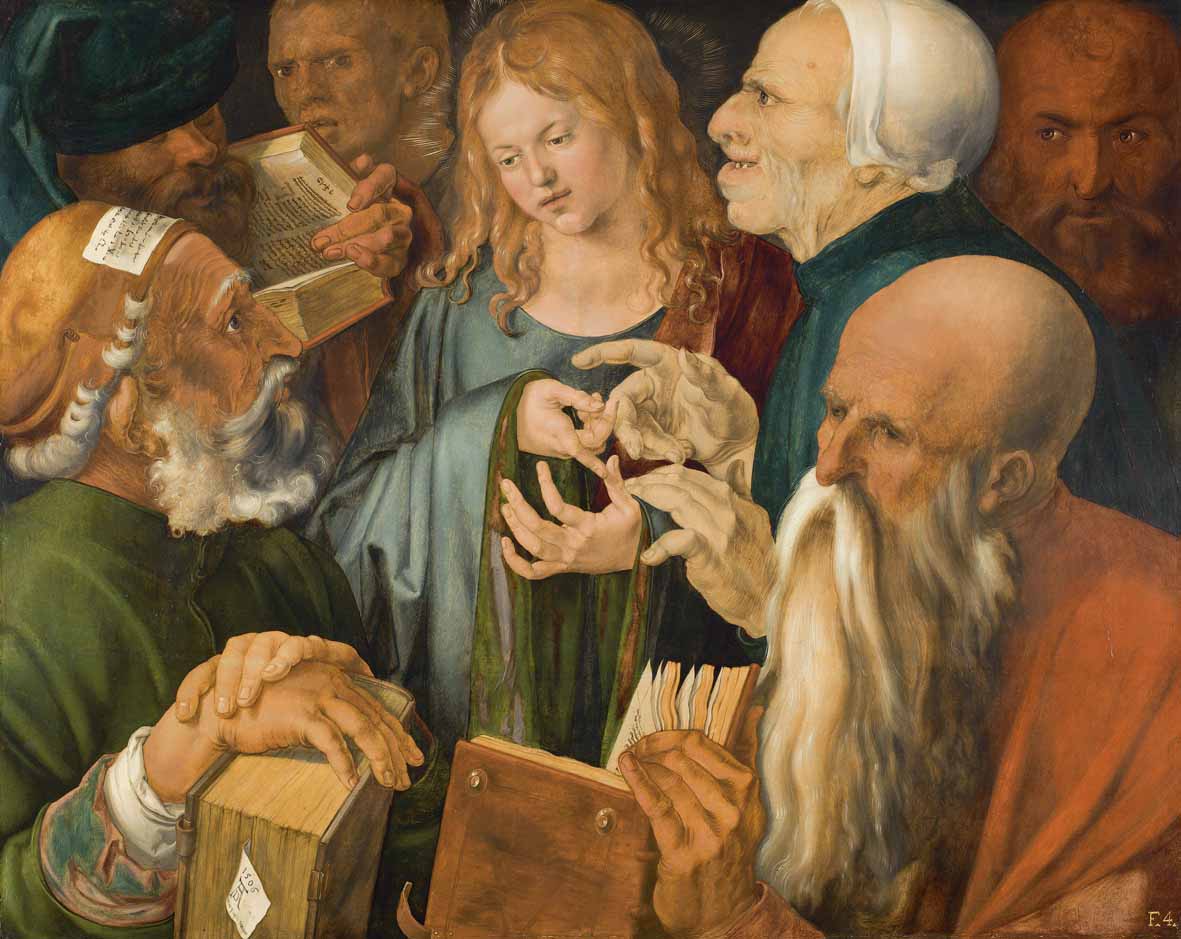
A catturare l’attenzione dell’artista di Norimberga fu anche il fatto che lì l’arte fosse nutrita di attenzioni e che il Rinascimento aveva un suo particolare stile, infuenzato dagli artisti stranieri che arrivavano in città.
La mostra “Dürer e le origini del Rinascimento nel Trentino”, aprirà al pubblico dal 6 luglio al 13 ottobre per proporre al pubblico quel periodo straordinario che l’arte rinascimentale ebbe in Trentino.
Saranno esposti dipinti di Dürer, disegni, incisioni e acquerelli, tra i quali sarà presente la proprio la veduta del Castello del Buonconsiglio proveniente dal British Musuem.

Partendo dalle opere di Dürer, il percorso espositivo indaga le origini di quel Rinascimento sui generis, che si sviluppò in Trentino tra 1470 e 1530/40. Uno stile nuovo che mise assieme tanti diversi linguaggi artistici, influenzato da mode, opere e artisti che risalivano dall’Italia alla Germania, alle Fiandre e viceversa.
Dopo la straordinaria fase dell’Umanesimo, del quale fu un eccellente esempio il vescovo Johannes Hinderbach, una sezione verrà dedicata al principe vescovo Bernardo Cles (1485-1539), promotore della costruzione e decorazione del Magno Palazzo al Castello del Buonconsiglio, consigliere di Massimiliano I e poi membro della dieta imperiale di Carlo V, oltre che suo gran cancelliere.
Lui non solo impiegò artisti italiani, ma volle farsi ritrarre da pittori come Bartholomäus Bruyn, o da medaglisti come Hans Schwarz, e coinvolse maestri come Dill Riemenschneider, accanto a Romanino, Dosso e Fogolino.
“Dürer e il Rinascimento nelle Alpi” raccoglierà quasi un centinaio fra opere fra cui dipinti, disegni, sculture e arti applicate nelle varie tecniche.

La mostra è promossa dal museo del Castello del Buonconsiglio, in collaborazione con l’Università di Trento e la Soprintendenza per i beni culturali, è a cura di Bernard Aikema, Laura Dal Prà, Giovanni Maria Fara, Claudio Salsi.
Per il momento il sempre vostro Michelangelo Buonarroti vi saluta dandovi appuntamento ai prossimi post e sui social, nell’attesa che abbia inizio questa nuova e straordinaria esposizione.
The meeting between Dürer and the Nordics with Venetian and Italian art in Trento
Albrecht Dürer will be the undisputed protagonist of the exhibition which will celebrate the centenary of the Buonconsiglio Castle Museum in Trento.
Dürer had the opportunity to arrive in Trento in the years 1494-95, and was fascinated by its enchanting atmospheres and breathtaking landscapes. He reported his feelings at the time in a series of famous watercolours.
What also captured the attention of the Nuremberg artist was the fact that art was nurtured there and that the Renaissance had its own particular style, influenced by the foreign artists who arrived in the city.
The exhibition “Dürer and the origins of the Renaissance in Trentino” will open to the public from 6 July to 13 October to propose to the public that extraordinary period that Renaissance art had in Trentino.
Dürer’s paintings, drawings, engravings and watercolors will be on display, including the view of the Buonconsiglio Castle from the British Musuem.
Starting from Dürer’s works, the exhibition itinerary investigates the origins of that sui generis Renaissance, which developed in Trentino between 1470 and 1530/40. A new style that brought together many different artistic languages, influenced by fashions, works and artists that dated back from Italy to Germany, Flanders and vice versa.
After the extraordinary phase of Humanism, of which Bishop Johannes Hinderbach was an excellent example, a section will be dedicated to Prince Bishop Bernardo Cles (1485-1539), promoter of the construction and decoration of the Magno Palazzo at the Buonconsiglio Castle, advisor to Maximilian I and then member of the imperial diet of Charles V, as well as his grand chancellor.
He not only employed Italian artists, but wanted to have his portrait painted by painters such as Bartholomäus Bruyn, or medalists such as Hans Schwarz, and involved masters such as Dill Riemenschneider, alongside Romanino, Dosso and Fogolino.
“Dürer and the Renaissance in the Alps” will collect almost a hundred works including paintings, drawings, sculptures and applied arts in various techniques.
The exhibition is promoted by the Castello del Buonconsiglio museum, in collaboration with the University of Trento and the Superintendency for Cultural Heritage, and is curated by Bernard Aikema, Laura Dal Prà, Giovanni Maria Fara, Claudio Salsi.
For the moment, your always Michelangelo Buonarroti greets you and will meet you in the next posts and on social media, while waiting for this new and extraordinary exhibition to begin.

Sostienici – Support Us
Se questo blog ti piace e ti appassiona, puoi aiutarci a farlo crescere sempre più sostenendoci in modo concreto condividendo i post, seguendo le pagine social e con un contributo che ci aiuta ad andare avanti con il nostro lavoro di divulgazione. . ENGLISH: If you like and are passionate about this blog, you can help us make it grow more and more by supporting us in a concrete way by sharing posts, following social pages and with a contribution that helps us to move forward with our dissemination work.
8,00 €
-
6 aprile 1520: la morte di Raffaello Sanzio e la nascita di un mito immortale
🇮🇹“Qui giace Raffaello: da lui, quando visse, la natura temette d’essere vinta, ora che egli è morto, teme di morire”. Il 6 aprile 1520 Raffaello morì a soli 37 anni… 🇬🇧“Here lies Raphael: when he lived, nature feared to be conquered by him, now that he is dead, she fears to die.” On April 6,…
-
Pasquetta, tra spiritualità e arte: il significato del Lunedì dell’Angelo e i capolavori del “Noli me tangere”
🇮🇹Il Lunedì dell’Angelo racchiude uno dei momenti più intensi del Vangelo: l’incontro tra Gesù risorto e Maria Maddalena, raccontato nel celebre “Noli me tangere”. Un episodio che nei secoli ha ispirato artisti straordinari, dando vita a opere cariche di emozione, spiritualità e bellezza. .. 🇬🇧Easter Monday encompasses one of the most intense moments in the…
-
La Pietà di Tincolini: a Pontedera l’arte torna a fare domande scomode
🇮🇹“Pietà”, la scultura di Filippo Tincolini, insieme alle parole di Federico Quaranta e Andrea Pezzi, non è stato solo uno spettacolo. È stata una domanda lanciata in faccia al pubblico, impossibile da evitare: siamo ancora capaci di provare pietà? 🇬🇧 “Pietà,” Filippo Tincolini’s sculpture, along with the words of Federico Quaranta and Andrea Pezzi, wasn’t…
Condividi:


Questo sono io





sostienici

Sostienici - Support Us
Se questo blog ti piace e ti appassiona, puoi aiutarci a farlo crescere sempre più sostenendoci in modo concreto condividendo i post, seguendo le pagine social e con un contributo che ci aiuta ad andare avanti con il nostro lavoro di divulgazione. . ENGLISH: If you like and are passionate about this blog, you can help us make it grow more and more by supporting us in a concrete way by sharing posts, following social pages and with a contribution that helps us to move forward with our dissemination work.
€10,00


